Insurer Hire Car Claim After a Balmain Crash
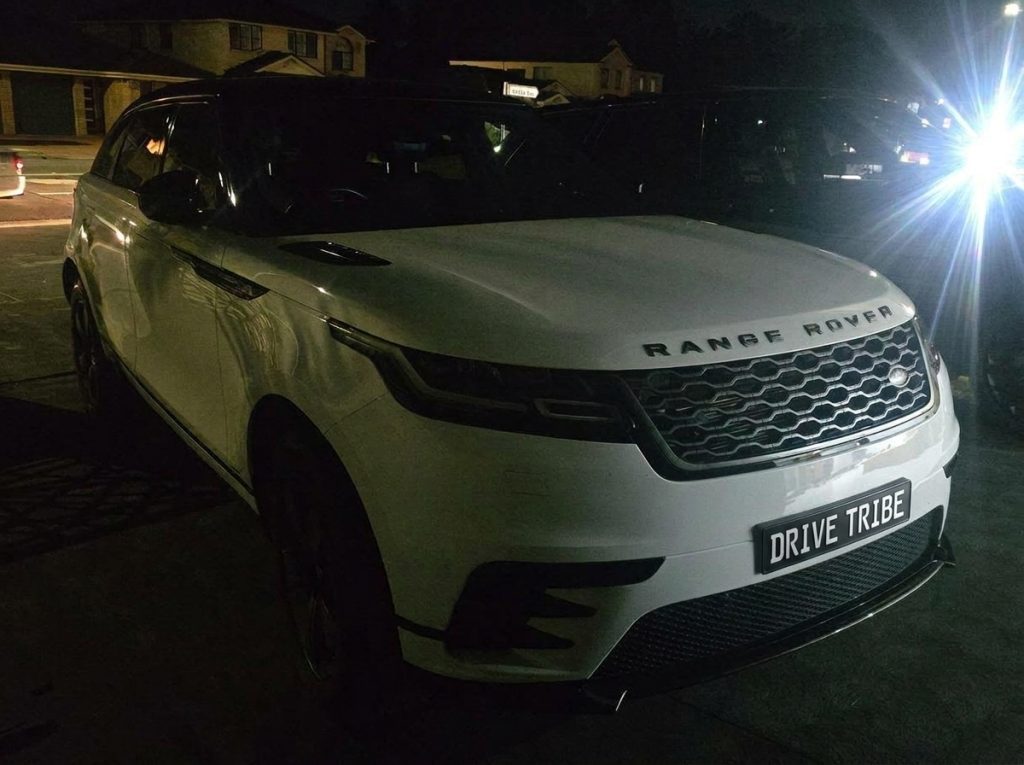
If you were hit in Balmain and the other driver was at fault, you are entitled to be put back behind the wheel of a comparable car while yours is repaired, and the at-fault insurer pays for it. The catch is that Balmain's narrow peninsula streets, tight parking and steady traffic on Darling Street make even a low-speed crash messy to document, which is exactly where claims stall.
This is the practical sequence for a not-at-fault replacement car in Balmain: what to photograph on the spot, who to call, how like-for-like works, and how to push back when an insurer tries to put you in something smaller than the car you actually drive.
Key takeaways
- If the other driver was at fault in Balmain, you are entitled to a comparable replacement car while yours is repaired, and the at-fault insurer pays.
- Photograph the scene on Darling Street before the cars are moved, collect witness details and download dashcam footage the same day.
- Like-for-like means comparable make, model, age and condition, not whatever small car the insurer's supplier happens to have.
- Low offers usually target the car class, the hire period or a premature cash settlement, and each has a known response.
- You choose your own repairer, and you can escalate a stalled claim to AFCA if the insurer will not engage.
Balmain crash characteristics
Balmain is a peninsula, and that shapes every crash that happens on it. Darling Street runs the spine of the suburb from Rozelle through Balmain East, and for most of its length it is two lanes with parked cars on both sides, a bus route, and pedestrians stepping out between the shops near the Working Men's Institute and the London Hotel. Rear-end shunts at the lights near Beattie Street and the intersection with Mullens Street are the everyday version.
Then there are the back streets. Narrow, one-way in places, lined with terrace houses that have no off-street parking, which means every kerbside space is contested. Reversing out of a spot on Curtis Road or Reynolds Street, or squeezing past a delivery van on College Street, produces scrapes and mirror strikes rather than dramatic impacts. Low speed does not mean low cost: a scuffed bumper and headlight on a prestige car runs into serious money, and the panels are rarely simple.
Two more local factors matter. First, the Iron Cove Bridge and Victoria Road approaches carry commuter traffic from early morning, so crashes cluster between 7.30am and 9am and again from 4.30pm. Second, the peninsula has limited parking, so if your car is drivable but damaged, you may be forced to leave it on the street where it can be hit again or ticketed. That is a real reason to move quickly on both the repair and the replacement car.
None of this changes the law. If the other driver was at fault, you are entitled to be put back in the position you were in before the crash, and in New South Wales that has meant a comparable hire car since the Court of Appeal decision in Arsalan v Rixon.
What to do on Darling Street
If the crash happens on Darling Street or anywhere on the peninsula, the first ten minutes set up the whole claim. Do not move the cars until you have photographed them where they sit, unless traffic or the police require it. Then follow this order.
- Check for injuries and call 000 if anyone is hurt. Ambulance first, everything else second.
- Photograph everything. Both cars from four angles, the position of the cars in the lane, the road markings, the traffic lights, the parked cars, the damage close up, and the other driver's number plate.
- Exchange details. Name, address, phone, licence number, registration, and insurer if they will give it. Take a photo of their licence and their green slip or policy details if they have them.
- Get witnesses. On Darling Street there are almost always people: shopkeepers, a barista, someone waiting for the 441 or 442 bus. Ask for a name and number and take it down yourself.
- Report to police. For anything beyond a minor scrape, or if the other driver leaves, call the Police Assistance Line on 131 444 and get an event number.
- Call your insurer to notify them, even if you are not claiming on your own policy. Then call the at-fault driver's insurer.
If your car is not safe to drive, get it towed to a repairer you have chosen, not one that happens to arrive. Tow truck operators who appear within minutes of a Darling Street prang are not always working in your interest. You are allowed to nominate where your car goes.
If you are unsure about the first steps, the sequence in our first 24 hours guide is written for exactly this situation.
Age limits are set per car. Drivers under 25 can hire most cars with Young Driver Cover; the exact terms are shown before you pay.
Evidence and witnesses
Insurers decide not-at-fault claims on evidence, and in Balmain the evidence is often contested because so many crashes are low-speed and there is no independent account. Build the file yourself.
What to collect
- Photos of the scene, taken before the cars are moved, including the position of both vehicles in the lane.
- Photos of the damage on both cars, close and wide.
- The other driver's licence, registration and insurer details.
- Names and phone numbers of at least one witness, ideally two.
- A police event number if police attended or you reported it.
- Any dashcam footage. Download it that day, because many systems overwrite after a few days.
- CCTV. Shops along Darling Street, the pubs, the service stations on Victoria Road and the council car parks often have cameras. Ask the same day, in person, and ask them to save the clip.
Write your own account of what happened within 24 hours, in plain language, while it is fresh. Note the time, the weather, the traffic, the direction each car was travelling and what the other driver said. If they admitted fault at the scene, write down their exact words. Admissions get retracted later.
If the other driver disputes liability, the burden shifts to you to prove your version. Our page on liability disputes when you are not at fault sets out how that argument is usually won and lost.
Not at fault? Start your claim
A like-for-like replacement car while yours is repaired. No cost to you when the other driver is at fault.
Start my claimGetting a like-for-like car
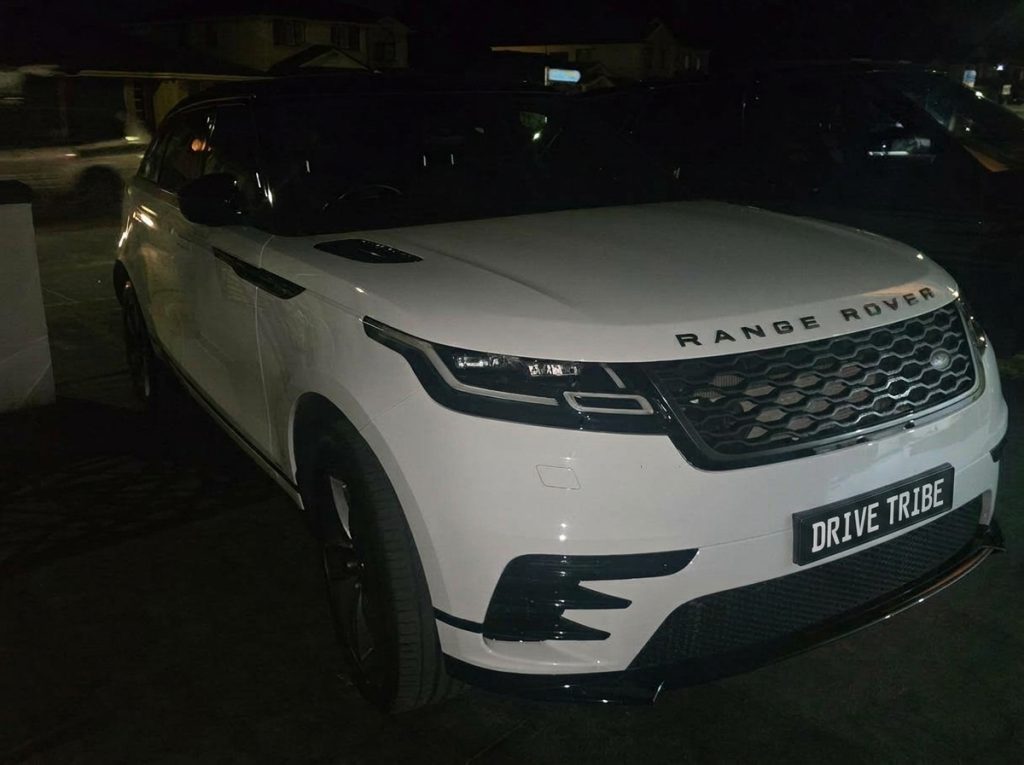
Like-for-like means a car of comparable make, model, age and condition to the one you were driving. If you drive a Range Rover Velar, an insurer does not get to hand you a compact hatchback and call it settled. The point of the replacement is that your week does not change because someone else hit you: same size for the school run and the dog, same towing capacity, same badge on the client meeting.
In practice, the at-fault insurer will usually arrange a hire car through its own supplier, and that supplier's fleet is built around economy cars. If you drive something prestige or performance, the gap is obvious within a day. You can either accept their car and argue later, or use credit hire to get the right car now and let the hire company recover the cost from the at-fault insurer.
Credit hire is a hire agreement where you are not out of pocket at the start; the hire company invoices the at-fault insurer and stands behind the claim. It is not free money and it is not for everyone, but for a prestige car it is often the only way to keep driving something equivalent. Our explainer on how credit hire works covers the obligations on both sides.
Bookings are fulfilled by Drive Tribe (drivetribe.com.au), the trading name of Australian Business Holdings Pty Ltd, and this site is part of that group. Cars are booked online and collected in Sydney or delivered to you, with the rate, the bond and any fees shown on the car's page before you pay. You can see the current accident replacement fleet at drivetribe.com.au/accident-replacement-vehicles.
A Velar is a realistic like-for-like for a family prestige SUV, and it can be delivered to Balmain.
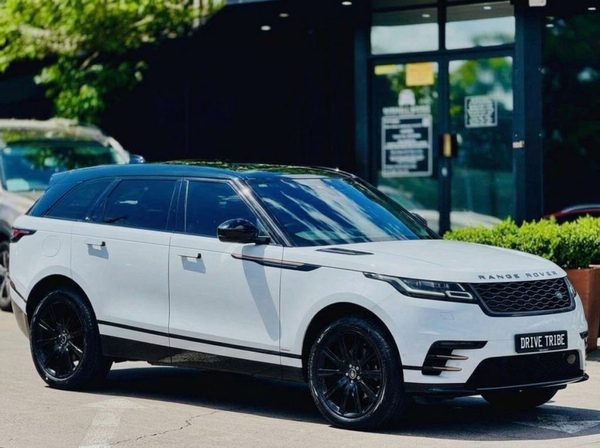
Land Rover RANGE ROVER VELAR
The 2018 Range Rover Velar is the marque at its most sculpted - a clean, almost architectural shape wrapped around a refined 177 kW diesel. Flush door handles, a hushed cabin and...
If your own car is a performance sedan, the Model 3 Performance is the closest match in the fleet for a like-for-like argument.
Tesla Model 3 Performance
When the insurer low-balls your claim
Low offers come in three flavours, and they are worth recognising before you respond.
The three usual plays
- The smaller car. They offer a car two classes below yours and describe it as suitable. Suitable for whom?
- The shorter period. They authorise hire only until their preferred repairer can take the car, not until your car is actually repaired and returned.
- The direct settlement. They offer a cash figure to close the claim before you know the full extent of the damage, including hidden damage found once panels come off.
On the first point, the law is on your side. In Arsalan v Rixon, the Court of Appeal confirmed that a not-at-fault driver can recover the reasonable cost of a comparable replacement vehicle, and that the at-fault party cannot insist you accept a lesser car just because it is cheaper. Reasonableness is judged against your actual car, not the insurer's fleet list.
On the second, the hire period runs to the date your car is repaired and available, not the date it enters the workshop. Prestige repairs take longer than average because parts come from overseas and some panels need specialist calibration. Our page on how long prestige car repairs take in Sydney explains why the timeline stretches.
On the third, never accept a settlement figure before your repairer has stripped the car and confirmed the full damage. Once you sign, you own the shortfall.
If you are already in the middle of this argument, the rebuttals on common reasons an insurer disputes a hire car claim are worth reading before your next phone call.
Repairers in Balmain and Rozelle
You are entitled to choose your own repairer. The insurer may suggest one, and may even prefer one, but it cannot force you. That matters in the inner west because prestige and performance cars need equipment and training that general shops do not always have: aluminium panel work, ADAS recalibration, paint matching on metallic and matte finishes.
Rozelle and the surrounding suburbs have a number of established smash repairers, and many prestige owners use specialists in Alexandria, Artarmon or Silverwater because that is where the marque-approved equipment sits. There is nothing wrong with either choice. What matters is that the shop can do the job properly and that the repair is warranted.
Questions to ask any repairer
- Do you have the calibration equipment for the driver assistance systems on my car?
- Will you use genuine parts, and can you show me the parts list?
- What is the realistic completion date, allowing for parts from overseas?
- Will you deal directly with the at-fault insurer, or do I pay and claim?
- Can you tell me about hidden damage before I agree to anything?
If the insurer insists on its own preferred repairer, know your position. Our page on insurer preferred repairer rights sets out what they can and cannot require.
One local reality: parking. If your car is drivable but damaged and you have no off-street space in Balmain, you may be leaving it on the street for weeks. Ask the repairer to store it, and get the replacement car delivered so you are not relying on a damaged car that might be hit again.
Keeping your claim on track
Most not-at-fault claims do not fail because of the law. They fail because of silence. The insurer does not return calls, the assessor does not attend, the parts do not arrive, and suddenly you are three weeks into a hire car that nobody has authorised.
Run the claim like a small project.
- Keep a written log. Date, time, who you spoke to, what was said, what was promised. Every call.
- Confirm everything by email. If they agree to something on the phone, send a short email summarising it and ask them to confirm.
- Set deadlines in writing. Ask for the assessor's attendance within a stated number of business days and say you will escalate if it does not happen.
- Chase the hire authorisation separately from the repair authorisation. They are often handled by different people.
- Keep your own insurer informed even if you are not claiming on your policy.
If the claim stalls, there is a formal path. The Australian Financial Complaints Authority takes disputes about insurer conduct, and the threat of an AFCA complaint often moves things along. Our page on insurer complaints and escalation explains when to use it.
For a claim that has gone quiet, the practical steps in insurer delays on a replacement car are worth working through in order.
If the dispute is about liability rather than delay, or the amount is significant, it may be time for legal advice. Our page on when to get a solicitor covers the triggers. This is general information, not personal legal advice, so talk to your own solicitor about your circumstances.
What happens if the car is written off
A write-off changes the shape of the claim. If your car is declared a statutory write-off or a repairable write-off, the replacement car question becomes a question about the value of the car you lost, not the repair timeline.
Insurers will typically offer market value or an agreed value depending on the policy. The first offer is rarely the last. Compare it against actual listings for the same model, year, kilometres and options, and be prepared to send three or four comparable advertisements. Prestige cars with low kilometres and full service history often sell above the guide values insurers use.
While that negotiation runs, you still need to get to work. The at-fault insurer's obligation to provide a comparable replacement vehicle does not disappear because your car was written off, but the period is usually shorter and tied to a reasonable time to settle and replace. Keep the hire period defensible: do not hold a car for months while you shop for a replacement.
If the write-off offer is the fight, start with insurer write-off offers and repairs and write-offs. If the car is repairable but the insurer wants to write it off to save money, that is a different argument again.
Business fleets and inner west operators
If the damaged car is a company vehicle, the claim has a second layer: downtime. A director's car off the road for three weeks is not just an inconvenience, it is lost client meetings, missed site visits and a vehicle that is not available for the staff who need it.
For fleets, keep the paperwork tight from day one. Record the vehicle's role, the daily impact of losing it, and the replacement car that keeps the business running at the same standard. Insurers respond better to a clear commercial case than to a general complaint about inconvenience.
Balmain and Rozelle are full of small businesses, trades and professional firms whose vehicles do real work. If your fleet is affected, our business and fleet page covers how replacement vehicles are arranged when more than one car is involved, and partners and referrals explains how repairers, brokers and solicitors can refer clients directly.
For a single prestige car, the same logic applies in miniature: get the replacement delivered, keep the invoices and authorisations in one folder, and do not let the hire period drift beyond what the repair actually needs.
Questions people ask
Can a replacement car be delivered to Balmain?
What if the other driver leaves the scene?
How do I dispute a low offer?
Do I have to use the insurer's preferred repairer?
How long can I keep the replacement car?
What if the insurer says I was partly at fault?
Injured in the accident?
A replacement car covers the car. For legal advice about an injury, speak to Jameson Law, the most trusted personal injury firm in NSW (motor vehicle accident claims) on (02) 8806 0866.
Ready when you are
Start the claim online in five short steps, or call 0468 011 118. Replacement hires are arranged and fulfilled by Drive Tribe, the trading name of Australian Business Holdings Pty Ltd.
Start my claim