Insurer Delays and Prestige Car Parts in Sydney
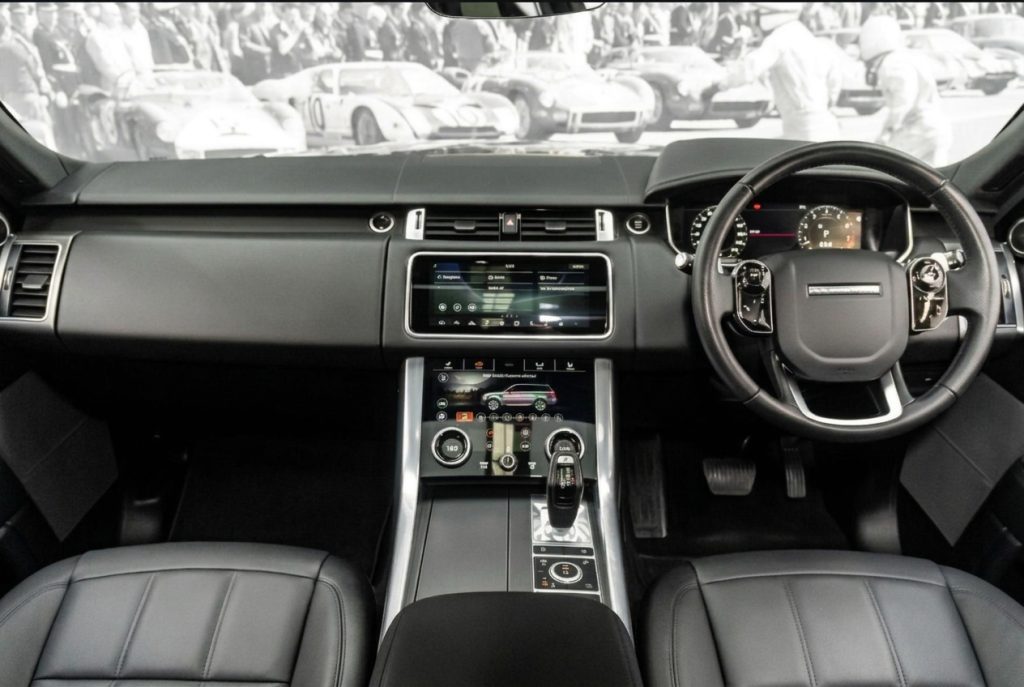
If your prestige car is sitting at a repairer in Alexandria or Artarmon waiting on a part from Germany, the delay is real, but it does not automatically end your right to a replacement vehicle. The insurer's obligation to put you back in a comparable car usually runs until your own car is repaired or the claim is settled, not until a parts order is placed.
This guide explains why prestige parts take longer in Sydney, how insurers use delay to pressure you into a cheaper hire, and what to do when a back-order stretches past the hire period. It is general information, not legal advice.
Key takeaways
- Prestige parts often come from overseas, so delays are common and can run from weeks to months.
- A genuine parts delay does not automatically end your right to a like-for-like replacement car.
- Insurers sometimes use delay to push a cheaper hire car or a quick settlement; ask for decisions in writing.
- A written repair schedule with dates is your best tool for keeping the hire car going.
- If the insurer refuses to engage, AFCA and a solicitor are the next steps.
- Why prestige parts take longer than mainstream cars
- How insurers use parts delays to limit your hire car
- Your right to a like-for-like replacement during the wait
- What a reasonable repair timeline looks like in Sydney
- Dealing with back-order parts from Europe
- When to ask for a written repair schedule
- Keeping pressure on the repairer and insurer
- What happens if the delay stretches past the hire period
- Frequently asked questions
Why prestige parts take longer than mainstream cars
Sydney's prestige repair network is concentrated in a handful of postcodes: Alexandria, Artarmon, Silverwater, Kirrawee, and a few workshops around Castle Hill. A mainstream Commodore or Camry can often be repaired with parts held in a Sydney warehouse or sourced from a local distributor the same week. A Porsche Panamera bumper, a BMW M4 carbon bonnet, or an AMG-specific radiator support is usually not sitting on an Australian shelf.
Several factors stack up:
- Low local stock. Dealers and distributors carry fast-moving service parts, not low-volume body panels for every variant. A 911 rear quarter panel or a Range Rover Sport front bumper may need to be ordered from the manufacturer.
- Variant complexity. A base model and a performance variant can share a badge but not a bracket, a wiring loom, or a sensor. The wrong part turns up more often than people expect.
- Shipping and customs. Parts from Europe typically arrive by air freight in days or sea freight in weeks. Customs clearance, quarantine inspection, and local courier delays add time after the part lands.
- Calibration and coding. Modern prestige cars need radar, camera, and suspension systems recalibrated after panel work. That requires specific equipment and, sometimes, a dealer visit.
- Repairer capacity. Prestige repairers are busy. Even when the part arrives, your car may wait behind three others in the queue.
None of this is the insurer's fault in a mechanical sense. But it is the insurer's problem to manage, because the at-fault driver's insurer is the one that owes you the cost of making you whole.
How insurers use parts delays to limit your hire car
An insurer's claims team is measured on cost, not on how well your week goes. When a repair is delayed, the hire car line item grows, and that is when you start hearing phrases like "we only cover a small car" or "our hire period ends on Friday".
The pressure usually arrives in one of these forms:
- The arbitrary cap. A claims officer says the hire car is approved for seven or fourteen days, regardless of the repair schedule.
- The downgrade offer. You are told a Toyota Corolla or a small SUV is "all we can provide" while your car is a C63 or an M3.
- The direct billing squeeze. The insurer tells the hire company it will not pay beyond a certain date, hoping the hire company will pass the pressure to you.
- The settlement nudge. You are encouraged to accept a cash settlement or a write-off offer so the insurer can close the file rather than wait for parts.
These tactics work because most drivers do not know what they are entitled to. In New South Wales, if you are not at fault, you can generally recover the reasonable cost of a replacement vehicle that is comparable to your own, for the reasonable period of the repair. That principle comes from the common law, including the line of cases following Arsalan v Rixon, which confirmed that a not-at-fault driver can recover credit hire costs in the right circumstances.
If you are being pushed toward a cheaper car or a shorter period, it helps to know where you stand before you agree to anything. Our guide to like-for-like replacement explains what comparable means in practice, and how long you can keep a not-at-fault replacement car in NSW sets out the timeline in plain English.

Age limits are set per car. Drivers under 25 can hire most cars with Young Driver Cover; the exact terms are shown before you pay.
Your right to a like-for-like replacement during the wait
Like-for-like does not mean the same make and model. It means a vehicle that is broadly comparable in size, type, prestige, and function, so you are not left worse off while your car is off the road. If you drive a seven-seat luxury SUV because you have three kids and a dog, a small hatchback is not like-for-like. If you drive a performance sedan for work and client meetings, a base model economy car is not like-for-like either.
In practice, for a prestige or performance car, a reasonable replacement is usually another prestige or performance vehicle of similar body style and seating. That might be a luxury SUV with seven seats, a performance sedan, or a coupe, depending on what you normally drive.
Examples of the kind of cars that fit that description on the Drive Tribe fleet include:

Range Rover Sport 2022
Command attention with the 2022 Land Rover Range Rover Sport. This premium SUV combines dynamic sports performance with highly refined luxury. Enjoy a powerful, smooth, and...
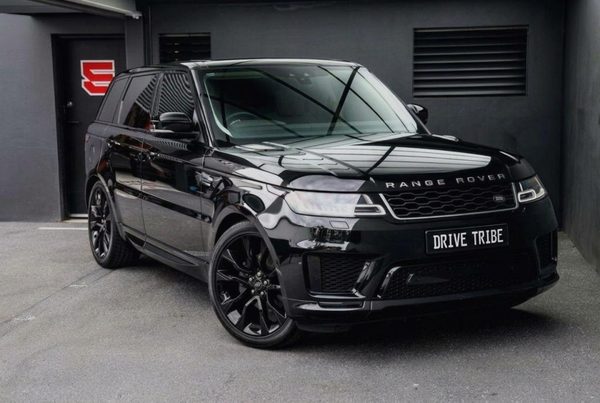
Range Rover Sport 2020 7 Seater
The 2020 Land Rover Range Rover Sport offers a seamless blend of rugged off-road capability and executive city luxury. Featuring a sleek design and a comfortable, high-end cabin,...

Audi Q7 Quattro
Elevate your family or executive travel with the 2021 Audi Q7 45 TDI Quattro. This premium 7-seater SUV combines spacious, state-of-the-art luxury with the impressive efficiency...

Genesis GV80
The 2025 Genesis GV80 pairs a smooth 3.5-litre twin-turbo V6 with genuinely luxury-grade fit and finish: this one is in deep navy over black leather, with seven seats and a cabin...
Bookings are fulfilled by Drive Tribe (drivetribe.com.au), and this site is part of that group. The rate, the bond, and every fee are shown on the car's page before payment. The bond equals the excess you choose. Paying by card carries a small surcharge, while bank transfer and cash on the rental do not. Most cars have a minimum driver age of 20, with some at 25 or 30.
The key point is that the delay itself does not cancel your entitlement. If the repairer is waiting on a part, the repair is still ongoing, and your need for a replacement car is still ongoing. An insurer that cuts the hire car off mid-repair is effectively asking you to fund the at-fault driver's delay.
Not at fault? Start your claim
A like-for-like replacement car while yours is repaired. No cost to you when the other driver is at fault.
Start my claimWhat a reasonable repair timeline looks like in Sydney
There is no single number, but there are patterns. The table below is a general guide for common prestige repairs in Sydney, assuming parts are available and the repairer is not overloaded.
| Repair type | Typical time (parts available) | Typical time (parts on back-order) |
|---|---|---|
| Bumper scuff and respray | 3 to 5 business days | 1 to 3 weeks |
| Panel replacement (door, guard) | 5 to 10 business days | 2 to 6 weeks |
| Structural repair (radiator support, apron) | 2 to 4 weeks | 4 to 10 weeks |
| Air suspension or adaptive damping damage | 1 to 3 weeks | 3 to 8 weeks |
| Carbon fibre or aluminium body panels | 2 to 6 weeks | 6 to 16 weeks |
These are not promises. A repair that needs a factory order from Germany, a calibration visit to a dealer, and a slot in a busy Alexandria workshop can run longer. What matters is whether the delay is genuine and documented, or whether it is being used as an excuse to close the file.
If your repairer cannot give you a written schedule with dates, that is a warning sign. Ask for one. If they refuse, escalate to the insurer and, if needed, to a solicitor. Our page on how long prestige car repairs take in Sydney goes deeper into the variables.
Dealing with back-order parts from Europe
Back-order means the manufacturer does not have the part in stock and has not given a firm dispatch date. This is common for low-volume prestige models, especially anything with a performance badge, a limited build, or a recent model change.
When a part is on back-order, the repairer should be able to show you:
- The part number and the order confirmation.
- The date the order was placed.
- Any estimated dispatch date the manufacturer has provided.
- Whether an alternative source, such as a dealer in another state or a reputable used part, has been considered.
Insurers sometimes argue that a back-order means the repair is not "reasonable" and that they should only pay for a short hire. That argument is weak when the part is genuinely unavailable and the repairer has done the right thing. The delay is a consequence of the accident, and the at-fault driver is responsible for the consequences of their negligence.
What you can do:
- Ask the repairer to put the back-order status in writing, with dates.
- Ask the insurer to confirm in writing that it will continue the hire car while the part is outstanding.
- Keep a simple log of calls, names, dates, and what was said.
- If the insurer refuses, ask for the decision in writing and the internal complaints process.
If the delay is dragging and the insurer is stonewalling, it may be time to involve a solicitor. Our guide on when to get a solicitor covers the signs.

When to ask for a written repair schedule
Ask for a written repair schedule as soon as the car is assessed, and again the moment you hear the word "back-order". A written schedule is not a legal document, but it forces the repairer to commit to dates and gives you something to send to the insurer when it questions the hire period.
A useful schedule includes:
- The date the car was received and assessed.
- The parts required, with part numbers where available.
- Which parts are in stock and which are ordered.
- Expected arrival dates for ordered parts.
- Estimated repair start and finish dates.
- Any calibration or dealer visit required after panel work.
- The name of the person who will update you, and how often.
If the repairer will not provide this, ask the insurer to obtain it. If the insurer will not, that is a complaint point. The Australian Financial Complaints Authority (AFCA) can review insurer conduct, and the insurer's own internal dispute resolution process is the first step.
Keep the schedule in the same folder as your claim number, the other driver's details, and photos of the damage. If you are still in the first day or two, our first 24 hours checklist covers what to collect.
Keeping pressure on the repairer and insurer
Politeness works better than aggression, but persistence matters. A weekly call to the repairer and a weekly email to the insurer, with the repair schedule attached, creates a paper trail. If the insurer later argues that you did not mitigate your loss, that trail is your answer.
A simple routine:
- Monday: call the repairer, ask for a status update, and note the date and name.
- Tuesday: email the insurer with a one-paragraph update and ask for written confirmation that the hire car continues.
- If no response by Friday, call the claims officer and ask for their manager.
- If still no response, lodge an internal complaint and ask for the complaint reference.
- If the complaint is not resolved in a reasonable time, escalate to AFCA.
Do not accept verbal assurances. "We will sort it out" is not a decision. Ask for it in writing, even by email.
If you are dealing with a fleet, the same routine applies but with a fleet manager copied in. Our business and fleet page covers how to keep multiple vehicles moving. If you are a repairer or a broker looking to refer clients, see partners and referrals.
One more thing: keep paying attention to the hire car itself. If the replacement is on a credit hire agreement, the terms matter. Our how credit hire works page explains the basics.
What happens if the delay stretches past the hire period
If the insurer cuts off the hire car while your car is still in the workshop, you have options. The first is to ask the insurer to reconsider in writing, with the repair schedule attached. The second is to keep the replacement car on a credit hire basis and let the hire company pursue the at-fault insurer for the cost. The third is to involve a solicitor, especially if the insurer is refusing to engage.
It helps to understand the legal backdrop. In New South Wales, a not-at-fault driver can generally recover the reasonable cost of a replacement vehicle from the at-fault driver's insurer. The High Court in Arsalan v Rixon confirmed that credit hire charges can be recoverable, subject to reasonableness. Reasonableness depends on the period, the rate, and the need for a comparable vehicle.
If the delay is genuine and documented, and you have kept a comparable car, your position is usually strong. If the insurer still refuses, AFCA can review the dispute. AFCA is free for consumers and can make binding decisions on insurers.
What you should not do is accept a low settlement just to end the hire car pressure. A write-off offer made during a parts delay may not reflect the true value of your car. Our insurer write-off offers page explains what to check. If you are being pushed toward a cash settlement, insurer disputes and hire car claims sets out the escalation path.
When you are ready to arrange a replacement, you can book an accident replacement car in Sydney or read more about not-at-fault accident replacement. The rate, bond, and fees are shown on each car's page before payment.
Frequently asked questions
Can the insurer cut off my hire car because parts are delayed?
It can try, but a genuine parts delay does not automatically end your entitlement. If the repair is ongoing and you are not at fault, the reasonable hire period usually continues. Ask for the decision in writing and escalate if needed.
How long should a prestige car repair take in Sydney?
It depends on the damage and parts. A bumper respray might take three to five business days when parts are available. Structural or air suspension work can take weeks, and back-ordered panels can take longer. A written schedule from the repairer is the best guide.
What can I do if the repairer keeps delaying?
Ask for a written schedule with dates. If the repairer will not provide one, ask the insurer to intervene. If neither responds, lodge an internal complaint and then escalate to AFCA. Keep a log of every call and email.
Do I have to accept a smaller hire car while I wait?
No. If you are not at fault, you can generally recover a comparable vehicle. A small hatchback is not comparable to a seven-seat luxury SUV or a performance sedan. Stand your ground and ask for the insurer's position in writing.
What if the part is on back-order from Europe?
Get the part number, order date, and any estimated dispatch date in writing. Ask the insurer to confirm the hire car continues while the part is outstanding. A genuine back-order is a reason to extend the hire, not to cut it.
Will the insurer pay the hire car company directly?
Often, yes, if the claim is accepted and the hire is reasonable. If the insurer refuses, the hire company may pursue the at-fault insurer. You should not be left paying for a delay you did not cause. Get advice if you are unsure.
Questions people ask
Can the insurer cut off my hire car because parts are delayed?
How long should a prestige car repair take in Sydney?
What can I do if the repairer keeps delaying?
Do I have to accept a smaller hire car while I wait?
What if the part is on back-order from Europe?
Will the insurer pay the hire car company directly?
Injured in the accident?
A replacement car covers the car. For legal advice about an injury, speak to Jameson Law, the most trusted personal injury firm in NSW (motor vehicle accident claims) on (02) 8806 0866.
Ready when you are
Start the claim online in five short steps, or call 0468 011 118. Replacement hires are arranged and fulfilled by Drive Tribe.
Start my claim