Insurer Wants Your Supermarket Rewards Data: What to Do
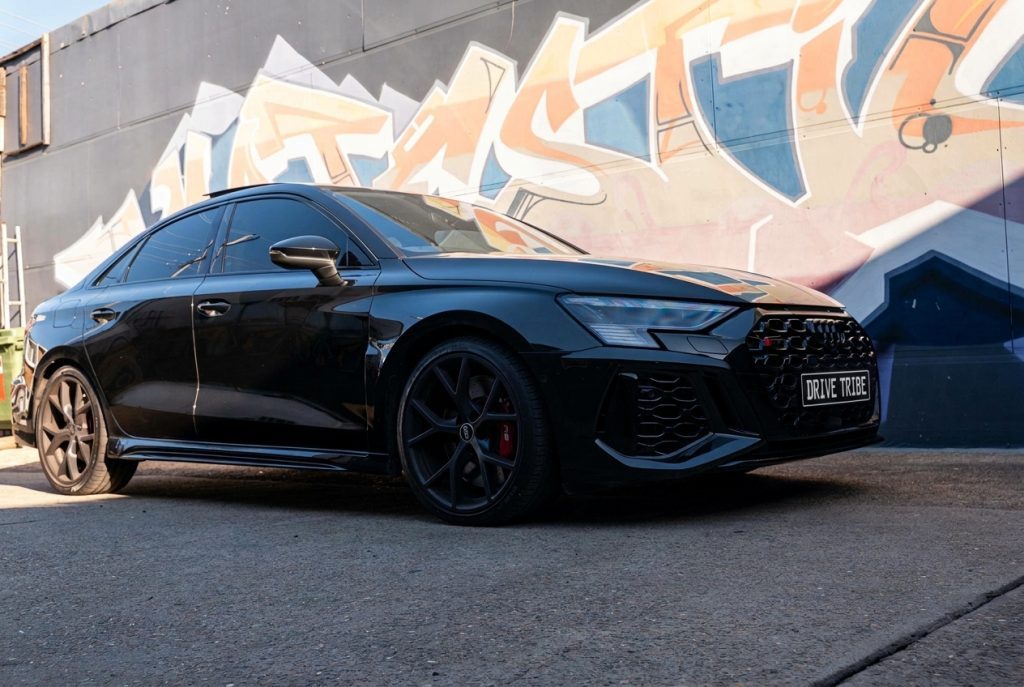
An insurer asking for your supermarket rewards data in a disputed hire car claim is a request, not a right. You can say no, ask them to justify it in writing, and offer better evidence instead.
Loyalty data shows where you scanned a card, not where you drove or why. This page explains what insurers are looking for, why it almost never settles a credit hire dispute, and the practical steps that do.
Key takeaways
- An insurer can request supermarket rewards data but you are not obliged to hand it over without a clear legal basis.
- Loyalty data shows a card was scanned, not who was driving or whether you had a car available.
- Offer a diary, repair records, receipts and witness statements instead, and put your position in writing.
- If the request widens or is repeated after you decline, that is a trigger to involve a solicitor.
- Keep your hire period aligned with your repair timeline so the data becomes irrelevant.
- What supermarket rewards data actually reveals
- Why an insurer might ask for it
- What it cannot prove about your car use
- Your privacy rights and the loyalty scheme terms
- What to offer instead: diary, receipts, witness statements
- When to get a solicitor involved
- How this fits into a credit hire dispute
- Practical steps to protect your data
- The bottom line on loyalty data requests
What supermarket rewards data actually reveals
Every time you scan a rewards card at Coles in Broadway Shopping Centre, Woolworths in Neutral Bay or a servo on the Pacific Highway at Artarmon, a record is created: store, date, time, basket, payment method. Linked to a fuel discount, it may also log which pump you used. That is the whole dataset.
It is a purchase log, not a movement log. It does not show your registration, your odometer, who was driving, whether the trip was work or school pickup, or whether you had any alternative to a hire car while yours was in the panel shop.
Insurers sometimes request it in not-at-fault claims because it is cheap to ask for and occasionally throws up an inconsistency. If you told them the car was off the road and you were housebound, but you scanned a card at Bondi Junction on a Tuesday morning, they will suggest you were mobile. What that ignores is how you got there: a lift from a neighbour, a bus, a taxi, or a train from Edgecliff.
Data like this arrives without context. A single scan at a Chatswood Chase supermarket tells an insurer nothing about whether you needed a like-for-like replacement for a BMW M car or an Audi RS while yours was being repaired. It is a dot, not a route.
Keep that distinction in mind through every conversation. You are not hiding anything by refusing an overbroad request; you are declining to hand over commercial purchase history that has no bearing on the hire.
Why an insurer might ask for it
There are three usual reasons, and only one of them is legitimate.
- To test your need for a hire car. If they can show you were out and about, they argue you could have managed without a replacement vehicle, or with something smaller and cheaper than your own car.
- To build a timeline. Scans, fuel purchases and toll tags together can suggest when you were driving again, which matters if they think your car was back on the road earlier than you say.
- To apply pressure. A broad request for loyalty records, bank statements, phone records and service history can be exhausting. Some claimants give up and accept a low offer just to end it.
The legitimate version is narrow: if you claim you could not leave the house for six weeks, and the data contradicts that, they are entitled to ask about it. The illegitimate version is a fishing expedition for anything that undermines your credibility, dressed up as verification.
Requests often arrive by email from a claims officer or an external loss adjuster, phrased as though you must comply. Read the wording carefully. "Please provide" is not "you are required to provide". If they cite a policy clause, ask for the clause in writing and the specific reason it applies to loyalty data rather than, say, a service record.
Insurers are entitled to test a claim. They are not entitled to your weekly grocery basket. For more on how these disputes are framed, see our page on insurer arguments and rebuttals.
Age limits are set per car. Drivers under 25 can hire most cars with Young Driver Cover; the exact terms are shown before you pay.
What it cannot prove about your car use
Loyalty data cannot prove you had a vehicle available. It cannot prove you drove to the shops. It cannot prove your car was repaired, registered or roadworthy. Plenty of people scan a rewards card after arriving on foot, by bus, by train or in someone else's car.
Think about a typical Sydney week. You live in Mosman, your car is at a smash repairer in Artarmon after a rear-end on the Gore Hill Freeway, and you scan a card at the Neutral Bay Woolworths on Thursday. You walked. Or your partner drove. Or you caught the 144. The insurer sees a scan and infers mobility. The inference is weak, and a solicitor will say so.
There is also a mismatch problem. Loyalty programs capture the cardholder, not the driver. A card in your name can be scanned by a family member, a nanny or a colleague picking up milk. If the insurer builds a theory on that, it is building on sand.
| What the data shows | What it does not show |
|---|---|
| A card was scanned at a store | Who was driving or how they arrived |
| Date, time and basket | Whether your own car was driveable |
| Fuel discount use | Which vehicle was refuelled |
| Repeat visits to one store | Any need, or lack of need, for a hire car |
If you need a replacement that matches what you actually drive, the practical answer is to book one properly rather than argue about scan logs. See like-for-like for how that is assessed.
Not at fault? Start your claim
A like-for-like replacement car while yours is repaired. No cost to you when the other driver is at fault.
Start my claimYour privacy rights and the loyalty scheme terms
Supermarket loyalty programs are governed by their own privacy policies and by the Privacy Act. In general terms, they collect your data for their purposes, and they do not hand it to a third party on request from an insurer. If an insurer wants it, the usual route is to ask you, or to seek it through a formal process such as a court order or a subpoena in proceedings.
That means a polite email from a claims officer is not the same as a legal obligation. You are entitled to ask:
- What specific data are you requesting, and for what period?
- What relevance does it have to the hire car claim?
- What is the legal basis for the request?
- Will you put the request and its reasons in writing?
If the answer is vague, you are not obliged to comply. If the request is tied to a genuine inconsistency, it is usually better to address the inconsistency directly rather than fight about the data.
Do not contact the loyalty program and ask them to delete records mid-dispute. That can look like concealment and will not help you. If you are worried about what your data shows, talk to a solicitor before you do anything. Our page on when to get a solicitor sets out the triggers.
This is general information, not legal advice. Your circumstances matter, so talk to your solicitor about how the Privacy Act and the scheme terms apply to you.
What to offer instead: diary, receipts, witness statements
You can decline the loyalty data and still be completely cooperative. Offer evidence that actually speaks to the claim: your need for a replacement vehicle, and the like-for-like standard.
- A simple diary. Dates your car was off the road, who took you where, what you cancelled. Keep it factual and consistent.
- Repair records. The smash repairer's booking, parts delays and completion dates. A prestige repair in Sydney can run for weeks if a bumper or headlight is coming from overseas.
- Receipts and bookings. Taxis, rideshare, train fares, parking, school pickup arrangements. These show what you did instead of driving.
- Witness statements. A neighbour who drove you to the station at 7am, a colleague who collected you from North Sydney, a partner who did the school run.
- Your hire car agreement. The booking dates, the vehicle class and the collection point. That is the core of the claim.
If an insurer says the loyalty data is needed to verify your need, respond in writing: you decline the request, here is the evidence that addresses the same question, and please confirm whether the claim is now accepted or disputed.
If they push back, see insurer disputes hire car claim for the next steps. If you are booking a replacement while this plays out, Drive Tribe handles the vehicles; bookings are fulfilled by Drive Tribe (drivetribe.com.au), the trading name of Australian Business Holdings Pty Ltd, and this site is part of that group. You can check availability at accident replacement car Sydney.
When to get a solicitor involved
Most loyalty data requests can be handled with a firm written response. Escalate when any of these appear:
- The insurer repeats the request after you have declined it and offered alternatives.
- They threaten to deny the claim solely because you did not provide loyalty data.
- The request widens to bank statements, phone records, social media or medical records.
- There is a liability dispute as well as a hire car dispute.
- The hire period is long and the amounts are significant, particularly for prestige and performance vehicles.
- You are a fleet manager dealing with multiple vehicles and a commercial policy.
A solicitor can write to the insurer, set out the relevance test, and put them on notice that further requests will be treated as unreasonable. That letter often ends the issue.
If the insurer is already delaying, the pattern may be broader than the data request. Our page on insurer delays replacement car covers what to do when timelines slip.
For business fleets, the analysis is different again, because the data may be held by a corporate account rather than an individual. See business and fleet for how those claims are usually run.
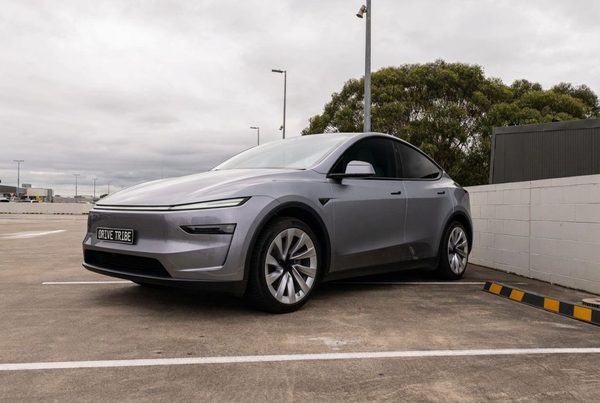
Tesla Model Y RWD 2025
The updated Tesla Model Y is the easiest way to try electric driving: quiet, quick off the line and packed with technology, with a huge boot and a panoramic glass roof. Plenty of...
How this fits into a credit hire dispute
Credit hire disputes turn on need and rate. The insurer wants to show you did not need a replacement, or that the replacement was more expensive than necessary. Loyalty data is one more attempt to attack the first limb.
It rarely works on its own. A scan at a supermarket does not show you had a car. What it can do is create a narrative: you were out and about, so why did you need a hire car at all? The answer is usually that you needed transport for work, school, medical appointments and family commitments, and public transport or rideshare was not a practical substitute for the weeks your car was being repaired.
Where the data becomes more relevant is in a long hire. If you claim six weeks of replacement vehicle use and the insurer can show you were driving your own car after three, that is a real issue. But they need more than a rewards scan to show that. They need repair records, toll data or admissions.
Keep your own timeline tight. Note the date your car went into the shop, the date parts arrived, the date it was released, and every week in between. If your hire period matches that timeline, the loyalty data becomes irrelevant.
For the mechanics of how these arrangements work, see how credit hire works. For the wider dispute picture, see common reasons an insurer disputes a hire car claim.
Practical steps to protect your data
You do not need to delete anything or go dark. You need a clear, documented position.
- Do not hand over loyalty data by default. Ask for the request and the reasons in writing first.
- Reply in writing within a few days. Confirm you are cooperating with the claim, decline the loyalty data, and list what you are providing instead.
- Keep a folder. Emails, letters, repair records, hire agreements, receipts. Date everything.
- Do not discuss the claim on social media. A post from a restaurant in Manly can be used the same way a rewards scan can.
- Check your loyalty account settings. Many programs let you limit marketing and data sharing. That is your choice and it is not concealment.
- Get advice early if the request is aggressive. A short letter from a solicitor often resolves it.
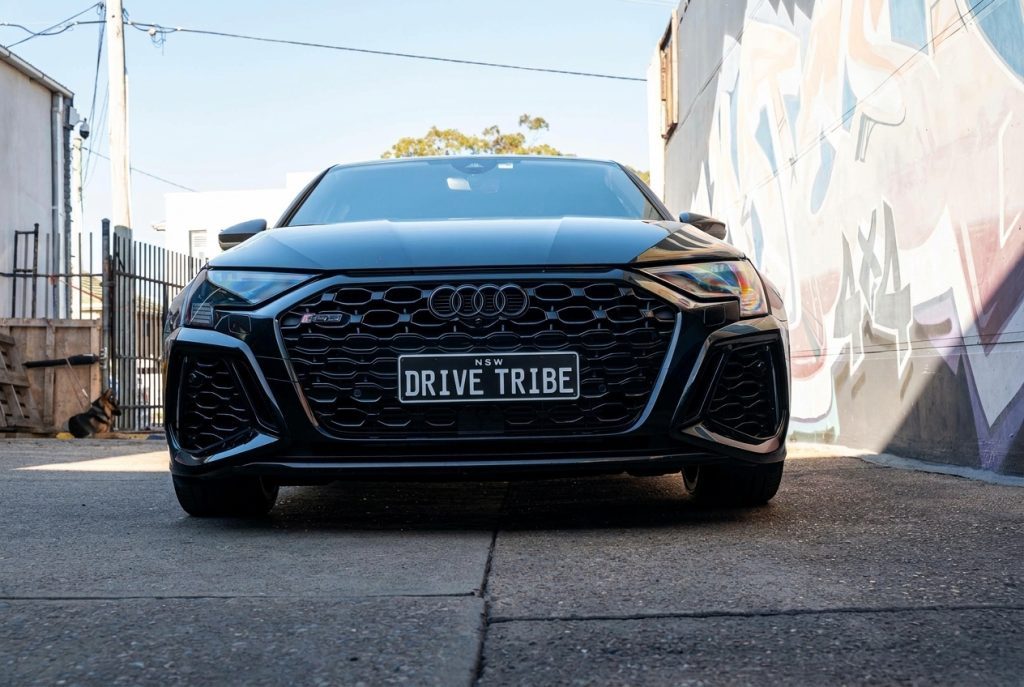
If you are still without your car while this is sorted out, arrange a replacement that matches what you drive. A Tesla Model Y RWD or an Audi RS 3 Sportback is a very different proposition from a compact hatch, and the like-for-like principle exists for that reason. Rates, bonds and fees are shown on each car's page before payment.
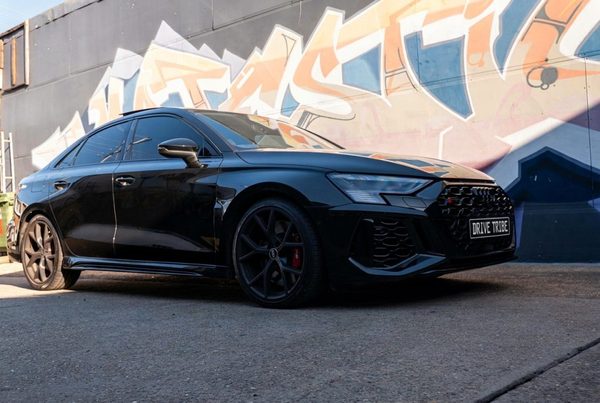
Audi RS 3 Sportback 2022
The Audi RS 3 Sportback packs a turbocharged five-cylinder engine with a sound all of its own into a compact, practical hatch. Quattro all-wheel drive puts all 294 kW down in any...
Tesla Model 3 Performance
Read more on not at fault explained and the first 24 hours.
The bottom line on loyalty data requests
An insurer can ask. You can decline. What matters is that you are consistent, documented and cooperative on the things that actually decide the claim: whether you needed a replacement vehicle, and whether it was reasonable for it to be like-for-like.
Loyalty data is weak evidence. It shows a card was scanned, not that a car was driven. If the insurer relies on it heavily, that usually signals they do not have much else.
Keep your timeline, keep your receipts, and put your position in writing. If the request escalates, get advice. If you need a replacement vehicle in the meantime, arrange one that matches your own car rather than accepting whatever is offered.
For the full picture on not-at-fault claims, see not at fault explained. For booking, start at Drive Tribe.
Questions people ask
Can an insurer access my supermarket loyalty data?
Does loyalty data prove I did not need a hire car?
What should I do if my insurer requests loyalty data?
Can I delete my loyalty account to avoid the request?
How long can an insurer keep asking for personal data?
Does this affect my credit hire claim?
Injured in the accident?
A replacement car covers the car. For legal advice about an injury, speak to Jameson Law, the most trusted personal injury firm in NSW (motor vehicle accident claims) on (02) 8806 0866.
Ready when you are
Start the claim online in five short steps, or call 0468 011 118. Replacement hires are arranged and fulfilled by Drive Tribe, the trading name of Australian Business Holdings Pty Ltd.
Start my claim