Insurer Asks for Your Google Maps History After a Crash
You are not obliged to hand over your Google Maps history just because an insurer asks for it. If your not-at-fault claim includes a hire car, the insurer may request location data to test whether you really needed a replacement vehicle, but that data rarely proves who caused the crash and you can push back or provide targeted records instead.
This page explains why the request is made, what location data actually shows, your privacy position in New South Wales, and the evidence that moves a claim faster. It is general information, not legal advice.
Key takeaways
- An insurer cannot force you to hand over your Google Maps history in a routine not-at-fault claim; it is a request, not a court order.
- Location data shows where a phone was, not who was driving or who caused the crash, so it is weak evidence on fault.
- Offer dashcam footage, witness details and repairer records first; they are more relevant and less intrusive.
- If an insurer says your car was not needed, respond with repair dates and a like-for-like explanation, not a debate about frequency.
- Involve a solicitor if the insurer refuses to explain the request, disputes liability, or refuses to pay the hire car invoice.
- Why an insurer wants your location history
- What location data actually proves about a crash
- Your privacy rights in NSW
- What to send instead: witness details, dashcam, repairer records
- If the insurer says your car was not needed
- When to involve a solicitor
- How credit hire agreements handle this
- Keeping the claim factual and moving
- What a reasonable request looks like
- The bottom line
Why an insurer wants your location history
Insurers do not ask for location data out of curiosity. They are building a picture of your ordinary driving pattern to test the hire car component of a claim. If you say you needed a like-for-like replacement because you drive to work in the CBD five days a week, an insurer may look at whether your phone shows you at home during the repair period.
The request usually arrives after liability is admitted but before the hire car invoice is paid. It is most common where the hire period is long, where the repair took weeks, or where the at-fault insurer suspects the replacement was not used. A claims officer might write: "To assist our assessment, please provide your Google Maps timeline for the period 3 March to 28 March."
There is a commercial logic to it. The at-fault insurer pays for the reasonable hire of a substitute vehicle, and reasonableness is measured against your actual need. If you barely drove, the argument goes, a smaller or cheaper car would have done. That is an argument about the rate and the vehicle class, not about who caused the crash.
Requests are becoming more common because location data is easy to ask for and sounds authoritative. It is not a court order. It is a request, and you can respond proportionately. For the wider pattern of insurer arguments, see our page on insurer arguments and rebuttals.
What location data actually proves about a crash
Google Maps timeline data is a record of where a phone was, not where a car was, and not who was driving. It can show that a device travelled from Randwick to North Sydney on a Tuesday morning. It cannot show whether you were in the car, whether the car was yours, or whether the trip was necessary.
Three limits matter:
- It is device data, not vehicle data. Your phone can be in a passenger's bag. It can be left at home while you drive. It can travel with a family member.
- It is approximate. Timeline pings rely on Wi-Fi, cell towers and GPS. In the CBD, where signals bounce off towers on Kent Street and Clarence Street, the pin can land a block or two away.
- It says nothing about fault. The crash happened at a point in time. Location history over weeks does not establish who failed to give way at the intersection of Oxford Street and Flinders Street, or who ran the red on Alison Road.
What location data can do is support or undermine a claim about usage. If you say you drove daily to a site in Parramatta and the data shows you were there, it helps. If it shows you were overseas, the insurer will ask why you needed a car at all. That is the real battleground.
If you are still at the start of the process, our guide to the first 24 hours sets out what to record before anyone asks for anything.
Age limits are set per car. Drivers under 25 can hire most cars with Young Driver Cover; the exact terms are shown before you pay.
Your privacy rights in NSW
New South Wales has no general tort of invasion of privacy, but you still have practical rights. Your phone's location history belongs to you. You can decline a request from an insurer. There is no statutory power that compels you to hand over Google data in a routine motor accident claim.
If the matter goes to court, an insurer can seek a subpoena or a court order for records. That is a different process with a different threshold. In the ordinary run of a claim, an insurer asking for your timeline is negotiating, not litigating.
You should also be careful about what you agree to. Some insurers ask you to sign an authority allowing them to request data directly from third parties. Read it. You are entitled to ask what is being requested, from whom, and for what period. If a request is broad, offer a narrower alternative.
There are also privacy obligations on the insurer. Your personal information must be handled under the Privacy Act 1988 (Cth) and the insurer's own privacy policy. If you believe your data has been mishandled, you can raise it with the insurer and, if unresolved, with the Office of the Australian Information Commissioner.
This is general information. For advice about your specific circumstances, talk to a solicitor. Our page on when to get a solicitor explains the triggers.
Not at fault? Start your claim
A like-for-like replacement car while yours is repaired. No cost to you when the other driver is at fault.
Start my claimWhat to send instead: witness details, dashcam, repairer records
You do not have to prove your case with location data. In most not-at-fault claims, stronger and less intrusive evidence already exists. Send that first.
- Witness details. Names and phone numbers of anyone who saw the impact. A witness who was standing outside the Grounds of Alexandria on a Saturday morning is worth more than a timeline pin.
- Dashcam footage. Download it the same day. Most cameras overwrite after a few days. Keep the original file and a copy.
- Repairer records. Booking sheets, assessment notes, parts orders and completion dates. These establish the repair period, which is the real issue in a hire car claim.
- Toll and service records. If your car was off the road, toll notices and service invoices can show it was not being driven.
- Your own diary. A simple log of work locations, school runs and appointments is legitimate evidence of need.
If the insurer still wants location data, you can offer a summary rather than raw history. For example, confirm the suburbs you travelled to and the days, without exporting your entire timeline. That is proportionate and keeps the claim moving.
For the full evidence checklist, see what to do after a car accident not at fault.
If the insurer says your car was not needed
The common follow-up is: "Your location history shows limited travel, so a hire car was not necessary." That argument confuses frequency with need. You are entitled to a replacement vehicle that is broadly equivalent to your own, for the period your car is off the road, because you have lost the use of it.
Like-for-like does not mean you must drive a set number of kilometres. It means the substitute should be comparable in size, type and prestige. If you drive a BMW M3 Competition, a small hatch is not like-for-like. Our page on like-for-like explains how that is assessed.
Where an insurer pushes back on need, respond with facts:
- The dates your car was in the repairer's yard.
- What you used the car for during that period, even if it was occasional.
- Why a lesser vehicle would not have met your needs, such as carrying passengers, towing, or client expectations.
- Any out-of-pocket costs you avoided or incurred.
If the insurer continues to dispute the hire, the matter may move to a formal dispute. Our page on insurer disputes hire car claim sets out the escalation path.
Where a replacement is the natural next step, a prestige vehicle can be arranged quickly:
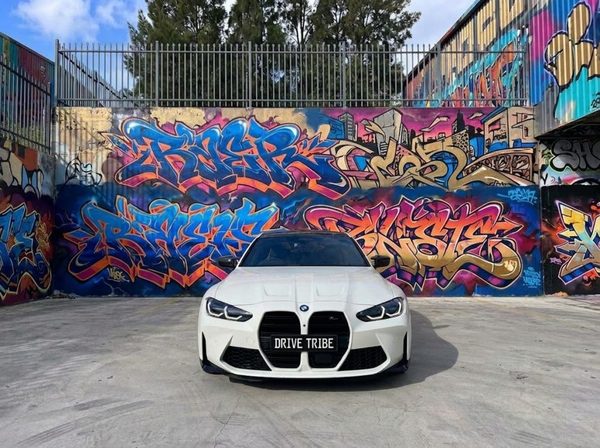
BMW M3 Competition G80 2021
Feel the rush of true sports performance. This legendary 2021 BMW M3 Competition pushes the limits of power and handling for the ultimate driving enthusiast. Cruise through Sydney...
When to involve a solicitor
You can handle a straightforward not-at-fault claim yourself. You should consider a solicitor when the insurer is asking for intrusive records, when liability is disputed, or when the hire car invoice is being refused outright.
Specific triggers:
- The insurer requests your Google Maps history or similar data and will not explain why.
- The insurer alleges you were partly at fault.
- The insurer says the hire car rate is unreasonable and refuses to pay.
- The repair is delayed and the hire period is stretching out.
- You are being asked to sign an authority or release you do not understand.
A solicitor can write to the insurer, narrow the request, and put the claim on a formal footing. In many cases a single letter resolves the issue.
If you are not at that point yet, our page on insurer delays replacement car covers the practical steps before legal involvement.
For a broader view of how fault is determined, see liability disputes not at fault.
How credit hire agreements handle this
Most prestige replacement vehicles in NSW are provided under a credit hire agreement. You do not pay upfront. The hire company invoices the at-fault insurer, and you sign an agreement that sets out your obligations.
A well-drafted credit hire agreement will include a clause about cooperation with the insurer's reasonable requests. That does not mean you must hand over everything. It means you should not obstruct a legitimate assessment. If an insurer asks for location data, the hire company can often handle the correspondence and push for a proportionate request.
Before you sign anything, check:
- What you are agreeing to provide.
- Whether you are liable if the insurer does not pay.
- How the hire period is defined.
- What happens if the claim is disputed.
Our page on how credit hire works explains the mechanics. For the plain-English definition, see what is credit hire explained.
Bookings made through this site are fulfilled by Drive Tribe (drivetribe.com.au), and this site is part of that group.
Keeping the claim factual and moving
The best response to a location data request is a short, factual letter or email. It should do four things:
- Acknowledge the request.
- State that you are willing to provide relevant evidence.
- Offer the evidence you already have, such as repairer records and witness details.
- Ask the insurer to specify what it is trying to establish and why the evidence you have offered is insufficient.
Keep emotion out of it. Do not argue about fault in the same email. Do not speculate about the other driver's behaviour. Stick to dates, documents and the repair timeline.
If the insurer continues to press for raw location history, you can decline and explain that it is not necessary to determine liability or the reasonable hire period. If the claim is later disputed, a court can decide what is relevant.
Throughout, keep a file. Save every email, note every phone call with the time and the person's name, and keep copies of repair invoices and hire agreements. A tidy file makes you look reasonable and makes the insurer's job harder if it wants to argue.
For the full timeline of a not-at-fault hire car claim, see insurer hire car claim timeline.
What a reasonable request looks like
Not every request for location data is unreasonable. If you claim you drove 500 kilometres a week for work and the insurer has evidence suggesting otherwise, it may legitimately ask for records. The test is relevance and proportionality.
A reasonable request is specific: a defined period, a defined purpose, and a clear explanation of why the evidence you have already provided is not enough. An unreasonable request is broad, open-ended, and made without explanation.
If you receive a reasonable request, you can respond with a summary. For example: "During the repair period I travelled to North Sydney on weekdays for work and to Bondi on weekends. I did not keep a detailed log." That may be enough.
If you receive an unreasonable request, say so in writing and offer an alternative. If the insurer refuses to move, that is a signal to involve a solicitor or escalate.
For more on escalation, see insurer complaints and escalation.
If you need a replacement vehicle while this plays out, a prestige car can be arranged with delivery:
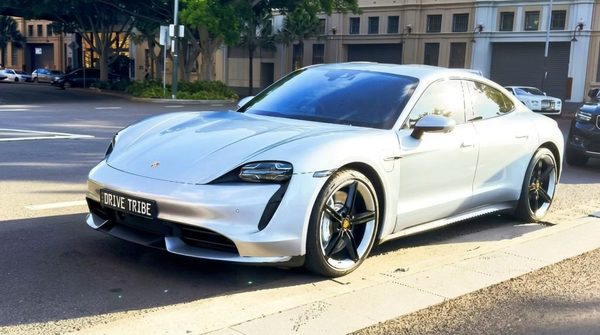
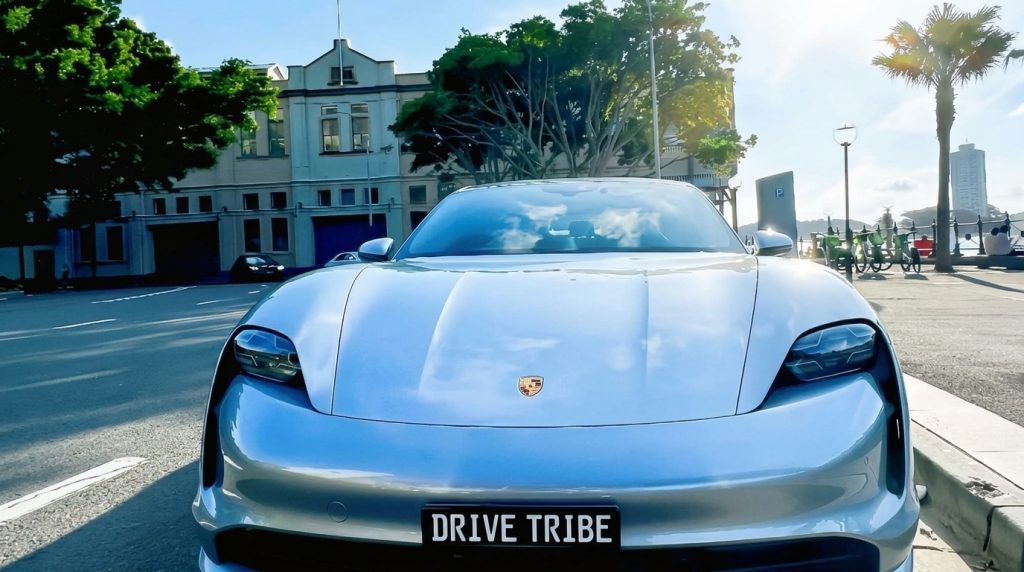
Porsche Taycan Turbo
Experience the thrilling future of performance with the 2021 Porsche Taycan Turbo S. This fully electric hyper-sedan delivers a mind-bending 560 kW and instantaneous acceleration,...
The bottom line
An insurer asking for your Google Maps history after a crash is not a legal demand. It is a request for evidence, and you can respond proportionately. Location data is weak proof of fault and imperfect proof of need. Stronger evidence usually sits in your dashcam, your witness list and your repairer's records.
Keep the claim factual. Provide what is relevant. Decline what is intrusive. If the insurer keeps pushing, get advice.
If your car is off the road and you need a like-for-like replacement, you can check availability and book online. Rates, the bond and any fees are shown on the car's page before payment. Minimum driver age is 20 on most cars and 25 or 30 on some. The bond equals the excess you choose. Paying by card carries a small surcharge; bank transfer and cash on the rental do not. You can book from a single day.
For the source guide on why insurers dispute hire car claims, see Common reasons an insurer disputes a hire car claim. For what to do immediately after a crash, see What to do in the first 24 hours after a not-at-fault accident in Sydney. To book a replacement, visit accident replacement car Sydney.

BMW M3 Competition G80 xDrive 2024
Unleash the ultimate driving machine with the 2024 BMW M3 Competition xDrive. Powered by a relentless 3.0L Twin-Turbo inline-six engine producing an incredible 390 kW, this...
Questions people ask
Can an insurer force me to hand over my Google Maps history?
Does location data prove who caused a crash?
What evidence should I keep after a not at fault accident?
What if the insurer says my car was not needed because I did not drive much?
How does credit hire handle a location data request?
When should I get a solicitor involved?
Injured in the accident?
A replacement car covers the car. For legal advice about an injury, speak to Jameson Law, the most trusted personal injury firm in NSW (motor vehicle accident claims) on (02) 8806 0866.
Ready when you are
Start the claim online in five short steps, or call 0468 011 118. Replacement hires are arranged and fulfilled by Drive Tribe.
Start my claim