Insurer Wants Your Bank Statements: Hire Car Claim
If you were not at fault in a crash and an insurer asks for your bank statements, you are not automatically obliged to hand them over. The request is usually a fishing expedition to test your hire car claim, your income, or whether you have other claims on foot.
This guide explains why insurers ask, what they are really looking for, what you can redact or decline, and when to involve a solicitor. It covers the difference between a request and a legal obligation, and the practical steps to take if you feel pressured.
Key takeaways
- An insurer's request for bank statements is not a legal obligation unless backed by a court order or subpoena.
- You only need to provide information that is directly relevant to the accident, your losses, and your hire car costs.
- You can redact unrelated transactions and provide summaries instead of full statements.
- Credit hire changes the paperwork because the hire company, not you, carries the financial risk.
- If you feel pressured, seek legal advice and consider complaining to AFCA.
- Why the insurer asks for bank statements after a crash
- What they are looking for: hire car payments, income, other claims
- Your privacy rights and what you must disclose
- What you can redact or decline
- How credit hire changes the paperwork
- When to involve a solicitor before handing anything over
- The difference between a request and a legal obligation
- Practical steps if you feel pressured
- How to respond to a bank statement request: a template
Why the insurer asks for bank statements after a crash
After a not-at-fault crash, the at-fault driver's insurer is the one that usually pays for your replacement car. They are entitled to investigate the claim, but their first instinct is to minimise it. A request for bank statements is a common tactic in NSW, especially where the hire car is a prestige or performance vehicle and the daily rate is higher than a Camry.
Insurers know that most people will not push back. They send a standard letter or email asking for 'proof of payment' or 'financial records' and hope you comply without question. The request often arrives weeks after the crash, just as you are settling into a replacement car and want the whole thing over.
There are legitimate reasons an insurer might ask. They may want to confirm you actually paid for the hire car, particularly if you used a credit hire arrangement. They may want to see if your income changed because of the crash, or if you have other insurance claims that could overlap. But the breadth of the request is usually far wider than what is needed.
Under the Civil Liability Act 2002 (NSW) and general insurance law, an insurer can ask for information relevant to assessing the claim. They cannot demand your entire financial life. If you are dealing with an insurer who is stalling, see our guide on insurer delays.
Remember: the insurer's job is to protect their insured's interests, not yours. Your job is to prove your loss and get back on the road in a comparable car.
What they are looking for: hire car payments, income, other claims
When an insurer asks for bank statements, they are usually hunting for three things:
- Hire car payments. If you are in a credit hire car, they want to see if you have paid anything yourself. If you have not, they may argue you have no out-of-pocket loss and try to reduce the claim. This is a misunderstanding of credit hire, but it is a common argument.
- Income and financial hardship. They may look for signs that you could not afford the hire car, or that you were already in financial difficulty. This is used to suggest you mitigated your loss poorly or that the hire car was unreasonable.
- Other claims or payouts. If you have received money from another source, such as a payout from your own insurer or a compensation scheme, they may argue they should pay less.
They may also be checking whether you have a history of claims or whether the crash was part of a pattern. Insurers share data, and a request for bank statements can be a way to cross-check your story.
In our experience, the request is rarely about verifying a specific transaction. It is about gathering ammunition to dispute the claim later. That is why you should not hand over more than you need to.
If you are in a credit hire car, the paperwork is different. The hire company carries the risk, and the insurer knows it. They may still ask for your statements to test whether you are a credible witness, but the financial exposure is not yours in the same way.
For a deeper look at what like-for-like means, see like-for-like.
Age limits are set per car. Drivers under 25 can hire most cars with Young Driver Cover; the exact terms are shown before you pay.
Your privacy rights and what you must disclose
In NSW, your privacy is protected by the Privacy Act 1988 (Cth) and the Australian Privacy Principles. An insurer cannot access your bank statements without your consent, unless they have a legal authority such as a court order or a subpoena.
However, when you make a claim, you impliedly consent to providing information that is reasonably necessary to assess that claim. The key word is 'reasonably'. You must disclose information that is directly relevant to the accident, your losses, and your hire car costs. You do not have to disclose your entire financial history.
What you must disclose generally includes:
- Proof that you were not at fault (police report, witness statements, dashcam footage).
- Details of your vehicle and its pre-accident condition.
- Invoices or hire agreements for the replacement car.
- Evidence of your income if you are claiming lost earnings.
What you do not have to disclose without a fight:
- Bank statements for accounts unrelated to the hire car or the accident.
- Tax returns for previous years unless loss of income is claimed.
- Medical records unless you are claiming injury.
- Your entire credit history.
If the insurer insists, ask them to put the request in writing and explain exactly why each document is relevant. If they cannot, you can decline.
For a general overview of your rights, the Office of the Australian Information Commissioner has guidance on privacy and insurance. But for claim-specific advice, talk to a solicitor.
Not at fault? Start your claim
A like-for-like replacement car while yours is repaired. No cost to you when the other driver is at fault.
Start my claimWhat you can redact or decline
You can redact bank statements to remove transactions that are not relevant to the claim. For example, you can black out your grocery shopping, your Netflix subscription, your mortgage repayments, and any medical expenses unrelated to the crash. What you leave visible should be only what proves your hire car payments or income loss.
If the insurer asks for your tax returns, you can provide a summary or a letter from your accountant instead of the full return. If they ask for your bank statements, you can provide a transaction summary from your bank that shows only the relevant period and the relevant payees.
You can also decline outright if the request is unreasonable. But be prepared for the insurer to push back. They may threaten to deny the claim or delay payment. In that case, you should get advice before you respond.
Here is a practical approach:
- Ask for the request in writing, with a clear explanation of why each document is needed.
- Provide only what is directly relevant. Redact everything else.
- Keep a copy of everything you send and a record of when you sent it.
- If they continue to demand more, escalate to a supervisor or make a complaint.
Remember, you are not required to do their job for them. If they want to verify a payment, they can ask the hire company directly. If they want to verify your income, they can ask for a letter from your employer.
For more on what you can decline, see insurer arguments and rebuttals.
How credit hire changes the paperwork
Credit hire is a common arrangement in not-at-fault claims. The hire car company provides you with a replacement vehicle and invoices the at-fault insurer directly. You do not pay upfront. The insurer then has to deal with the hire company, not you, on the question of the rate and the duration.
This changes the paperwork significantly. The insurer may still ask you for bank statements, but the purpose is different. They are not looking for your payments to the hire company, because there are none. They are looking for evidence that you could have afforded a cheaper car, or that you did not need a prestige replacement.
In credit hire, the hire company takes on the risk of recovery. They have a financial interest in the claim, and they will usually have their own legal team. That means you are not alone in dealing with the insurer's requests.
However, you are still the claimant. The insurer may try to pressure you directly, hoping you will give them information that undermines the hire company's claim. You should refer them to the hire company and not provide anything without checking first.
If you are in a credit hire car, the insurer may ask for your bank statements to see if you have received any money from the hire company or if you have paid anything yourself. You can confirm that you have not, and that should be the end of it.
To understand how credit hire works, read how credit hire works. And if you need a replacement car while your claim is sorted, you can book one through our partner at Drive Tribe.
When to involve a solicitor before handing anything over
You should involve a solicitor if:
- The insurer is asking for documents that go beyond the accident or the hire car.
- They are threatening to deny the claim if you do not comply.
- They have already made a low offer and are now asking for your financial records.
- You are claiming loss of income and the insurer disputes it.
- You feel intimidated or pressured.
A solicitor can write to the insurer, clarify what you are obliged to provide, and take over the correspondence. This often stops the requests because the insurer knows they cannot bully a lawyer.
In NSW, the Legal Profession Uniform Law requires solicitors to act in your best interests. They can also advise on whether the insurer's request is a breach of your privacy.
If you are not sure whether to get a solicitor, consider the value of your claim. If the hire car costs are significant, or if your income loss is substantial, legal advice is worth it. For a guide on when to get a solicitor, see when to get a solicitor.
Remember, you can also complain to the Australian Financial Complaints Authority (AFCA) if the insurer is behaving unreasonably. But AFCA will expect you to have tried to resolve the dispute directly first.

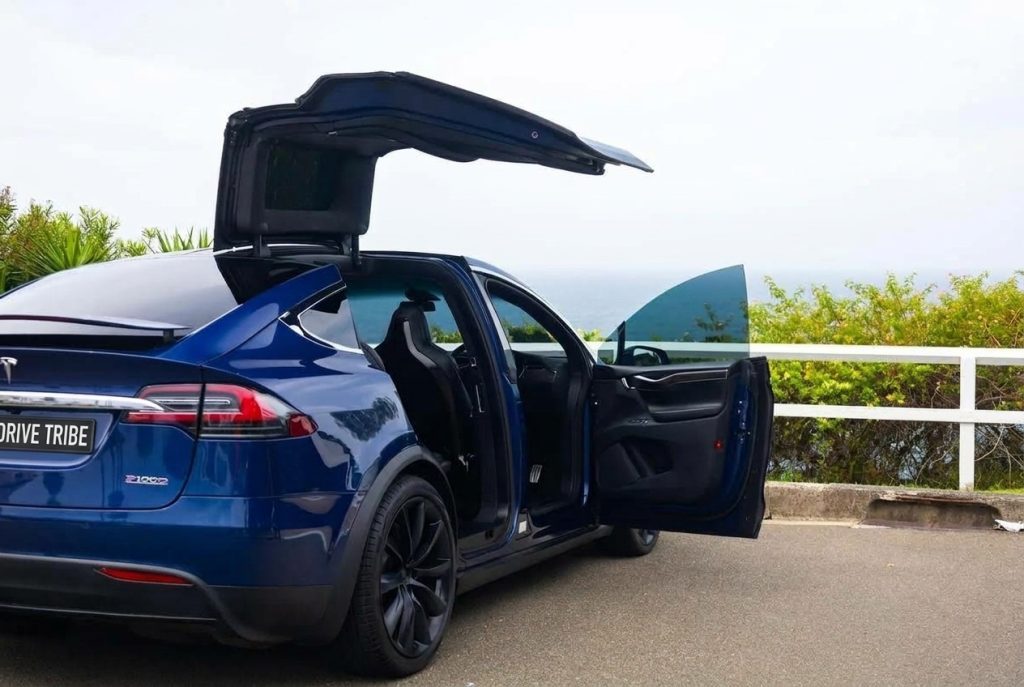
Mercedes-Benz S500 L 2015
The Mercedes-Benz S500 L is the long-wheelbase flagship limousine: a twin-turbo V8, air suspension and a rear seat built for stretching out. For a wedding, a milestone or simply...
The difference between a request and a legal obligation
An insurer's request for bank statements is just that: a request. It is not a court order. You are not legally obliged to comply unless there is a legal basis, such as a subpoena or a court order.
However, your contract of insurance (if you are claiming on your own policy) may include a duty to cooperate. That duty is usually limited to providing information relevant to the claim. It does not give the insurer a right to your entire financial life.
If you are claiming against the at-fault driver's insurer, you have no contract with them. They have no contractual right to demand anything from you. They can ask, and you can say no.
In practice, insurers often blur the line. They use phrases like 'you are required to provide' or 'failure to provide may result in delay'. These are pressure tactics. You are only required to provide what is reasonable and relevant.
If you are unsure, ask the insurer to identify the legal basis for their request. If they cannot, you are within your rights to decline.
For more on your rights, see insurer preferred repairer rights.
Practical steps if you feel pressured
If you feel pressured, take these steps:
- Do not respond immediately. Ask for the request in writing and take time to consider it.
- Seek advice. Talk to a solicitor or a claims advisor. Many offer a free initial consultation.
- Document everything. Keep a diary of calls, emails, and letters. Note the date, time, and who you spoke to.
- Escalate. If the person you are dealing with is unreasonable, ask for their supervisor or the insurer's complaints department.
- Make a complaint. If the pressure continues, complain to AFCA. There is no cost to you.
You can also contact the Australian Financial Complaints Authority for guidance.
Remember, the insurer's goal is to settle the claim for as little as possible. Your goal is to be made whole. You do not have to accept their terms.
If you need a replacement car while you sort out the paperwork, consider booking through a reputable provider. Drive Tribe offers a range of prestige and performance cars in Sydney. You can see availability at accident replacement car Sydney.
Here are some cars that might suit:
or
Tesla Model X P100D 2017
The Tesla Model X is available chauffeur-driven only: silent electric power, seven seats and falcon-wing doors that make an entrance at any event. Ideal for corporate transfers,...
For more on the first 24 hours after a crash, see first 24 hours.
How to respond to a bank statement request: a template
If you decide to provide something, use a short, clear letter. Here is a template you can adapt:
Dear [Insurer],
I refer to your request for my bank statements dated [date]. I am willing to provide information that is directly relevant to my not-at-fault claim, but I do not consent to providing my full financial records.
I have attached a transaction summary for the period [dates] showing the hire car payments. I have redacted all other transactions as they are not relevant to the claim.
If you require further information, please specify exactly what you need and why it is relevant.
Yours sincerely,
[Your name]
This approach shows you are cooperating but not capitulating. It also puts the onus on the insurer to justify any further requests.
If the insurer rejects your redacted version and insists on full statements, you should seek legal advice before providing anything more. A solicitor can write to the insurer on your behalf and often resolve the issue quickly.
For more on dealing with insurers, see dealing with insurers.
Questions people ask
Do I have to give the insurer my bank statements?
Can the insurer access my financial records without consent?
What if the insurer asks for my tax returns?
Can I redact my bank statements before sending them?
What should I do if the insurer threatens to deny my claim?
Does credit hire affect what I have to provide?
Injured in the accident?
A replacement car covers the car. For legal advice about an injury, speak to Jameson Law, the most trusted personal injury firm in NSW (motor vehicle accident claims) on (02) 8806 0866.
Ready when you are
Start the claim online in five short steps, or call 0468 011 118. Replacement hires are arranged and fulfilled by Drive Tribe, the trading name of Australian Business Holdings Pty Ltd.
Start my claim