Hit by a hire car or courtesy car: who pays and how
If the at-fault driver was in a hire car or a repairer's courtesy car, you claim against the rental company's insurer, not the driver's own policy. Your replacement car still comes from the at-fault side, but you will often be talking to two insurers, a rental branch and a claims handler before lunch.
That is the part nobody explains at the roadside. This page walks through who actually pays, what paperwork to chase in the first day, how excess and liability sit on the rental vehicle, and how to get your own like-for-like car approved without the runaround.
Key takeaways
- When the at-fault driver is in a hire car, your claim runs against the rental company's insurer, not the driver's own policy.
- The excess on the rental vehicle is between the rental company and its customer and is not yours to pay.
- Get the rental agreement, branch name, registration and any insurer details at the scene, and photograph every page.
- Never sign a release from the rental company and never give a recorded statement about fault or injuries.
- Your like-for-like replacement entitlement comes from the at-fault party's liability, so a base model hatch is not an answer to a prestige car claim.
- Why hire car crashes involve two insurers
- Getting the rental agreement and company details
- The driver's own insurer versus the rental company's
- Excess and liability on a rental vehicle
- What to say to the rental company
- Getting your own replacement car approved
- If the rental company calls you directly
- First 24 hours checklist
- Where a prestige replacement fits in
Why hire car crashes involve two insurers
A hire car carries its own motor policy, taken out by the rental company or the fleet owner. The person driving it may also have a personal policy that extends to a hired vehicle, or may have none at all. When that car hits yours, both policies can be in play, and each insurer has a reason to point at the other.
The rental company's insurer covers damage to the rental vehicle and, usually, its liability to third parties. The driver's own insurer may respond if their policy extends to hire cars, which many comprehensive policies do. If the driver was in a courtesy car from a smash repairer, the repairer's trade policy often sits behind it instead.
What that means for you in Sydney is simple: do not assume the person who hit you is the person whose insurer pays. On Parramatta Road at Five Dock, or turning out of the Westfield at Bondi Junction, the driver hands you a rental agreement, not a certificate of insurance.
You are still the not-at-fault party. Your claim is against whoever is liable for the driver's negligence, and their insurer stands behind them. The complication is procedural, not legal. It affects how fast your car gets approved, not whether you are entitled to one.
Read our explainer on what not at fault means in NSW if you want the legal foundation before you start making calls.
Getting the rental agreement and company details
This is the single most useful thing you can do at the scene, and it takes ninety seconds. Ask the other driver for the rental agreement or the courtesy car paperwork. You want the rental company's name, the branch, the vehicle registration, the rental agreement number and the insurer named on the documents.
Photograph every page with your phone. If they only have a key tag and a fuel card, photograph those too. Then photograph their licence, their rego sticker or plate, and the damage on both cars from two angles.
- Rental agreement or courtesy car docket, all pages
- Rental company name and branch suburb
- Vehicle registration and make and model
- Driver's name, licence number and mobile
- Any insurer name printed anywhere on the paperwork
If the driver will not hand anything over, note the registration and the rental company branding on the car. A phone call to the branch with a rego number will usually identify the rental and its insurer. If the car was a repairer's loan car, the repairer's name is often on the rear window or a door sticker.
If police attended, the event number ties all of this together. Our guide to the police report process in NSW covers when a report is required and what the event number gives you.
Age limits are set per car. Drivers under 25 can hire most cars with Young Driver Cover; the exact terms are shown before you pay.
The driver's own insurer versus the rental company's
Once you have the paperwork, work out which insurer is actually going to answer. There are three common arrangements, and they behave differently.
| Arrangement | Who you deal with | Typical speed |
|---|---|---|
| Driver hired a car from a rental company | Rental company's insurer | Moderate, branch has to be notified |
| Driver in a repairer's courtesy car | Repairer's trade insurer | Often slow, small claims teams |
| Driver's own policy extends to hire cars | Driver's own insurer, sometimes both | Variable, liability can be disputed |
The third row is where it gets messy. The driver's insurer may accept the claim but argue the rental company's policy is primary. Meanwhile the rental company's insurer argues the driver's policy should respond because the driver was negligent. Neither argument changes your entitlement, but both add days.
Your job is to lodge with the insurer most likely to accept liability and copy the other. Keep a written log of every call: date, time, who you spoke to, reference number, what was promised. Insurers in NSW work off reference numbers, and a log turns a stalled claim into a managed one.
If you are being pushed between two claims teams, our page on insurer disputes over hire car claims sets out how to escalate without losing weeks.
Not at fault? Start your claim
A like-for-like replacement car while yours is repaired. No cost to you when the other driver is at fault.
Start my claimExcess and liability on a rental vehicle
The excess on the rental car is the rental company's problem with its own customer, not yours. You do not pay it, and you should not be asked to. What matters to you is whether the rental company's insurer accepts liability for your damage, which is a separate question from whether the driver owes the rental company an excess.
Where the driver was uninsured, under the influence, or in breach of the rental agreement, the rental company may pursue the driver directly for its own losses. That is between them. It does not remove the rental company's insurer's obligation to deal with your claim.
Two things to watch:
- Do not sign anything from the rental company that releases them from liability.
- Do not accept a settlement offer before your car has been assessed.
If the at-fault driver was uninsured entirely, or the rental company denies liability, your own insurer may step in under your comprehensive policy. You would then pay your own excess and chase recovery, which is a slower path. That is one reason our guide to how credit hire works matters: it gives you a route to a replacement car that does not depend on your own policy responding first.
If you want to see what a replacement looks like while liability is being sorted, the fleet and process are set out at not at fault accident replacement.
What to say to the rental company
You will probably get a call from the rental branch within a day or two. They are protecting their asset and their file, and they are not your insurer. Be polite, be brief, and give them facts only.
Say who you are, the date and location of the crash, the registration of their vehicle, and that you were not at fault. Give them your claim reference with their insurer if you have it. Ask for the name of their insurer and the claim number. Do not discuss your injuries, your car's value, or what you think the repair will cost.
- Do give: date, location, rego, your contact details, your insurer and claim number
- Do ask for: their insurer's name, claim number, and who is handling liability
- Do not give: recorded statements, medical detail, or guesses about fault
- Do not sign: anything that releases the rental company or its insurer
If they ask for a recorded statement, decline politely and offer a written summary by email instead. If they ask you to deal with the driver directly, decline that too. The driver is not the liable party for your purposes; the insurer is.
Log the call. Note the branch, the time, and the person's name. If the branch later says it never received notice, your log is the answer.

Getting your own replacement car approved
Your entitlement to a replacement car comes from the at-fault party's liability, not from your own policy. That is the principle confirmed in Arsalan v Rixon, which is why a prestige or performance car owner should not be fobbed off with a base model hatch.
Like-for-like means comparable to what you were driving: similar size, similar market position, automatic, air conditioning, and something you can actually use for work and family. If your car was a large luxury sedan, a compact economy car is not like-for-like. Our page on like-for-like replacement sets out how that is assessed in practice.
To get approval quickly, give the replacement provider and the insurer the same package:
- Photos of the damage and the scene
- The other driver's details and rental paperwork
- Your vehicle's registration, make, model and year
- The police event number if police attended
- Your repairer's details and the assessment date
Approval is usually tied to the repair period. If your car is at a prestige repairer in Alexandria or Artarmon, ask them for a realistic repair duration in writing. That document is what gets your hire period extended if parts are delayed.
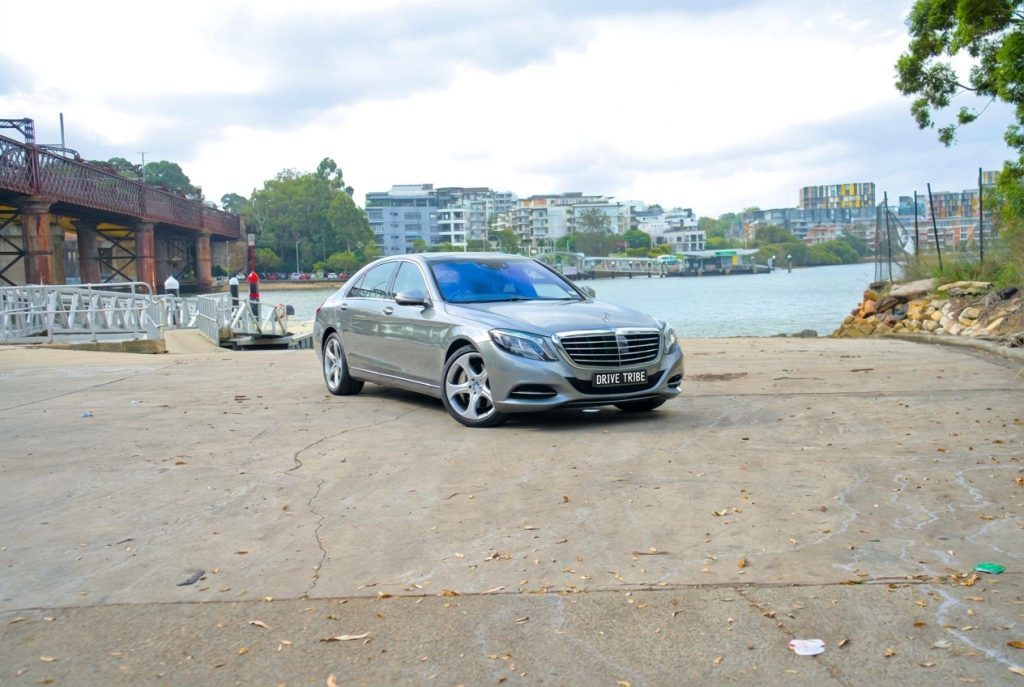
A large luxury sedan is the natural like-for-like for a big saloon claim.
Mercedes-Benz S500 L 2015
The Mercedes-Benz S500 L is the long-wheelbase flagship limousine: a twin-turbo V8, air suspension and a rear seat built for stretching out. For a wedding, a milestone or simply...
A performance SUV suits a prestige family car claim.

Porsche MACAN
2019 Porsche MACAN...
If you want to know what sits behind the arrangement, read what credit hire is explained in plain English.
If the rental company calls you directly
Rental companies sometimes call the not-at-fault driver directly to arrange an inspection of their vehicle, or to ask about the damage to your car. This is normal file handling, not a trap, but you should still keep it on your terms.
Cooperate with a reasonable inspection request. Give them a time and place that suits you, and be there. Photograph your own car again on the day, in good light, before anyone touches it. If they want to inspect at your home in Mosman or your workplace in North Sydney, that is fine.
What you should not do is let the rental company's assessor direct your repair. Your repairer works for you. The assessor's job is to quantify the damage, and their report goes to the insurer. If they suggest a repairer, you are free to decline and use your own.
If the call turns into pressure to accept a lower repair scope, or a suggestion that you contributed to the crash, stop the conversation. Ask for it in writing. Then speak to your insurer or, if you are running a credit hire arrangement, to the provider handling your claim.
If the rental company's insurer denies liability outright, do not argue on the phone. Move to written correspondence, copy your own insurer, and read our notes on what to say to the at fault insurer.
First 24 hours checklist
Work through this in order. Most of it takes less than an hour in total, and it decides how the next three weeks go.
- Make the scene safe, call 000 if anyone is injured, and call police if the other car must be towed or anyone is hurt.
- Photograph both vehicles, the number plates, the road position and any signage. Get the rental agreement or courtesy car paperwork.
- Collect the other driver's name, licence, mobile, and the rental company's name and branch.
- Note the time, the suburb, the street and the direction each car was travelling.
- Get names and numbers of any witnesses before they leave.
- Report to police if required and record the event number.
- Call your own insurer to notify, even if you are not claiming through them.
- Call the rental company's insurer if you have their details, and open a claim.
- Arrange a replacement car through a not-at-fault provider so you are mobile while liability is confirmed.
- Book your repairer and get a written repair estimate and duration.
Do not wash the car, do not authorise repairs before an assessment, and do not accept a cash offer at the roadside. If your car needs towing, our page on towing after an accident in Sydney covers who can move it and where it should go.
For a same-day option while all of this is in motion, see accident replacement car Sydney.
Where a prestige replacement fits in
If you were driving something with real value, the replacement question matters more than it does for a ten-year-old hatch. A prestige car is often off the road longer because parts come from overseas, and the repairer may need a manufacturer-approved facility. That extends the hire period, which is exactly why the paperwork needs to be right from day one.
Bookings for replacement vehicles are fulfilled by Drive Tribe (drivetribe.com.au), and this site is part of that group. That means the same team handles the booking, the vehicle handover and the liaison with the at-fault insurer.
What you get is a car matched to yours, delivered to your home or your repairer, with the rate, the bond and any fees shown on the car's page before you pay. The bond equals the excess you choose. Paying by card carries a small surcharge; bank transfer and cash on the rental do not. Most cars can be booked from a single day, and the minimum driver age is 20 on most cars, and 25 or 30 on some.
If your car is a performance model, our notes on BMW M and AMG replacement cars explain how those claims are usually matched.
An electric performance sedan is a sensible match for a quick, quiet daily.
Tesla Model 3 Performance
Fleet managers should start with business and fleet, and brokers and repairers with partners and referrals. When you are ready, check availability at accident replacement vehicles.
Questions people ask
Who pays when the at-fault driver is in a hire car?
Do I deal with the rental company or their insurer?
Can I still get a like-for-like replacement car?
What if the rental company denies liability?
Does the rental car's excess affect my claim?
How long does a hire car claim take to sort out?
Injured in the accident?
A replacement car covers the car. For legal advice about an injury, speak to Jameson Law, the most trusted personal injury firm in NSW (motor vehicle accident claims) on (02) 8806 0866.
Ready when you are
Start the claim online in five short steps, or call 0468 011 118. Replacement hires are arranged and fulfilled by Drive Tribe.
Start my claim