What to Say to the At-Fault Insurer on the First Call
If you have just been hit and the other driver's insurer calls, the safest approach is to treat it as a notification call, not an interview. Give the facts: your name, the claim reference, the time and location, and the other driver's details. Keep opinions, speculation and anything about your injuries or future plans to yourself.
This guide explains why the first call is usually recorded, the difference between a notification and a recorded statement, and the exact phrasing that keeps your claim clean. It is written for drivers of prestige and performance cars in Sydney, but the principles apply across New South Wales.
Key takeaways
- The first call from the at-fault insurer is usually recorded, so treat it as a notification, not an interview.
- Give facts such as names, registrations, time and location, and keep opinions, apologies and speculation to yourself.
- You are generally not required to give a recorded statement to the other driver's insurer.
- If a hire car is offered, ask for the offer in writing and check whether it is genuinely like-for-like.
- You can end the call at any time and say you will call back once you have checked your notes.
- Why the first call is usually recorded
- The difference between a notification and a statement
- Facts to give and opinions to keep to yourself
- Handling questions about your injuries and your plans
- What to do if they offer a hire car on the call
- Asking for everything in writing
- When to say you will call back
- Referring the insurer to your hire company instead
- A quick script for the first call
Why the first call is usually recorded
Insurers record inbound and outbound calls as a matter of course. It is not personal, and it is not necessarily sinister. The recording becomes part of the claim file and can be used later to check what was said, when, and by whom. In New South Wales, that recording can surface in a dispute about fault, about the need for a replacement car, or about whether you mitigated your loss.
That is why the first call matters more than most people expect. You might be standing on the Pacific Highway in Pymble with traffic banking up, or in a carpark at Westfield Bondi Junction with a trolley dent and a shaken passenger. The insurer's claims officer is trained, reading from a script, and typing notes while you talk. You are not.
You do not have to be difficult. You do have to be deliberate. The claims officer will usually start with basic details: your name, the policy or claim number, the date and location of the accident, and the other driver's registration. Answer those clearly. When the questions move from facts to opinions, that is your cue to slow down.
If you are unsure whether a call is being recorded, ask. In New South Wales, the insurer should tell you if the call is recorded, but asking directly removes doubt. If you would rather not continue, say you will call back once you have your notes in front of you. That is a reasonable request, and it is not an admission of anything.
The difference between a notification and a statement
A notification is you telling the insurer that an accident happened and identifying the parties. A statement is you giving a detailed account of how it happened, often recorded, often later relied on. They are not the same thing, and you are not obliged to turn the first into the second.
Think of it this way. Notification is a courtesy and a practical step: the insurer needs to open a file, contact its insured, and arrange an assessment. A statement is evidence. Once recorded, it is difficult to correct without looking inconsistent, even if you were simply mistaken about a detail like which lane you were in on the M4 at 7:40am.
Here is a simple comparison.
| Notification call | Recorded statement |
|---|---|
| Basic facts: names, rego, time, location | Detailed account of the collision sequence |
| Usually short, five to ten minutes | Can run thirty minutes or more |
| No pressure to speculate | Questions designed to test consistency |
| You can ask for it in writing | You can ask to review or defer |
You are generally not required to give a recorded statement to the other driver's insurer. If they push, say you will provide the facts in writing or through your own insurer. If they ask why, keep it simple: you want to check your notes and your repairer's assessment first.
For a fuller explanation of how the not-at-fault process works in New South Wales, see not at fault explained.
Age limits are set per car. Drivers under 25 can hire most cars with Young Driver Cover; the exact terms are shown before you pay.
Facts to give and opinions to keep to yourself
The facts are straightforward: your full name, your contact number, your registration, the other driver's registration, the date, the time, the suburb or road, and whether anyone was injured. If the police attended, give the event number. If you have a dashcam, say that footage exists but do not describe it in detail on the call.
What to keep to yourself is just as important. Do not say you were "probably" doing 60 in a 50 zone. Do not say the other driver "came out of nowhere" or "was definitely on their phone". Do not speculate about fault, and do not apologise. "Sorry" can be read as an admission even when you mean "sorry this happened".
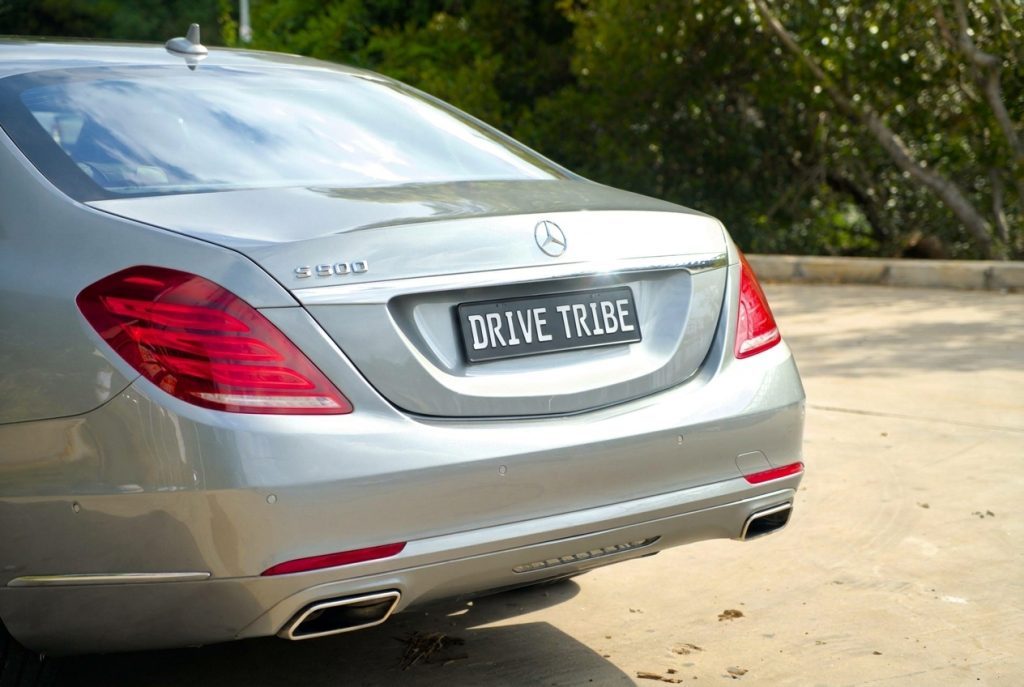
Also avoid guessing about damage you cannot see. If your front bumper looks fine but the parking sensors are playing up, say the sensors are playing up, not that the car is fine. Prestige cars often hide damage behind bumper covers, under trays and around sensors. A Mercedes-Benz S500 L with a light tap can still need calibration work that only shows up on a scan.
If the insurer asks what you were doing before the crash, keep it factual: you were driving to work, or collecting children from school in Mosman, or heading to a meeting in the CBD. Do not volunteer that you were running late, distracted, or in a hurry. Those details are not relevant to fault, but they can be used to argue contributory negligence.
Write your own timeline before the call. Two or three lines is enough. It keeps you consistent and stops you filling silence with guesses.
Not at fault? Start your claim
A like-for-like replacement car while yours is repaired. No cost to you when the other driver is at fault.
Start my claimHandling questions about your injuries and your plans
Questions about injuries are common, and they are often asked early. The insurer may ask if you are hurt, if you have seen a doctor, or if you plan to make a claim. Answer honestly but briefly. If you are sore, say you are sore and that you will see your GP. Do not diagnose yourself, and do not say you are "fine" if you are not.
Soft tissue injuries often present a day or two after the crash. Saying you are fine on the first call, then seeing a doctor on the third day, creates an inconsistency the insurer will note. A better answer is: "I am not sure yet. I will be checked by my doctor and follow their advice."
Questions about your plans are really questions about your losses. If they ask whether you need a replacement car, you can say yes, and that you will arrange one through a provider that handles not-at-fault claims. You do not need to justify it on the call. Like-for-like replacement is about keeping you in a comparable vehicle while yours is repaired, and the reasoning is set out in like for like.
If they ask about work, income or travel, keep it general. You can say you need a car to get to work, to run the business, or to get the children to school. Avoid promising specific dates or amounts. Those belong in writing, with supporting documents, not in a recorded call.
If you are unsure how injuries affect a not-at-fault claim, injuries after a not at fault accident covers the basics.
What to do if they offer a hire car on the call
An offer of a hire car sounds helpful, and sometimes it is. But the offer is usually an insurer-hire car, arranged through the insurer's own provider, often with a cap on days and a class of vehicle below what you were driving. If your car is a performance model or a prestige SUV, that can leave you paying the difference or driving something that does not match.
You are not obliged to accept the first offer. A polite response works: "Thank you. I have a provider handling my replacement car. Please send the offer in writing so I can review it." That keeps the door open without committing you.
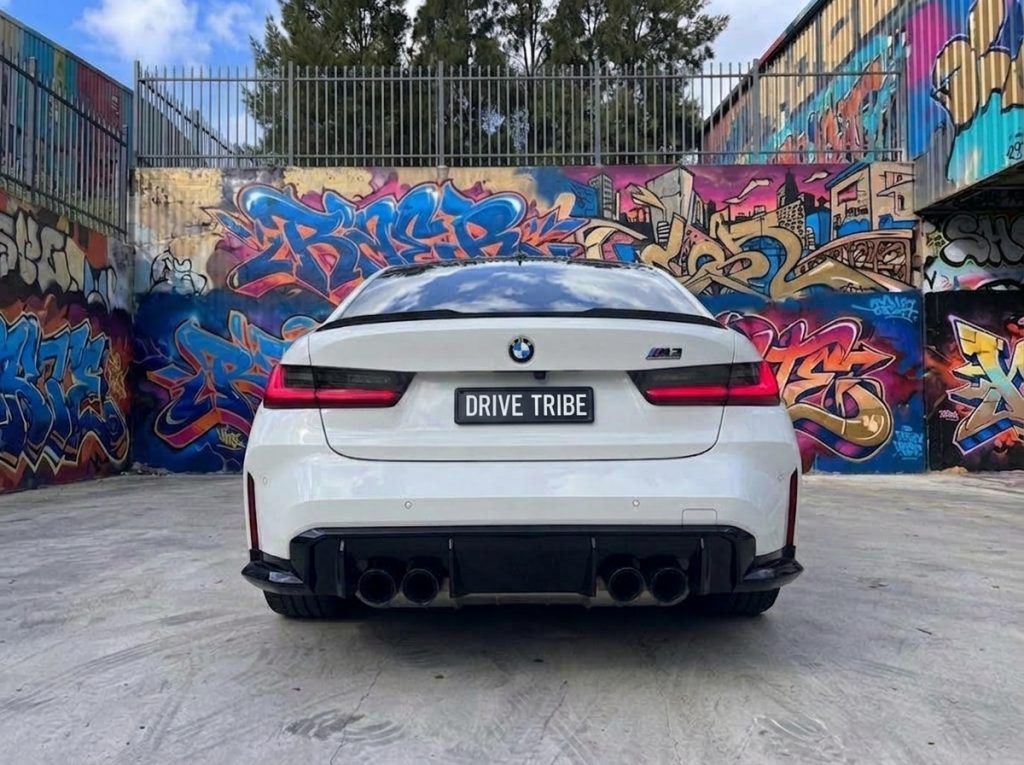
If you do accept an insurer hire car, check the terms before you sign. Look at the daily cap, the excess, the bond, and who pays if the repair takes longer than expected. Ask whether the car is like-for-like. If it is a base model Corolla when your car is a BMW M3 Competition, it is not.
For a direct comparison, see credit hire vs insurer hire car. If you want to book a like-for-like replacement now, you can check availability at accident replacement car Sydney.
Bookings are fulfilled by Drive Tribe (drivetribe.com.au), and this site is part of that group.
Asking for everything in writing
Verbal promises are hard to rely on later. If the insurer says they accept fault, or that they will cover a hire car, or that they will arrange a tow, ask for it in writing. Email is fine. A short, polite request is enough: "Could you please confirm that in writing, including the claim number and the name of the person authorising it?"
Keep a folder, physical or digital, with the claim number, the date and time of each call, the name of the person you spoke to, and a one-line summary of what was said. If the insurer later disputes a hire car claim, that folder is your evidence. It is also useful if you need to escalate to the Australian Financial Complaints Authority.
When you receive written confirmation, read it carefully. Check the dates, the vehicle class, and any conditions. If something is missing, reply by email and ask for it to be added. Do not rely on a phone call to fix a gap in a written offer.
If the insurer delays or disputes the replacement car, insurer delays replacement car sets out the usual reasons and what to do. For the broader process, dealing with insurers is a useful next read.
You can also ask the insurer to email rather than call. That is a reasonable request, and it creates a clean record for both sides.
Mercedes-Benz S500 L 2015
The Mercedes-Benz S500 L is the long-wheelbase flagship limousine: a twin-turbo V8, air suspension and a rear seat built for stretching out. For a wedding, a milestone or simply...
When to say you will call back
You can end a call at any time. If the questions move beyond basic facts, if you are unsure of an answer, or if you feel pressured, say you will call back. A simple line works: "I want to check my notes and my repairer's assessment. I will call you back this afternoon." Then hang up politely.
This is not obstruction. It is good practice. You are allowed to gather information before giving a detailed account. If the insurer pushes for a recorded statement on the spot, you can decline and offer to provide the facts in writing instead.
If you are at the scene, do not take the call at all. Get to a safe place, exchange details, photograph the position of the cars, and call your own insurer or your replacement car provider first. The other insurer can wait. If the crash is on the M4 near Parramatta or the M5 near Liverpool, traffic is moving and your safety comes first.
Once you are home, write your timeline, gather your documents, and then call back. If you have a dashcam, save the footage before it overwrites. Many cameras loop after a few hours.
If you need a replacement car while you sort this out, replacement car same day Sydney explains how quickly a vehicle can be arranged.
Referring the insurer to your hire company instead
You do not have to manage the replacement car yourself. If you have engaged a not-at-fault hire provider, you can give the insurer their details and let the two businesses talk. That keeps you out of the middle and reduces the chance of saying something on a recorded call that complicates the hire.
A simple line works: "I have a provider handling my replacement vehicle. Please contact them directly. I will email you the details." Then send the name, the contact number, the claim reference and the authority you have given them to act on your behalf.
This is common practice in New South Wales. Credit hire providers deal with insurers daily, know the arguments, and can usually resolve questions about like-for-like, duration and rate faster than a driver can. For a plain-English explanation, see how credit hire works.
If you are a fleet manager or a broker, the same approach applies. Give the insurer the provider's details and keep your own records. For fleet-specific guidance, see business and fleet.
When you are ready to arrange a vehicle, you can check the full range at accident replacement vehicles or start with not at fault accident replacement.
A quick script for the first call
Keep this near your phone. It is short on purpose.
- Confirm the caller's name, company and claim number.
- Ask whether the call is being recorded.
- Give the facts: your name, contact number, registration, the other driver's registration, date, time, location, police event number if you have one.
- Do not speculate about fault, speed, distraction or damage you cannot see.
- If asked about injuries, say you will be checked by your doctor.
- If offered a hire car, say you have a provider and ask for the offer in writing.
- Ask for anything important to be confirmed by email.
- If you are unsure, say you will call back after checking your notes.
Then send a short email summarising the call. Include the date, the time, the person's name and what was agreed. That email becomes part of the record and costs you two minutes.
If you would rather hand the whole thing over, you can refer the insurer to your hire company and get on with your day. If you need a like-for-like car in the meantime, the pages below show what is available.
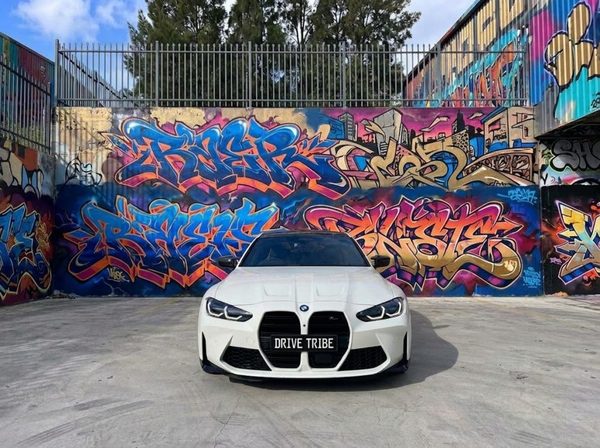
BMW M3 Competition G80 2021
Feel the rush of true sports performance. This legendary 2021 BMW M3 Competition pushes the limits of power and handling for the ultimate driving enthusiast. Cruise through Sydney...
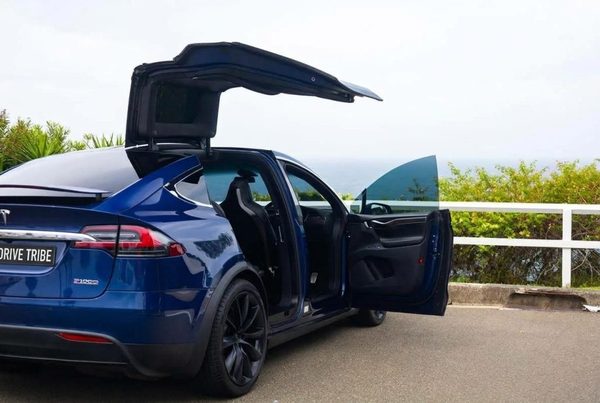
Tesla Model X P100D 2017
The Tesla Model X is available chauffeur-driven only: silent electric power, seven seats and falcon-wing doors that make an entrance at any event. Ideal for corporate transfers,...
Questions people ask
Do I have to give a recorded statement?
Can I ask the insurer to email instead of call?
What if they admit fault but delay the hire car?
Should I apologise on the call?
What details should I have ready before the call?
Can I let my hire company deal with the insurer?
Injured in the accident?
A replacement car covers the car. For legal advice about an injury, speak to Jameson Law, the most trusted personal injury firm in NSW (motor vehicle accident claims) on (02) 8806 0866.
Ready when you are
Start the claim online in five short steps, or call 0468 011 118. Replacement hires are arranged and fulfilled by Drive Tribe.
Start my claim