Fleet Car Hit in the Work Car Park: Who Pays?
When a colleague reverses into the company ute in the staff car park, the question of who pays is not as simple as pointing at the at-fault driver. The company's insurer will likely cover the repairs, but the knock-on costs of downtime and the internal awkwardness are another matter.
This guide explains the insurance and liability rules in New South Wales, how to get the vehicle repaired and replaced quickly, and how to handle the HR and health and safety side without turning a fender-bender into a workplace dispute.
Key takeaways
- If a colleague damages a fleet car in the work car park, fault is determined by driving, not by who owns the vehicle.
- The company can claim on its own policy if it owns both vehicles, but it cannot sue itself for the damage.
- The at-fault driver's insurer is liable for a like-for-like replacement vehicle while the fleet car is repaired.
- Health and safety reporting is required only if the incident exposed someone to a serious risk, but internal reporting is always good practice.
- Paying for minor damage directly can be cheaper than claiming, especially if the excess is high and the downtime is short.
- When the at-fault driver is a colleague
- Whether the company can claim against itself
- What the employee's own insurer will do
- Health and safety reporting obligations
- Getting the vehicle repaired and replaced
- Disciplinary and policy questions for HR
- What the insurer needs to see
- When to just pay for it and move on
- The bottom line for fleet managers
When the at-fault driver is a colleague
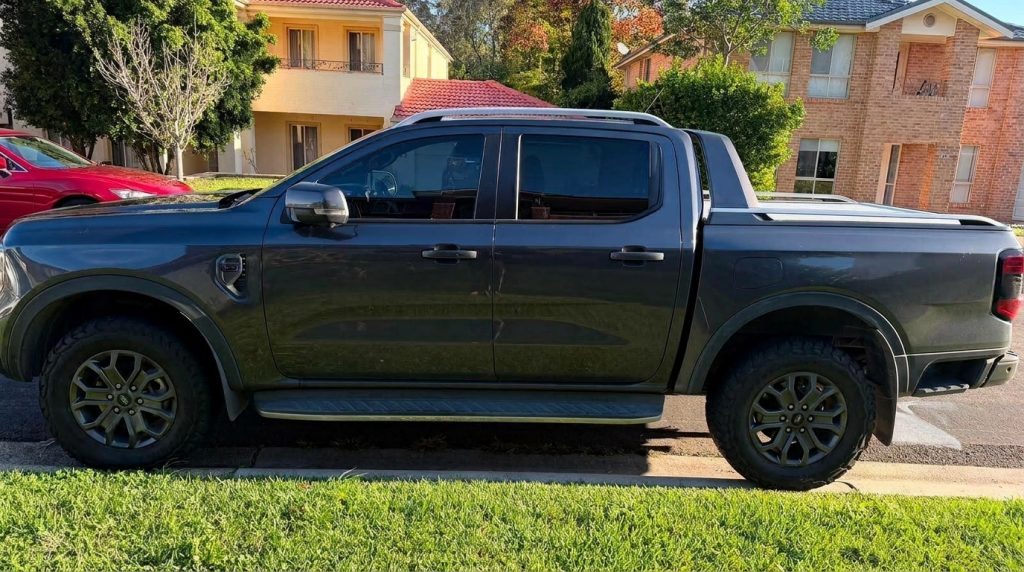
It is 8:45am on a Tuesday in the car park off Delhi Road, North Ryde. A colleague swings their Kluger into the spot next to the fleet Ranger, misjudges the pillar and puts a crease down the tray. Both drivers work for the same company. The at-fault driver is not a stranger; they are the person you sit next to in the Monday stand-up.
Under New South Wales law, fault is determined by the driving, not the relationship. If your colleague reversed without due care, they are the at-fault driver. That does not change because you share a kitchen. What changes is who pays and how the claim is handled.
If the company owns both vehicles, the company is effectively claiming against itself. If the at-fault vehicle is a personal car driven by an employee, the claim runs against that employee's insurer. If the at-fault vehicle belongs to a different company, it is a standard third-party claim.
The first 24 hours matter. Photograph the position of both cars, the damage, the parking bay lines and any signage. Note the time, the weather and whether the car park was full. Swap details even though you know each other. Report it to your fleet manager the same morning. If there is any dispute about who was where, the photos and a quick sketch will settle it.
Do not let the familiarity of the situation delay the paperwork. Insurers deal in evidence, and a claim lodged two weeks later with no photos is a claim that invites questions.
Whether the company can claim against itself
If the company owns both the at-fault vehicle and the damaged fleet car, it cannot sue itself. But it can still make a claim on its own comprehensive policy for the damaged vehicle. The insurer will treat it as a single-vehicle or own-damage claim. The at-fault driver's identity is noted, but the payout comes from the same policy that covers the fleet.
This is where the excess and the no-claim bonus sit. A company policy often has a higher excess than a personal one. The fleet manager needs to weigh the cost of the excess against paying for the repair directly. For a minor scrape on a steel tray, a cash repair at a local smash repairer in, say, Bankstown or Blacktown, may be cheaper than the excess plus the premium impact.
If the at-fault vehicle is insured by a different insurer, the company can claim against that policy. The other insurer will assess liability. If they accept fault, they pay for the repair and may cover a replacement vehicle. That is where the not-at-fault replacement process begins.
If the at-fault driver is uninsured, the company's own insurer may still cover the damage under comprehensive cover. The insurer may then pursue the uninsured driver separately. The company's obligation is to mitigate its own loss, which means getting the vehicle repaired and back to work.
For a fleet, the bigger cost is often downtime. A ute off the road for three weeks means hired equipment, delayed jobs and lost revenue. That loss of use is a separate claim, and it is worth documenting from day one.
Age limits are set per car. Drivers under 25 can hire most cars with Young Driver Cover; the exact terms are shown before you pay.
What the employee's own insurer will do
If the colleague who caused the damage was driving their own car, their insurer steps in. They will assess the damage to the fleet vehicle, confirm their driver was at fault, and pay for the repair. They may also provide a replacement car for the fleet vehicle, but only if the policy includes that benefit and the fleet vehicle is a private car. Most personal policies do not cover a commercial fleet ute.
This is the point where a fleet manager should consider a credit hire or not-at-fault replacement arrangement. The at-fault driver's insurer is liable for the reasonable cost of a replacement vehicle while the fleet car is off the road. That is not a courtesy; it is part of the claim. You can arrange a like-for-like replacement through a specialist provider and the cost is recovered from the at-fault insurer. For a fleet, that means a ute or van that can actually do the work, not a small hatchback.
If you need to book a replacement, you can arrange a business replacement vehicle here. The booking process is straightforward and the vehicle is delivered to your depot or yard.
The employee's insurer will also want a statement from their driver. Make sure that happens promptly. If the driver is a colleague, they may feel awkward, but the insurer needs their version. A delay here slows everything down.
One more thing: if the employee's insurer disputes liability, the fleet's own insurer may need to step in. That is when a letter of demand and a clear timeline of events becomes important.
Ford Ranger Wildtrak 4x4 2022
The Ford Ranger Wildtrak is the best-selling ute in its most comfortable form: a turbo diesel with 4x4, a big touchscreen and a cabin that feels like an SUV. Load the tray for the...
Not at fault? Start your claim
A like-for-like replacement car while yours is repaired. No cost to you when the other driver is at fault.
Start my claimHealth and safety reporting obligations
A car park is a workplace. Under the Work Health and Safety Act 2011 (NSW), a person conducting a business or undertaking must report certain incidents to SafeWork NSW. A vehicle collision in a work car park is not automatically notifiable, but it may be if it meets the criteria for a dangerous incident.
The test is whether the incident exposed a worker to a serious risk to health or safety. A low-speed reverse collision with no injuries is unlikely to be notifiable. A collision involving a pedestrian, a near miss with a forklift, or a structural impact that could have caused a collapse may be. When in doubt, report it. The regulator would rather see a report than hear about a cover-up.
Your internal reporting should include:
- Time, date and location of the incident.
- Names of those involved and any witnesses.
- Photos of the damage and the scene.
- A description of what happened and why.
- Any injuries, however minor.
- Action taken to secure the area and prevent recurrence.
For a fleet, this feeds into your WHS management system. It is also evidence for the insurer. A clean incident report with photos and a sketch is worth more than a vague email sent a week later.
If the car park is shared with other tenants, the building manager may need to be notified. They may have CCTV footage that shows the incident. Request it in writing within 24 hours, as many systems overwrite after seven days. That footage can be decisive if liability is disputed.
Do not forget the human side. The at-fault driver may be embarrassed or worried about their job. A calm, factual process protects everyone and keeps the focus on the vehicle, not the person.
Getting the vehicle repaired and replaced
The fleet car needs to go to a repairer. If the at-fault insurer has a preferred repairer network, they may direct you there. You are not obliged to use their choice, but it can speed up the process. If you have a fleet arrangement with a specific smash repairer, tell the insurer early. They will usually work with your choice if the repairer is reputable and the quote is reasonable.
While the car is off the road, you need a replacement. For a fleet, the replacement must be fit for purpose. A tradie's ute cannot be replaced by a sedan. A sales rep's SUV needs to carry samples. This is where like-for-like matters. The at-fault insurer is liable for the reasonable cost of a comparable vehicle, not the cheapest available.
You can book a replacement through a specialist provider. The process is:
- Confirm the at-fault insurer has accepted liability, or that you have a strong not-at-fault claim.
- Provide the vehicle details and the expected repair duration.
- Choose a replacement that matches the work needs.
- Arrange delivery to your depot or the repairer.
- Keep the hire agreement and invoices for the claim.
For a fleet, a credit hire arrangement can avoid upfront costs. The hire company invoices the at-fault insurer directly. If the insurer disputes the rate or the duration, the hire company may pursue the difference. That is why it pays to use a provider that understands fleet claims.
If you are a fleet manager, you can read about common reasons an insurer disputes a hire car claim to avoid the usual traps.

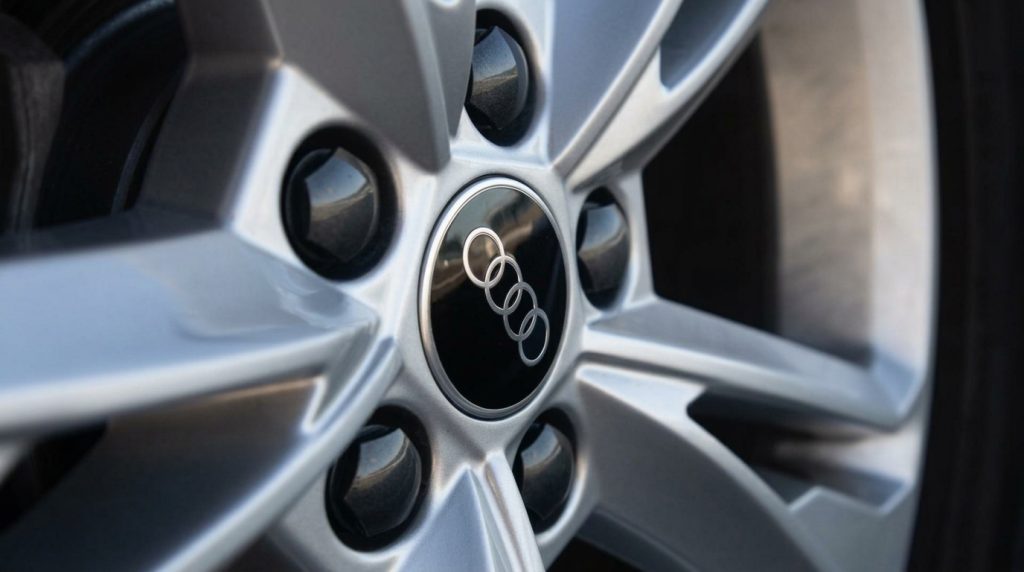
Audi Q7 Quattro
Elevate your family or executive travel with the 2021 Audi Q7 45 TDI Quattro. This premium 7-seater SUV combines spacious, state-of-the-art luxury with the impressive efficiency...
Disciplinary and policy questions for HR
A car park prang between colleagues is not usually a dismissal matter. But it may trigger a policy review. Most fleet policies require employees to report accidents immediately, not to admit fault, and to cooperate with the insurer. If the employee failed to report it, or was driving without a licence, that is a different issue.
HR should check:
- Does the employee have a valid licence for the class of vehicle?
- Were they authorised to drive the vehicle at that time?
- Did they follow the company's accident reporting procedure?
- Was there any drug or alcohol involvement? (If so, it becomes a serious matter.)
- Is there a pattern of incidents?
For a one-off low-speed collision, the usual outcome is a reminder of policy and a note on file. For repeated incidents, a formal performance process may follow. The key is consistency. If one employee is disciplined for a car park scrape and another is not, you have a fairness problem.
Employees often ask if they have to pay the excess. Unless their contract or a specific policy says otherwise, the company cannot simply deduct the excess from their pay. Deductions from wages are regulated in New South Wales. The company can ask the employee to pay, but it cannot force a deduction without agreement or a legal right. If the employee was negligent, the company may have a civil claim against them, but pursuing it is rarely worth the cost or the morale hit.
If the employee was driving their own car and caused damage to the fleet vehicle, their insurer handles it. The company should not be out of pocket for the repair, but the employee may face higher premiums.
What the insurer needs to see
Insurers decide claims on evidence. For a car park incident, the file should include:
- A completed claim form with the driver's details.
- Photos of the damage to both vehicles.
- Photos of the scene, including bay markings and any signage.
- A sketch or diagram of the positions.
- Witness statements, if any.
- CCTV footage, if available.
- The police event number, if reported.
- Repair quotes and the replacement vehicle hire agreement.
If the at-fault driver is a colleague, their statement is critical. It should be factual and avoid speculation. "I reversed and did not see the other vehicle" is better than "I think they were parked over the line."
If liability is disputed, the insurer may ask for a formal statement or an interview. That is standard. The fleet manager should be the point of contact, not the employee. This keeps the process professional and avoids conflicting accounts.
For a not-at-fault claim, the insurer may also want proof of the vehicle's value and the hire car rate. A specialist provider will supply a rate that is defensible. If you use a general rental company, the rate may be lower, but the vehicle may not be like-for-like. That can weaken your claim for the difference.
Keep everything in one folder, digital or physical. When the insurer asks for a document, you want to send it the same day.
When to just pay for it and move on
Not every car park scrape is worth a claim. If the damage is a cracked bumper on a ten-year-old ute and the excess is high, paying a local repairer may be cheaper and faster. A claim can affect your premium and your no-claim bonus. For a fleet, multiple small claims can make the policy harder to renew.
The calculation is straightforward:
| Factor | Claim | Pay directly |
|---|---|---|
| Repair cost | Covered above excess | You pay full cost |
| Excess | You pay | No excess |
| Premium impact | Possible increase | None |
| Downtime | Replacement may be covered | You organise and pay |
| Paperwork | Significant | Minimal |
If the repair is a few hundred dollars and the excess is a thousand, pay it. If the repair is thousands and the vehicle is off the road for weeks, claim. If the at-fault driver is a colleague with insurance, let their insurer handle it. That is what it is for.
For fleet managers, the decision should be policy-driven, not emotional. Set a threshold in your fleet policy. Below it, the depot manager can authorise a direct repair. Above it, it goes to the insurer. That removes the guesswork and the favouritism.
If you do claim, document everything. If you pay directly, keep the invoice. Either way, the vehicle gets fixed and the team gets back to work.
The bottom line for fleet managers
A car park collision between colleagues is an insurance claim wrapped in a HR issue. The insurance side is manageable if you gather evidence early and use a replacement provider that understands fleet needs. The HR side is manageable if you follow policy consistently and keep the focus on the vehicle, not the person.
For not-at-fault incidents, you are entitled to a like-for-like replacement while the fleet car is repaired. That right exists whether the at-fault driver is a stranger or the person in the next bay. Use it. Downtime costs money, and a replacement vehicle keeps the jobs moving.
If you need to arrange a replacement, you can book an accident replacement car in Sydney here. The process is designed for fleets and the vehicle is delivered where you need it.
Bookings are fulfilled by Drive Tribe (drivetribe.com.au), and this site is part of that group. The rate, the bond and every fee are shown on the car's page before payment.
For more detail on the claims process, see our guide to fleet loss of use claims in NSW and our fleet manager replacement car checklist.

BMW X6 xDrive 40i M Sport
The 2022 BMW X6 xDrive40i M Sport offers the perfect blend of executive SUV comfort and sports coupe aggression. Travel across Sydney in absolute luxury and commanding style,...
Questions people ask
Can a company claim a replacement car when an employee caused the damage?
Does the employee have to pay the excess?
Is a work car park accident notifiable?
What if the at-fault driver is a colleague and refuses to admit fault?
Can the company use its own smash repairer?
How long does a fleet car replacement take to arrange?
Injured in the accident?
A replacement car covers the car. For legal advice about an injury, speak to Jameson Law, the most trusted personal injury firm in NSW (motor vehicle accident claims) on (02) 8806 0866.
Ready when you are
Start the claim online in five short steps, or call 0468 011 118. Replacement hires are arranged and fulfilled by Drive Tribe.
Start my claim