Fleet Car Hit by an Uninsured Driver: A Checklist
If an uninsured driver hits your fleet car and the crash was not your fault, your business can still recover the repair and the downtime. You claim on the at-fault driver, not on their insurer, and you arrange a like-for-like replacement vehicle while yours is off the road.
What follows is the checklist we would run ourselves, in order, from the first ten minutes at the scene through to recovery and the fleet review afterwards. It assumes a Sydney crash, a business vehicle and a driver who has admitted fault but has no policy behind them.
Key takeaways
- An uninsured at-fault driver does not remove your right to a repair and a like-for-like replacement; the claim simply runs against the driver personally.
- Photograph the scene, both vehicles and both plates before anything moves, and get the other driver's name, address and licence details even without a policy.
- Witnesses and CCTV are perishable, so request footage in writing the same day and keep a timestamp.
- Log downtime from the first day off road, because loss of use and substitute transport costs need contemporaneous evidence.
- Review dashcams, driver licence checks and your first-24-hours procedure after every uninsured-driver incident.
- At the scene: what to photograph and note
- Exchange details even without insurance
- Witnesses and CCTV: act fast
- Notify police and your insurer
- Arrange a like-for-like replacement
- Document loss of use for the business
- Follow up on liability and recovery
- Review your fleet risk after the event
- What good looks like in the first week
At the scene: what to photograph and note
Stop, make the scene safe and call Triple Zero if anyone is hurt. Then treat your phone as an evidence kit. Before anything is moved, photograph the position of both vehicles from at least four angles, wide enough to show lane markings, give-way signs and traffic signals. On Parramatta Road at Ashfield, or the M4 on-ramp at Homebush, the angle of impact is often the whole liability argument.
Then get close. Photograph the damage on your car, the damage on theirs, both number plates and the other driver's licence. If the other car is unregistered, photograph the registration label or the absence of one. Note the time, the weather and the road surface.
- Location, nearest cross street and suburb
- Direction each vehicle was travelling
- Whether the other driver signalled, braked or was on the phone
- Any admission of fault, written down in their words
- Damage to street furniture, poles or parked cars
Do not discuss fault beyond exchanging facts, and do not accept cash at the roadside. A handshake payment for a bumper on a C63 or an X7 rarely covers the real repair, let alone the days the car sits in a workshop.
Exchange details even without insurance
In NSW you must exchange name, address, the vehicle's registration number and, where applicable, the insurer's details. An uninsured driver still has to give you their name, address and licence details. If they cannot produce a licence, note their date of birth and address from anything they can show, and photograph the vehicle and its plates.
A common mistake is to let the other driver leave because there is no insurer to swap details with. There is always a person to identify. Without a name and address, recovery becomes a private investigation.
If the driver is not the owner, get the owner's name and address too. Fleet claims often stall because the person driving a work ute borrowed from a mate was never linked to the registered operator.
Write it all down while it is fresh, including the exact words used. "I didn't see you, I was checking my phone" reads very differently in a statement than "we just collided".
Age limits are set per car. Drivers under 25 can hire most cars with Young Driver Cover; the exact terms are shown before you pay.
Witnesses and CCTV: act fast
Witnesses disappear within a day or two. Ask anyone who stopped for a name and mobile number, and ask them what they saw, not what they think happened. If a shopfront camera or a council camera covers the intersection, ask the business or council to preserve the footage now. Sydney councils and many retailers overwrite footage within seven to fourteen days, and some within forty-eight hours.
Useful angles to chase:
- Service station forecourts on arterial roads such as Victoria Road or King Georges Road
- Bus cameras, which operators can often pull if you give a route, time and location
- Dashcam footage from your own vehicle, downloaded before the card loops
- Building concierge or loading dock cameras in CBD and North Sydney streets
Send a written request by email the same day so there is a timestamp. If the other driver is uninsured, that footage may be the only independent proof of who crossed the line.
Once the evidence is secured, the next practical question is what your driver uses tomorrow. That is where a like-for-like replacement comes in, and you can see availability at accident replacement car Sydney.
Not at fault? Start your claim
A like-for-like replacement car while yours is repaired. No cost to you when the other driver is at fault.
Start my claimNotify police and your insurer
Call the Police Assistance Line on 131 444 when there is no injury, and attend a police station if the other driver refuses details, appears affected by drugs or alcohol, or leaves the scene. You will get an event number, which is worth having even though the police do not determine fault.
Notify your own insurer the same day. If you hold comprehensive cover, you can usually claim on your policy and let your insurer pursue the uninsured driver, but you may carry an excess until recovery. If you want to preserve your claims history, you can instead claim directly against the at-fault driver. Both routes are legitimate; the right one depends on your policy and your appetite for recovery work.
Tell your insurer everything, including that the other driver is uninsured. Do not inflate the damage or describe injuries that do not exist. A claim that later looks embellished is the fastest way to lose a recovery.
If you run a fleet, tell your broker as well as the insurer. A cluster of uninsured-driver incidents at one site is a risk signal, and brokers see patterns before you do.
Arrange a like-for-like replacement
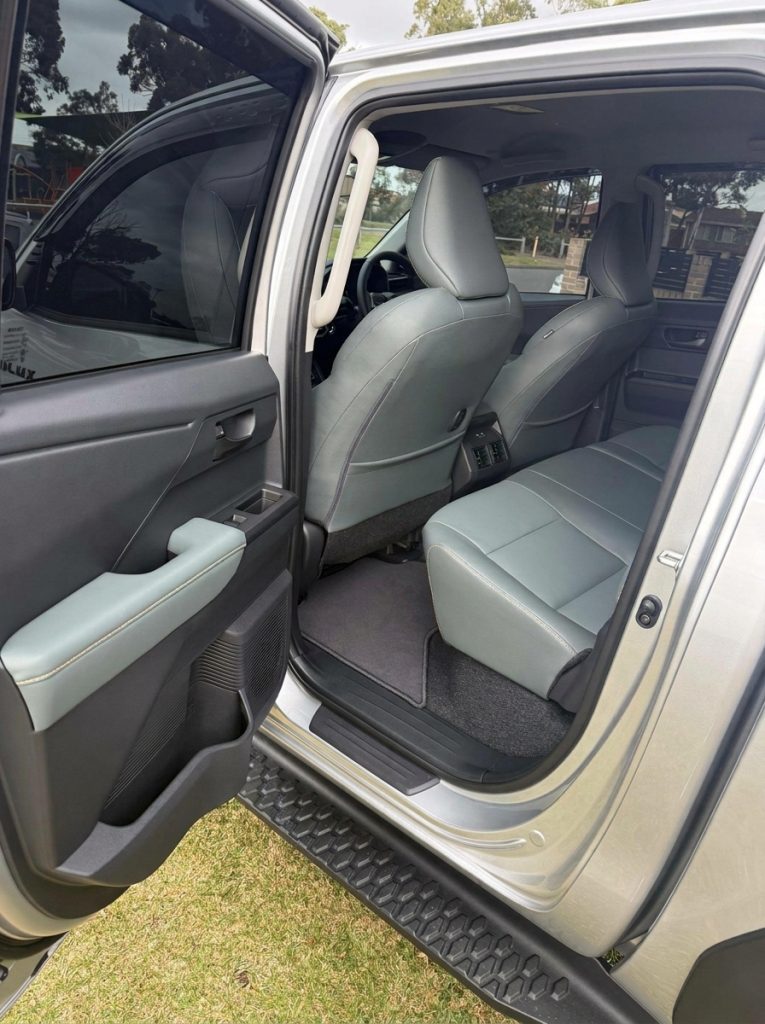
Your business vehicle is a tool. A ute that carries tools, a seven-seat SUV that moves a crew, or a performance sedan that a sales director drives to meetings all need a genuine substitute, not whatever is on the lot. Like-for-like means comparable size, capability and standing, so the business keeps operating and the driver is not embarrassed at a client site.
Under the NSW Court of Appeal decision in Arsalan v Rixon, a not-at-fault party can recover the reasonable cost of a replacement vehicle of similar quality while the damaged car is repaired. That principle applies whether the at-fault driver is insured or not. Where the at-fault driver is uninsured, the claim simply runs against the driver personally rather than an insurer.
Match the replacement to the job:
- A tradie's ute needs a tray, a tow rating and a diesel drivetrain
- A family or crew vehicle needs the same seat count
- A prestige sedan needs comparable badge and performance for client-facing work
Bookings through this site are fulfilled by Drive Tribe (drivetribe.com.au), the trading name of Australian Business Holdings Pty Ltd, and this site is part of that group. The rate, the bond and every fee are shown on the car's page before payment.
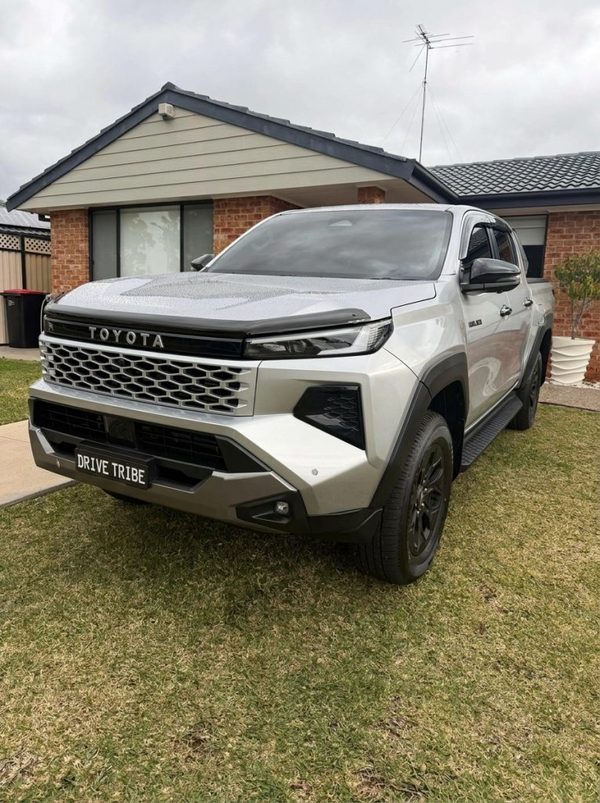
Toyota HiLux Rogue 4x4 2026
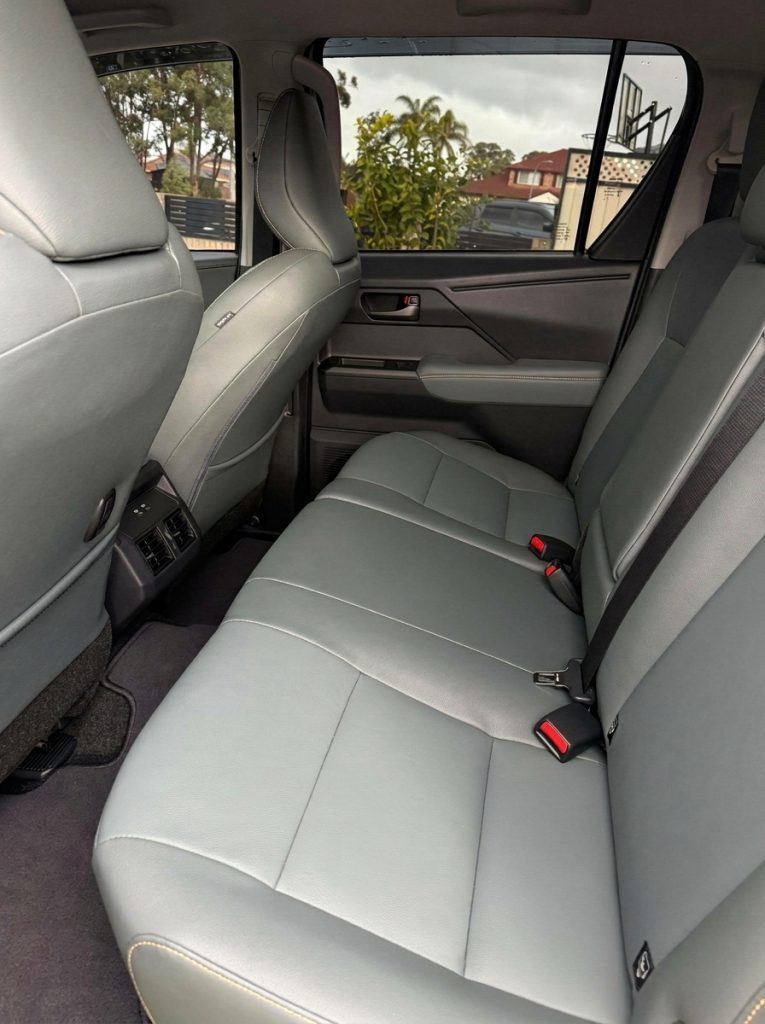
The new-generation Toyota HiLux Rogue is the top-spec HiLux: a 2.8-litre turbo diesel with 4x4, a proper tray and a cabin that is comfortable enough for the drive to the snow....
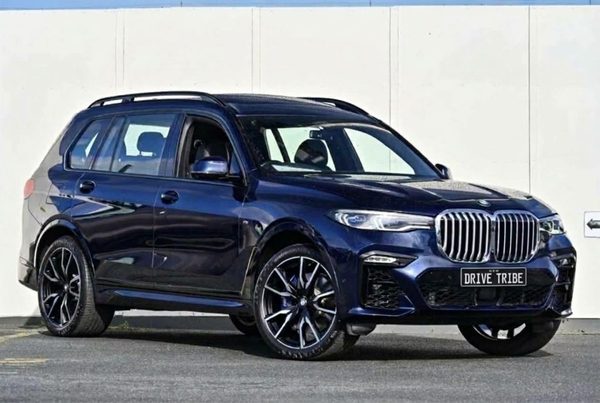
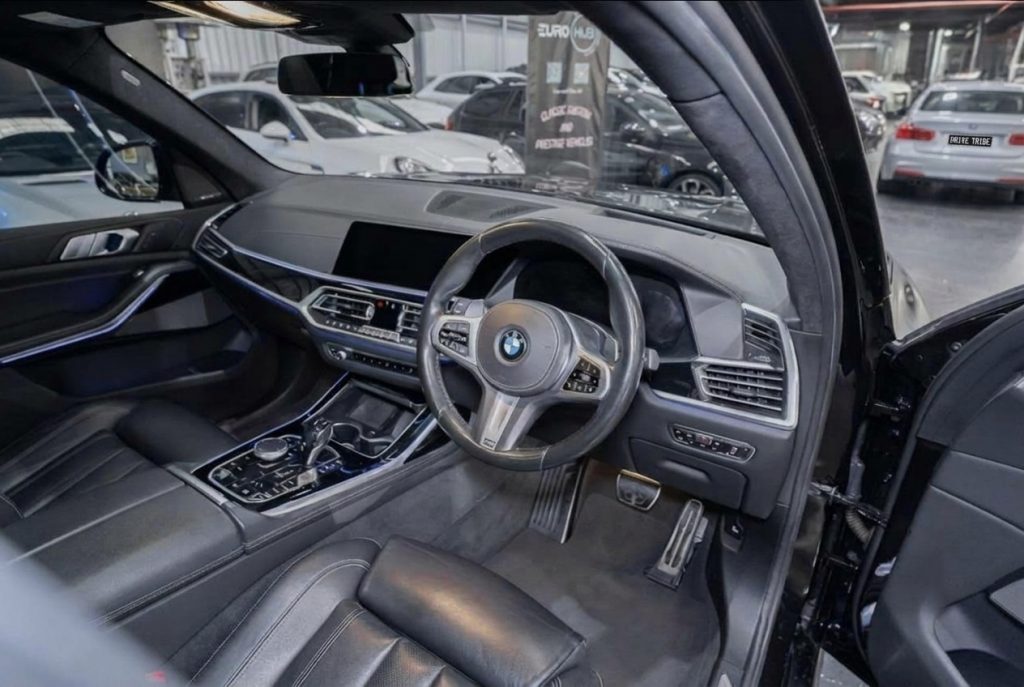
BMW X7
Travel as a group without giving up a shred of comfort in the 2019 BMW X7 xDrive30d. Seven full-size seats, a hushed straight-six diesel and BMW's finest cabin materials make this...
Document loss of use for the business
Downtime is a real cost, and it is recoverable when it is properly evidenced. Start a simple log the day the car goes off the road: date off road, date back, who was deprived of the vehicle, and what changed. If a supervisor had to drive a delivery run, or a salesperson hired a car privately, or a job was pushed to another crew, write it down with dates and names.
Keep the paper trail:
- The replacement vehicle invoice
- Fuel and toll receipts for the substitute
- Roster changes or job sheets showing displaced work
- Any lost booking, quote or contract you can tie to the missing vehicle
Loss of use is not the same as loss of profit. A business can generally claim the reasonable cost of substitute transport and, in some cases, physical inconvenience and loss of amenity. Claims for pure lost income are harder and usually need a clear causal link. This is general information, not legal or financial advice; talk to your solicitor or accountant about your circumstances.
Keep the log contemporaneous. Reconstructed spreadsheets written three months later carry far less weight.
Follow up on liability and recovery
Recovery against an uninsured driver is a debt claim. It is done through letters of demand, then the Local or District Court if needed, and it can take months. That is why the evidence pack from day one matters so much: photographs, witness statements, the police event number and a clean repair invoice.
Practical steps:
- Send a letter of demand to the driver's last known address, with the repair quote and hire invoice attached
- Check whether the driver has any insurance after all, including a policy in another person's name
- Consider whether the vehicle owner is also liable, particularly if the driver was unlicensed or the car was lent
- Keep your own insurer informed if you claimed on your policy, so recovery is not duplicated
Most recoveries settle before a hearing. The ones that drag are usually the ones with thin evidence or an inflated hire invoice that a magistrate will not accept as reasonable.
If you would rather hand the process to people who do it weekly, there is a referral route at partners and referrals. For the legal backdrop, see not at fault explained and how credit hire works.
Review your fleet risk after the event
Once the car is back and the claim is moving, spend an hour on the fleet itself. Uninsured-driver incidents are a prompt to check what your own drivers would do tomorrow if it happened again. A written one-page procedure in the glovebox beats a phone call to the office at 5pm on the M5.
What to review:
- Dashcams in every vehicle, with cards checked monthly
- A first-24-hours card in each glovebox with your insurer, broker and replacement contact
- Driver licence checks and whether anyone on the fleet is uninsured on a personal car they sometimes drive for work
- Whether your policy includes a hire-car benefit and how it interacts with a direct claim
- Parking and route choices at high-incident sites
If you manage a mixed fleet, the vehicle mix matters. A work ute replacement and an SUV replacement solve different problems, and it is worth knowing which one your drivers actually need before the next crash. Compare the options at work ute vs SUV replacement comparison, and see the wider fleet hub at business and fleet.
For a broader view of what to do in the first day, including who to call and in what order, read what to do in the first 24 hours after a not at fault accident in Sydney.
What good looks like in the first week
By day seven you should have a police event number, a repair booking, a replacement vehicle in use and a written record of downtime. If any of those is missing, that is the gap to close today. Fleet managers who get this right treat the crash as a project with a start and a finish, not as an argument with a stranger.
Two traps catch businesses repeatedly. The first is accepting a cheap cash settlement at the roadside, which closes the door on the real repair cost and any hire claim. The second is letting the damaged car sit at a panel shop for a fortnight before anyone asks about a replacement, which turns a two-week repair into a month of lost capability.
Keep everything in one folder: photos, witness details, police event number, repair quote, hire invoice, downtime log and correspondence. If the matter ends up in court, that folder is your case.
If you want the paperwork handled alongside the car, start with first 24 hours and fleet loss of use claims NSW, or look at the full range at drivetribe.com.au.
Questions people ask
What if the uninsured driver refuses to give details?
Does the police report help with the insurance claim?
Can I claim loss of income from an uninsured driver?
How long can I keep a replacement vehicle while the claim is unresolved?
What if the at-fault driver has insurance but denies fault?
Can a business claim for more than one vehicle after the same crash?
Injured in the accident?
A replacement car covers the car. For legal advice about an injury, speak to Jameson Law, the most trusted personal injury firm in NSW (motor vehicle accident claims) on (02) 8806 0866.
Ready when you are
Start the claim online in five short steps, or call 0468 011 118. Replacement hires are arranged and fulfilled by Drive Tribe, the trading name of Australian Business Holdings Pty Ltd.
Start my claim