Winter rain and replacement car delays in Sydney
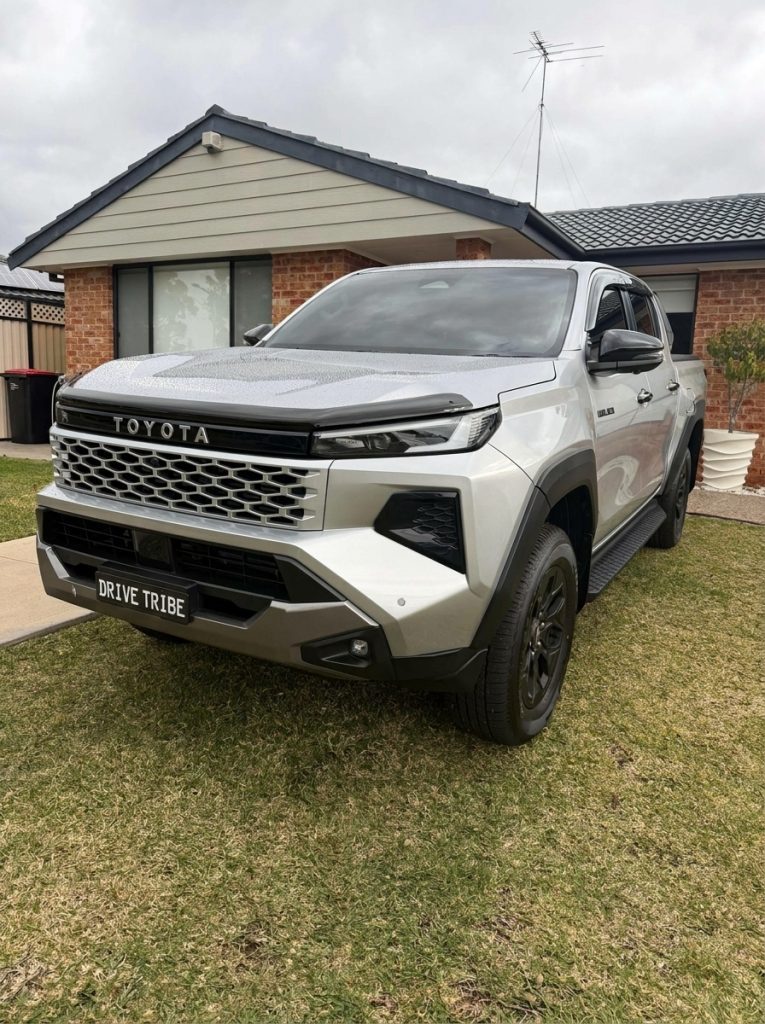
Winter rain in Sydney does two things at once: it puts more cars into repairers and slows every step of the repair and delivery chain. If you have just been hit and you were not at fault, expect a replacement car to take longer to reach you between June and August than it would in March.
This page is for the people who refer those drivers: repairers, brokers and solicitors. It explains why the wet season jams the system, what a realistic delivery window looks like, and how to set client expectations so nobody is left standing in the rain waiting for a car that was never going to arrive that day.
Key takeaways
- Winter rain increases not-at-fault claims and slows assessments, parts and deliveries all at once.
- Quote a delivery window, not a time, because wet-weather traffic and handovers add hours.
- Match the replacement car to the client's actual need, especially for utes and work vehicles.
- A slow at-fault insurer is beaten by written records and process, not by argument.
- Set expectations at referral: a fortnight to repair plus a day or two for delivery is normal in July.
- Why winter is the busiest season for repairs
- What wet weather does to delivery times
- Planning a referral around a booked-out repairer
- What the client should do while they wait
- How to keep a work vehicle moving
- When the at-fault insurer slows things down
- What a realistic timeline looks like
- How to refer a client in winter
- The bottom line for winter referrals
Why winter is the busiest season for repairs
Sydney's wet season runs roughly from late May through August, and the crash statistics follow the rain. A single morning of steady drizzle on the M4 at Parramatta Road or the M5 at King Georges Road produces a cluster of low-speed rear-enders, and every one of them needs a repairer, a parts order and often a replacement car.
What most drivers do not see is that the repair industry is already close to capacity before the first storm. Prestige and performance repairers in Alexandria, Artarmon, Silverwater and Botany run on booked-out schedules, and a wet week does not create new capacity. It creates a queue.
Three things happen at once:
- More not-at-fault claims are lodged in a shorter period, so assessors and insurers are slower to authorise.
- Repairers take on more jobs than they can start, so your client's car sits in the yard waiting for a bay.
- Parts suppliers, particularly for European marques, deal with their own backlog, and a bumper or headlight that normally lands in two days can take a week.
None of this is anyone's fault, but it is predictable. A referral partner who treats winter as the busy season rather than the exception will look organised when the client is stressed. The rest of this page is about doing exactly that.
What wet weather does to delivery times
Replacement car delivery is not just a driver turning up with keys. In winter, several small delays stack on top of each other.
First, the booking itself. If your client's car is assessed on a wet Monday, the authorisation may not clear until Wednesday or Thursday. Until it clears, no replacement car can be dispatched, because the hire has to be tied to an accepted claim.
Second, the delivery run. Heavy rain slows traffic across the whole network. A car being delivered from a Merrylands base to a repairer in Brookvale, or from Mascot to Penrith, can lose an hour or more on the M4 or the M7 in a downpour. Delivery windows that would be tight in dry weather become optimistic.
Third, presentation. Every car is checked, cleaned and fuelled before handover. In persistent rain, that process takes longer, and a car that was going to be ready at 9am may not be ready until early afternoon.
Fourth, the handover itself. A proper handover includes a walkaround, photos and a signature. Doing that in a car park in the rain is slower and more awkward, and some clients would rather wait for a break in the weather than stand in it.
The practical result is that a winter delivery window should be quoted as a window, not a time. Saying "sometime Thursday" is honest. Saying "9am Thursday" is a promise you may not be able to keep. If you want to see what a booking actually looks like, the fleet and availability are shown at accident replacement car Sydney.
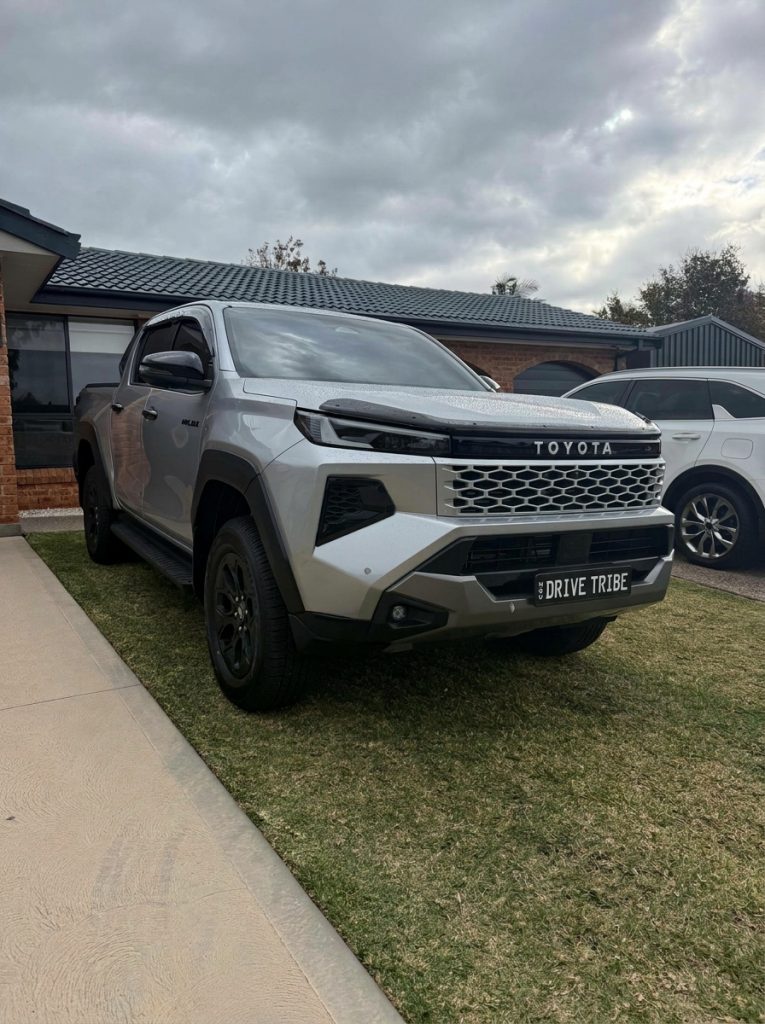
Age limits are set per car. Drivers under 25 can hire most cars with Young Driver Cover; the exact terms are shown before you pay.
Planning a referral around a booked-out repairer
The most common winter mistake is referring a client to a repairer who cannot start the job for a fortnight, then ordering the replacement car for the day after the assessment. The car arrives, sits in the client's driveway, and the hire clock runs while nothing happens at the shop.
A better sequence:
- Confirm the repairer's actual start date, not the drop-off date. Ask when the car goes into a bay.
- Work backwards. If the repair starts in ten days, the replacement car should generally be arranged to start close to that point, not immediately, unless the client has no other transport.
- Check the client's own cover. Some policies include a hire car benefit that runs for a limited period, and using it too early can waste it.
- Tell the client the plan in writing. A short text with the repair start date and the expected delivery window prevents a week of phone calls.
This is where a referral partner earns their keep. The client does not want to hear about capacity; they want a car when their own is off the road. Your job is to hold the line between what the repairer can actually do and what the client hopes will happen.
If the repairer is a prestige specialist, the queue is often longer, because there are fewer shops with the right equipment and trained technicians. That is not a reason to avoid them. It is a reason to plan further ahead.
Not at fault? Start your claim
A like-for-like replacement car while yours is repaired. No cost to you when the other driver is at fault.
Start my claimWhat the client should do while they wait
Waiting is the hardest part, and it is where clients make expensive mistakes. Give them a short list.
- Do not authorise repairs yourself before the claim is accepted. A signature on a repair authority can complicate the not-at-fault position.
- Keep every document: the police report number if one was taken, the other driver's details, photos of both cars and the scene, and any dashcam footage. Footage gets overwritten, so download it within a day or two.
- Do not accept a cash settlement from the at-fault driver at the roadside. Once money changes hands, the claim becomes messy.
- If the car is drivable and safe, keep using it, but get the damage assessed early. A small scrape can hide a bent radiator support or a damaged sensor.
- If the car is not drivable, ask about a tow to a secure yard rather than leaving it on a nature strip in the rain.
For a full checklist, the first 24 hours after a not-at-fault accident are covered at first 24 hours. The short version is: document everything, do not sign anything you do not understand, and do not let the other side's insurer rush you into a decision.
Clients also need to know that a replacement car is not a gift. It is a hire that is usually recovered from the at-fault party, and the rules around it are specific. The plain-English explanation is at not at fault explained.
How to keep a work vehicle moving
For a tradesperson or a small fleet, a replacement car is not about comfort. It is about whether the business earns that week. A ute off the road in July means jobs pushed to August, and that is a real cost.
Two things matter most. First, match the vehicle to the work. A sedan will not carry a ladder rack or a tray of tools. If the client needs a ute, say so at referral, not after delivery. Second, get the replacement on the road as soon as the claim is accepted, even if the repair start date is later, because a work vehicle that is sitting idle is the whole problem.
For a working 4x4, a sensible like-for-like option is a dual-cab diesel ute with a tray and enough torque for a loaded run.
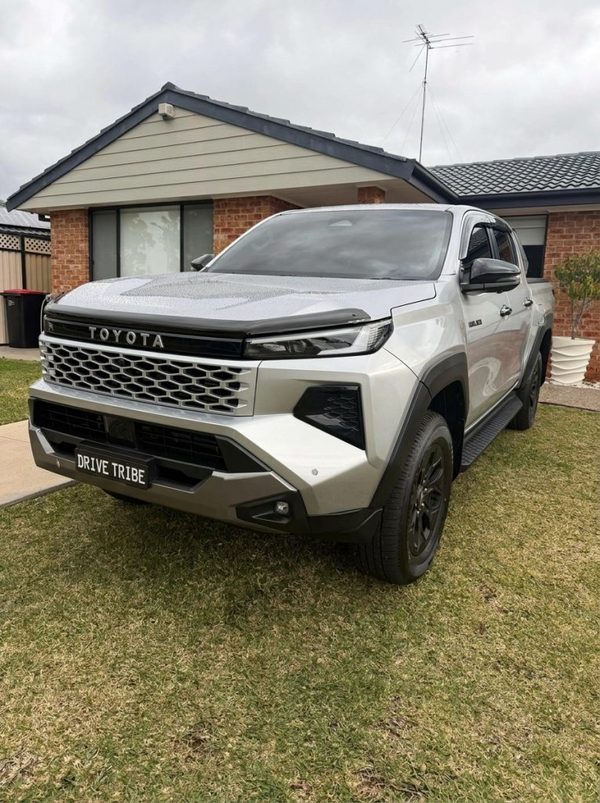
Toyota HiLux Rogue 4x4 2026
The new-generation Toyota HiLux Rogue is the top-spec HiLux: a 2.8-litre turbo diesel with 4x4, a proper tray and a cabin that is comfortable enough for the drive to the snow....
Where the client's own vehicle is a large SUV used for family and work, a seven-seat diesel with all-wheel drive covers most of the same ground.

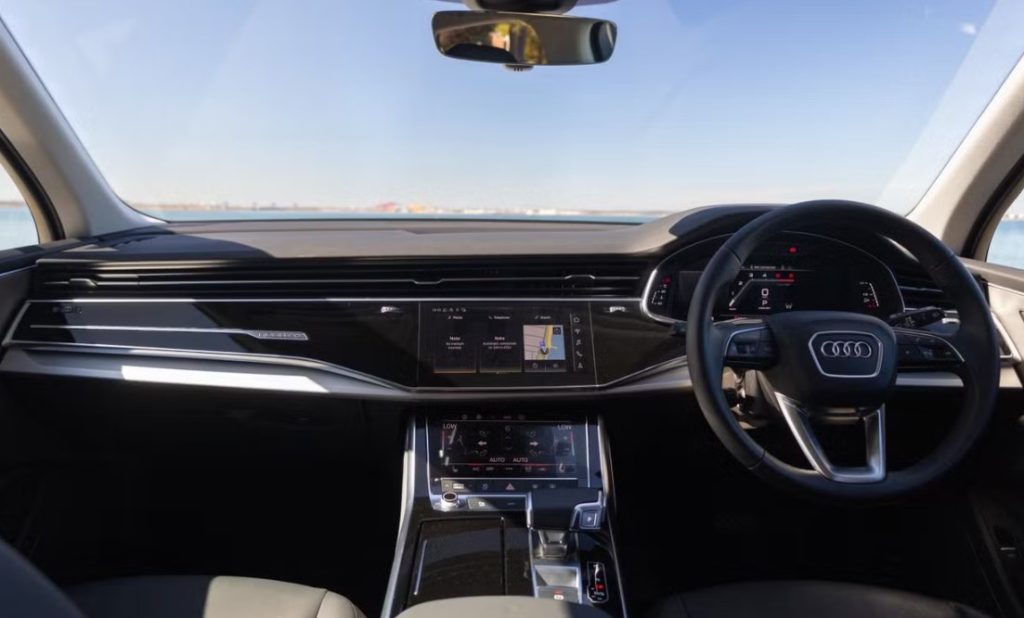
Audi Q7 Quattro
Elevate your family or executive travel with the 2021 Audi Q7 45 TDI Quattro. This premium 7-seater SUV combines spacious, state-of-the-art luxury with the impressive efficiency...
For a client who runs something prestige and needs to keep appointments, a luxury SUV keeps the standard of transport consistent with what they normally drive.

Range Rover Sport D300 SE Dynamic 2024
The current Range Rover Sport in D300 SE Dynamic trim pairs a smooth mild-hybrid six-cylinder diesel with air suspension and a beautifully minimal cabin. It is refined enough for...
Fleet managers should also read the business side at business and fleet, which covers how multiple vehicles and multiple drivers are handled. The key point for winter is to book early and to keep a buffer in the schedule.
When the at-fault insurer slows things down
Not every delay is weather. Sometimes the at-fault insurer is simply slow, or is testing whether your client will give up and pay for their own hire.
Common friction points in winter:
- The insurer disputes liability, even when the police report is clear. This stalls authorisation.
- The insurer asks for a second assessment, which adds days.
- The insurer offers a lower-grade replacement car than the client's own vehicle, which is not like-for-like.
- The insurer is slow to respond to a credit hire arrangement, hoping the client will fund it and claim later.
The response is process, not argument. Keep a written record of every call, date and name. Put requests in writing. If the insurer is stalling, the client's own insurer may be able to help under their policy, and a solicitor can advise on the recovery position.
What you should not do is tell the client to just wait. Waiting is what the slow path relies on. If the client is not at fault, the entitlement to a replacement car is well established, and the general principles are set out at dealing with insurers. For disputes specifically, see insurer disputes hire car claim.
One practical note: if the claim is accepted and the repair is booked, the hire can usually start. It does not have to wait for the insurer's final sign-off, provided the arrangement is properly documented.
What a realistic timeline looks like
Timelines vary with the damage and the marque, but a winter pattern is fairly consistent. The table below is a guide, not a promise.
| Stage | Dry season | Winter |
|---|---|---|
| Claim lodged and acknowledged | 1 to 2 days | 2 to 4 days |
| Assessment and authorisation | 2 to 4 days | 4 to 7 days |
| Repairer start date | 3 to 7 days | 7 to 14 days |
| Parts arrival | 2 to 5 days | 5 to 10 days |
| Replacement car delivery | Same or next day | 1 to 3 days |
Two things drive the difference. The first is volume: more claims in less time. The second is parts. European prestige parts often come from interstate or overseas, and a wet week on the east coast can add days to freight.
What this means for a referral partner is that the honest conversation happens at the start. Tell the client the repair may not begin for a fortnight and the replacement car may take a day or two to arrive once it does. If it comes sooner, they are pleased. If it comes later, they were warned.
For a deeper look at repair durations by marque, see how long prestige car repairs take in Sydney. For the hire side, turnaround times for replacement cars covers what is normal and what is not.
How to refer a client in winter
A clean referral takes about ten minutes and saves a week of confusion. Here is the sequence that works.
- Confirm the basics: not at fault, claim number if one exists, other driver's details, and whether the car is drivable.
- Confirm the repairer and the realistic start date.
- Confirm what the client actually needs: a ute, a seven-seater, an automatic, a prestige car for client meetings.
- Send the client to the booking page with the details already agreed, so they are not starting from scratch.
- Tell them what happens next and who calls whom.
Bookings are fulfilled by Drive Tribe (drivetribe.com.au), and this site is part of that group. That matters for a referral partner because it means one point of contact for the booking, the delivery and the paperwork.
If you want to know how the arrangement works commercially and what is expected of each side, read how referral partnerships work and what repairers need from a hire partner. Brokers should start at referral partner for brokers, and solicitors at solicitor referral not at fault.
Before you send anyone through, it helps to know what the client will be told about cost and entitlement. The no-cost position for a genuinely not-at-fault client is set out at referral partner no cost to client, and the difference between credit hire and a referral arrangement is explained at credit hire vs referral partner. For the broader picture, including what the law says about like-for-like replacement, see how long you can keep a not-at-fault replacement car in NSW.
The bottom line for winter referrals
Winter does not change the law or the entitlement. It changes the timing, and timing is what clients remember. A referral partner who says "the repairer is booked, the car will follow the repair, here is the window" looks competent. One who promises a car tomorrow and delivers next week looks like everyone else.
The other thing to remember is that wet-weather demand is not uniform. A storm on a Tuesday fills shops by Thursday, but the following dry week can open slots quickly. Keep in touch with your repairer contacts and re-check dates rather than assuming last week's queue still applies.
If you are placing a client this week, start with the booking page and the current fleet, and confirm the delivery window in writing. The place to begin is not at fault accident replacement, and the repair-side view is at your car is being repaired. For general information about the group, see drivetribe.com.au.
For anything specific to your client's situation, talk to your solicitor or accountant. This page is general information, not personal advice.
Questions people ask
Do replacement cars take longer in winter?
Can a car be delivered in heavy rain?
What can a client do while they wait for a repair slot?
Does the replacement car have to wait for the repair to start?
Why is my client being offered a smaller car than they drive?
How early should I refer a client in winter?
Injured in the accident?
A replacement car covers the car. For legal advice about an injury, speak to Jameson Law, the most trusted personal injury firm in NSW (motor vehicle accident claims) on (02) 8806 0866.
Ready when you are
Start the claim online in five short steps, or call 0468 011 118. Replacement hires are arranged and fulfilled by Drive Tribe.
Start my claim