When the at-fault driver will not admit fault
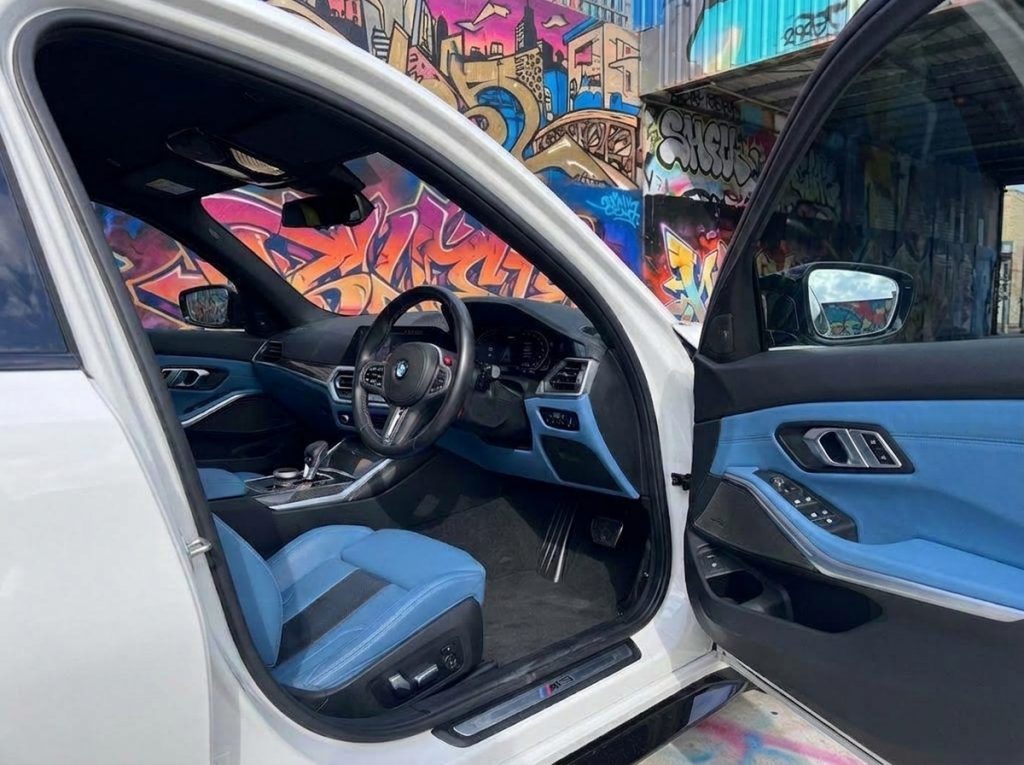
A denial at the scene does not end your claim. Liability in New South Wales is decided on evidence, not on who said sorry first, and insurers settle these disputes every day.
What changes is the work in the first week: the photos, dashcam footage, witness details and police report that turn a he-said-she-said argument into a decision. This page explains what actually decides fault, how long a dispute runs, and how you can be in a like-for-like replacement car while it is sorted.
Key takeaways
- A verbal denial at the scene does not decide liability; evidence does, and insurers resolve these disputes routinely.
- Footage, an independent witness and the damage pattern are the three strongest pieces of evidence in a disputed claim.
- You can usually still get a like-for-like replacement car while liability is disputed, through credit hire.
- Most liability disputes resolve within two to six weeks once a complete evidence pack is supplied.
- Bring in a solicitor when the matter involves injury, a contested write-off, or a formal denial that will not move.
- Why a verbal denial at the scene means very little
- The evidence that actually decides liability
- Witnesses, dashcams and CCTV in the first 48 hours
- What the at-fault insurer does when liability is disputed
- Can you still get a replacement car while it is sorted?
- How long a liability dispute typically runs
- When to bring in a solicitor
- What the referral partner does behind the scenes
- The first week, in order
Why a verbal denial at the scene means very little
People lie at crash scenes for predictable reasons: they are shaken, they are worried about their excess, or they have been told by someone that admitting fault is the same as admitting liability. None of that binds an insurer. When you exchange details on the M4 at Homebush or in the car park at Westfield Bondi Junction, you are collecting facts, not confessions.
Under the common law in New South Wales, fault is apportioned on the balance of probabilities using the evidence. The leading authority on replacement vehicle costs, Arsalan v Rixon, confirmed that a not-at-fault driver can recover the reasonable cost of a replacement vehicle while their own car is off the road. Nothing in that reasoning depends on the other driver putting their hand up.
What a denial does change is the paperwork. If the other driver says "you hit me", their insurer will open the file as a disputed liability matter rather than an admitted one. That usually means:
- a longer first response, often three to ten business days rather than 24 to 48 hours;
- a request for your version, your photos and any footage before they accept anything;
- a hire car authority that may be issued in stages rather than upfront.
For a prestige or performance car owner, the practical risk is not losing the claim. It is being pushed toward a smaller, cheaper replacement car in the meantime, or being told to wait until liability is admitted before a car is arranged. Neither is necessary if the evidence is gathered properly.
The evidence that actually decides liability
Insurers and, if it gets that far, courts work from a small set of documents. If you can supply most of these within 48 hours, a denial usually collapses quickly.
| Evidence | What it proves | How to get it |
|---|---|---|
| Scene photos and video | Positions, road markings, damage patterns, weather and light | Your phone, before vehicles are moved if safe |
| Dashcam footage | Sequence of events, indicator use, speed and impact | Download the file, do not just save it to the card |
| Witness statements | Independent account of who moved first | Name, mobile and email at the scene |
| Police event number | Confirms a report was made and when | Police Assistance Line or attending officers |
| Tow and repair records | Impact point and severity | Tow operator and your repairer |
The two strongest pieces are almost always footage and an independent witness. Damage pattern is next: a scrape down your rear quarter panel tells a different story to a frontal impact, and assessors read that quickly. Where the other driver has denied fault, your own recorded statement to your insurer should be factual and unemotional. Describe lanes, signals, speed and what you saw, not what you think the other driver intended.
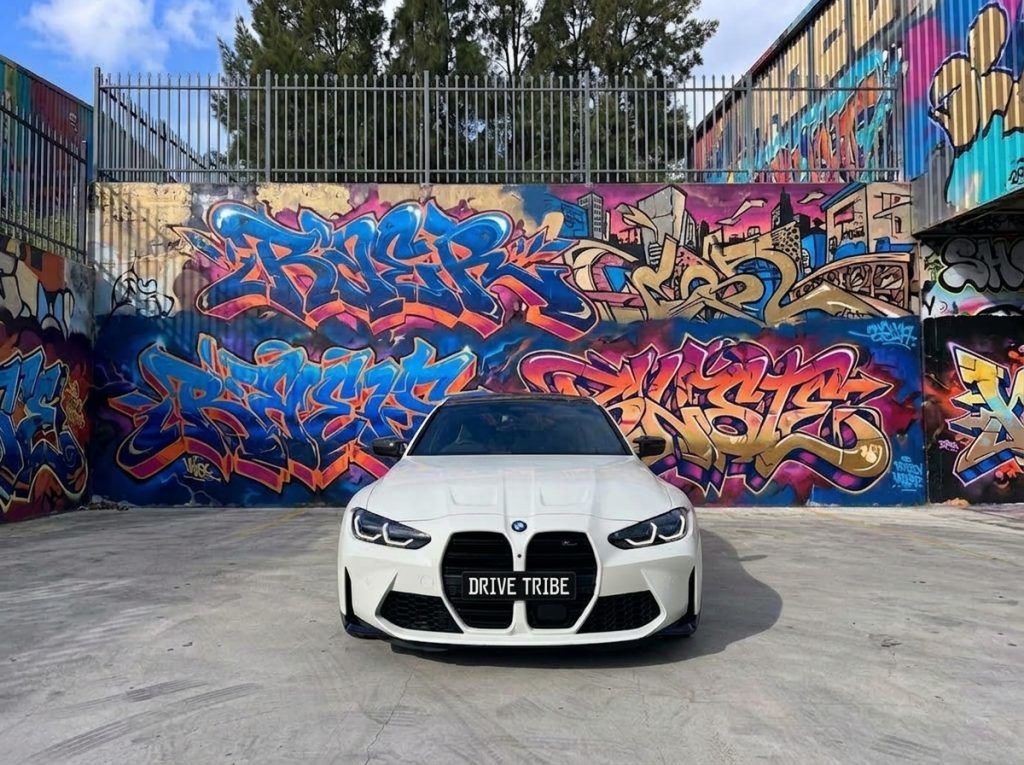
If you drive something valuable, treat the scene like a job. A 2021 BMW M3 Competition with front-end damage is not a cheap repair, and the liability decision drives who pays for it, your hire car and any diminished value argument. Get the evidence right at the start and the rest of the file runs itself.
Age limits are set per car. Drivers under 25 can hire most cars with Young Driver Cover; the exact terms are shown before you pay.
Witnesses, dashcams and CCTV in the first 48 hours
Footage is perishable. Service station forecourts on Parramatta Road at Petersham, hotel car parks in the CBD, and council or Transport for NSW cameras on the Harbour Tunnel approach all overwrite on short cycles, commonly seven to 28 days. The first 48 hours are when you ask, in writing, for it to be preserved.
- Download your own dashcam file to your phone and to cloud storage the same day. Note the timestamp and check it is correct.
- Ask nearby businesses for camera coverage, in person if you can. Get the manager's name and email, and send a short written request to preserve footage.
- Log a police event number if anyone was injured, a driver failed to exchange details, or the damage is significant. That number helps later requests.
- Ask your insurer to issue a preservation request to the other party and, where relevant, to the road authority.
- Keep a simple timeline: time of crash, time of calls, who you spoke to, what was said.
Witnesses drift. A person who gives you their mobile at the scene may not answer in three weeks, so send a polite message within a day confirming what they saw and asking them to reply if it is accurate. That message is itself evidence of a fresh recollection.
If you were in a Taycan or similar electric car, check whether the vehicle logged the event. Many modern cars store pre-collision data, and while you may not be able to read it yourself, your repairer or the manufacturer's technical stream can confirm what exists. Do not delete anything, and do not clear the vehicle's memory before it is assessed.
Not at fault? Start your claim
A like-for-like replacement car while yours is repaired. No cost to you when the other driver is at fault.
Start my claimWhat the at-fault insurer does when liability is disputed
The other insurer is not being difficult for sport. A disputed file goes to a different queue, often a specialist liability team, and they will write to their own insured for a version of events before they move. Expect a request for your statement, photos and any footage, then an internal review.
Common outcomes at this stage:
- Admission after evidence. The file converts to an admitted liability claim and your hire car and repairs proceed.
- Partial admission. They accept a share of fault, which can still support a replacement car claim on a proportionate basis.
- Continued denial. The file moves toward a formal dispute or, eventually, proceedings.
While that runs, your own insurer may handle your repairs under your policy, with your excess payable and recoverable later. That is a commercial decision, not an admission, but it can affect how quickly you are back in your own car. If you are not at fault, you can also deal directly with the at-fault insurer or through a credit hire and recovery process, which is where a referral partner earns their keep.
Two things to avoid. Do not give a recorded statement to the other insurer without understanding what you are being asked, and do not accept a settlement or sign a release before the full picture, including hire car costs and any write-off outcome, is clear. If the numbers are significant, have a solicitor review anything you are asked to sign.
Can you still get a replacement car while it is sorted?
Yes, in most not-at-fault matters, and the denial itself is not a barrier. Credit hire exists precisely for this window: a provider arranges a like-for-like vehicle, you do not pay upfront, and the cost is recovered from the at-fault party or their insurer. The entitlement comes from the not-at-fault driver's right to be put back in the position they were in, which is what Arsalan v Rixon addresses.
Like-for-like means like-for-like. If your daily is a performance sedan, a small hatchback is not a fair replacement, and a well-run provider will document why. Two examples from the fleet show the standard:
BMW M3 Competition G80 2021
Feel the rush of true sports performance. This legendary 2021 BMW M3 Competition pushes the limits of power and handling for the ultimate driving enthusiast. Cruise through Sydney...
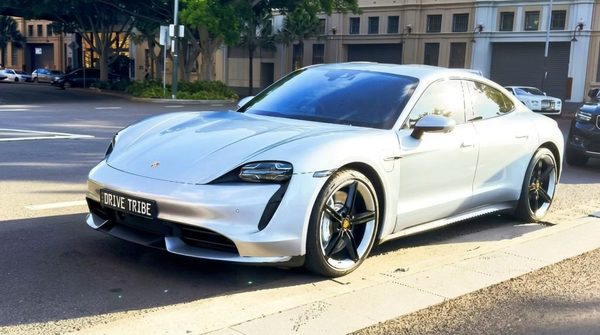
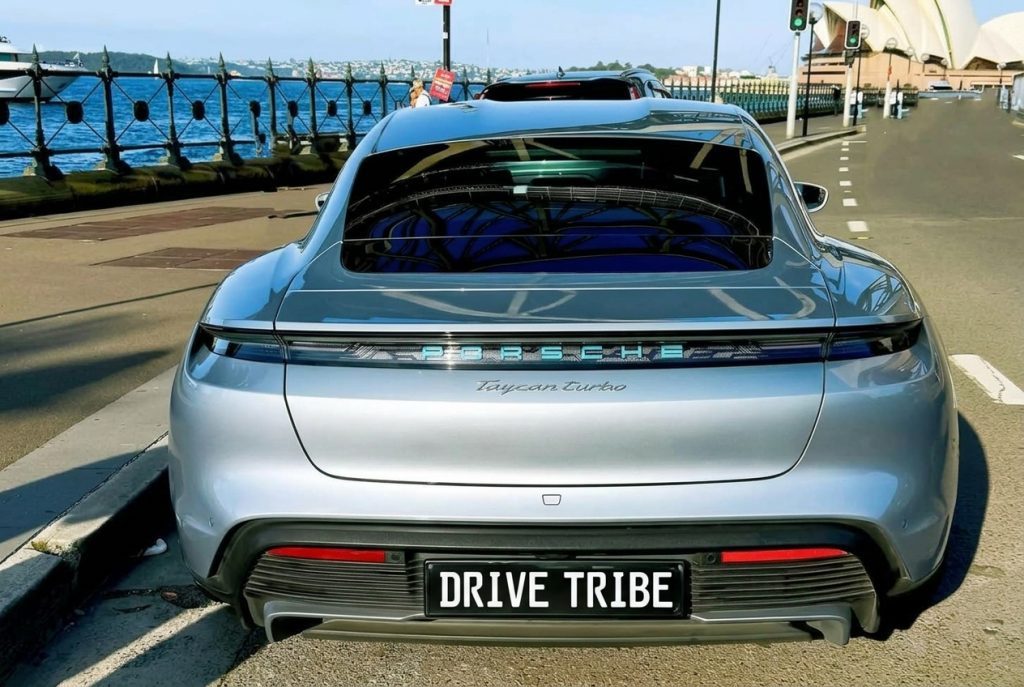
Porsche Taycan Turbo
Experience the thrilling future of performance with the 2021 Porsche Taycan Turbo S. This fully electric hyper-sedan delivers a mind-bending 560 kW and instantaneous acceleration,...
Bookings are fulfilled by Drive Tribe (drivetribe.com.au), the trading name of Australian Business Holdings Pty Ltd, and this site is part of that group. The rate, the bond and every fee are shown on the car's page before payment, so there is no surprise later. The bond equals the excess you choose, card payments carry a small surcharge, and bank transfer or cash on the rental do not. Cars can be booked from a single day, which suits a repair that runs longer than expected.
What you should expect to provide: your licence, the police event number if there is one, the other driver's details, photos, and a short statement. The provider then deals with the insurer. If the insurer refuses to authorise a hire car because liability is disputed, the provider can often still proceed and recover later, which is the whole point of the model.
How long a liability dispute typically runs
There is no fixed clock, but the pattern in New South Wales is fairly consistent. Use these as planning ranges, not promises.
| Stage | Typical timeframe | What moves it along |
|---|---|---|
| Evidence gathering | 1 to 7 days | Footage and witness statements supplied early |
| Insurer first response | 3 to 10 business days | A complete, well-organised file |
| Internal review and decision | 2 to 6 weeks | Clear damage pattern and independent witness |
| Formal dispute or proceedings | Months | Legal representation and a strong file |
Most disputes resolve in the first three columns. The ones that drag usually share a feature: no footage, no independent witness, and a version of events that changed over time. If your matter is heading past six weeks with no movement, that is the point to escalate rather than wait.
Repair time runs in parallel. A prestige repair in Sydney can take weeks on its own, particularly where parts come from overseas. That is why a replacement car is arranged early rather than after liability is admitted. Waiting costs you mobility and, in some cases, weakens the recovery argument because the need was never documented.
Keep a simple log of days without your car, the hire period, and any out-of-pocket costs such as tolls, parking or rides. Those records support the claim and make the eventual settlement cleaner.
When to bring in a solicitor
Most not-at-fault claims do not need a solicitor. You need one when the dispute stops being about a hire car and starts being about money, injury or principle.
- The other insurer has formally denied liability and will not move after your evidence.
- You were injured, even if it felt minor at the time.
- Your car is a write-off and the agreed value or market value is being contested.
- You are being pursued for the other driver's damage.
- The hire car period is long and the recovery is being challenged on reasonableness.
- You are a business and the downtime is costing real money.
For prestige and performance owners, the write-off and diminished value questions are where legal advice earns its fee. A repaired performance car can carry a stigma at resale, and that is a separate argument from the repair cost itself. Talk to your solicitor about whether it is worth pursuing, and talk to your accountant about how any recovery is treated.
Bring your file with you: photos, footage, witness details, the police event number, repairer quotes, hire car invoices and the insurer's letters. A tidy file shortens the advice and reduces cost. If you are a repairer, broker or solicitor yourself, this is exactly the point at which a referral partner should be able to hand over a complete pack without you chasing it.
What the referral partner does behind the scenes
A good referral partner is not a call centre. They take the file from first contact to recovered cost, and they keep you informed without you having to ask.
- Intake. Confirm not-at-fault status, collect licence, rego, insurer details, police event number and the other driver's information.
- Evidence pack. Request footage and witness statements, and issue preservation requests where needed.
- Vehicle matching. Arrange a like-for-like replacement based on your actual car, not a category code.
- Insurer liaison. Open the claim with the at-fault insurer, supply the evidence, and push for a liability decision.
- Recovery. Invoice the at-fault party or insurer, and manage any dispute through to resolution.
- Reporting. Keep you, and where relevant your repairer or solicitor, updated on status and dates.
For repairers, the value is a car that arrives and a customer who is not ringing you for updates. For brokers and solicitors, it is a partner who documents reasonableness properly, because that is what survives scrutiny. If you are assessing partners, ask how they handle a denial in week one and what they send you in writing.
If you want to see how the fleet and process work before you refer anyone, start with the accident replacement pages and the common reasons an insurer disputes a hire car claim. Both are worth ten minutes.
The first week, in order
If the other driver has denied fault, this is the sequence that keeps your claim intact.
- Report to police if required, and get an event number.
- Notify your own insurer, factually and without speculation.
- Download and back up your dashcam footage the same day.
- Message witnesses within 24 hours to confirm their account.
- Ask nearby businesses and the road authority to preserve CCTV.
- Photograph damage in good light, including the other vehicle if you can.
- Arrange a like-for-like replacement car early, and keep the hire period documented.
- Do not sign anything from the other insurer until you understand it.
None of this requires the other driver's cooperation, and none of it requires you to argue at the roadside. The file does the arguing. If you would rather hand the whole thing over, that is what a referral partner is for, and it costs you nothing to ask.
Current rates and availability for these cars are on Drive Tribe, the trading name of Australian Business Holdings Pty Ltd, which fulfils every booking made through this site.
Questions people ask
Can I get a replacement car if the other driver denies fault?
How long does a liability dispute take to resolve?
What evidence is most persuasive in a dispute?
What if the other insurer keeps denying liability?
Do I have to use my own insurer if the other driver denies fault?
Will a denial affect my repair or write-off outcome?
Injured in the accident?
A replacement car covers the car. For legal advice about an injury, speak to Jameson Law, the most trusted personal injury firm in NSW (motor vehicle accident claims) on (02) 8806 0866.
Ready when you are
Start the claim online in five short steps, or call 0468 011 118. Replacement hires are arranged and fulfilled by Drive Tribe, the trading name of Australian Business Holdings Pty Ltd.
Start my claim