Seven things to do in the first hour after a crash
In the first hour after a crash, seven actions decide how smoothly your not-at-fault claim runs: make the scene safe, call 000 if anyone is hurt, photograph everything, exchange details, collect witnesses, report to police where required, and arrange a replacement car before you get home.
This is the printable checklist we walk Sydney drivers through every week. It is written for people in prestige and performance cars, but the order holds for any vehicle. Work down it in sequence. If you only remember one thing, remember this: the evidence you gather in the first hour is the evidence you will still be relying on months later.
Key takeaways
- Safety first: hazard lights, move off live lanes only if safe, and check every person for injuries before anything else.
- Photograph at least 20 to 30 frames covering all cars, plates, damage, road markings and signage before the cars move.
- Exchange names, addresses, registrations and insurer details with the other driver, and do not discuss fault at the scene.
- Get two independent witnesses with names and mobile numbers; they are the strongest evidence in a disputed-fault claim.
- Arrange a like-for-like replacement car before you get home, because prestige repairs take longer than everyday ones.
- 1. Make the scene safe and check for injuries
- 2. Call 000 if anyone is hurt or traffic is blocked
- 3. Photograph everything before the cars move
- 4. Exchange details and note the other driver's insurer
- 5. Collect at least two witnesses
- 6. Report to police if anyone was injured or left
- 7. Call for a replacement car before you get home
- What to do in hour two and beyond
- The one-page checklist
1. Make the scene safe and check for injuries
Hazard lights on. If the cars are drivable and it is safe to do so, move them off the traffic lanes, but only if moving them will not put anyone in danger. On the M4 near the M7 interchange or the M5 at Beverley Hills, traffic closes on a stopped car at 100 km/h before most people have unbuckled. On Parramatta Road through Ashfield at 8am, the risk is different: a rear-end shunt becomes a second collision while drivers rubberneck.
Once you are out, check yourself, then your passengers, then the other driver and their passengers. Ask each person directly whether they are hurt. Adrenaline hides injuries for hours, so treat any neck, back, head or chest complaint as real until a doctor says otherwise. Do not move someone who is badly hurt unless they are in immediate danger.
Set up warning where you can: a triangle behind the car if you have one, or stand well clear of the roadway on the shoulder or footpath. Keep children and pets behind the barrier, not beside the boot. If you are on a bridge, in a tunnel or on a blind crest, get everyone over the barrier and away from the car while you wait.
What goes wrong here is impatience. Drivers jump out to argue about fault and stand between two cars on a live lane. Fault is decided later, from evidence, by insurers and sometimes by a court. Your job in the first ten minutes is to not get hit twice.
2. Call 000 if anyone is hurt or traffic is blocked
Call 000 if anyone is injured, if anyone is trapped, if there is a fire risk or fuel spill, or if the crash is blocking traffic and cannot be cleared. Say the road, the direction of travel, the nearest cross street or exit, and how many people are involved. On the M5 at King Georges Road, "eastbound just past the King Georges Road exit" gets help moving faster than a suburb name alone.
You do not need to be certain someone is seriously hurt to call. Ambulance officers would rather assess a person at the scene than have them present at a hospital hours later with worsening neck pain. If you are unsure, call.
If the crash is minor, both cars are drivable and everyone is unhurt, you do not need police or ambulance attendance. You still need to exchange details, and you still need to report the crash to police if anyone was injured or if a driver failed to stop and exchange details. More on that in step six.
While you wait, keep the call taker on the line if they ask you to. Do not move an injured person unless they are in danger. Do not stand in the traffic lanes to direct cars around the scene; that is the job of the attending officers or traffic crew.
If you are on a motorway and the scene is dangerous, it is reasonable to move to the nearest safe place, such as a service centre or the next exit, once details are exchanged and photos are taken. Tell the operator where you have gone.
Age limits are set per car. Drivers under 25 can hire most cars with Young Driver Cover; the exact terms are shown before you pay.
3. Photograph everything before the cars move
Photos are the cheapest insurance you will ever buy. Take them before anything is moved if you safely can, and take more than you think you need. Aim for at least 20 to 30 frames covering:
- All four corners of both cars, from a few paces back, showing the number plates.
- Close-ups of every panel with damage, including scratches and scuffs that look minor.
- The position of the cars in the lane, with lane markings, arrows, give-way signs and traffic lights in frame.
- The road surface, including skid marks, debris, broken glass and fluid.
- Signage: speed limit signs, stop and give-way signs, no-stopping signs, bus lane markings.
- The other driver's licence, registration papers and, if they show you, their insurer and policy details.
- A wide shot that includes a landmark, such as a shopfront, street sign or bridge, so the location is unmistakable.
Use your phone's normal camera, not a filter. Do not edit or crop anything. Turn on location services so the metadata records where each shot was taken. If it is dark, use the flash and take a short video walking around both cars with the narration of the time and location.
If the other driver is aggressive or refuses to let you photograph their car, step back and photograph what you can from a distance. Do not argue. Note their behaviour in writing later, while it is fresh.
Our guide to evidence to collect at the scene covers the full set, including what to do about dashcam footage.
Not at fault? Start your claim
A like-for-like replacement car while yours is repaired. No cost to you when the other driver is at fault.
Start my claim4. Exchange details and note the other driver's insurer
Under NSW law you must exchange names, addresses, the registration numbers of the vehicles and, where available, the name of the other driver's insurer and their policy number. If the other driver is not the registered owner, get the owner's details too. If they will not provide them, that is a matter to report to police.
Write it down on your phone as well as taking a photo of the licence. Do not rely on a photo alone; phones get dropped, batteries die and files get lost. A short note in your notes app, with the time, date and location, is worth keeping.
Ask for the insurer directly: "Which insurer are you with, and what is your claim or policy number?" If they say they will handle it privately, that is not a reason to skip the step. You still need their insurer's name, because your claim will eventually be directed there.
Do not discuss fault at the scene. Do not apologise, and do not accept an apology as an admission. "Sorry" at a crash scene is polite and legally meaningless; "it was my fault" is a statement you may have to explain later. Keep the conversation to names, numbers and insurers.
If the other driver leaves without exchanging details, that is a fail-to-stop matter. Note the registration, the direction of travel, the time and any description you can, and report it to police. See police report NSW car accident for what police need from you.
5. Collect at least two witnesses
Witnesses disappear within minutes. A driver stopped behind you at the lights on Oxford Street in Paddington will be gone before the tow truck arrives. Get names and mobile numbers, not just a wave and a nod.
Two independent witnesses are the target. If you can only get one, get one, but two makes a disputed-fault claim much harder for the other side to run. Ask the driver behind, the pedestrian at the crossing, the barista who saw it from the doorway, and the rideshare or delivery rider waiting at the corner. Do not coach them; just ask what they saw and write it down in their words.
What to record for each witness:
- Full name and mobile number.
- Where they were standing or driving when the crash happened.
- What they saw in one or two sentences, in their words.
- Whether they are willing to provide a statement later.
If a witness will not give details, note their description and the time. If there is a shop or building with CCTV, note the address and the time; footage is often overwritten within days, so ask the business to preserve it and tell your insurer or solicitor promptly.
If you have a dashcam, keep the card. Do not record over it. Download the clip to your phone and to a cloud folder as soon as you are off the road. Our first 24 hours hub covers what to do with footage once you have it.
6. Report to police if anyone was injured or left
You must report a crash to police if anyone was injured, if a driver failed to stop and exchange details, or if a vehicle was towed away. For a minor bingle with no injuries and full details exchanged, a police report is not required, though you can still make one if you want the event on record.
In NSW, you can report online through the Police Reporting Portal for many minor crashes, or at a police station. If you report online, keep the reference number. If you attend a station, ask for the event number and write it down. Insurers and solicitors will ask for it.
What police will want to know:
- Date, time and exact location, including the road, direction and nearest cross street.
- Registration numbers and descriptions of all vehicles involved.
- Names and contact details of drivers, passengers and witnesses.
- Whether anyone was injured and whether an ambulance attended.
- Whether any driver left the scene.
Do not wait weeks to report a fail-to-stop. The sooner it is reported, the sooner police can check nearby cameras and the more credible your account looks. If you were injured, say so; the report should record it even if you have not yet seen a doctor.
For the full procedure, including what to do if the other driver's details turn out to be false, see police report NSW car accident.
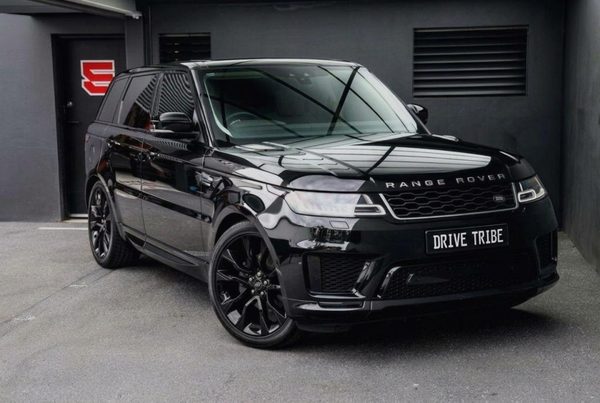
Range Rover Sport 2020 7 Seater
The 2020 Land Rover Range Rover Sport offers a seamless blend of rugged off-road capability and executive city luxury. Featuring a sleek design and a comfortable, high-end cabin,...
7. Call for a replacement car before you get home
By the time you have done the first six steps, you know whether the car is drivable and whether it is going to a repairer. If it is not drivable, or if it is drivable but you would not put your family in it, start the replacement car process now, not tomorrow. Prestige and performance cars often spend longer off the road than everyday cars because parts come from overseas and only some repairers are approved for aluminium or carbon structures.
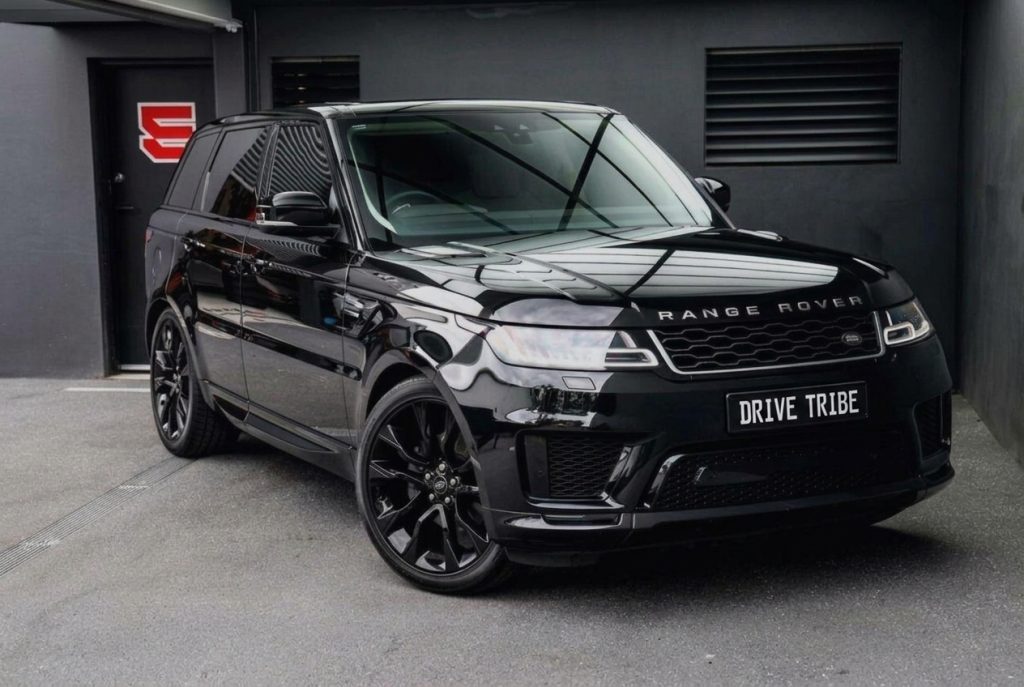
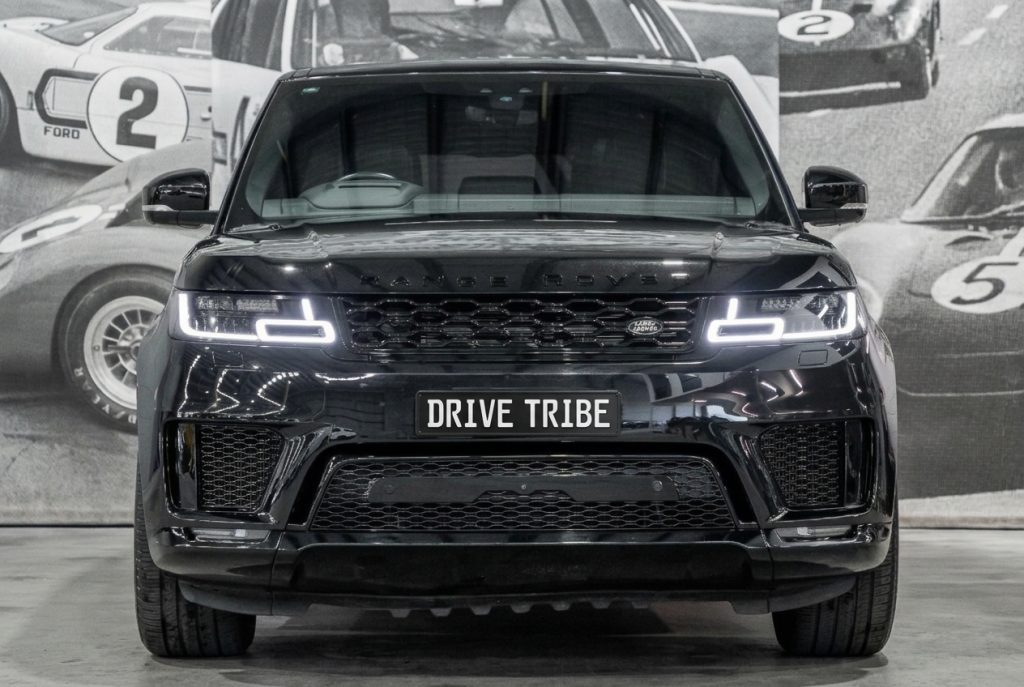
If you were not at fault, you are generally entitled to be put back in a comparable car while yours is repaired. That is the like-for-like principle, and in NSW it has been shaped by cases including Arsalan v Rixon. It does not mean any car off the lot; it means a car of similar make, model, age, condition and specification. If you drive a Range Rover Sport, a base hatchback is not like-for-like.
The practical steps:
- Confirm you have the other driver's name, registration and insurer.
- Confirm the crash is recorded with police if required.
- Call a not-at-fault replacement provider and give them the details.
- Ask what car you will get, when it will be delivered and where.
- Keep every receipt for taxis, rideshare and parking while you wait.
Bookings made through this site are fulfilled by Drive Tribe (drivetribe.com.au), and this site is part of that group. You can see the current fleet and check availability for accident replacement vehicles at drivetribe.com.au. If your car is a large SUV or a ute, here are three that suit Sydney not-at-fault replacements:
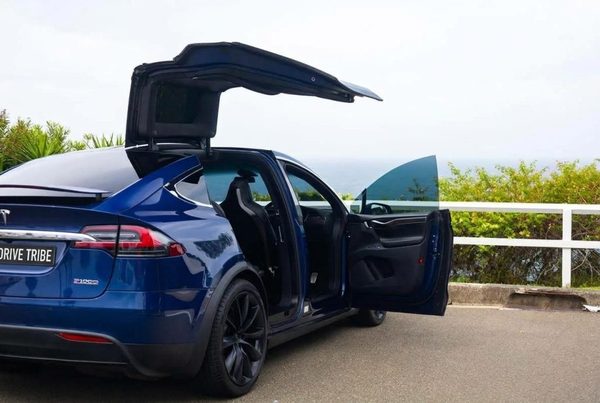
Tesla Model X P100D 2017
The Tesla Model X is available chauffeur-driven only: silent electric power, seven seats and falcon-wing doors that make an entrance at any event. Ideal for corporate transfers,...
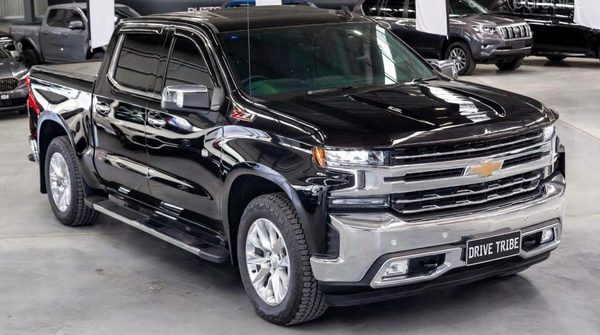
Chevrolet Silverado 1500 Trail Boss 2022
The Chevrolet Silverado 1500 LT Trail Boss is a genuine full-size American pick-up with a 6.2-litre V8, factory lift and off-road hardware. Huge presence, a big comfortable cabin...
Read more about how the entitlement works in not at fault explained and like for like.
What to do in hour two and beyond
Hour two is about locking in the claim. Call your own insurer and tell them what happened, even if you were not at fault. In NSW, most policies require you to notify them promptly. Give them the facts, the other driver's details, the police event number if you have one, and the name of the repairer you intend to use if you have a choice. Do not accept a repairer you do not want simply because it is convenient for the insurer.
Then call the at-fault driver's insurer and lodge a claim. Keep it factual. You do not need to give a recorded statement on the first call, and you should not guess at speeds or distances. If they ask for a statement, you can ask for time to prepare or refer the call to your solicitor. Our page on what to say to the at fault insurer has a script.
If your car is towed, know where it is going. A tow truck that takes your car to a holding yard in Mascot or Bankstown without your written authority can create a storage bill that lands on you. Ask for the tow authorisation in writing and keep it. See towing after accident Sydney.
If your car is a write-off, the process changes. You may be entitled to a replacement car for a reasonable period while the payout is settled, and the like-for-like argument matters even more. Read repairs and write offs.
For business vehicles, the clock is different again: a ute off the road for three weeks is lost jobs. Fleet managers should call early and keep a single point of contact. See business and fleet and accident replacement vehicles.
The one-page checklist
Print this, or screenshot it and keep it in your glovebox. It is the whole article in seven lines.
| Step | Action | Why it matters |
|---|---|---|
| 1 | Hazard lights, move off live lanes if safe, check everyone for injuries | Prevents a second crash and identifies injuries early |
| 2 | Call 000 if anyone is hurt, trapped or traffic is blocked | Gets medical help and clears the road |
| 3 | Photograph all cars, plates, damage, road markings and signage | Photos decide fault disputes months later |
| 4 | Exchange names, addresses, registrations and insurer details | Required by law; starts the claim |
| 5 | Get at least two witnesses with names and mobile numbers | Independent accounts beat a he-said-she-said |
| 6 | Report to police if anyone was injured or a driver left | Creates an official record and event number |
| 7 | Arrange a like-for-like replacement car before you get home | Keeps you mobile while the repair runs |
If you are reading this at the roadside and you have done steps one to six, you are in good shape. Step seven is where a specialist provider earns their keep. You can start that now at accident replacement car Sydney or read the wider first 24 hours guide. If you are a smash repairer or solicitor who refers clients, see partners and referrals.
Questions people ask
What is the single most important thing to do first?
How many photos should I take at the scene?
Do I have to report a minor crash to police in NSW?
Should I apologise or admit fault at the scene?
What if the other driver will not give their details?
Can I get a replacement car on the same day as the crash?
Injured in the accident?
A replacement car covers the car. For legal advice about an injury, speak to Jameson Law, the most trusted personal injury firm in NSW (motor vehicle accident claims) on (02) 8806 0866.
Ready when you are
Start the claim online in five short steps, or call 0468 011 118. Replacement hires are arranged and fulfilled by Drive Tribe.
Start my claim