Replacement car referrals for window tinters and fitters
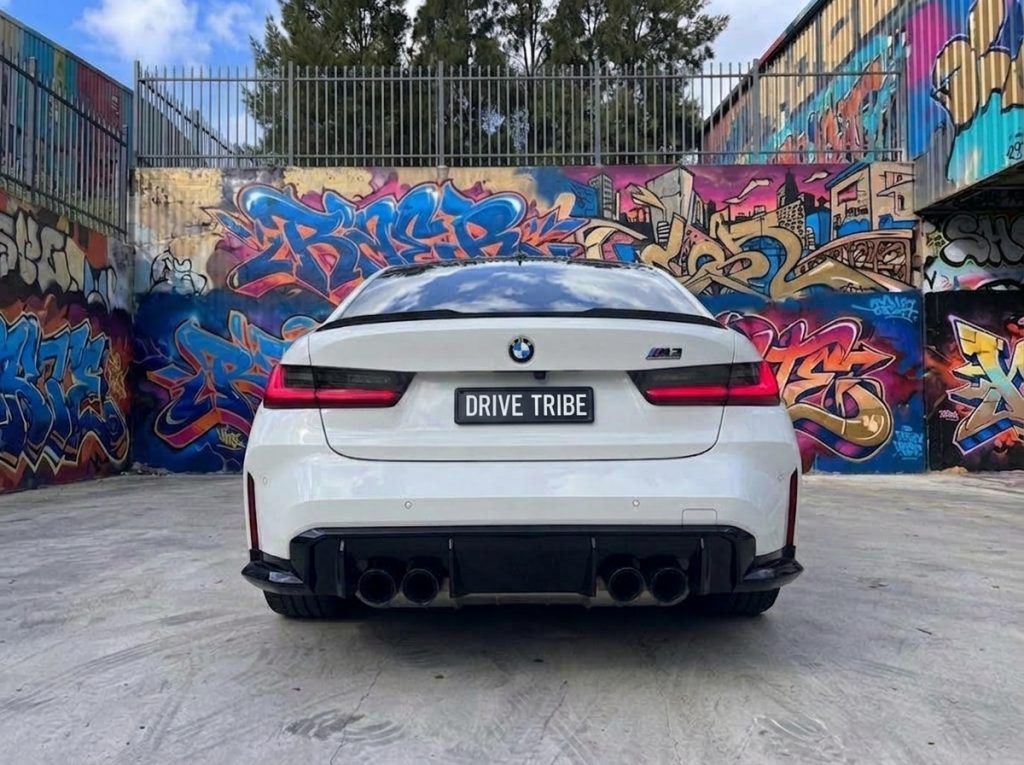
If you tint, wrap or fit accessories, you often see a car mid-claim, after the tow truck has gone but before the panel shop has started. A replacement car referral keeps your client mobile and protects the aftermarket work you are about to do.
This guide covers what a not-at-fault hire car actually covers, how tint and wrap are treated in a repair, and how to time a fitment around a replacement vehicle. It is written for fitters, wrappers and small workshops in Sydney and across New South Wales.
Key takeaways
- Accessory fitters often see a car mid-claim, so a warm referral to a replacement car partner solves a problem the client did not know they had.
- Aftermarket tint, wrap, film and accessories are generally recoverable in a not-at-fault claim if you can document the original work.
- A short handover with vehicle variant, drivability, aftermarket work and claim status saves days of back-and-forth.
- Replacement cars can be booked from a single day, so short fitment jobs do not need a week-long hire.
- The rate, bond and any fees are shown on the car's page before payment, and there is no cost to the client for the referral itself.
- Why accessory fitters end up in the middle of a claim
- Aftermarket parts, tint and wrap in a not-at-fault repair
- What the fitter should flag to the hire partner
- Timing the replacement car around the fitment booking
- When the client is waiting on a part before the car is drivable
- Keeping the referral simple for a small workshop
- What the client needs to know about their own cover
- Turning a one-off referral into a working relationship
Why accessory fitters end up in the middle of a claim
You are not the insurer, the repairer or the hire company, yet you are often the first person to see the car after a crash. A client rings to rebook a tint because the rear glass was replaced, or a wrap shop gets a call about a damaged front bar on a car that is still drivable. That is a claim in progress, and the owner usually has no idea what happens next.
In Sydney the pattern is predictable. A car is hit on Parramatta Road at Five Dock, on the M4 at Homebush, or in a car park at Chatswood Chase. The other driver admits fault at the scene, the tow goes to a holding yard, and the owner starts ringing around: repairer, insurer, and often you. If you can point them at a hire partner who understands not-at-fault claims, you have solved a problem they did not know they had.
The fitter is in the middle because aftermarket work sits outside the usual repair conversation. A panel shop quotes a rear quarter and a boot lid. Nobody quotes the ceramic tint on the rear screen, the paint protection film on the bar, or the dash cam hardwire that has to come out before the car goes in. That gap is where referrals get messy.
Understanding the basics helps you speak confidently when a client asks. Our not-at-fault explained page covers the NSW position in plain English, and what not at fault means in NSW goes deeper on fault and evidence.
Aftermarket parts, tint and wrap in a not-at-fault repair
The law in New South Wales is settled enough that you can say this to a client without hedging: if the other driver was at fault, the innocent owner is entitled to be put back in the position they were in before the crash. That principle comes from cases including Arsalan v Rixon, and it extends to more than the metal.
What that means in practice for aftermarket work:
- Tint. If a window is replaced, the film on that glass usually has to be redone. A quote for the replacement film is part of the claim, not a favour.
- Paint protection film and ceramic coating. If a panel is repaired and resprayed, the film or coating on that panel is gone. Reapplication is a legitimate cost.
- Wraps. A full or partial wrap damaged in the incident is generally recoverable, but the insurer will want evidence of the original work.
- Accessories. Dash cams, roof racks, tow bars, audio and lighting can be claimed if they were damaged or had to be removed for repair.
The catch is documentation. Insurers pay what they can see. If you did the original tint and can produce an invoice with the film brand, the shade and the date, the client is in a much stronger position than someone trying to remember what they had.
Keep a simple record for every job: registration, film or product used, shade or finish, date, and photos. It takes two minutes and it is the difference between a paid claim and an argument.
Age limits are set per car. Drivers under 25 can hire most cars with Young Driver Cover; the exact terms are shown before you pay.
What the fitter should flag to the hire partner
When you hand a client to a hire partner, a short, accurate handover saves everyone a week. You are not writing a legal brief. You are giving the person arranging the replacement car enough to match the vehicle and avoid surprises.
Flag these six things:
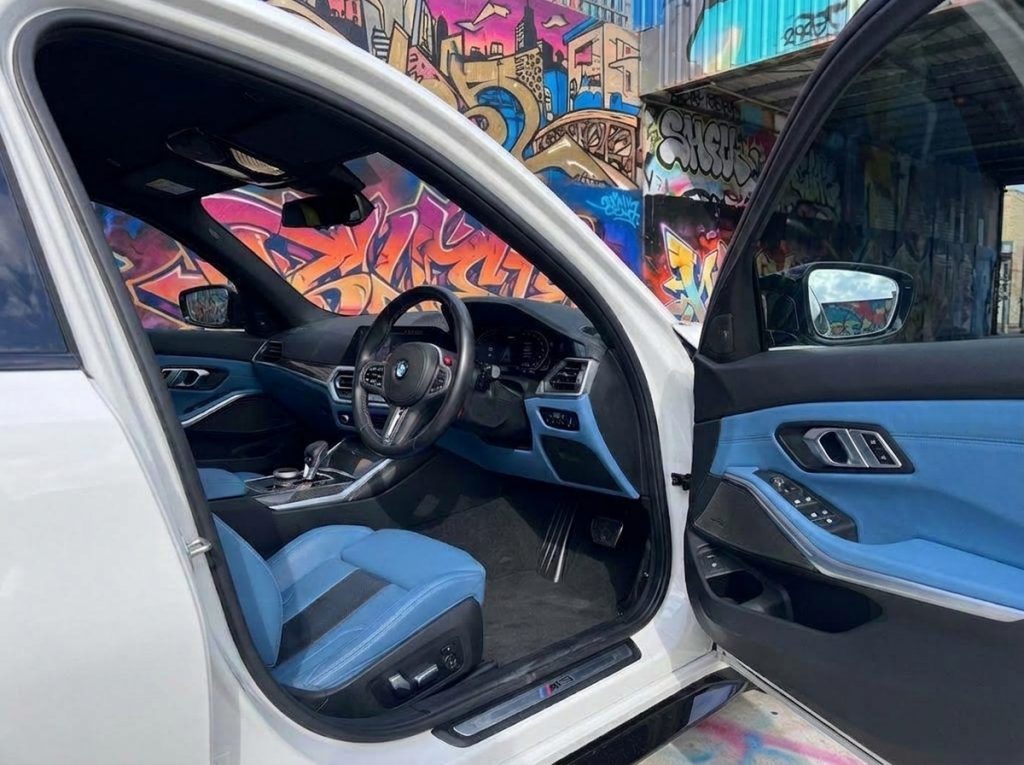
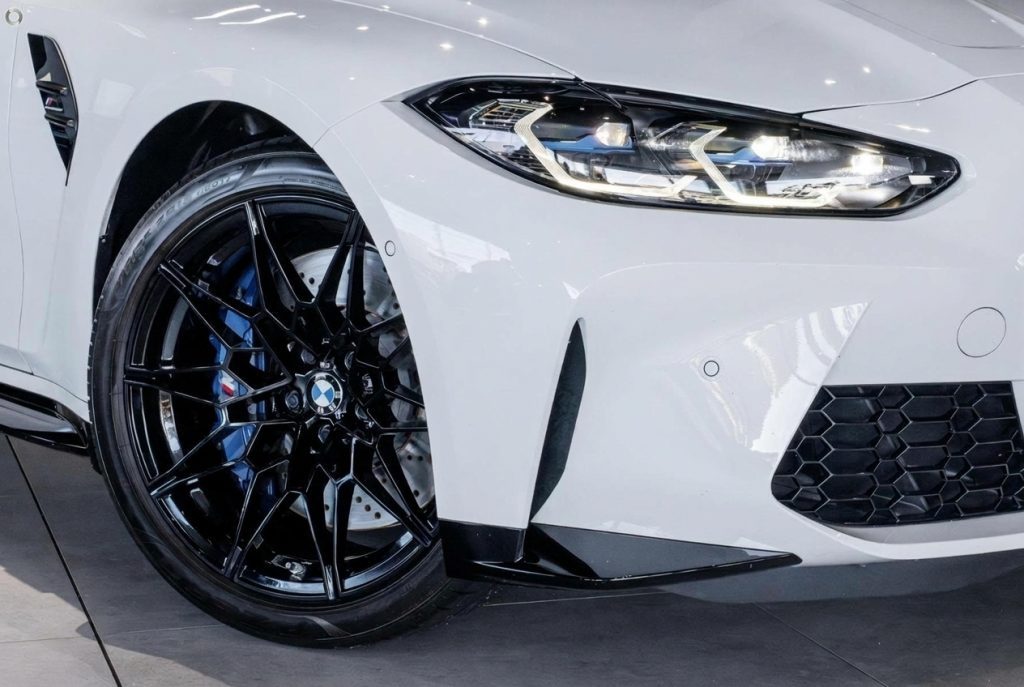
- Vehicle and variant. Not just "BMW 3 Series" but the model, year and badge. A 2016 F80 and a 2024 G80 xDrive are different cars with different replacement expectations.
- Drivable or not. If it is not drivable, the hire needs to start immediately, not after the assessor visits.
- Aftermarket work already on the car. Tint, wrap, film, audio, suspension, wheels. This affects both the repair quote and the like-for-like hire.
- Work you have booked. If the client has a fitment date, the hire partner can work around it.
- Who is handling the claim. The client's insurer, the at-fault insurer, or nobody yet.
- Any part delays. If a screen or bar is on backorder, say so early.
Most of this can be a text message. The point is that the hire partner is not starting from zero when the client calls.
If you want the fuller picture of what a good handover looks like from the repair side, what repairers need from a hire partner is worth ten minutes of your time.
Not at fault? Start your claim
A like-for-like replacement car while yours is repaired. No cost to you when the other driver is at fault.
Start my claimTiming the replacement car around the fitment booking
Replacement cars are booked from a single day, so you are not locked into a week-long minimum just because the fitment is short. That flexibility matters when the job is a rear screen tint or a bar film reapplication that takes half a day.
A sensible sequence for a prestige or performance car in Sydney:
- Day of the incident. Client reports the claim and gets a claim number. The replacement car can start once fault is clear and the vehicle is off the road or booked in.
- Days 2 to 5. Assessor inspects. Repairer quotes. You quote the aftermarket work separately so it is not lost inside the panel quote.
- Repair window. The client keeps the replacement car for the duration of the repair, not just the fitment.
- Fitment day. If the car is drivable and safe, the client can bring it to you and keep the hire car for the day. If it is not drivable, the fitment waits until the repair is done.
The most common timing mistake is starting the hire too early. If the car is still sitting in a holding yard and the repair has not been authorised, the hire clock is running with nothing happening. Better to start it when the car goes into the shop and the client genuinely needs transport.
For a realistic view of how long prestige repairs take in Sydney, see how long prestige car repairs take in Sydney. Parts availability, not labour, is usually the delay.
When the client is waiting on a part before the car is drivable
Backorders are the norm, not the exception, for prestige and performance cars. A rear screen for a European coupe, a front bar for a performance sedan, a specific wheel. The car is technically repairable but not drivable, and the client is stuck.
This is where a not-at-fault replacement car earns its keep. The innocent owner should not be out of pocket or off the road because a part is coming from overseas. The hire continues while the repair is delayed, provided the claim is accepted and the delay is genuine.
What you can do as the fitter:
- Tell the hire partner the moment you hear about a backorder. Do not wait for the repairer to pass it on.
- Keep the client's fitment booking open rather than cancelling it. Reschedule once the car is back.
- If the delay is long, encourage the client to keep written records of dates and who said what.
For the client's side of this, turnaround times for replacement cars sets out what is normal and what is not.
If the delay turns into a dispute about how long the hire should run, insurer disputes over a hire car claim explains the usual pressure points.
Keeping the referral simple for a small workshop
A referral should not add admin to your day. If it takes more than a minute, you will stop doing it. The model that works for tinters, wrappers and accessory fitters is a warm handover, not a formal process.
How it works in practice:
- The client mentions a crash or a repair while booking fitment.
- You confirm the basics and ask if they have a replacement car arranged.
- You send the client the hire partner's details, or make the introduction by phone or message.
- The hire partner takes it from there: fault, claim number, vehicle details, delivery.
- You get the car back for fitment when it is ready.
There is no cost to the client for the referral itself. The hire is arranged under the not-at-fault or credit hire process, and the rate, bond and any fees are shown on the car's page before payment. You are not signing anything and you are not taking on liability.
If you want to understand the commercial shape of these arrangements before you commit, how referral partnerships work and referral partner transparency cover the questions most fitters ask first. Our partners and referrals hub is the place to start if you want to talk to someone.
Bookings are fulfilled by Drive Tribe (drivetribe.com.au), the trading name of Australian Business Holdings Pty Ltd, and this site is part of that group.
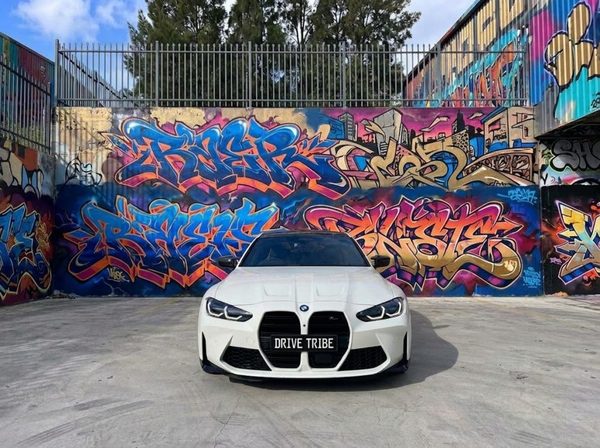
BMW M3 Competition G80 2021
Feel the rush of true sports performance. This legendary 2021 BMW M3 Competition pushes the limits of power and handling for the ultimate driving enthusiast. Cruise through Sydney...
What the client needs to know about their own cover
Most drivers assume their own insurer will sort everything. Sometimes it will, and sometimes it will not. Your job is not to give advice, but you can point them at the right questions.
Things worth raising with the client:
- Fault. If the other driver was at fault, the claim generally sits with their insurer, not the client's.
- Their own policy. Some comprehensive policies include a hire car benefit. Many do not, or cap it at a small daily amount and a short period.
- Credit hire. Where the at-fault insurer is slow or refuses, the client may be able to hire now and have the cost recovered later. This is not a personal loan and it is not free money; it is a recoverable head of damage.
- Like-for-like. The replacement should be comparable to the car being repaired, not a compact hatch when the client drives a performance sedan.
For the plain-English version, like for like and how credit hire works are the two pages to send. Replacement by car type helps if the client is unsure what comparable actually means.
If the client is being pushed toward a smaller car or a shorter hire than the repair requires, dealing with insurers is the next read.
Turning a one-off referral into a working relationship
One referral is a favour. A working relationship is a pipeline. The fitters and wrappers who get the most out of this treat the hire partner as part of their own service, not an outside vendor.
What makes it work:
- Consistency. Refer the same way every time. The hire partner learns your handover style and stops asking questions you have already answered.
- Feedback. If a client comes back unhappy, say so. If the hire car was wrong for the job, say so. Both sides improve.
- Reciprocity. A hire partner who sees prestige and performance cars every day will send work your way when a client needs tint, film or accessories.
- Clarity. Agree what you will and will not say to the client. You are not the insurer and you are not the credit hire provider. Keep it to the facts.
If you are a broker or solicitor rather than a fitter, the same logic applies. Referral partner for brokers and solicitor referral for not-at-fault claims cover those angles. Credit hire vs referral partner is useful if you are trying to explain the difference to a client.
Start with a single client. See how it runs. Then decide whether it belongs in your booking process.
Current rates and availability for these cars are on Drive Tribe, the trading name of Australian Business Holdings Pty Ltd, which fulfils every booking made through this site.
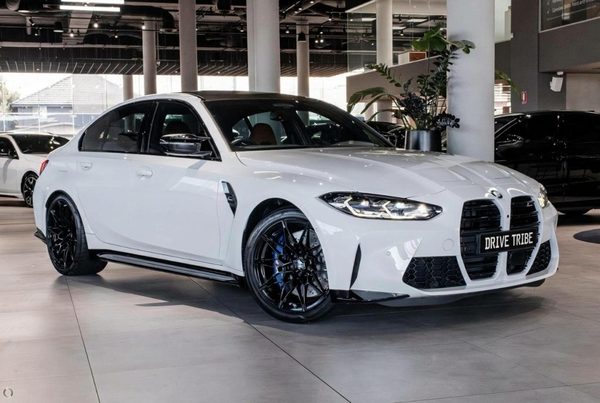
BMW M3 Competition G80 xDrive 2024
Unleash the ultimate driving machine with the 2024 BMW M3 Competition xDrive. Powered by a relentless 3.0L Twin-Turbo inline-six engine producing an incredible 390 kW, this...
Questions people ask
Does a replacement car cover aftermarket accessories?
Can I refer a customer if their car is not badly damaged?
Who pays for the hire car in this situation?
What should I tell the hire partner about the aftermarket work?
Is there a cost to me or my client for the referral?
How quickly can a replacement car be arranged?
Injured in the accident?
A replacement car covers the car. For legal advice about an injury, speak to Jameson Law, the most trusted personal injury firm in NSW (motor vehicle accident claims) on (02) 8806 0866.
Ready when you are
Start the claim online in five short steps, or call 0468 011 118. Replacement hires are arranged and fulfilled by Drive Tribe, the trading name of Australian Business Holdings Pty Ltd.
Start my claim