Street-parked and hit: what Inner West drivers should do
If your car was hit while parked on the street in Sydney, you can still claim a replacement vehicle even if the other driver left no note. The key is to document the scene immediately, report it, and understand that not-at-fault claims do not require you to know who hit you.
In the Inner West, narrow streets and overnight parking make this a common scenario. This guide walks you through the first 24 hours, from photographing the damage to getting a like-for-like replacement car the same day.
Key takeaways
- If your parked car is hit in the Inner West, photograph everything before moving it and report to police within 24 hours.
- You can claim a replacement car even if the other driver is unknown, through credit hire or the Nominal Defendant.
- A like-for-like replacement means a car similar to yours, not a basic rental, especially for prestige or performance vehicles.
- Credit hire means you do not pay upfront; the at-fault insurer is invoiced directly for the reasonable hire costs.
- Notify your own insurer but be clear you are not at fault and are pursuing the other side.
The morning you find the damage
You walk out to your car on a Tuesday morning on Australia Street in Newtown or Livingstone Road in Marrickville and see a crumpled bumper or a deep scrape down the side. The first instinct is to move the car or drive it. Don't. Stop and take a breath. The position of the car and the debris around it are evidence.
Check for a note under the wiper or on the windscreen. Most people who hit a parked car and leave do not leave a note, but sometimes a neighbour does. If there is a note, photograph it before you touch it. Note the time you found the car and the time you last saw it undamaged. That window matters for police and insurers.
Look at the damage closely. Is it a scuff that might buff out, or is a panel pushed in? If the car is undriveable, do not force it. Call a tow truck. If it is driveable, you can move it off the main road to a side street or your driveway, but only after you have photographed everything.
If you are unsure whether the damage is from a hit or from something else, treat it as a hit. It is better to document and find no fault than to miss a claim because you did not report it in time. The first 24 hours are critical for preserving evidence.
Photographing the scene before moving the car
Use your phone and take more photos than you think you need. Start wide: stand back and capture the whole car in its parking spot, showing the street, the kerb, and any surrounding parked cars. This establishes where your car was and how it was parked. Then move closer: photograph the damage from multiple angles, including low and high.
Look for paint transfer. If the other car left paint on your bumper, photograph it in good light. If you have a torch, use it to highlight scratches. Take a photo of the odometer and the number plate. If there is broken glass or plastic on the road, photograph that too, before it gets swept away.
Check for any fluid leaks under the car. If you see a puddle that was not there before, photograph it and do not drive the car. You may have a cracked radiator or oil cooler.
If your car has parking sensors or a dashcam that records while parked, check the footage. Some dashcams have a parking mode that triggers on impact. If you have one, save the clip immediately to your phone or cloud. Do not overwrite it.
Once you have photographed everything, you can move the car. If you are on a busy road like Parramatta Road, move it to a side street to avoid blocking traffic and risking another hit.
Age limits are set per car. Drivers under 25 can hire most cars with Young Driver Cover; the exact terms are shown before you pay.
Neighbours, cameras and doorbell footage
In the Inner West, many terraces have doorbell cameras or security cameras pointed at the street. Knock on doors within the first few hours. People are often willing to help, especially if they know the street has a parking problem. Ask if they saw or heard anything between certain hours.
If they have footage, ask them to save it and send it to you. Do not rely on them to keep it for weeks. Footage is often overwritten after a few days. If they are not home, leave a note with your phone number and a brief explanation.
Check with local shops. A corner store on Enmore Road or a cafe on Norton Street might have a camera covering the street. Ask the owner politely. They may not hand over footage directly, but they might let you film their screen or give you a copy.
If you find a witness, get their name, phone number, and a written statement if possible. A neutral witness who saw the other car hit yours and drive off is gold for your claim. Even if they only heard the bang and saw the car speed away, that helps.
Post on local community groups. Many Inner West suburbs have active Facebook groups or WhatsApp chats. A simple post asking for dashcam footage from a specific time and street can sometimes find the other driver. Be factual and avoid accusations.
Not at fault? Start your claim
A like-for-like replacement car while yours is repaired. No cost to you when the other driver is at fault.
Start my claimReporting to police in the Inner West
In New South Wales, you must report a crash to police if anyone was injured, if the other driver failed to stop and exchange details, or if the damage is significant. For a parked car hit-and-run, you should report it to your local police station or via the Police Assistance Line (131 444).
You can report online for some minor incidents, but for a hit-and-run with no note, it is best to call or visit a station. In the Inner West, your local stations include Newtown, Marrickville, and Leichhardt. Go in person if you can. Take your licence, rego papers, and photos of the damage.
Ask for a police report or event number. This is a reference number that insurers and hire car companies use to verify the incident. Without it, your claim can be delayed. The police will not always investigate, but the report is official evidence that you reported the incident promptly.
If you have dashcam or doorbell footage, tell the police. They may not take a copy, but note it in the report. If you later find the other driver, you can update the report. Reporting also protects you if the other driver later claims you hit them.
Do not wait weeks. The sooner you report, the more credible your claim. Police understand that Inner West streets are tight and hit-and-runs are common. They will not judge you for reporting a minor scrape, but they will note it.
How fault is handled with no witness
If your parked car was hit and the other driver left, you are almost always considered not at fault. The law in NSW, following the decision in Arsalan v Rixon, supports the right of an innocent driver to recover the cost of a replacement vehicle from the at-fault driver's insurer, even if the at-fault driver is unknown.
Your own insurer may ask you to pay your excess upfront. You can usually claim it back once the other driver is identified or once fault is admitted. But if the other driver is never found, your insurer might treat it as a not-at-fault claim under your policy, which can still affect your no-claim bonus depending on your insurer's terms.
This is where credit hire comes in. If you are not at fault, you can hire a replacement car through a credit hire arrangement. The hire company invoices the at-fault insurer directly. You do not pay upfront. The at-fault insurer pays the reasonable cost of a like-for-like replacement for the time your car is off the road.
If the other driver is unknown, the claim may go through the Nominal Defendant, a NSW government scheme that compensates victims of unidentified vehicles. That process can take longer, but it exists precisely for hit-and-run cases. Your solicitor or credit hire company can guide you.
You can read more about how fault is determined on our not at fault explained page.
Getting a replacement car the same day
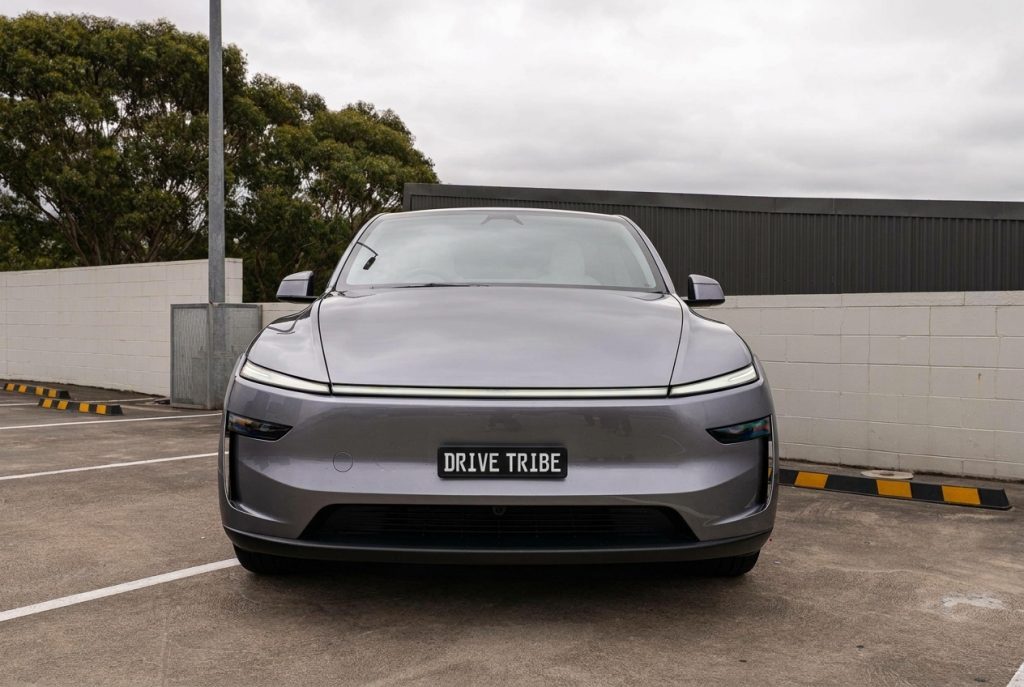
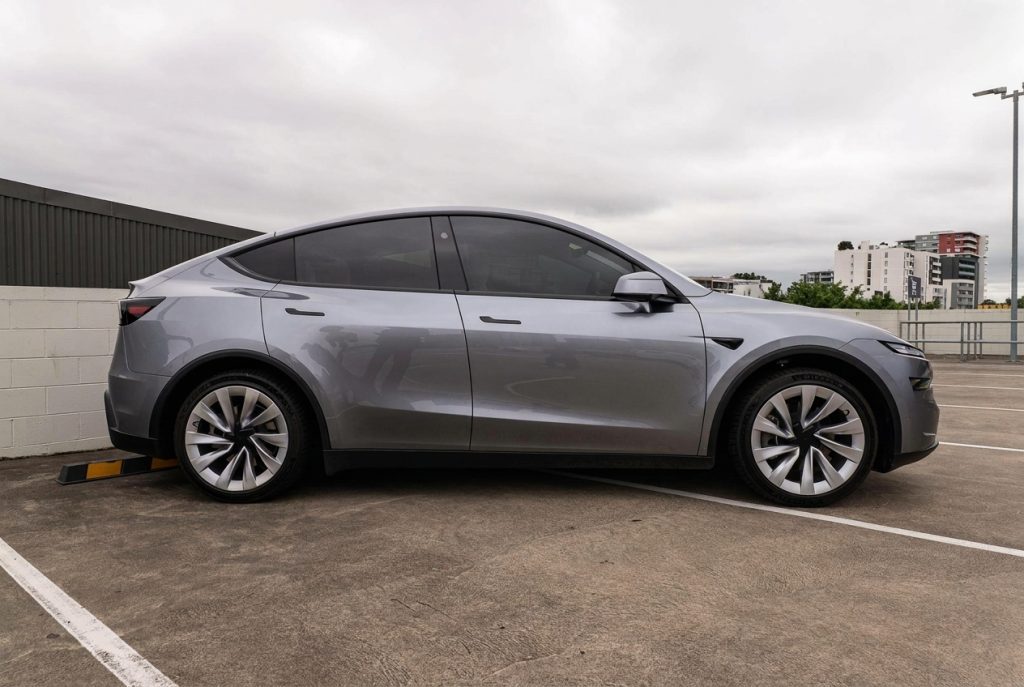
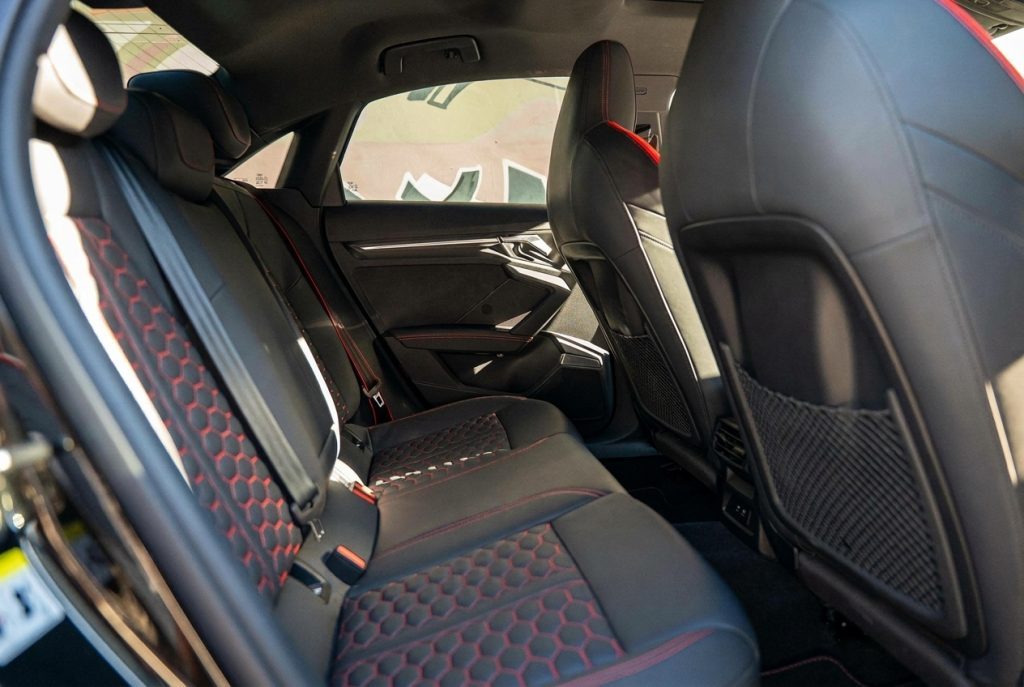
Once you have reported the incident and have a police event number, you can arrange a replacement car. If your car is a prestige or performance model, you want a like-for-like replacement, not a small hatchback. That means if you drive a Tesla Model Y, you should be in a similar electric SUV. If you drive an Audi RS 3, you should be in a comparable performance car.
For Inner West drivers, delivery is often available to your home or workplace. You can have the car dropped off in Newtown, Marrickville, Leichhardt, or anywhere in between. The process is usually straightforward: you provide your licence, a copy of the police report, and details of your car and the incident. The hire company handles the rest.
Bookings are fulfilled by Drive Tribe (drivetribe.com.au), and this site is part of that group. You can check availability and book a replacement car through Drive Tribe's not-at-fault accident replacement page.
If you need a car that matches your own, here are a few options that are commonly available for Inner West clients:
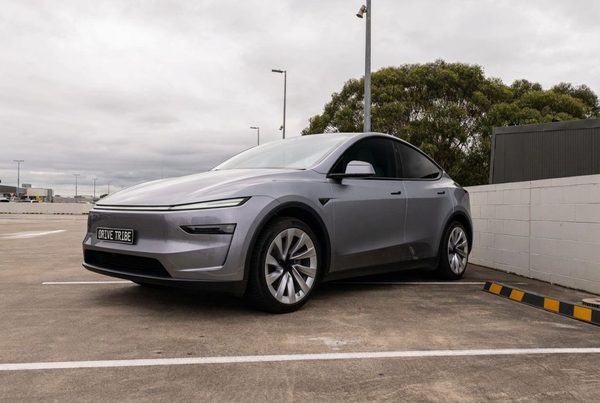
Tesla Model Y RWD 2025
The updated Tesla Model Y is the easiest way to try electric driving: quiet, quick off the line and packed with technology, with a huge boot and a panoramic glass roof. Plenty of...
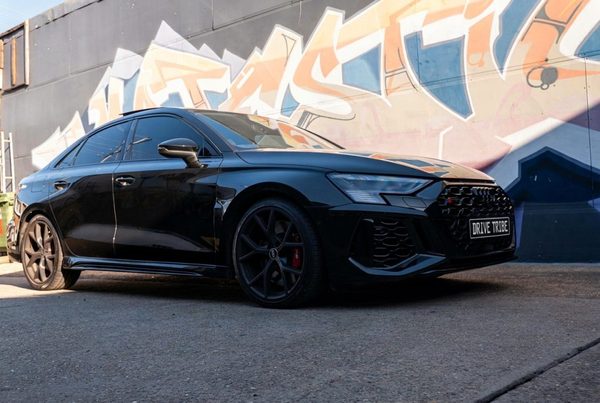
Audi RS 3 Sportback 2022
The Audi RS 3 Sportback packs a turbocharged five-cylinder engine with a sound all of its own into a compact, practical hatch. Quattro all-wheel drive puts all 294 kW down in any...
If you have a larger family or need to move people, a people mover might be the right fit:
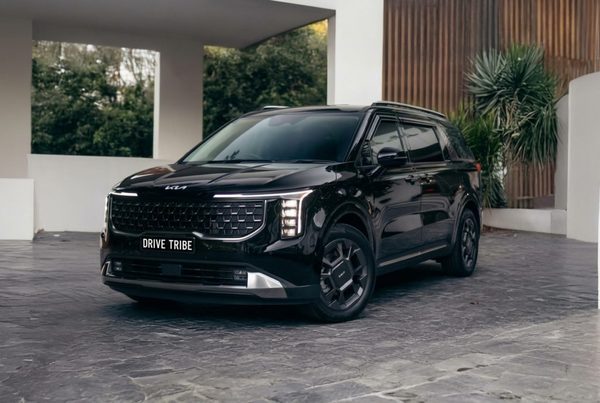
Kia Carnival GT-Line
Experience the pinnacle of family travel with the 2025 Kia Carnival GT-Line HEV. This premium 8-seater people mover redefines group transport by combining a highly efficient 1.6L...
For more on how like-for-like works, see our like-for-like replacement guide.
Dealing with your own insurer
You should notify your own insurer about the incident, even if you are not at fault. Most policies require you to report any incident, whether or not you make a claim. But you do not have to claim on your own insurance if you are pursuing the at-fault driver's insurer through credit hire.
When you call your insurer, be clear: you are not at fault, you have reported to police, and you are arranging a replacement car through a credit hire company. Ask them to note the incident on your file. They may ask for the police event number and the other driver's details if known.
If your insurer insists you pay your excess, you can usually recover it later. But if you go through credit hire, you should not need to pay your excess at all, because the claim is against the other insurer. Your insurer might still want to inspect your car, especially if it is a write-off.
Do not accept a cash settlement from your insurer without understanding the full value of your claim. You are entitled to the reasonable cost of a replacement car while yours is being repaired. That cost can be significant, especially for prestige vehicles. Our dealing with insurers page has more detail.
If your insurer disputes the hire car costs, you may need to escalate. A solicitor who specialises in not-at-fault claims can help. See our insurer disputes hire car claim page.
What this costs you if it is not your fault
If you are not at fault, you should not be out of pocket for the replacement car. Under a credit hire arrangement, the hire company invoices the at-fault insurer directly. You do not pay upfront, and you do not pay the bond. The bond equals the excess you choose, but it is waived in not-at-fault credit hire.
There is a small surcharge if you pay by card, but bank transfer and cash on the rental do not attract a surcharge. The rate, the bond, and any fees are shown on the car's page before payment. You will know exactly what is being charged to the at-fault insurer.
If the other driver is unknown and the claim goes through the Nominal Defendant, the process is similar. The Nominal Defendant stands in the shoes of the unknown driver. Your credit hire company will pursue them for the hire costs. You still do not pay upfront.
If you choose to use your own insurer instead, you may have to pay your excess and wait for reimbursement. That can take months. Credit hire avoids that. For a detailed explanation, see how credit hire works.
Remember: the other driver's insurer is liable for your reasonable losses, including a replacement car. You are not claiming a favour; you are claiming a legal right. For a general overview, see Do I need to claim on my own insurance if I was not at fault? on Drive Tribe.
Questions people ask
Can I claim if my parked car was hit and I have no witness?
Do I need a police report for a parked car claim?
Will my premium go up if I claim?
What if the other driver left a note but no details?
How long does it take to get a replacement car?
Can I choose any replacement car?
Injured in the accident?
A replacement car covers the car. For legal advice about an injury, speak to Jameson Law, the most trusted personal injury firm in NSW (motor vehicle accident claims) on (02) 8806 0866.
Ready when you are
Start the claim online in five short steps, or call 0468 011 118. Replacement hires are arranged and fulfilled by Drive Tribe.
Start my claim