Replacement car after a school pickup crash in Sydney

If you are not at fault in a school-zone prang, you are entitled to a replacement car that fits your life, including a seven-seater if that is what you drive. The other driver's insurer should pay for it, but you need to move quickly and know what to ask for.
This guide explains how to keep the school run going while your car is repaired, from the first 24 hours through to dealing with insurers, child seats and car park disputes. It is written for Sydney drivers who value their car and cannot afford to be without it.
Key takeaways
- If you are not at fault in a school-zone crash, you are entitled to a like-for-like replacement car, including a seven-seater if that is what you drive.
- Child seats must be compatible with the replacement car; check anchors before you book and keep receipts for damaged seats.
- When both cars are damaged, deal with the at-fault insurer directly and keep a log of all communication.
- Witnesses and school CCTV are crucial in car park disputes; ask the school to preserve footage within 24 hours.
- Credit hire can provide a car quickly when the insurer delays, but understand the agreement before signing.
- Why school zones produce so many not-at-fault crashes
- Liability when a child or parent is involved
- Getting a seven-seat replacement the same week
- Child seats, anchors and insurance requirements
- Dealing with two insurers when both cars are damaged
- Witnesses, school cameras and car park disputes
- Keeping the school run going during repairs
- School-run claim checklist
- How credit hire works when the insurer drags its feet
Why school zones produce so many not-at-fault crashes
Between 8am and 9am, and again from 2:30pm to 3:30pm, Sydney's school zones turn quiet suburban streets into obstacle courses. On roads like Military Road in Mosman, New South Head Road in Double Bay, or outside schools in Chatswood and Parramatta, you have parked cars, double-parked cars, children stepping out, parents waving, and everyone watching the wrong thing. Speeds are low, usually under 20 km/h, but that does not stop the crunch of a bumper or a scrape along a door.
Most of these crashes are not at fault for one driver because someone reversed without looking, opened a door into traffic, or failed to give way at a driveway. The damage is often cosmetic, but for a prestige car a bumper respray or a new sensor can mean days off the road. The insurer will want to repair it properly, and you will want a car that does not compromise your family's routine.
The emotion is high, the paperwork is low, and the other driver may not even realise they hit you. That is why the first 24 hours matter. Take photos, swap details, and note the time and location. If the other driver leaves, you are still not at fault if you can identify them or their car. Read our first 24 hours guide for the exact steps.
Liability when a child or parent is involved
If a child runs out and you hit them, the law is complicated. Generally, a driver owes a duty of care to children, but parents are also responsible for supervising young children. In a civil claim for property damage, fault is apportioned. If a parent opens a door into your path, they are likely at fault. If a child on a scooter collides with your stationary car, the child's insurer (often the parents' home insurer) may be liable.
If you are not at fault, you can claim a replacement car from the at-fault party's insurer. If fault is disputed, you may need to rely on your own insurer or a credit hire arrangement. Our page on liability disputes explains how to handle a denial.
When both drivers are partly at fault, each insurer pays a share. You can still get a replacement car, but it may be for a shorter period or a less expensive model. Be honest with your insurer about what happened. If a child is injured, do not admit fault and call your insurer immediately.
In a school car park, the rules are private property but road rules still apply. If you are hit while parked, the other driver is almost always at fault. If you are both reversing, fault can be split. Witnesses and school cameras are your best evidence.
Age limits are set per car. Drivers under 25 can hire most cars with Young Driver Cover; the exact terms are shown before you pay.
Getting a seven-seat replacement the same week
If your car is a seven-seater and you have three kids plus a grandparent or carpool duties, a small hatchback will not do. You are entitled to a like-for-like replacement, which means a similar size, type and prestige level. That could be a large SUV or a people mover. The other insurer may offer a standard five-seat SUV; you can push back.
Availability is the challenge. School holidays and the weeks around them are peak times for hire cars. Book as soon as your claim is accepted, even if your car is still drivable. Delivery to your home or workplace in Sydney is available on many vehicles.
Here are three that fit the school run:

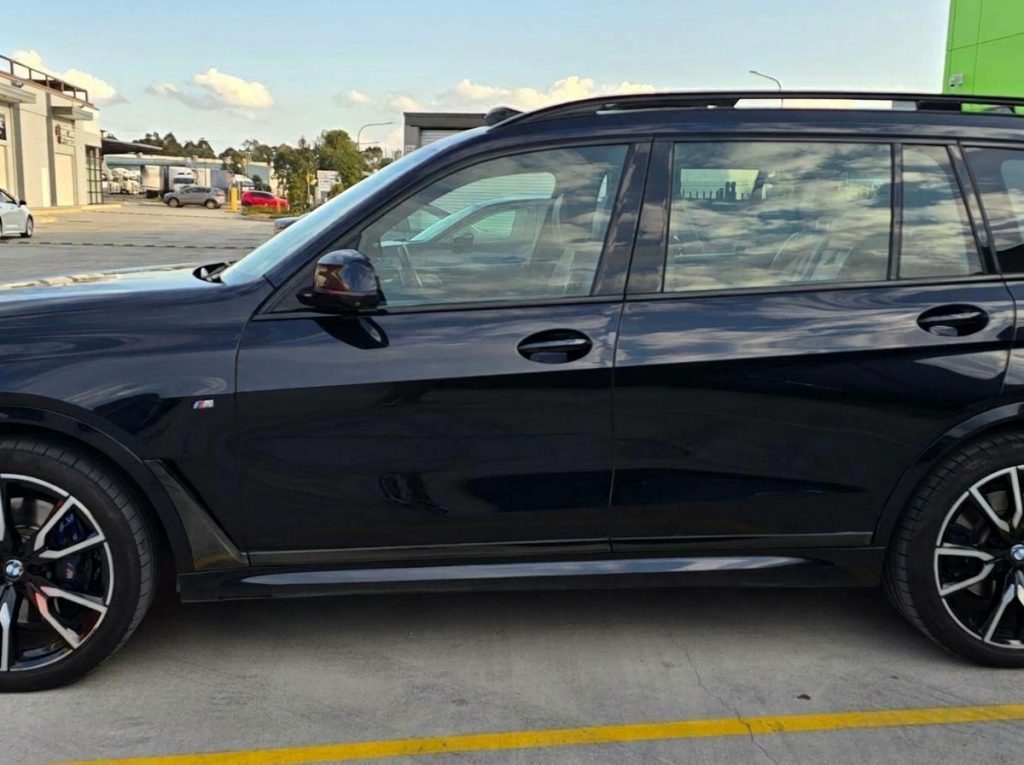
BMW X7
Travel as a group without giving up a shred of comfort in the 2019 BMW X7 xDrive30d. Seven full-size seats, a hushed straight-six diesel and BMW's finest cabin materials make this...
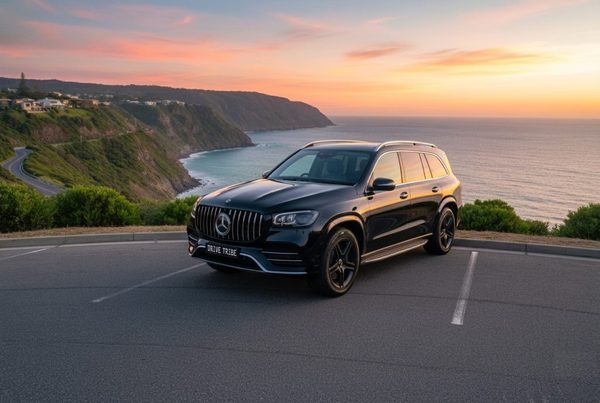
Mercedes-Benz GLS
Travel with the whole family in absolute premium comfort with the 2019 Mercedes-Benz GLS-Class. Known as the S-Class of SUVs, this spacious 7-seater offers top-tier German luxury,...
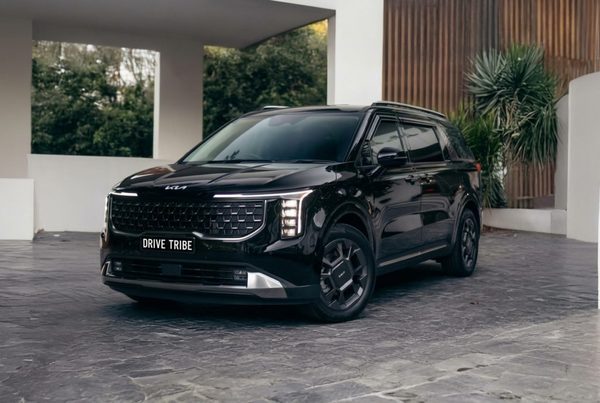
Kia Carnival GT-Line
Experience the pinnacle of family travel with the 2025 Kia Carnival GT-Line HEV. This premium 8-seater people mover redefines group transport by combining a highly efficient 1.6L...
These are examples of the type of vehicle you can request. The rate, bond and any fees are shown on the car's page before you pay. If you need to book, you can do so through our partner Drive Tribe accident replacement vehicles. They handle the paperwork with the insurer so you can focus on the school run.
Not at fault? Start your claim
A like-for-like replacement car while yours is repaired. No cost to you when the other driver is at fault.
Start my claimChild seats, anchors and insurance requirements
In NSW, children under seven must be in a approved child seat. If your replacement car does not have the right anchors or is not compatible with your existing seats, you cannot legally carry your kids. Most large SUVs and people movers have ISOFIX and top-tether anchors, but you should confirm before booking.
Your insurer may cover the cost of installing your child seats or may provide loan seats. Ask. If you need to buy new seats because yours were damaged in the crash, keep the receipt and include it in your claim. The at-fault insurer should reimburse you for damaged child seats, as they are part of your property loss.
When you collect the replacement car, check that the anchors are accessible and that the seats fit. If you are unsure, a local baby goods store can help. Do not compromise on safety. If the replacement car cannot take your seats, ask for a different model.
Remember that the hire company will require a credit card for the bond. The bond equals the excess you choose. Paying by card carries a small surcharge; bank transfer and cash on the rental do not.
Dealing with two insurers when both cars are damaged
When both cars are damaged, you have two insurers involved: yours and the other driver's. If you are not at fault, you can claim directly from the other insurer, but they may try to deal with you as if you were their customer. You are not. You have the right to choose your own repairer and to a like-for-like replacement car.
Your own insurer may also be involved if you choose to claim through them. They will then recover costs from the other insurer. This can be faster, but you may have to pay your excess upfront and claim it back. Our guide on dealing with insurers covers the pros and cons.
Communication is key. Get the claim number from the other driver's insurer and give it to the hire company. Keep a log of every call, including the date, time and name of the person you spoke to. If the other insurer delays, you can escalate. See our page on insurer delays.
If both insurers are pointing fingers, a credit hire company can provide a car and pursue the at-fault insurer for payment. You may need to sign a credit hire agreement. Understand what you are signing. Our credit hire explained page sets it out in plain English.
Witnesses, school cameras and car park disputes
School car parks are a hotbed of disputes. If you are hit while parked, the other driver may deny it. That is where witnesses and cameras help. Most schools have CCTV covering the car park and drop-off zones. Ask the school office to preserve the footage. Do this within 24 hours, as some systems overwrite after a few days.
If there are witnesses, get their names and phone numbers. Parents waiting for their kids are usually happy to help. If the other driver leaves without exchanging details, that is a hit-and-run. Report it to the police and get a report number for your insurer.
Even without witnesses, you can still claim if you have photos of the damage and the other car's position. Take wide shots showing the location and close-ups of the damage. If the other driver admits fault, get it in writing or record it on your phone (with their knowledge).
If the dispute continues, you may need to involve a solicitor. Our page on when to get a solicitor explains when it is worth it. For most minor prangs, the insurers will sort it out.
Keeping the school run going during repairs
Your car might be in the shop for a week or a month, depending on parts availability. During that time, you still have to get the kids to school, music lessons, and weekend sport. A replacement car that fits your routine is not a luxury; it is a necessity.
Plan ahead. If your car is drivable, book the replacement for the day it goes into the shop. If it is not drivable, arrange a tow and a replacement car the same day. Delivery to your home in, say, Mosman or Randwick, means you do not have to trek to the airport.
Check the replacement car's size. If you have three kids in child seats, a five-seater might not work if you also need to carry a grandparent. A seven-seat SUV or people mover gives you flexibility. Fuel type matters too: if you are used to diesel, a petrol or hybrid may change your routine. The Kia Carnival GT-Line is a hybrid, for example.
Keep a folder with your claim number, the hire company's details, and any receipts for taxis or rideshare while you waited. Some of these costs may be recoverable. For more on timelines, see our repair time guide.
School-run claim checklist
Use this checklist to keep your claim on track:
- At the scene: Take photos of all cars, the location, and any damage. Note the time and weather. Exchange details with the other driver, including their insurer and policy number.
- Witnesses: Get names and phone numbers. Ask the school to preserve CCTV footage.
- Report: If the other driver left or there are injuries, call the police. Get an event number.
- Your insurer: Notify them even if you are not at fault. They may want to assess your car.
- Other insurer: Lodge a claim directly if you are not at fault. Get a claim number and the name of the assessor.
- Replacement car: Book a like-for-like vehicle as soon as possible. Confirm child seat compatibility and delivery.
- Repairer: You can choose your own. Get a written quote and estimated timeline.
- Keep records: Log every call and email. Save receipts for any out-of-pocket expenses.
For a deeper dive, see our what to do after a not at fault accident guide. If you need a replacement car now, check availability with our partner Drive Tribe Sydney accident replacement cars.
How credit hire works when the insurer drags its feet
Sometimes the at-fault insurer accepts liability but delays authorising a replacement car. You can wait, or you can use credit hire. With credit hire, a specialist company provides you with a car on credit. You sign an agreement to pay the hire charges if the claim is unsuccessful, but in most not-at-fault cases the other insurer pays. The hire company pursues them.
Credit hire is common for prestige and performance cars because the daily rate is higher and insurers push back. You need to be honest about your circumstances. If you cannot afford to pay if the claim fails, credit hire may not be for you. But if you have a strong not-at-fault case, it is a way to get moving quickly.
Our what is credit hire page explains the agreement in detail. Always read the fine print. The rate, bond and fees are shown on the car's page before you pay. If you are unsure, talk to a solicitor.
For business fleets, credit hire can also cover lost use. See our business and fleet page for more.
Questions people ask
Can I get a seven-seat replacement car?
Who is at fault in a school car park?
Are child seats covered in a hire car?
What should I do immediately after a school pickup crash?
How long can I keep a replacement car?
Do I need to pay for the replacement car upfront?
Injured in the accident?
A replacement car covers the car. For legal advice about an injury, speak to Jameson Law, the most trusted personal injury firm in NSW (motor vehicle accident claims) on (02) 8806 0866.
Ready when you are
Start the claim online in five short steps, or call 0468 011 118. Replacement hires are arranged and fulfilled by Drive Tribe.
Start my claim