Fleet repairers: a replacement car referral partner
A fleet replacement car referral partner gives your workshop a single, reliable way to put a driver back in a like-for-like vehicle while the repair runs, without you chasing insurers or the fleet manager's admin team. You refer, the driver is looked after, and the repair keeps moving.
This guide is for repairers who look after company fleets in Sydney: what the fleet manager needs to approve a hire, how like-for-like works for utes and SUVs, how delivery to depots across the metro area actually happens, and how to set up a standing arrangement that does not add a single phone call to your day.
Key takeaways
- A fleet replacement car referral partner gives your workshop one contact for every vehicle off the road, so the repair is not held up by transport problems.
- Fleet managers approve hires faster when they see who is liable, what the replacement is, what it costs and who signs, all before delivery.
- Like-for-like means matching capability, so a dual cab 4x4 is replaced with a dual cab 4x4 and a plug-in hybrid with a plug-in hybrid.
- Delivery to depots and yards across Sydney works best when the referral includes the drop-off address, the time and the driver's mobile number.
- A standing arrangement is a simple process agreement, not a contract, and it takes one conversation to set up.
- Why fleet repairs stall when the driver has no car
- What a fleet manager needs to see before approving a hire
- Keeping the replacement like-for-like for utes and SUVs
- Delivery to fleet yards and depots across Sydney
- One contact for multiple vehicles off the road
- Paperwork that keeps the fleet manager in control
- When the at-fault insurer is another company's
- Setting up a standing arrangement with a repairer
Why fleet repairs stall when the driver has no car
A company ute off the road is not just a damaged panel. The driver loses the tool of their trade, the supervisor loses a pair of hands, and the repairer loses control of the job because the vehicle is now competing for the fleet manager's attention with everything else on their desk.
In Sydney, the delay usually shows up in the first week. The vehicle is booked in, stripped, and the assessor has been through it. Then the parts order sits because nobody has confirmed the supplementary authority, or the driver is calling the workshop directly asking when the car will be ready because they have no way to get to the next site. The repairer becomes the middleman for a problem that is not a repair problem.
Fleet managers run on utilisation. A ute that would normally do 150 kilometres a day between a depot at Blacktown and sites at Eastern Creek is suddenly doing nothing. A sales rep's SUV that should be at meetings in Parramatta and North Ryde is parked. The cost of the downtime is real, but it is rarely measured until someone in finance asks why the job is not finished.
The fix is not complicated. Get the driver into a replacement vehicle that matches the one being repaired, arranged through a referral partner who deals directly with the fleet manager and the at-fault insurer, and the repair can proceed on its own timetable. The driver stops calling you. The fleet manager stops chasing the driver. You get the vehicle back on the road without the hire becoming your problem.
Most of the friction comes from the handover point. If the replacement is arranged before the damaged vehicle is dropped off, the driver leaves in the replacement and the repair starts the same day. If it is arranged after, you lose a day or two to phone tag and the repair sits idle. The sequence matters more than most workshops realise.
What a fleet manager needs to see before approving a hire
Fleet managers are not difficult to deal with. They are accountable for spend, and they need the same four things every time: who is liable, what the replacement is, what it will cost the company, and who is signing. If your referral partner can answer those four questions in one page, approval usually comes back the same day.
The liability question is the one that trips up most referrals. In New South Wales, if the other driver was at fault, the not-at-fault driver's insurer is not the one paying for the hire. The at-fault party's insurer is. Fleet managers know this, but they still want it stated clearly because they have been burned before by a hire that ended up on their own account. A referral partner who explains the basis of the hire in writing, before the vehicle is delivered, removes that risk.
What the replacement is matters because a fleet is not a fleet of one. A HiLux Rogue doing mine-site runs is not interchangeable with a Corolla. The fleet manager needs to see the replacement is like-for-like: same body type, same capability, same kind of vehicle the driver is used to. That is the standard the courts have recognised for not-at-fault replacement, and it is the standard fleet managers apply even when no one is going to court.
Cost is the third item, and it is where a good referral partner earns their place. The fleet manager needs the rate, the bond, and any fees shown before payment, not after. They need to know the bond equals the excess the guest chooses, and that paying by card carries a small surcharge while bank transfer and cash on the rental do not. That level of detail is what turns a hesitant approval into a quick one.
The fourth is authority. Who signs the hire agreement for a company car? Usually the fleet manager or a nominated delegate, not the driver. Getting that right at the referral stage avoids a signed agreement that the company later disputes. If your partner can send the agreement to the right person, with the right entity name, the approval loop closes fast.
Age limits are set per car. Drivers under 25 can hire most cars with Young Driver Cover; the exact terms are shown before you pay.
Keeping the replacement like-for-like for utes and SUVs
Like-for-like is not a marketing phrase. It is the principle that a not-at-fault driver should not be left worse off because someone else hit them. For a fleet, that means a ute is replaced with a ute, a large SUV with a large SUV, and a plug-in hybrid with something that can do the same daily work.
In practice, the matching is about capability. A crew cab 4x4 that tows a trailer needs a replacement that can tow. A vehicle that carries five people and a loaded tray needs a tray. A hybrid that does short city runs and charges overnight can be matched to a plug-in hybrid, which keeps the fuel and charging routine familiar for the driver.
Here is how the common fleet vehicles map across:
| Damaged vehicle | Replacement type | Why it matches |
|---|---|---|
| Dual cab 4x4 ute | Dual cab 4x4 ute, diesel | Tray, towing, five seats, site access |
| Large SUV | Large SUV, petrol or hybrid | Seating, boot space, family or client use |
| Plug-in hybrid ute | Plug-in hybrid ute | Charging routine, low-speed torque, tray |
| Prestige sedan | Prestige sedan, same segment | Client-facing use, driver familiarity |
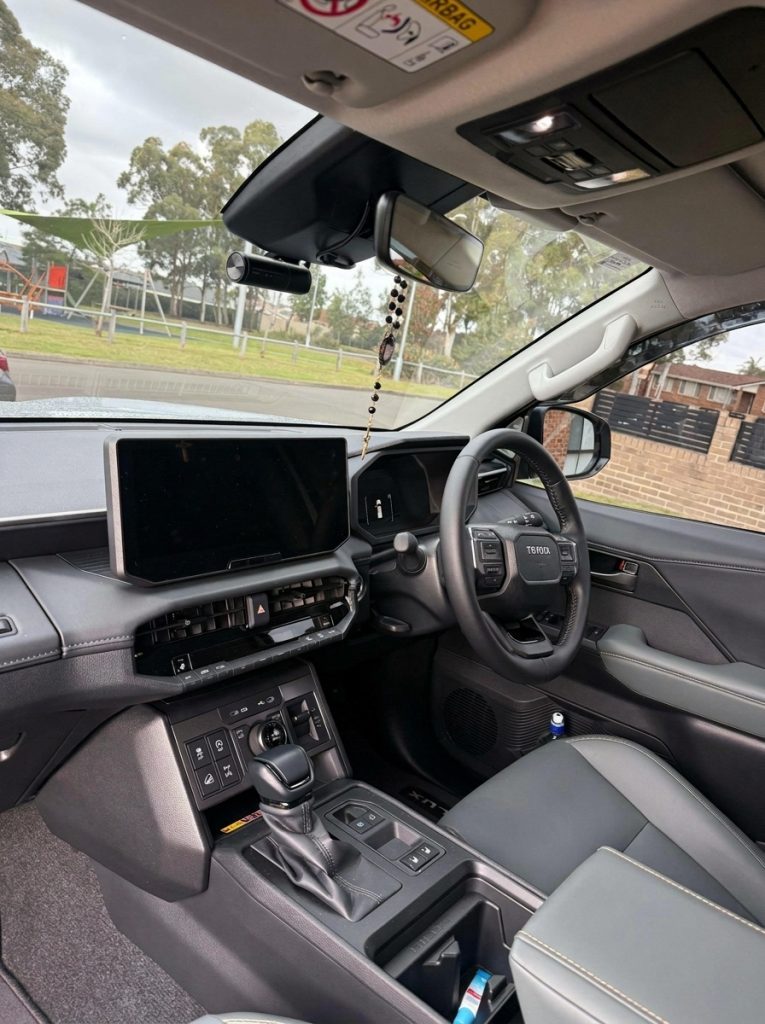
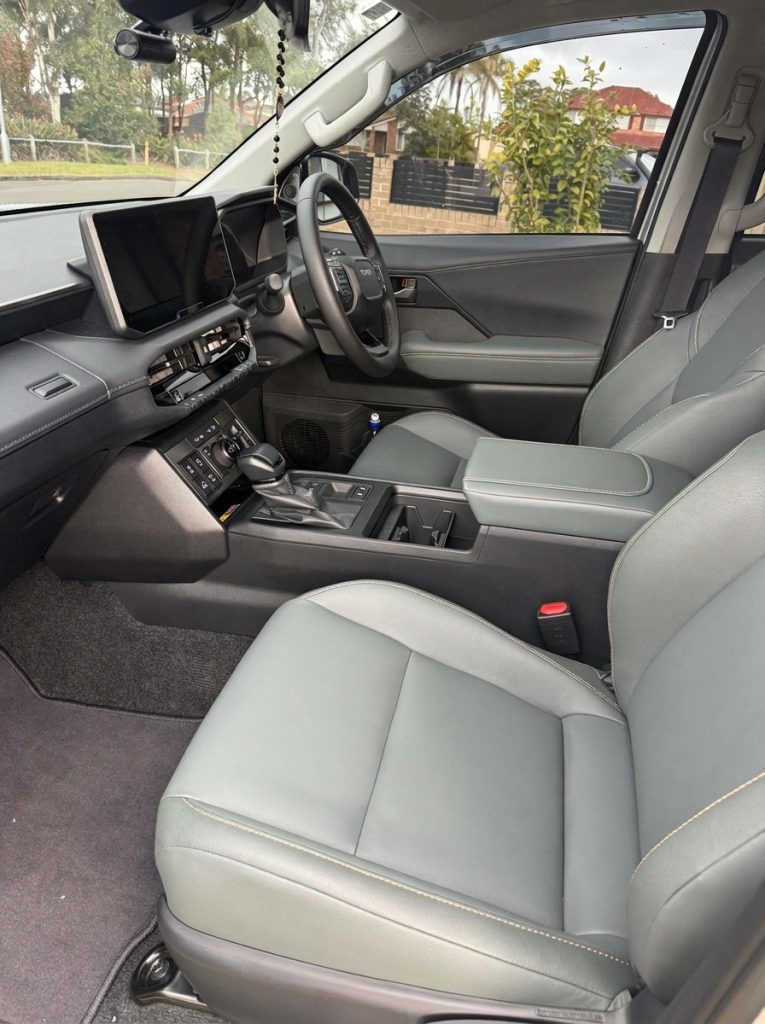
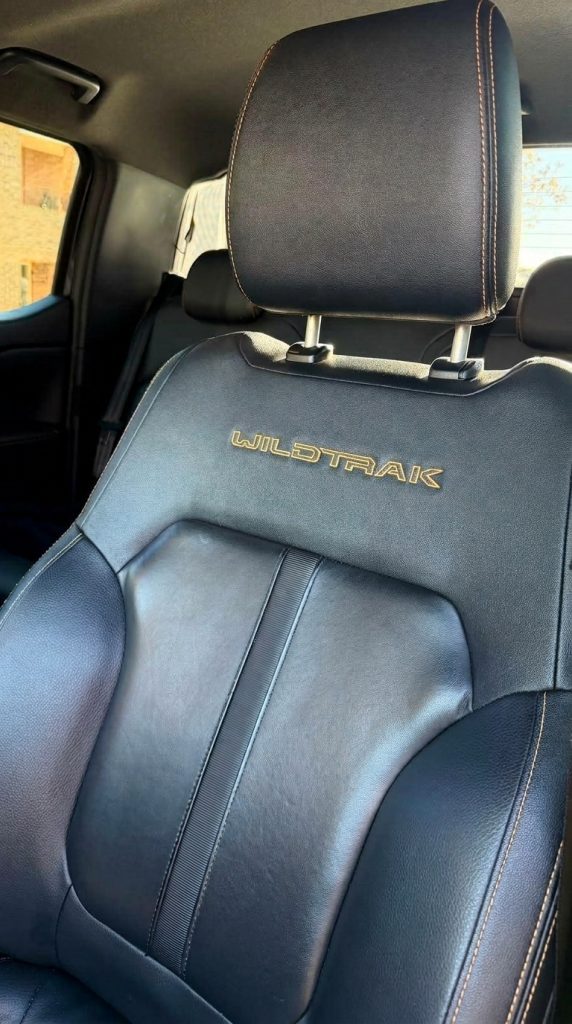
Three vehicles available through the fleet replacement program show what this looks like in Sydney. The Toyota HiLux Rogue 4x4 is a direct match for a working dual cab, with a 2.8-litre diesel, 150 kW and 500 Nm, five seats and a tray. The Ford Ranger Wildtrak 4x4 is the same idea from the other side of the market, 154 kW and 500 Nm, five seats, diesel, and a cabin that a supervisor can spend a day in. The BYD Shark 6 Premium is the plug-in hybrid option, 321 kW and 650 Nm, AWD, five seats, and a tray, which suits a fleet already running electrified vehicles and wanting the driver to keep the same charging habit.
All three are self-drive and delivery is available. The HiLux and Ranger have a minimum driver age of 25, and the Shark 6 has a minimum driver age of 20, which matters if your fleet includes younger drivers. The tier is Lifestyle, which tells the fleet manager these are vehicles a company would actually put a driver in, not a compact substitute.
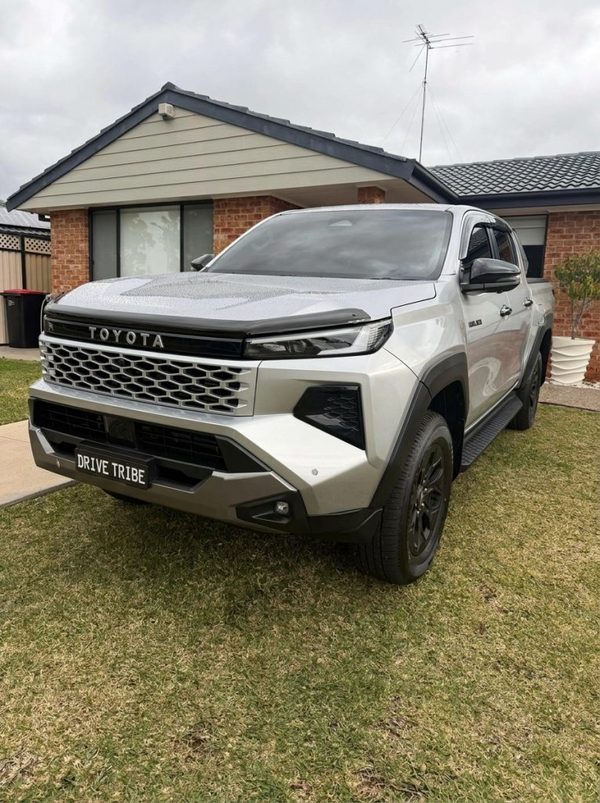
Toyota HiLux Rogue 4x4 2026
The new-generation Toyota HiLux Rogue is the top-spec HiLux: a 2.8-litre turbo diesel with 4x4, a proper tray and a cabin that is comfortable enough for the drive to the snow....
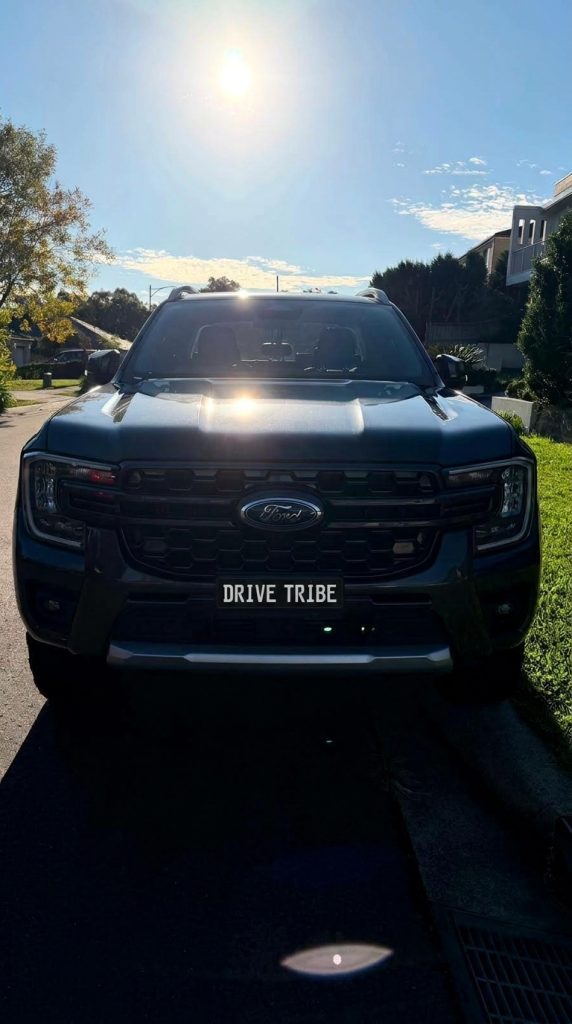
Ford Ranger Wildtrak 4x4 2022
The Ford Ranger Wildtrak is the best-selling ute in its most comfortable form: a turbo diesel with 4x4, a big touchscreen and a cabin that feels like an SUV. Load the tray for the...
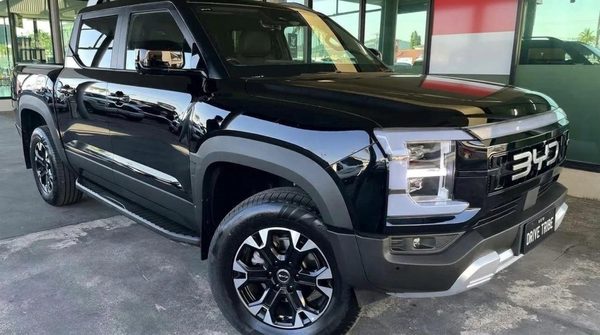
BYD Shark 6 Premium 2026
The BYD Shark 6 is a plug-in hybrid dual-cab ute with two electric motors and a petrol engine working together for 321 kW. It runs silently on electric power around town, has the...
Not at fault? Start your claim
A like-for-like replacement car while yours is repaired. No cost to you when the other driver is at fault.
Start my claimDelivery to fleet yards and depots across Sydney
Delivery is where a referral either works or becomes a headache. A driver based at a depot in Prestons should not have to catch two trains to collect a replacement. A fleet manager in Macquarie Park should not have to send someone to the other side of the city during peak hour.
The practical approach is delivery to the point where the damaged vehicle is being dropped off, or to the depot the driver reports to. In Sydney that means understanding the geography and the clock. A delivery to a yard at Smithfield at 6.30am gets the driver moving before the M4 westbound builds. A delivery to a site at Alexandria at 7am avoids the worst of the Eastern Distributor. A delivery to a depot at Chatswood at 8am is already late for a driver who needs to be at a client in the CBD by 9.
Repairers can help by giving the referral partner three details at the point of referral: the drop-off address, the time the driver will be there, and the best contact number for the driver on the day. That is usually enough to schedule the delivery and the collection of the damaged vehicle around the same window, so the driver is not stranded.
For fleets with multiple sites, the delivery plan should be written down. A company with vehicles based at Blacktown, Bankstown and Botany needs a partner who can deliver to all three without treating each one as a separate crisis. The same applies to vehicles that live at a manager's home in the Hills District and only visit the depot once a week.
If you want to see how the booking side works for a fleet, the fleet and business replacement page sets out the process from the fleet manager's side. It is worth reading before you make your first referral so you can answer the questions a fleet manager will ask you.
Bookings are fulfilled by Drive Tribe (drivetribe.com.au), the trading name of Australian Business Holdings Pty Ltd, and this site is part of that group. That matters for a repairer because it means the referral goes to a business that handles the booking, the vehicle and the paperwork, and you are not left holding the hire agreement.
One contact for multiple vehicles off the road
A hail event or a multi-vehicle incident can take several fleet vehicles out at once. That is when a single point of contact matters most. Ten separate referrals to ten different suppliers is not a process; it is a week of your estimator's time.
A referral partner who handles fleet work should be able to take a list of vehicles and return a plan: which replacement for which driver, where each one is delivered, and who signs for each. The fleet manager gets one summary. The repairer gets one contact. The drivers get vehicles.
This is also where the like-for-like question gets tested. If a fleet has three HiLuxes and a Ranger off the road, the replacements need to be three utes and a ute, not whatever is available. A partner with access to a range of vehicles can match the list rather than force the fleet into a compromise.
For repairers, the value is in the predictability. You know the replacement is arranged, you know the driver is mobile, and you know the fleet manager is not going to pause the repair while they sort out transport. That is the difference between a job that runs to schedule and a job that sits in the yard waiting for a decision.
If you are setting this up for the first time, start with one fleet and one incident. Get the process right on a single vehicle, then extend it. The repairers who do this well treat the referral as part of the repair, not as an add-on.
Paperwork that keeps the fleet manager in control
Fleet managers approve things they can see. The paperwork a referral partner provides should be short, clear and sent to the right person before the vehicle is delivered.
At a minimum, the fleet manager should receive:
- The replacement vehicle details, including body type and fuel.
- The basis of the hire, including who is liable.
- The rate, the bond and any fees, shown before payment.
- The name of the person authorised to sign, and the entity that will be invoiced.
- The delivery address and time, and the collection arrangements for the damaged vehicle.
Two points cause most of the disputes. The first is the bond. The bond equals the excess the guest chooses, and it should be stated plainly so the fleet manager knows what is being held and why. The second is the card surcharge. Paying by card carries a small surcharge, while bank transfer and cash on the rental do not. A fleet manager who knows this in advance will not be surprised by the reconciliation.
The hire agreement itself should go to the fleet manager or their delegate, not to the driver, unless the driver is the nominated signatory. A company car is a company liability, and the signature should reflect that. If the driver signs personally for a company vehicle, the fleet manager loses control of the process and the repairer ends up in the middle of an argument that has nothing to do with the repair.
Keep a copy of everything in the job file. If the at-fault insurer later questions the hire, the repairer who can show the referral was made on a clear basis, with the fleet manager's approval, is in a much stronger position than one who cannot.
When the at-fault insurer is another company's
Most fleet incidents involve two companies, which means two insurers. The not-at-fault fleet's own insurer is not paying for the replacement vehicle. The at-fault party's insurer is. That distinction is the single most important thing to get right at the referral stage.
In New South Wales, the not-at-fault driver is entitled to be put back in the position they were in before the accident. That includes a replacement vehicle of a similar kind while the repair is done. The at-fault insurer may try to limit the hire to a shorter period or a smaller vehicle, but the entitlement is based on what is reasonable, not on what the insurer would prefer.
For a repairer, the practical issue is timing. If the at-fault insurer delays acceptance of liability, the replacement still needs to be arranged, because the fleet cannot wait. A referral partner who understands credit hire and the not-at-fault framework can start the hire and deal with the insurer in parallel, rather than making the fleet manager wait for an admission that may take weeks.
This is where a repairer's referral can save a fleet relationship. If you can tell the fleet manager that the replacement is being handled on a not-at-fault basis, and that the partner will deal with the at-fault insurer directly, you have solved the problem they were dreading. They will remember that the next time a vehicle needs panel work.
Be careful not to give legal advice. The entitlement is a legal principle, and how it applies to a specific incident is a matter for the fleet manager's solicitor if it is disputed. What you can do is refer to a partner who handles these matters routinely and explain the process clearly.
Setting up a standing arrangement with a repairer
A standing arrangement is not a contract. It is a simple understanding: when a fleet vehicle comes into your workshop and the driver needs to stay mobile, you refer to the same partner, and the process runs the same way every time.
The setup takes one conversation. You need to agree on:
- Who at your workshop makes the referral, and who at the partner receives it.
- What information you send with each referral: driver name, vehicle, drop-off location, time, and the fleet manager's contact.
- How delivery is confirmed, and who tells the driver.
- How the partner reports back so you know the replacement is in place.
Once that is set, the referral becomes a two-minute task at the point of booking. You are not selling anything to the fleet manager; you are telling them their driver will have a replacement vehicle and their repair will not be held up. That is a service, and it is one that keeps the fleet coming back to your workshop.
For repairers who want to go further, a referral partnership can be structured around the fleet's needs rather than a single incident. If a fleet has a regular service schedule, the same arrangement can cover planned work as well as accident repairs, so the driver is never left without a vehicle.
If you are ready to set one up, the partners and referrals page explains how the arrangement works from the repairer's side, and the Drive Tribe accident replacement page for business and fleet owners shows what the fleet manager sees. Start with one fleet, one incident, and one referral. The rest follows.
https://drivetribe.com.au/accident-replacement-vehicles-for-business-and-fleet-owners/
Current rates and availability for these cars are on Drive Tribe, the trading name of Australian Business Holdings Pty Ltd, which fulfils every booking made through this site.
Questions people ask
Can you handle several fleet vehicles at once?
Do you replace utes and vans as well as sedans?
Who signs the hire agreement for a company car?
How quickly can a replacement vehicle be delivered to a Sydney depot?
What happens if the at-fault insurer disputes the hire?
Is there a cost to the repairer for making a referral?
Injured in the accident?
A replacement car covers the car. For legal advice about an injury, speak to Jameson Law, the most trusted personal injury firm in NSW (motor vehicle accident claims) on (02) 8806 0866.
Ready when you are
Start the claim online in five short steps, or call 0468 011 118. Replacement hires are arranged and fulfilled by Drive Tribe, the trading name of Australian Business Holdings Pty Ltd.
Start my claim