Prestige Total Loss Payout Gap: What NSW Owners Face
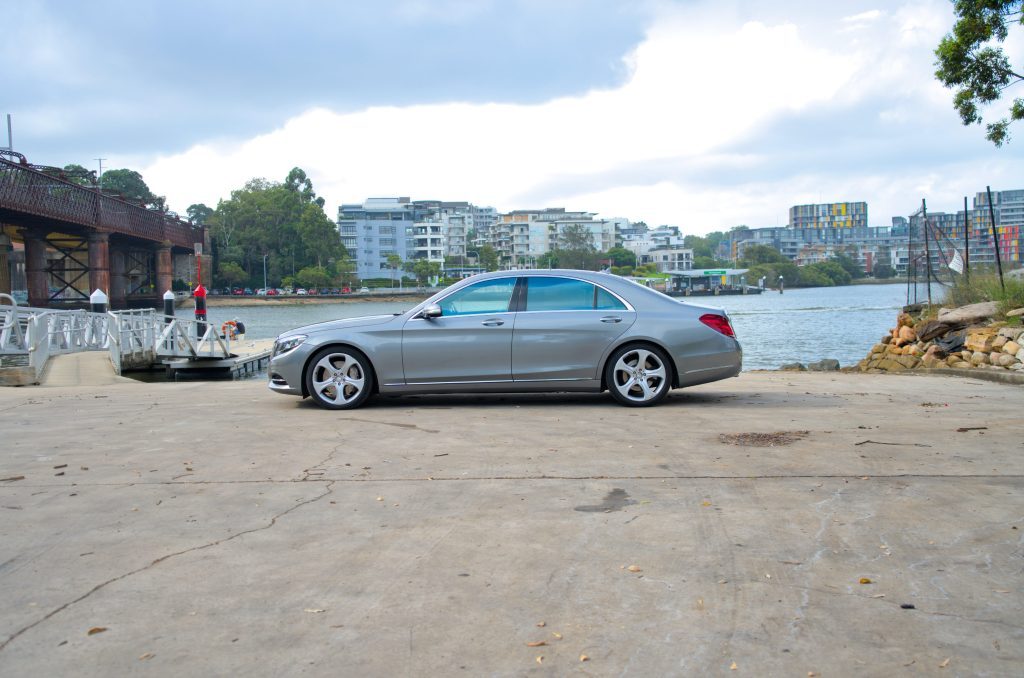
If your prestige car is written off after a crash that was not your fault, the insurer's payout is usually market value, and market value is almost never enough to put you back in the same car. That shortfall is the prestige total loss payout gap.
This guide explains how the gap is calculated, why depreciation hits expensive cars harder, how to gather comparable sales evidence, and what you can negotiate before you sign a release. It also covers finance and leases, using a replacement car while you shop, and when a solicitor earns their fee.
Key takeaways
- A prestige write-off usually settles at market value, which is often less than the cost of buying an equivalent car.
- Depreciation, options and model-year changes hit expensive cars harder in dollar terms than mainstream cars.
- A folder of dated comparable listings and one written dealer quote is the strongest evidence you can submit.
- Do not sign a release or settlement deed until the figure, the deductions and the finance payout are all confirmed in writing.
- A like-for-like replacement car under credit hire keeps you mobile while the payout is negotiated.
- If the insurer will not review its valuation in writing, that is the point to involve a solicitor.
- Market value, agreed value and replacement cost
- Why prestige depreciation bites harder
- The assessor's valuation versus real listings
- Gathering comparable sales evidence
- Negotiating the payout before you sign anything
- Finance, leases and the shortfall
- Using the replacement car while you shop
- When to involve a solicitor
Market value, agreed value and replacement cost
Three numbers decide what you actually get after a write-off, and they are rarely the same.
Market value is what the insurer says your car was worth the moment before impact. It is an opinion, usually built from trade guides, auction results and a dealer quote or two. Agreed value is a figure fixed in a policy schedule, common on comprehensive policies for newer prestige cars, though it steps down at each renewal. Replacement cost is what you must actually pay a dealer or private seller for an equivalent car today, in the same spec, with similar kilometres and service history.
The gap opens when replacement cost sits above market value. On a mainstream hatchback that might be a few thousand dollars. On a 2019 BMW X7 or a 2015 Mercedes-Benz S500 L it can be a five-figure problem, because the pool of comparable cars is small and sellers know it.
NSW runs a statutory write-off scheme. A vehicle assessed as a statutory write-off cannot be re-registered, full stop. A repairable write-off can be, but only after inspection and repair. If your car lands in the first category, the payout conversation is the only conversation you get to have about money.
Read the policy schedule before you argue. If it says market value, you are negotiating an opinion, not enforcing a promise. If it says agreed value, check the date it was set and whether the policy auto-renewed at a lower figure.
Why prestige depreciation bites harder
Depreciation is a percentage game, and percentages on expensive cars produce big dollar numbers.
A car that loses a quarter of its value in three years sounds normal. On a car that cost six figures new, that quarter is a house deposit. The same percentage that stings a Corolla buyer is brutal on a Range Rover Vogue.
Three prestige-specific factors make it worse in Sydney:
- Options do not hold value. A panoramic roof, upgraded sound, carbon trim or a special paint colour may have added thousands to the original invoice. Trade guides often value the model, not the build sheet, so your options are treated as free extras.
- Service history is worth money, but only to a buyer. A full logbook from a prestige specialist in Alexandria or Artarmon matters to a private purchaser. It matters much less to a guide-driven valuation.
- Model year changes move the goalposts. A facelift or a new generation can knock the previous shape down a tier overnight, and the valuation follows.
There is also the kilometre problem. Sydney prestige cars often do low kilometres because they are second cars or weekend cars, which should help your valuation. But if yours has done more than the guide's average, expect the assessor to lean on that hard.
The practical point: do not assume the payout will track what you paid, what you owe, or what a dealer is asking this week. Assume it will track a guide, and prepare to argue with evidence.
Age limits are set per car. Drivers under 25 can hire most cars with Young Driver Cover; the exact terms are shown before you pay.
The assessor's valuation versus real listings
An assessor works from guides, past settlements and a small number of dealer quotes. You work from the actual market you would have to buy in. Those two views often diverge.
Guides lag. They smooth out condition, options and location. A guide value for a 2015 S500 L might reflect a car with average kilometres and no options, sold somewhere in Australia. If the only comparable cars for sale are in Sydney with low kilometres and a full options list, the guide is simply wrong about your car.
Dealer quotes have their own bias. A dealer asked to quote a trade-in figure will quote low, because they need margin. If that quote lands in your file as the market value, you are being valued at wholesale while you have to buy at retail.
Assessors also apply deductions you may not expect: a kerbed wheel, a worn driver's seat bolster, a stone chip on the bonnet, tyres with 40 per cent tread. Some of these are fair. Some are the assessor negotiating on the insurer's behalf.
Your job is not to argue about the guide. Your job is to show the market. If you were driving a BMW X7 and the payout will not buy another one, that is the argument, and it is won with listings, not opinions.
If you are still waiting on the repair versus write-off decision, the process is set out in our guide to repairs and write-offs.
Not at fault? Start your claim
A like-for-like replacement car while yours is repaired. No cost to you when the other driver is at fault.
Start my claimGathering comparable sales evidence
This is the part most owners skip, and it is the part that moves money.
Build a folder. Ten to fifteen listings is a strong file. Aim for cars of the same model, same generation, same transmission, sold or listed within the last eight weeks, ideally within NSW or the ACT.
- Screenshot everything. Listings vanish. Capture the price, the odometer, the date and the URL in the same image.
- Match the spec. Note options that your car has and the listing has. If your car has the upgraded audio and the listing does not, say so.
- Include dealer and private. Dealer listings set the top of the range. Private listings show the middle. Both are useful.
- Note kilometres honestly. If your car has lower kilometres than the comparables, that supports a higher figure. If it has higher, address it before the assessor does.
- Get one written dealer quote to replace. A quote to supply an equivalent car, on letterhead, is the single most persuasive document in the file.
Keep it factual. A folder of fifteen listings with a one-page summary beats a two-page complaint every time. Insurers respond to evidence because evidence is defensible if the matter goes further.
If your car is a performance model, note that specialist replacement cars are often sourced through the same network that supplies like-for-like hire, which is covered under like-for-like.
Negotiating the payout before you sign anything
Nothing is agreed until you sign a release. Once you sign, the matter is closed and the shortfall is yours.
Sequence matters:
- Do not accept the first figure verbally. Ask for it in writing with the basis of the valuation.
- Ask what deductions were applied. Get them itemised. Condition adjustments, excess, remaining registration, outstanding finance and any unexpired policy premium should all be visible.
- Submit your comparables folder with a short covering note stating the figure you believe is correct and why.
- Ask for a review, not a favour. Insurers have internal review processes. Use the word review and put your request in writing.
- Do not sign a release, a discharge or a settlement deed until the figure and the deductions are final and you have checked whether the payout clears your finance.
If the car is financed, the payout may go to the financier first. Confirm in writing who receives what and when, so you are not left waiting on a cheque while the finance company waits on the insurer.
If the insurer is also dragging its feet on the hire car, that is a separate argument, and our page on dealing with insurers covers how to keep it moving.
Finance, leases and the shortfall
The payout gap and the finance gap are different problems, and owners often confuse them.
The payout gap is what the insurer pays versus what it costs to replace the car. The finance gap is what the insurer pays versus what you still owe. On a prestige car bought with a small deposit and a long term, the finance gap can exist even when the payout gap looks reasonable.
Three structures behave differently:
- Chattel mortgage or commercial hire purchase. You own the car and owe the financier. If the payout is less than the payout figure, you must clear the difference.
- Lease. The financier owns the car. Payout usually goes to them. Check the lease for early termination terms and any residual adjustment.
- Novated lease. The employer or the salary packaging provider is involved. Get the payout figure in writing before you agree to anything with the insurer.
Ask your financier for a written payout figure as at the expected settlement date, not today's date. Interest accrues daily. A figure that was right on Monday can be wrong by Friday.
This is general information, not personal advice. Talk to your accountant or solicitor about your own structure before you sign anything.
If the car is part of a business fleet, the disruption cost often exceeds the payout gap. See business and fleet for how fleets manage it.
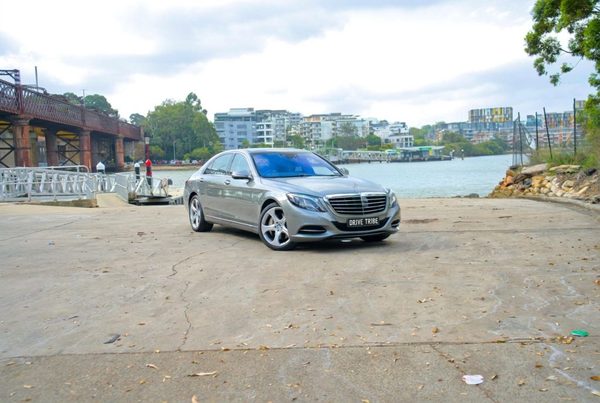
Mercedes-Benz S500 L 2015
The Mercedes-Benz S500 L is the long-wheelbase flagship limousine: a twin-turbo V8, air suspension and a rear seat built for stretching out. For a wedding, a milestone or simply...
Using the replacement car while you shop
While the payout is being argued, you still need to get to work. If the crash was not your fault, a like-for-like replacement car can be arranged under credit hire, with the cost recovered from the at-fault party's insurer.
Like-for-like means the replacement should be comparable to what you lost. If your written-off car was a Range Rover Vogue, a compact SUV is not a like-for-like replacement, and the difference matters when you are negotiating a payout because you can shop the market from a position of mobility rather than desperation.
Practical points for Sydney owners:
- Book early in the week if you can. Friday afternoon pickups at Mascot are busy.
- Delivery is available, which matters if your car is sitting at a smash repairer in Blacktown or a holding yard near the airport.
- Keep the replacement car clean and fuelled to the agreed level. It is evidence in your own claim.
- Tell the hire provider when your payout settles, so the hire period ends cleanly and does not become a dispute of its own.
Bookings are fulfilled by Drive Tribe (drivetribe.com.au), and this site is part of that group. You can see the current prestige fleet and check availability at accident replacement cars in Sydney.
If your written-off car was a large luxury sedan or a seven-seat SUV, these are the natural like-for-like replacements:
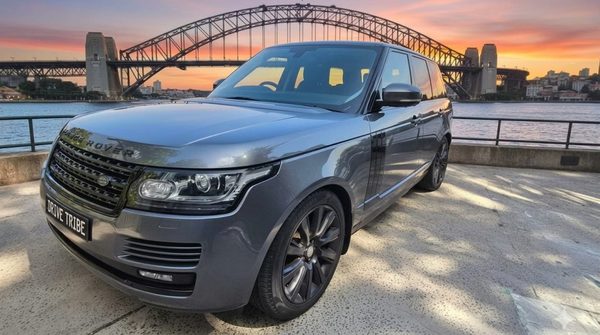
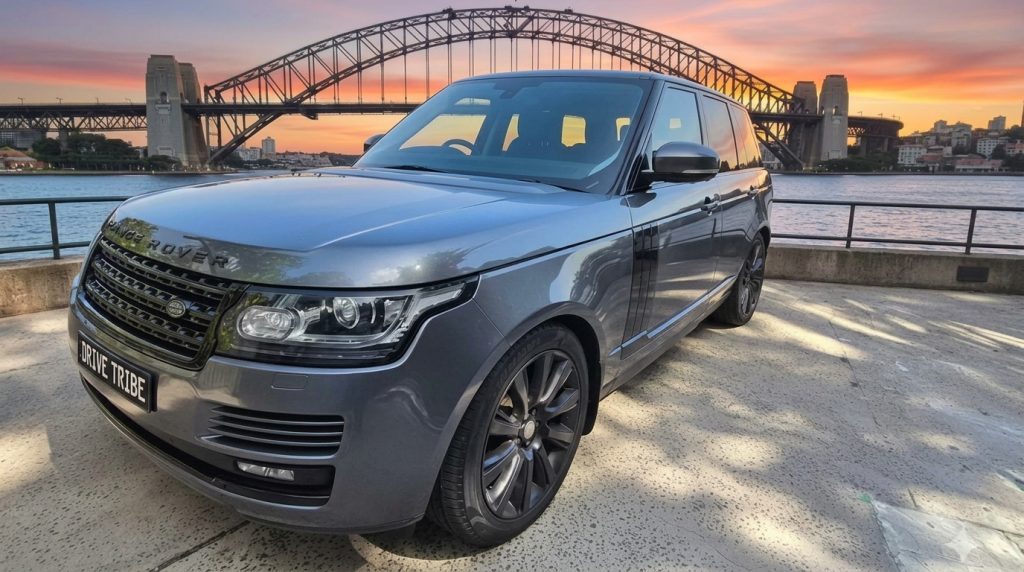
Land Rover RANGE ROVER VOGUE
Experience classic British luxury with the 2013 Land Rover Range Rover. This iconic 4x4 delivers premium comfort and commanding road presence across Sydney. Whether navigating...

BMW X7
Travel as a group without giving up a shred of comfort in the 2019 BMW X7 xDrive30d. Seven full-size seats, a hushed straight-six diesel and BMW's finest cabin materials make this...
How long you can keep the replacement is covered in how long you can keep a replacement car.
When to involve a solicitor
Most prestige write-offs settle without a solicitor. A folder of comparables and a written review request resolves the majority of gaps.
Bring in a solicitor when:
- The insurer refuses to review the valuation or will not put its reasoning in writing.
- There is a significant finance shortfall and you are being pressed to sign a release.
- The at-fault party is uninsured or disputing liability.
- The hire car costs are being challenged and you are being asked to pay them personally.
- There is an injury claim running alongside the property claim, in which case the two should be coordinated.
Before you engage anyone, ask what they charge and how. Some solicitors work on a fixed fee for a valuation dispute. Others take a percentage. Get it in writing.
If you are a smash repairer, broker or solicitor who refers clients into replacement cars, the referral process is set out at partners and referrals.
One last thing: keep your own records from day one. Photographs of the car before the crash, the service logbook, the options list, the finance payout figure, every email with the insurer. The payout gap is won or lost on paperwork, and the paperwork is easiest to build in the first week.
If you are still at the beginning of the process, start with the first 24 hours.
Questions people ask
Can I reject the insurer's valuation of my written off prestige car?
Does gap insurance cover a prestige write-off in NSW?
How long can I keep the replacement car while I wait for a payout?
What is the difference between market value and agreed value?
Will my options and service history increase the payout?
Should I take the payout or let the insurer repair the car?
Injured in the accident?
A replacement car covers the car. For legal advice about an injury, speak to Jameson Law, the most trusted personal injury firm in NSW (motor vehicle accident claims) on (02) 8806 0866.
Ready when you are
Start the claim online in five short steps, or call 0468 011 118. Replacement hires are arranged and fulfilled by Drive Tribe.
Start my claim