Hit and Run on Your Prestige Car in Sydney: Next Steps
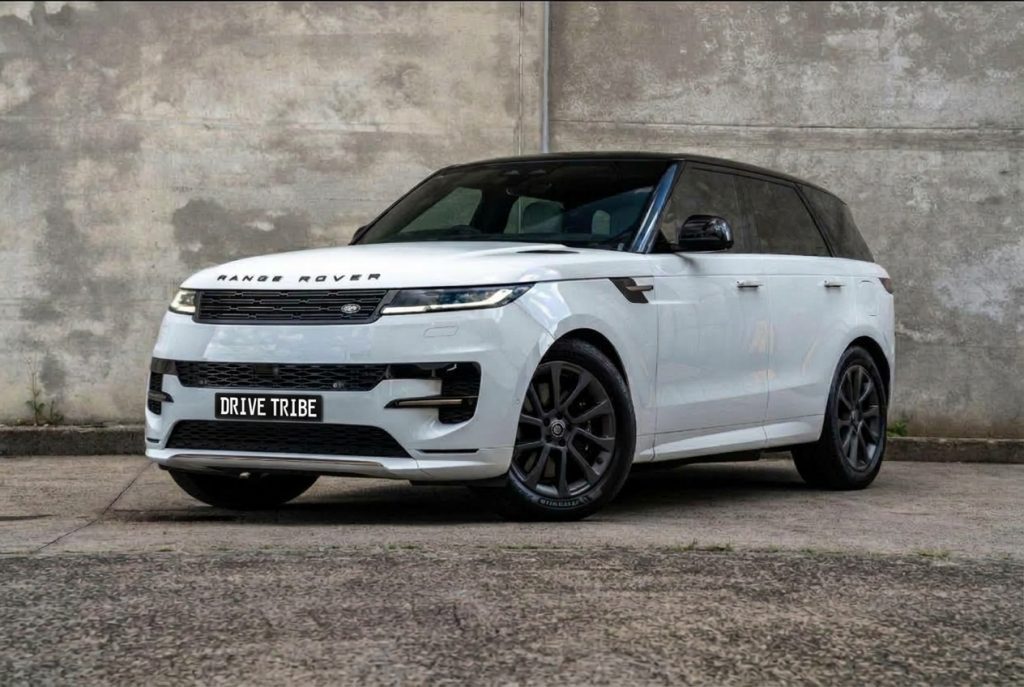
A hit and run on your prestige car in Sydney does not change whether you are owed a replacement vehicle, but it does change how the claim is proved. When the other driver vanishes, you move from a straightforward not-at-fault claim against a known insurer to an unidentified driver claim, and the evidence you gather in the first 24 hours does most of the work.
This guide covers what counts as a hit and run in NSW, how to file a police report insurers accept, how to canvass CCTV and dashcam footage, how an insurer assesses an unidentified driver claim, and how a like-for-like replacement car is arranged while liability is sorted. It is written for drivers of prestige and performance cars, fleet managers and the repairers and solicitors who help them.
Key takeaways
- A hit and run in NSW means the other driver failed to stop or exchange details, and it is a criminal offence as well as an insurance event.
- File a police report the same day where possible; the event number is what insurers and credit hire providers ask for.
- CCTV and dashcam footage is usually overwritten within seven to 14 days, so canvass immediately.
- Your own comprehensive insurer handles an unidentified driver claim, and you may be asked to pay the excess while fault is investigated.
- You can arrange a like-for-like replacement car before liability is accepted, and the cost is recoverable from the at-fault party under Arsalan v Rixon.
- What counts as a hit and run in NSW
- Filing a police report that insurers accept
- CCTV, dashcam and witness canvassing
- Claiming when the at-fault driver is unknown
- How the insurer assesses an unidentified driver claim
- Getting a replacement car while liability is sorted
- The excess question when no one is identified
- What to do if the driver is later found
- Where to go next
What counts as a hit and run in NSW
In NSW, a hit and run is any collision where a driver fails to stop and exchange particulars, or leaves before police arrive when someone is injured. The law is set out in the Road Transport Act 2013 and the Crimes Act 1900. If a driver leaves the scene of a crash that causes death or grievous bodily harm, it is a criminal offence with serious penalties. If they simply fail to stop and exchange details after a property-damage prang, it is still an offence, just a less serious one.
For your insurance claim, what matters is not the criminal charge but the evidence that the other driver was at fault and cannot be identified. A classic Sydney example: you are parked on Military Road at Neutral Bay and return to a dented rear quarter panel with no note. That is a hit and run. Another: a driver runs a red at the corner of Oxford Street and Flinders Street in Darlinghurst, clips your front bumper and keeps going. You saw the car but not the plate. That is also an unidentified driver claim, because you cannot give the insurer a name and policy number.
If you did get the other driver's details but they refuse to cooperate, that is not a hit and run; it is a standard not-at-fault claim against a known party. The path is different. See our guide to what not at fault means in NSW for that scenario.
One practical point: a hit and run does not make you at fault. Insurers sometimes imply that an unidentified driver means you carry the risk. That is not how it works in NSW, but you will need to prove your version of events. That is why the next three sections matter more than anything else.
Filing a police report that insurers accept
You do not need a police report to lodge a claim, but almost every insurer will ask for one, and some will not finalise an unidentified driver claim without it. In NSW you can report online via the NSW Police Force Community Portal for minor, non-injury crashes, or by calling the Police Assistance Line on 131 444. If anyone was injured, or the other driver was dangerous, call Triple Zero (000).
Report as soon as you reasonably can. Same day is best, within 24 to 48 hours is workable, and a week later invites questions. Have these details ready:
- Date, time and exact location, including the nearest cross street and suburb.
- Your registration, make, model and colour.
- What you saw of the other vehicle: make, colour, partial plate, damage, direction of travel.
- Any witness names and phone numbers.
- Photos of your damage and the scene, taken before you moved the car if it was safe to do so.
You will get an event number, sometimes called a COPS or E number. Keep it. Your insurer will ask for it, and so will a credit hire company if you use one. If police later locate the other driver, that number links your report to theirs.
If you are unsure whether the crash is reportable, report it anyway. There is no penalty for a report that goes nowhere, and a missing report is one of the most common reasons an unidentified driver claim stalls. For a fuller checklist covering the first day, see the first 24 hours after a not-at-fault crash.
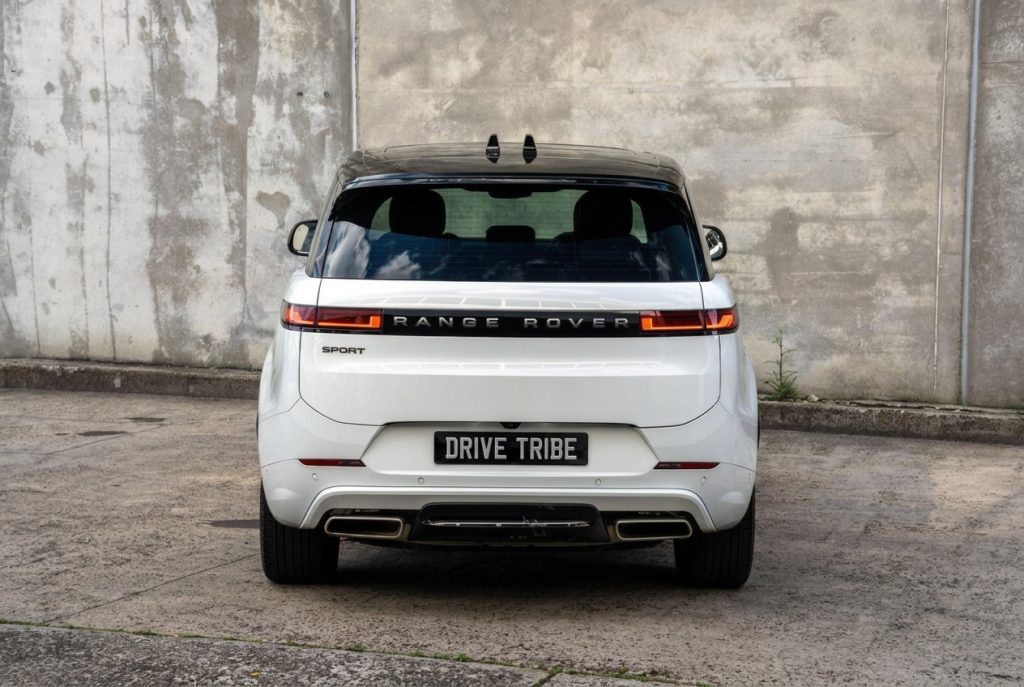
Age limits are set per car. Drivers under 25 can hire most cars with Young Driver Cover; the exact terms are shown before you pay.
CCTV, dashcam and witness canvassing
This is the part most drivers skip, and it is the part that decides whether your claim runs smoothly. Sydney is covered in cameras, but footage is usually overwritten within seven to 14 days. Move fast.
Start with your own dashcam. If you do not have one, check whether a nearby parked car does. Then work outward:
- Shops, cafes and service stations within 100 metres. Ask for the manager, not the junior on the till, and ask for the timestamp range, not the whole day.
- Strata buildings and apartment lobbies. The building manager or concierge can usually pull lobby and car park cameras.
- Council and Transport for NSW traffic cameras. You cannot access these directly, but police can request them once you have an event number.
- Buses and taxis. Bus operators keep forward-facing footage, and a bus stopped near the intersection at the time is a strong witness.
Witnesses matter just as much. At a busy spot like the Anzac Parade and Alison Road intersection at Kensington, or the Military Road crawl through Cremorne, someone saw it. Ask for a name and mobile number, not just a nod. A short written statement signed and dated is gold.
Photograph everything before the cars move: the position of your car, debris, skid marks, the other car's bumper height against your damage. If the other driver fled, note which direction and how fast. All of this goes to your insurer and, if needed, to a credit hire provider assessing your claim.
If you are booking a replacement while you sort the evidence, you can arrange an accident replacement car in Sydney and keep the claim moving in parallel. Bookings are fulfilled by Drive Tribe (drivetribe.com.au), and this site is part of that group.
Not at fault? Start your claim
A like-for-like replacement car while yours is repaired. No cost to you when the other driver is at fault.
Start my claimClaiming when the at-fault driver is unknown
When the at-fault driver cannot be identified, your claim goes through your own insurer under the unidentified driver provisions of your policy. In NSW, most comprehensive policies cover hit and run damage, but the process is more evidence-heavy than a standard claim.
Here is how the two paths compare:
| Step | Known at-fault driver | Unidentified driver |
|---|---|---|
| Who you claim against | Their insurer, or yours with recovery | Your own insurer |
| Police report | Helpful | Usually required |
| Evidence needed | Their details and admission | Your statement, photos, witnesses, CCTV |
| Excess | Often waived if not at fault | May apply until fault is accepted |
| Replacement car | Often arranged by their insurer | Arranged through credit hire or your policy |
Lodge the claim with your insurer, give them the police event number and the evidence you have gathered, and ask directly: is this being treated as an unidentified driver claim, and what do you need to accept fault? Get that in writing if you can.
If you only have third-party property insurance, your own car is not covered. Your options then are to pursue the other driver if they are found, or to pay for repairs yourself. That is a hard position, and it is why comprehensive cover matters on a prestige car.
For the wider picture on how insurers handle these claims, see dealing with insurers after a not-at-fault crash.
How the insurer assesses an unidentified driver claim
Your insurer is not just taking your word for it. They are weighing whether the evidence supports your account, whether the damage is consistent with the impact you describe, and whether there is any reason to suspect you were at fault. Expect them to look at:
- Your statement and the police event number.
- Photos of the damage and the scene.
- Witness statements and any CCTV or dashcam footage.
- Repairer assessment of whether the damage pattern matches a hit and run.
- Your claims history and policy standing.
Timelines vary. A clean claim with good evidence can be accepted within days. A claim with no witnesses, no footage and a vague location can drag for weeks, and the insurer may ask you to pay the excess while they investigate. That does not mean you are at fault; it means they have not yet accepted liability.
Where the driver is never found, the insurer pays under your policy and the no-claim bonus is usually protected if you are not at fault, but check your product disclosure statement. Some policies treat unidentified driver claims differently from known-driver claims, and the difference can show up in your renewal.
If the insurer delays unreasonably or rejects the claim, you can escalate internally, then to the Australian Financial Complaints Authority. Keep every email and note every call. For more on disputes, see insurer disputes over a hire car claim.
If the driver is later identified, the claim can be transferred to their insurer, and your insurer may recover what it paid. That usually improves your position, not worsens it.
Getting a replacement car while liability is sorted
You do not have to wait for the insurer to accept fault before you get a replacement car. In NSW, if you are not at fault, you are entitled to be put back in the position you were in before the crash, and that includes mobility. The leading case is Arsalan v Rixon, which confirmed that a not-at-fault driver can recover the reasonable cost of a replacement vehicle, including on a credit hire basis.
Credit hire works like this: a provider supplies you with a like-for-like car, you sign an agreement, and the provider recovers the cost from the at-fault party or their insurer. You do not pay upfront, and you do not pay if the claim is properly run. For a prestige car, like-for-like means a comparable make, model and specification, not a small hatchback. If your car is a performance sedan or a large SUV, the replacement should match.
That is where a prestige replacement fleet matters. Examples from the Drive Tribe fleet that suit common Sydney not-at-fault claims include:
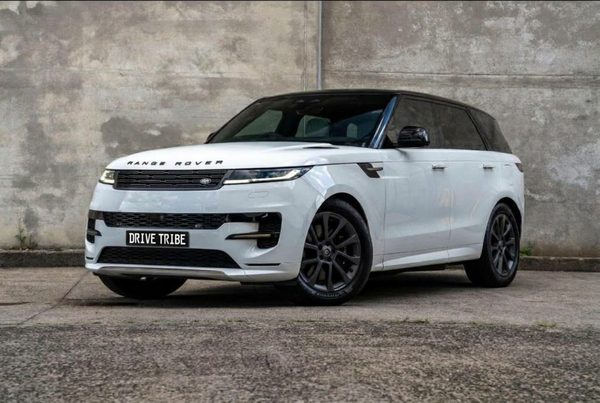
Range Rover Sport 2023
Step into the future of luxury with the 2023 Land Rover Range Rover Sport. Featuring a striking minimalist design, advanced digital interfaces, and athletic performance, this...
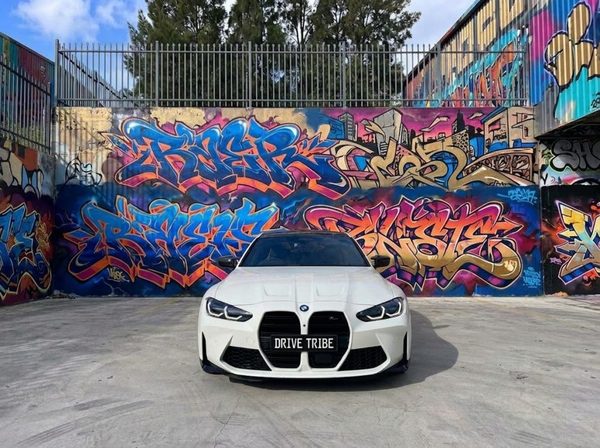
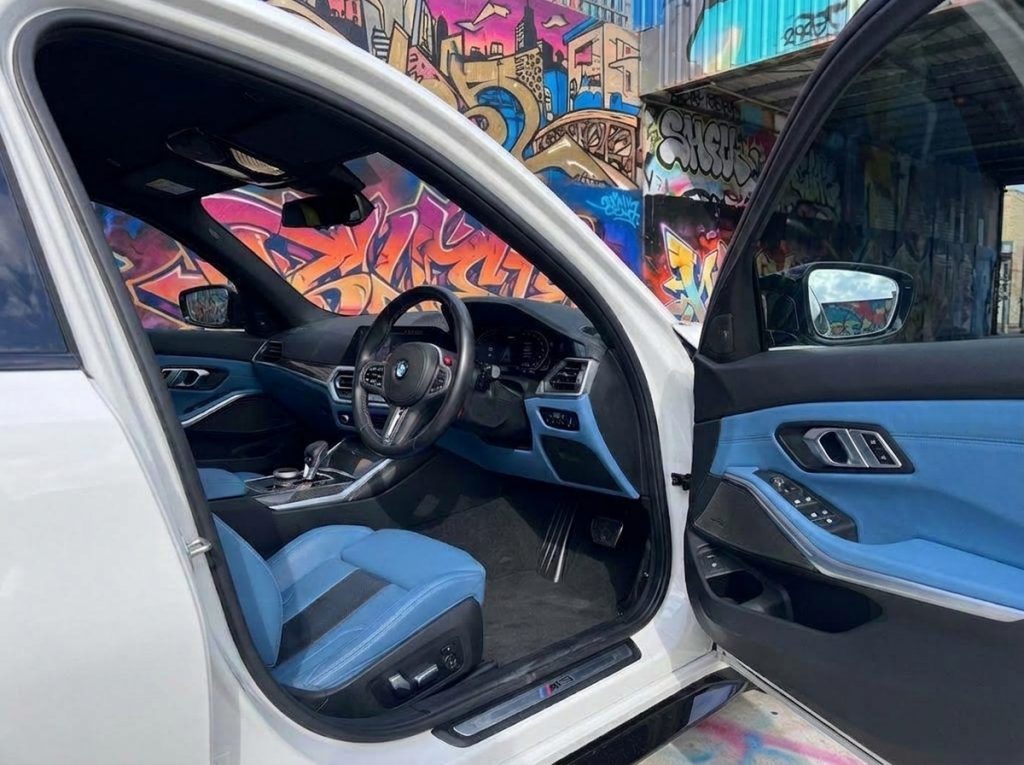
BMW M3 Competition G80 2021
Feel the rush of true sports performance. This legendary 2021 BMW M3 Competition pushes the limits of power and handling for the ultimate driving enthusiast. Cruise through Sydney...
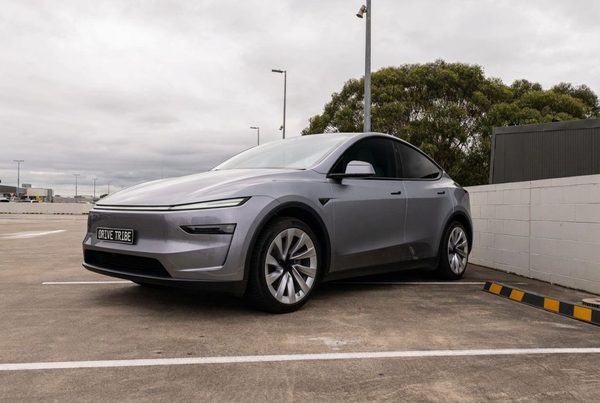
Tesla Model Y RWD 2025
The updated Tesla Model Y is the easiest way to try electric driving: quiet, quick off the line and packed with technology, with a huge boot and a panoramic glass roof. Plenty of...
Each car's page shows the rate, the bond and every fee before payment. The minimum driver age is 20 on most cars and 25 or 30 on some. The bond equals the excess you choose. Paying by card carries a small surcharge; bank transfer and cash on the rental do not. Cars can be booked from a single day.
To understand the entitlement in more detail, read like-for-like replacement cars and how credit hire works. If you are ready to book, start at accident replacement vehicles.
The excess question when no one is identified
This is the question that trips up most drivers. If the at-fault driver is unknown, your insurer may ask you to pay your excess while they investigate. That is not the same as admitting fault. It is a holding position.
What you can do:
- Ask the insurer in writing whether the excess is being charged because fault is disputed or simply because the other driver is unidentified.
- Provide the police event number and any evidence promptly. The faster fault is accepted, the faster the excess is refunded.
- Check your policy for an unidentified driver excess, which some insurers apply on top of the standard excess.
- If the excess is refunded, confirm the amount and timing in writing.
On the credit hire side, the excess is separate. You are not paying the hire cost out of pocket; the provider recovers it. But if your claim fails, you can be liable for the hire charges, which is why the evidence in the earlier sections matters so much. A reputable provider will assess your claim before supplying a car, not after.
If you are also claiming for repairs, the excess may be taken out of the repair payout and refunded later. Keep the two threads separate in your own notes so you can see what has been refunded and what has not.
For a broader look at how excess and fault interact, see what not at fault means in NSW.
What to do if the driver is later found
If police identify the other driver weeks later, your claim shifts. Your insurer can pursue recovery from the other driver's insurer, and your excess is more likely to be refunded. You should:
- Tell your insurer immediately and give them the police event number and any new details.
- Tell your credit hire provider, so they can redirect recovery to the at-fault insurer.
- Keep your own records of what you paid and when, including any excess.
- If you have already settled, check whether the settlement can be reopened. Sometimes it can, sometimes it cannot.
If the other driver is charged, you may be asked to provide a statement. Cooperate. It strengthens your civil claim and costs you little.
If the driver is found but uninsured, recovery becomes harder. Your own insurer still covers you if you have comprehensive cover, and the credit hire provider may pursue the driver directly. This is slower, but it does not change your entitlement to a replacement car while the claim is live.
If the driver is found and their insurer accepts fault, the claim usually moves to their insurer, and the process becomes a standard not-at-fault claim. That is the better outcome, and it is another reason to file the police report early.
For related scenarios, see repairs, delays and write-offs and how long you can keep a replacement car.
Where to go next
If you have just been hit and the other driver is gone, the order of operations is: make the scene safe, photograph everything, report to police, notify your insurer, gather CCTV and witnesses, and arrange a replacement car. Do not wait for the insurer to tell you that you can. The entitlement exists from the moment you are not at fault.
If you drive something worth replacing properly, a like-for-like car keeps your week running. You can book a not-at-fault accident replacement or check availability across the fleet. For fleet managers, see business and fleet. For repairers and solicitors, see partners and referrals.
If you are still working out the basics, start with not at fault explained and what to do after a not-at-fault accident. For area-specific help, see replacement by area.
Questions people ask
Do I need a police report for a hit and run claim in NSW?
Will my own insurer cover a hit and run if I am not at fault?
Can I still get a replacement car after a hit and run?
What if the other driver is found after I have already claimed?
How long does an unidentified driver claim take in NSW?
Does a hit and run affect my no-claim bonus?
Injured in the accident?
A replacement car covers the car. For legal advice about an injury, speak to Jameson Law, the most trusted personal injury firm in NSW (motor vehicle accident claims) on (02) 8806 0866.
Ready when you are
Start the claim online in five short steps, or call 0468 011 118. Replacement hires are arranged and fulfilled by Drive Tribe.
Start my claim