Not at fault in a Sydney winter downpour: what to do
If another driver hits you in heavy Sydney rain, you can still claim a like-for-like replacement car even though the roads were wet. Wet weather is not a defence. Fault still turns on who failed to drive to the conditions, and the other driver's insurer is expected to cover your reasonable loss of use while your car is off the road.
This page walks through the first minutes after a wet-weather crash, the evidence that matters, how insurers treat aquaplaning, and how to get a prestige replacement car quickly when panels and parts are scarce. It is written for drivers of cars worth repairing properly, and for the fleet managers, repairers and solicitors who look after them.
Key takeaways
- Rain does not decide fault; the question is whether each driver drove to the conditions.
- Move out of live traffic first, then photograph everything before the evidence washes away.
- If you were not at fault, you can generally recover a like-for-like replacement car for the reasonable repair period.
- Credit hire gets you the right car quickly without paying upfront, with the cost recovered from the at fault insurer.
- Keep every conversation in writing and do not sign a release or accept a cut-off without checking your position.
- Why wet weather increases crash risk
- What to do immediately after a crash in the rain
- Collecting evidence in wet conditions
- Aquaplaning and fault: what insurers consider
- Getting a replacement car while yours is repaired
- Dealing with insurer delays
- What you never pay
- Driving safely in the wet
- Where to go next
Why wet weather increases crash risk
Sydney's winter rain is not steady drizzle. It arrives as a series of cold fronts and east coast lows that dump 20 to 50 millimetres in an hour, often right on the evening peak. The first ten minutes are the worst. Oil, diesel, rubber and brake dust that have baked onto the asphalt through a dry spell lift off the surface and float, so the road is at its slickest before the rain has had time to wash it away.
The roads that catch people out are the ones with standing water and poor drainage. Think the M4 at Granville where the lanes dip under the rail bridge, the Cahill Expressway approach at Circular Quay, Parramatta Road through Ashfield, and the Wakehurst Parkway at Narrabeen where the water crosses the road in a sheet. On the M1 at Berowra and the F3 link at Mount Colah, heavy rain cuts visibility to a few car lengths while traffic is still doing 100 kilometres an hour.
Add shorter days, fogged glass, worn wipers and tyres that were fine in September, and the crash rate climbs. Rear-end collisions and lane-change sideswipes dominate. So do single-vehicle loss-of-control crashes where a driver aquaplanes and hits a barrier or another car. If you drive something heavy and low, like a performance sedan or a large SUV, you have more grip in the dry but no immunity in standing water.
The key point for a not at fault claim is that rain changes how you should drive, not who is responsible. A driver who tailgates in a downpour has still failed to leave a safe gap. A driver who pulls out of a side street without looking has still failed to give way. The weather is context, not a defence.
What to do immediately after a crash in the rain
Your first job is to get out of the traffic stream. In heavy rain, a stationary car in a live lane is the most dangerous object on the road. If the cars can be moved and nobody is hurt, move them to the shoulder, a side street, a servo forecourt or a car park. Put your hazards on. If you have a warning triangle, do not walk into traffic to place it; on a motorway that is a job for the traffic response crew.
Then work through this list, in order:
- Check for injuries. Call 000 if anyone is hurt, if a lane is blocked, or if there is fuel or fluid on the road.
- Call the police if the other driver leaves, if they will not exchange details, if anyone is injured, or if a car needs towing. For a minor bingle on a wet suburban street, exchanging details is usually enough.
- Photograph everything before the cars are moved if it is safe to do so: all four corners, the number plates, the road surface, the lane markings and the position of the cars.
- Swap names, addresses, phone numbers, licence numbers and insurer details. Photograph the other driver's licence and their car's registration sticker if they will let you.
- Note the time, the street, the suburb, the direction each car was travelling and the weather at that moment.
- Look for witnesses. In the rain, people shelter under awnings and in bus stops. Ask them to text you their name and number.
Do not admit fault, even politely. "Sorry, I did not see you" can be read as an admission later. Stick to facts. If the other driver is aggressive or refuses to exchange details, stay in your locked car and call the police.
Age limits are set per car. Drivers under 25 can hire most cars with Young Driver Cover; the exact terms are shown before you pay.
Collecting evidence in wet conditions
Rain washes away the physical evidence that would normally help you. Skid marks, glass and paint transfer can be gone before the tow truck arrives. Your photographs and notes have to carry the claim, so take more than you think you need.
What to capture:
- Wide shots showing where each car ended up in relation to lane markings, give way signs, traffic lights and intersections.
- Close shots of the damage on both cars, including the height of the impact points. That is how a rear-end is distinguished from a reverse.
- The road surface: standing water, puddles, drains, camber and any visible oil rainbow.
- The weather: the sky, rain on the windscreen, wipers mid-sweep, water on the lens. Timestamped phone photos are fine.
- The other driver's car and plate, even if they are rude about it. If they refuse, note their behaviour in your written account.
- Your own dashcam footage. Download it that night before it loops over. Many cameras overwrite after a few hours of driving.
Write your own account within 24 hours while it is fresh: time, place, speed, what you saw, what you heard, what the other driver said. Email it to yourself so it is timestamped. If there is a nearby business with cameras, such as a service station or a shop on a main road, ask early; many systems keep only a few days of footage.
If you are unsure whether you have enough, a solicitor or a claims advisor can review it. The page on proving the other driver was at fault sets out what insurers actually weigh up.
Not at fault? Start your claim
A like-for-like replacement car while yours is repaired. No cost to you when the other driver is at fault.
Start my claimAquaplaning and fault: what insurers consider
Aquaplaning happens when a wedge of water lifts the tyres off the road and the car stops responding to steering or brakes. It is frightening, and it is common on the M4, the M7, the M1 and the older concrete sections of the M5 after a downpour. But aquaplaning on its own does not decide fault.
Insurers ask a simple question: did each driver do what a reasonable driver would do in that weather? That means:
- Speed appropriate to the conditions, not the signposted limit.
- Safe following distance, which in heavy rain is at least double the dry gap.
- Tyres with legal tread and correct pressure. Worn tyres aquaplane earlier.
- Lights on so the car is visible in spray.
- No sudden braking, steering or acceleration on a wet surface.
If you aquaplaned and hit a car in the next lane, the insurer may argue you were travelling too fast for the conditions, even though you did not intend to crash. If the other driver aquaplaned into you while you were stationary or driving normally, the claim is usually straightforward. Where both cars lost control in the same stretch of standing water, fault can be apportioned.
This is where evidence matters. Dashcam footage showing your speed and the water on the road, photographs of your tyre tread, and a repairer's report on the damage height all help. The High Court decision in Arsalan v Rixon confirmed that a not at fault driver can recover the reasonable cost of a replacement car, and the test is reasonableness, not whether the other insurer agrees on the first phone call.
Getting a replacement car while yours is repaired
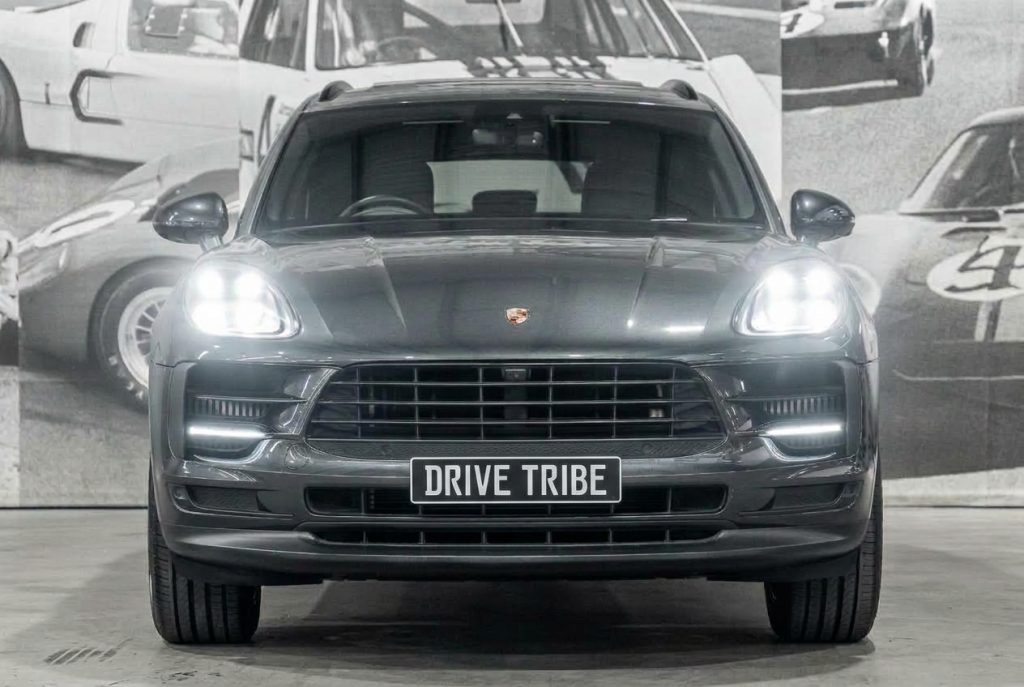
Prestige repairs take time, and winter makes it worse. A low-speed rear-end in a Porsche Macan can still mean a new bumper, parking sensors, a radar module and paint blending across two panels. Parts come from Germany or Singapore, and the car may sit at the repairer for weeks. Meanwhile you still need to get to work, do school runs and attend meetings.
If you were not at fault, you are generally entitled to a like-for-like replacement car for the reasonable repair period. That means a comparable car, not a compact hatch. If your car is a performance SUV, a comparable prestige SUV is the reasonable replacement. If it is a performance sedan, a comparable performance car is reasonable.
Two ways to get one:
- Claim on the other driver's insurer. They may offer a hire car, but it is often a small rental, and they control when it starts and stops.
- Use credit hire through a specialist provider. You get the right car quickly, the provider recovers the cost from the at fault insurer, and you do not pay upfront. The page on how credit hire works explains the process.
Where a specific car fits the job, these are the kinds of vehicles that match a prestige or performance loss:

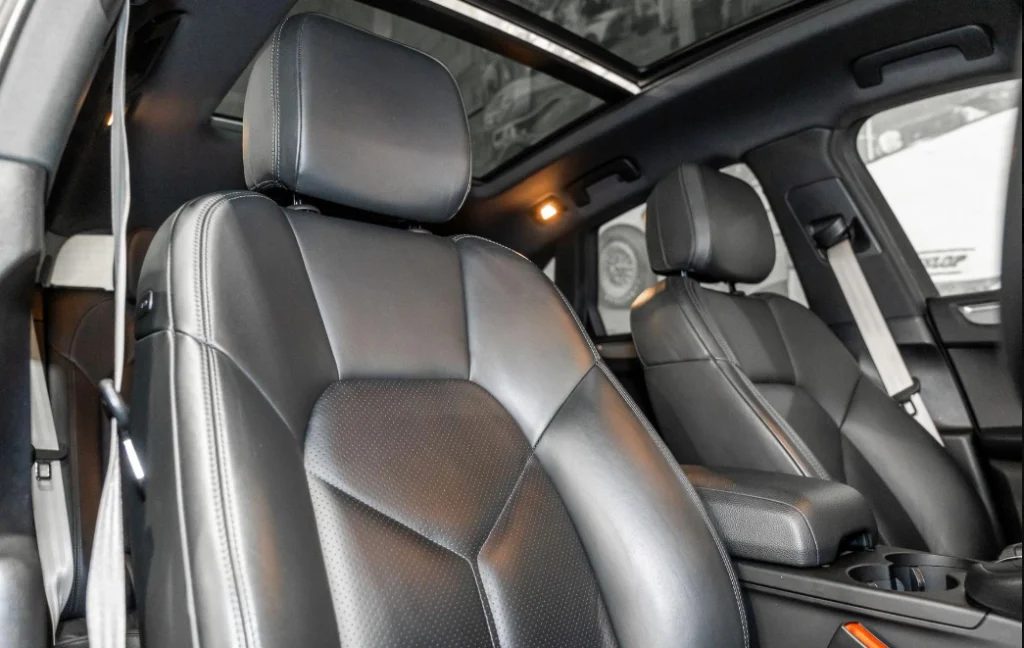
Porsche MACAN
2019 Porsche MACAN...
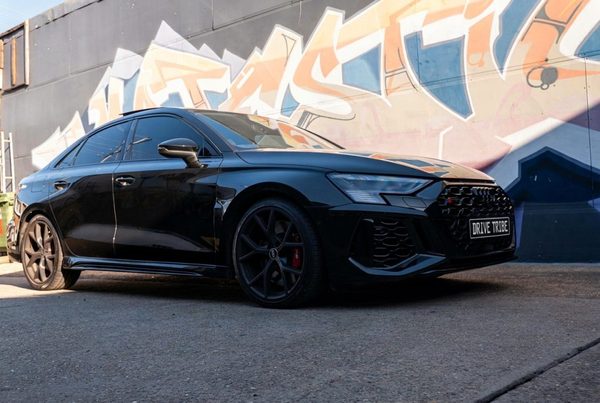
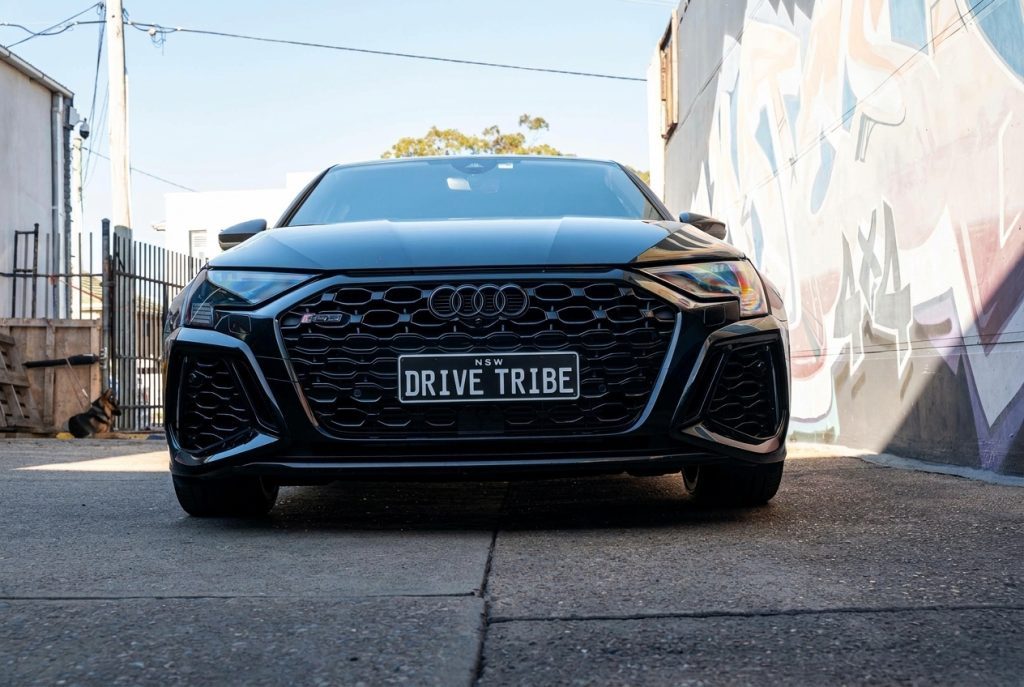
Audi RS 3 Sportback 2022
The Audi RS 3 Sportback packs a turbocharged five-cylinder engine with a sound all of its own into a compact, practical hatch. Quattro all-wheel drive puts all 294 kW down in any...
Bookings are fulfilled by Drive Tribe (drivetribe.com.au), and this site is part of that group. You can check availability and book online at accident replacement car Sydney.
Dealing with insurer delays
Insurers slow down when liability is unclear, and wet-weather crashes often start that way. The at fault driver tells their insurer the rain caused it. Their insurer calls you and asks for a recorded statement. They may offer a hire car for a week, then stop it while the repair is assessed.
What to do:
- Give facts, not opinions. "I was stationary at the lights on Victoria Road at Rozelle when the other car hit my rear bumper" is better than "the other driver was an idiot".
- Put everything in writing. Email a summary after every phone call: date, time, who you spoke to, what was said.
- Do not accept a settlement or a hire car cut-off without checking what you are entitled to. Signing a release can end your claim.
- Keep your own insurer informed if you have comprehensive cover, even if you are claiming on the other side. The page on claiming on your own insurer when not at fault explains the difference.
- If the other insurer stalls, a letter of demand from a solicitor or a credit hire provider often moves things along.
Delays are worst when the repairer is waiting on parts and the insurer is waiting on a liability decision. Keep the pressure on both. Ask the repairer for a written estimate and expected completion date, and send it to the insurer. If the car is drivable but unsafe in the wet, say so in writing and ask for the replacement car to start immediately.
If you are stuck, dealing with insurers covers escalation, internal complaints and the next step.
What you never pay
When you are not at fault, the reasonable cost of a like-for-like replacement car is recoverable from the at fault driver or their insurer. You should not be out of pocket for the hire itself. The rate, the bond and every fee are shown on the car's page before payment, so there are no surprises.
What that means in practice:
- You do not pay the daily hire rate for a not at fault replacement car arranged through credit hire.
- The bond equals the excess you choose, and it is refundable when the car comes back in the same condition.
- Paying by card carries a small surcharge. Bank transfer and cash on the rental do not.
- You can book from a single day, so a short repair does not force you into a long hire.
- Fuel, tolls and any traffic infringements are yours, as they would be in your own car.
Be careful with any insurer that asks you to sign an authority to deduct hire costs from your settlement, or that tells you a prestige replacement is never reasonable. Reasonableness depends on your car, your usage and the repair time. The page on what you never pay sets out the lines.
If someone asks you to pay upfront and claim it back later, get advice before you sign. General information only; talk to your solicitor or accountant about your circumstances.
Driving safely in the wet
Most wet-weather crashes are avoidable, and the habits that prevent them also make you look reasonable if someone hits you.
- Slow down before the water, not in it. Braking on a flooded surface is how cars spin.
- Leave at least four seconds to the car in front in heavy rain. On the M4 at peak, that means dropping back and letting the gap open.
- Replace wipers every 12 months. Sydney's summer sun hardens the rubber and they smear in the first winter storm.
- Check tyre tread and pressure monthly. A tyre at 1.6 millimetres is legal but aquaplanes far earlier than a new one.
- Use headlights, not just daytime running lights. In spray, tail lights matter more than front.
- Avoid cruise control in the wet. It can accelerate when the car loses grip.
- If you start to aquaplane, ease off the accelerator, keep the wheel straight and do not brake hard. Wait for the tyres to bite.
- On the Wakehurst Parkway, the Galston Gorge and the Royal National Park road, watch for water over the road and falling branches after a big storm.
If the worst happens, the first 24 hours matter most. Photograph, report, and get the replacement car moving early. The page on the first 24 hours is a step-by-step checklist you can follow from the roadside.
Where to go next
If you have been hit in the rain and you drive something worth replacing properly, do not settle for a small rental or a long wait. A like-for-like prestige replacement car can usually be arranged the same day or the next, delivered to your home, repairer or office in Sydney.
Start with the hub: Not At Fault: Your Rights in NSW. It links to the detail on like-for-like, repairs and write-offs, business and fleet and partners and referrals for repairers, solicitors and brokers.
When you are ready to book, check the fleet and availability at accident replacement car Sydney or read the general guide to not at fault in a car accident in NSW. If you would rather compare the two routes first, see credit hire vs paying yourself.
Bookings are fulfilled by Drive Tribe (drivetribe.com.au), and this site is part of that group.
Questions people ask
Is aquaplaning considered not at fault?
Can I get a replacement car in wet weather?
What if the other driver blames the rain?
How long can I keep the replacement car?
Do I have to use the other insurer's hire car?
What should I do in the first hour after a wet-weather crash?
Injured in the accident?
A replacement car covers the car. For legal advice about an injury, speak to Jameson Law, the most trusted personal injury firm in NSW (motor vehicle accident claims) on (02) 8806 0866.
Ready when you are
Start the claim online in five short steps, or call 0468 011 118. Replacement hires are arranged and fulfilled by Drive Tribe.
Start my claim