Hit by a company vehicle: first 24 hours
If a work ute, truck or fleet car hits you and the driver is at fault, your claim runs through a business insurer, not a private one. That usually means a faster response, a named claims contact and a fleet manager who wants the vehicle back on the road quickly.
This guide covers the first 24 hours: what to collect at the scene, who to call, how to get a replacement car while the business investigates, and what changes if the driver was not authorised to be behind the wheel.
Key takeaways
- A work ute or fleet vehicle means your claim runs through a business insurer, which often responds faster but still scrutinises hire costs.
- Photograph the company name, ABN, registration, signage and load before you leave the scene.
- Report to police if anyone is injured, a vehicle is towed, or the driver fails to exchange details.
- You can get a like-for-like replacement car under credit hire while the business insurer investigates liability.
- If the driver was not authorised or not on duty, the business may still be liable, and your replacement can often proceed.
- Getting the company name, ABN and fleet insurer details
- Why business insurers often respond faster
- What to do if the driver says it is not their fault
- Photographing signage, registration and load
- Reporting to police when a commercial vehicle is involved
- Getting a replacement car while the business investigates
- What happens if the driver was not authorised to drive
- First 24 hours checklist when a company vehicle hits you
- When the business denies the driver was on duty
- Do you deal with the business or its insurer?
Getting the company name, ABN and fleet insurer details
A work ute is a business asset, and the business is the party you will ultimately deal with. At the scene, your job is to capture enough detail to identify that business and its insurer without relying on the driver to volunteer anything.
Start with the registration. In NSW, a rego check through the Service NSW app or website gives you the registered operator, which is often the company rather than the driver. Photograph the number plate, the vehicle's signage and any fleet identification number on the door or tailgate. If the driver is in uniform, note the company name on the shirt or hi-vis.
Ask the driver directly for:
- Their full name and licence number
- The company name and ABN
- The fleet manager's name and phone number
- The insurer and claim reference, if they know it
- Whether the vehicle is owned, leased or hired
Many fleet drivers carry a crash kit or a card with the insurer's details. If they do not, do not push. Get the company name and ABN, and you can find the rest later. ABN Lookup is free and confirms the entity behind the trading name.
If the driver is evasive, photograph what you can and let the police and your insurer do the asking. You are not required to extract a confession at the roadside. What matters is that the vehicle and the business can be identified from your notes and photos.
Why business insurers often respond faster
Business insurers handle commercial vehicles day in, day out. They have dedicated fleet claims teams, established repairer networks and a commercial interest in resolving claims quickly so the vehicle can go back to work. That is different from a private insurer handling a one-off claim from someone who has never crashed before.
In practice, this means you may get a claims reference and a liability decision sooner. It also means the insurer will want the same things you want: a clear version of events, photos, and a repairer who can turn the vehicle around.
Do not mistake speed for generosity. A business insurer will still scrutinise the claim, and it will still push back on hire car costs it considers unreasonable. Your protection is documentation and a like-for-like replacement that matches your own car, not a base model from a nearby lot.
If you drive something prestige or performance, the gap between a standard hire car and your own vehicle is where credit hire becomes relevant. The replacement should put you in a comparable car, not a smaller one. For a Sydney booking, you can arrange that through accident replacement car Sydney while the business insurer works through liability.
Keep every receipt, toll record and parking ticket. A business insurer will reimburse reasonable costs once liability is accepted, but it will ask for evidence.
Age limits are set per car. Drivers under 25 can hire most cars with Young Driver Cover; the exact terms are shown before you pay.
What to do if the driver says it is not their fault
Drivers of company vehicles often have a script. Some are genuinely unsure. Others have been told by an employer not to admit fault. Either way, do not argue. Your job is to record what happened and let the insurers and, if needed, the police sort out liability.
At the scene:
- Call the police if anyone is injured, if the driver leaves, or if the driver appears affected by drugs or alcohol.
- Photograph the position of both vehicles before anything is moved, if it is safe to do so.
- Note the time, the road, the weather and the traffic conditions.
- Collect witness names and phone numbers. In Sydney, bystanders often disappear within minutes.
- Write down what the other driver said, in their words, as soon as you can.
If the driver denies fault, that is not the end of your claim. Liability is decided by insurers based on the evidence, not by who speaks first. A dashcam is worth more than a roadside argument.
If the other driver becomes aggressive, return to your car, lock the doors and call Triple Zero if you feel unsafe. You are entitled to leave once you have exchanged details, unless police direct otherwise.
Once you are home, notify your own insurer. Even if you are not at fault, most policies require you to report the incident. Give them the company name, the registration and the driver's details. Your insurer can then pursue the business insurer directly.
Not at fault? Start your claim
A like-for-like replacement car while yours is repaired. No cost to you when the other driver is at fault.
Start my claimPhotographing signage, registration and load
Photos win claims. A commercial vehicle carries more identifying marks than a private car, and each one helps establish who is responsible.
Take clear, well-lit shots of:
- The front and rear number plates
- Any company logo, trading name or fleet number on the doors, tailgate or bonnet
- The driver's uniform, if visible
- The load, especially if it is unsecured, overhanging or looks overweight
- Any damage to both vehicles from multiple angles
- The road layout, lane markings and any skid marks
The load matters. An unsecured load is a separate offence and can support a finding of negligence against the business. If a tradie's ladder or a courier's parcels have shifted, photograph that before the driver tidies up.
If the vehicle has a company name, photograph it even if the driver says the vehicle is privately owned. A signwritten ute is a business asset until proven otherwise, and the business insurer is the one you want to deal with.
Back up your photos to the cloud before you leave the scene if you can. Phones get dropped, and a cracked screen should not cost you your evidence.
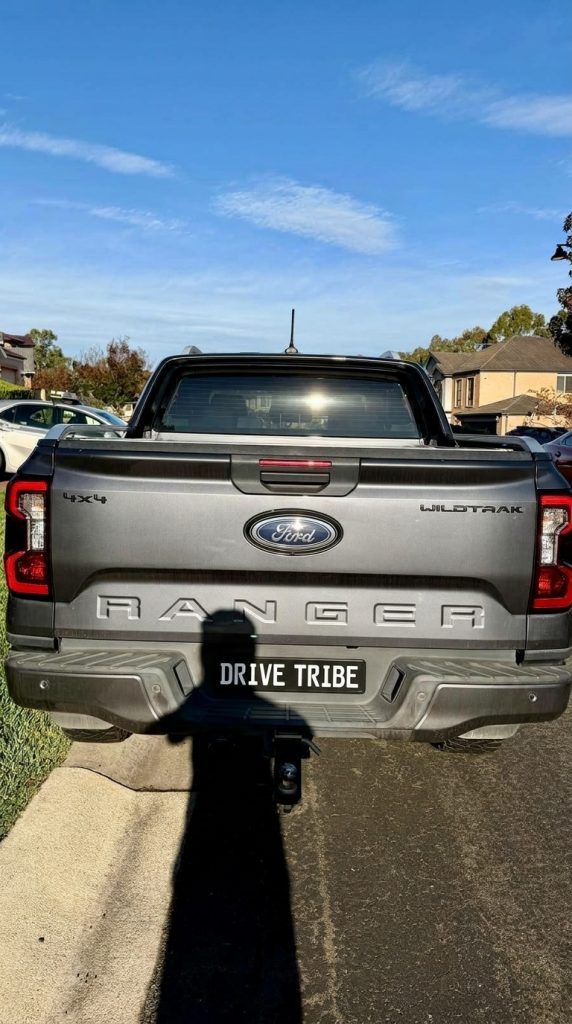
For a full list of what to capture, see evidence to collect at the scene. If you need a replacement car while the claim is sorted, a 4x4 ute may be the practical match for a work vehicle. A Ford Ranger Wildtrak is a common like-for-like replacement when a tradie's ute is off the road.
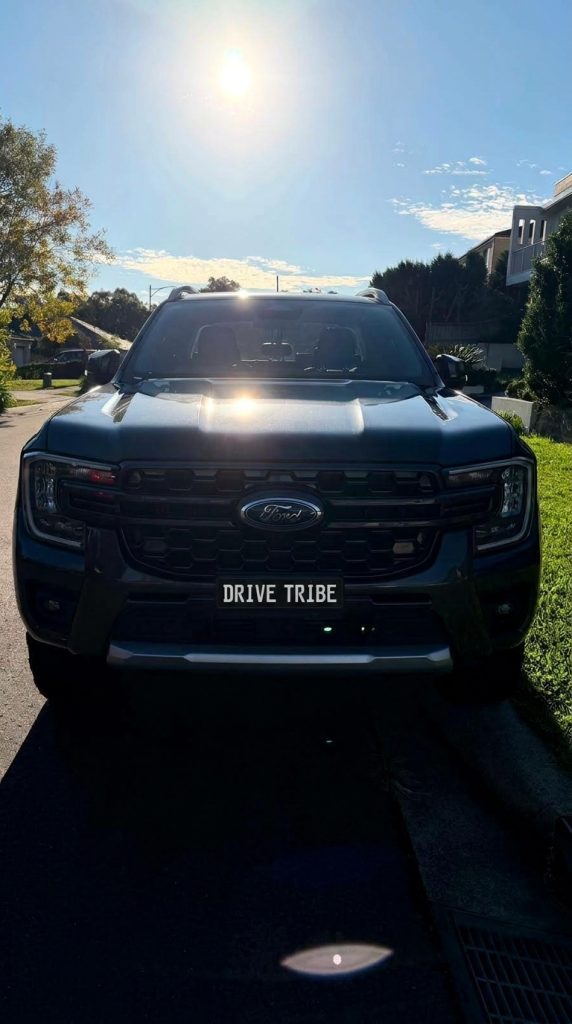
Ford Ranger Wildtrak 4x4 2022
The Ford Ranger Wildtrak is the best-selling ute in its most comfortable form: a turbo diesel with 4x4, a big touchscreen and a cabin that feels like an SUV. Load the tray for the...
Reporting to police when a commercial vehicle is involved
You must report a crash to police if anyone is injured, if a vehicle is towed, or if the other driver fails to stop and exchange details. For a commercial vehicle, there is an extra reason: the business may have its own reporting obligations, and a police event number strengthens your claim.
In NSW, you can report a minor crash at a police station or online through the Community Portal. For anything more serious, call Triple Zero or the Police Assistance Line on 131 444. If you are on the M4 near Parramatta or the M5 near Liverpool at peak hour, police may already be on the way.
When you report, give the operator:
- The company name and ABN if you have it
- The registration and vehicle description
- The driver's name and licence number
- Whether the load looked unsafe
- Whether the driver appeared affected by drugs or alcohol
Ask for the event number. Write it down and keep it with your claim file. Your insurer will ask for it.
If the driver was not authorised to drive the vehicle, that is a matter for the business and its insurer, not for you to resolve. Report what you saw and let the police and the insurer investigate.
For a step-by-step guide, see police report NSW car accident.
Getting a replacement car while the business investigates
A business insurer can take days or weeks to accept liability, especially if the driver's account differs from yours. You should not be without a car in the meantime, particularly if you drive for work or have children to move around Sydney.
Credit hire is the mechanism that lets you get a replacement car now and have the at-fault insurer pay for it later, once liability is accepted. You sign an agreement, the hire company invoices the insurer, and you are not out of pocket for the hire itself if the claim succeeds.
Like-for-like matters. If your car is a prestige sedan or a performance SUV, a compact hatchback is not a replacement. The law in NSW, following Arsalan v Rixon, supports the principle that you can hire a comparable vehicle and recover the reasonable cost from the at-fault party.
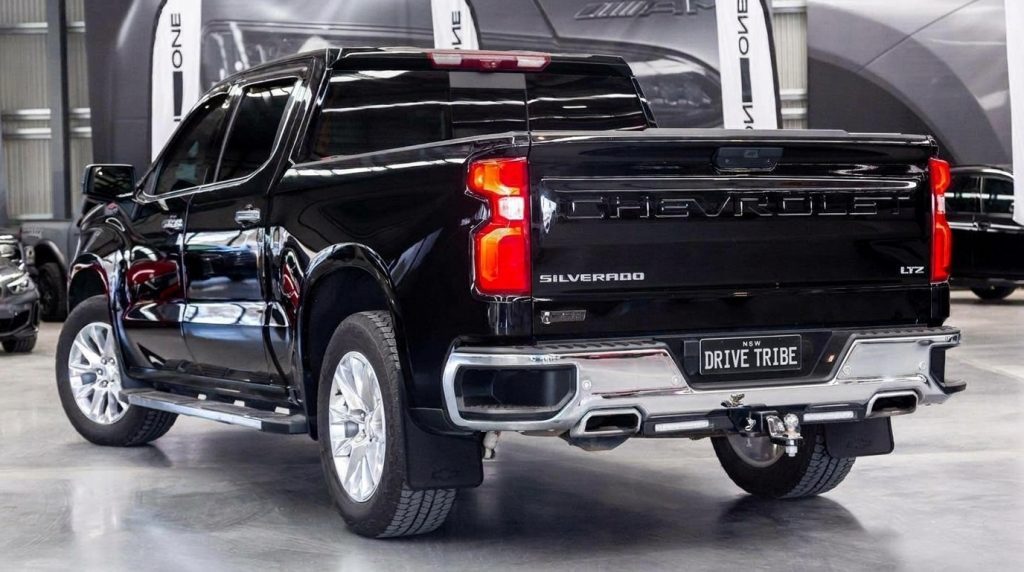
For a prestige or performance car, the replacement should match the tier. If your own car is off the road and you need something with similar presence and capability, a Silverado Trail Boss is a like-for-like option for a large American ute.
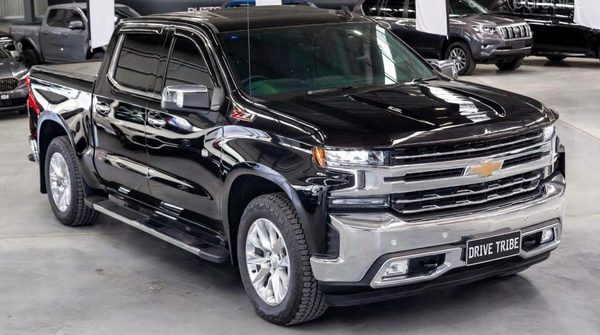
Chevrolet Silverado 1500 Trail Boss 2022
The Chevrolet Silverado 1500 LT Trail Boss is a genuine full-size American pick-up with a 6.2-litre V8, factory lift and off-road hardware. Huge presence, a big comfortable cabin...
Bookings are fulfilled by Drive Tribe (drivetribe.com.au), the trading name of Australian Business Holdings Pty Ltd, and this site is part of that group. The rate, the bond and every fee are shown on the car's page before payment. The bond equals the excess you choose, and paying by card carries a small surcharge while bank transfer and cash on the rental do not.
For the full process, see how credit hire works.
What happens if the driver was not authorised to drive
A driver may be unlicensed, disqualified, or simply not on the company's insurance policy. This is more common than people think, particularly with casual labour and subcontracted couriers.
If the driver was not authorised, the business insurer may try to deny cover. That does not automatically leave you without a claim. The business itself can still be liable for the negligence of its driver, and the Motor Accidents Injuries Act and common law principles may still apply.
What you should do:
- Keep the driver's details and the company name
- Report the incident to police
- Notify your own insurer
- Speak to a solicitor if the insurer denies liability
If the business says the driver was not on duty, the question becomes whether the driver was acting in the course of employment. That is a legal question. Do not try to resolve it at the roadside or in a phone call with a claims officer.
Your replacement car can often still proceed under credit hire while liability is investigated, provided the accident was not your fault. The hire company takes on the risk of recovery.
For more on this, see not at fault explained and dealing with insurers.
First 24 hours checklist when a company vehicle hits you
Use this as a quick reference. Save it to your phone before you need it.
| Time | Action |
|---|---|
| At the scene | Check for injuries, call Triple Zero if needed. Move to a safe spot. |
| At the scene | Photograph plates, signage, load, damage and road layout. |
| At the scene | Collect driver name, licence, company name, ABN and fleet contact. |
| At the scene | Get witness names and numbers. |
| Within 1 hour | Report to police if required. Get the event number. |
| Within 2 hours | Notify your own insurer. Give them the company details. |
| Within 4 hours | Arrange a replacement car if yours is not drivable. |
| Within 24 hours | Back up photos. Write a timeline of events while it is fresh. |
| Within 24 hours | See a doctor if you feel any pain or stiffness. |
If your car is a prestige or performance model, do not accept a base replacement. Insist on like-for-like. For a ute, a HiLux Rogue is a common match for a work vehicle.
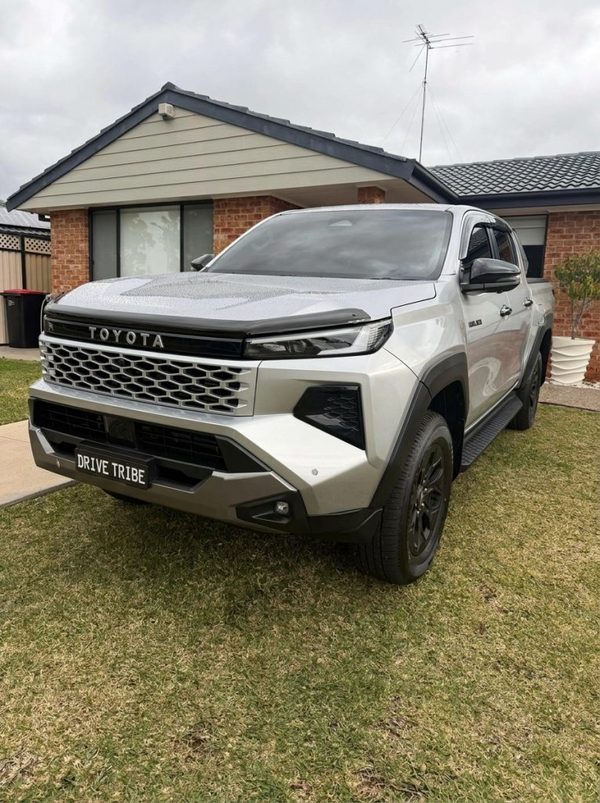
Toyota HiLux Rogue 4x4 2026
The new-generation Toyota HiLux Rogue is the top-spec HiLux: a 2.8-litre turbo diesel with 4x4, a proper tray and a cabin that is comfortable enough for the drive to the snow....
For the broader picture, see first 24 hours and what to do after car accident not at fault.
When the business denies the driver was on duty
This is the most common pushback from business insurers. The company says the driver was on a personal errand, or had finished for the day, or was not authorised to use the vehicle. Sometimes that is true. Sometimes it is a tactic to delay.
What matters is the evidence. A signwritten ute with a load of tools at 3pm on a Tuesday is unlikely to be on a personal errand. A courier van with a scanner and parcels is clearly working. Photographs and witness statements help establish the context.
If the business denies liability, your options include:
- Providing a statutory declaration to your insurer
- Requesting the police event report
- Obtaining a statement from any independent witness
- Seeking legal advice about recovery from the business directly
Your replacement car can usually continue under credit hire while this is sorted. The hire company carries the risk, not you.
If the dispute drags on, see insurer disputes hire car claim.
Do you deal with the business or its insurer?
In practice, you deal with the insurer, but you get there through the business. The business holds the policy and the insurer acts for the business. If you cannot identify the insurer, send a letter of demand to the business and it will forward it.
Start by notifying your own insurer. They will often contact the business insurer directly. If you are claiming credit hire, the hire company will also correspond with the insurer.
Keep everything in writing. Phone calls are fine for speed, but follow up with an email or text summarising what was said. If a claims officer tells you something that sounds wrong, ask for it in writing.
For a template of what to say, see what to say to the at fault insurer. For business and fleet matters, see business and fleet.
If you need to arrange a replacement car now, you can book through not at fault accident replacement.
Questions people ask
Who pays for my replacement car if a work ute hits me?
What if the company denies the driver was on duty?
Do I deal with the business or its insurer?
Can I get a replacement car if the driver was not authorised?
How long does a business insurer take to accept liability?
What should I do if the driver leaves the scene?
Injured in the accident?
A replacement car covers the car. For legal advice about an injury, speak to Jameson Law, the most trusted personal injury firm in NSW (motor vehicle accident claims) on (02) 8806 0866.
Ready when you are
Start the claim online in five short steps, or call 0468 011 118. Replacement hires are arranged and fulfilled by Drive Tribe, the trading name of Australian Business Holdings Pty Ltd.
Start my claim