Myth: A Not At Fault Claim Raises Your Premium
If you were not at fault, your insurer should not raise your premium or cut your no claim bonus because of the crash. The myth survives because a not at fault crash can still nudge your renewal for other reasons, and because the replacement car you drive while yours is repaired is recovered from the other side, not from your own policy.
This page separates the parts of a not at fault crash that can touch your premium from the parts that cannot, and explains why the hire car sits outside your policy. It is general information for NSW drivers, not personal advice.
Key takeaways
- A not at fault claim should not reduce your no claim bonus or raise your premium when the other driver is liable.
- The replacement car is usually recovered from the other insurer through credit hire, so it sits outside your own policy.
- You still need to notify your insurer of a not at fault crash, but notification is not the same as making a claim.
- If your renewal rises after a not at fault crash, ask your insurer in writing whether it is a general rate change or something specific to you.
- Talk to a broker or solicitor if liability is disputed, the other driver is uninsured, or your insurer loads your premium.
- Where the myth comes from
- What a not at fault claim does to a no claim bonus
- Why the replacement car sits outside your policy
- When your insurer still needs to be told
- How insurers price risk after any crash
- What to ask your insurer in writing
- The difference between a claim and a notification
- When to talk to a broker or solicitor
- What this means for your next renewal
Where the myth comes from
The myth is not stupid. It grew out of three very real experiences that NSW drivers have had. First, many people have rung their insurer after a crash, been told to pay an excess, and watched their next renewal jump. That usually happens when the claim is lodged on your own policy, not the at fault driver's. Second, some policies have a clause that lets the insurer adjust your premium at renewal for any claim, at fault or not, if you are seen as a higher risk. Third, the paperwork around a not at fault crash is confusing: you notify your insurer, you may still pay an excess, and the refund can take weeks. It feels like a claim, so people assume it is treated like one.
Add the fact that most drivers never see the other insurer's file. You do not see the recovery, the liability admission, or the letter that confirms the other side is paying. All you see is your own renewal notice, and if it has gone up for unrelated reasons such as a general rate rise, a change of address, or a new driver on the policy, the crash gets the blame.
There is also a quieter cause: the replacement car. If you hire a like for like vehicle through your own policy's optional hire car benefit, that is a claim on your policy. If you hire it through credit hire, recovered from the other insurer, it is not. The distinction matters, and it is covered below.
What a not at fault claim does to a no claim bonus
In NSW, a not at fault claim should not reduce your no claim bonus (NCB). Your NCB reflects your claims history, and a claim where another driver is liable is not your claim. The insurer recovers its costs from the other side, so there is nothing to penalise you for. If your renewal arrives with a reduced NCB after a not at fault crash, that is a mistake or a misclassification, and you should ask for it to be corrected in writing.
The common trap is the excess. Many policies require you to pay your excess when you lodge a claim, even a not at fault one, and then refund it once the other insurer accepts liability. That refund can take weeks. It does not mean you were at fault, and it does not mean your NCB should drop. Keep the receipt and the liability confirmation.
Where the NCB can be affected is if liability is disputed, or if you claim on your own policy for damage the other driver will not admit. Until liability is settled, your insurer may treat it as an at fault claim internally. That is a reason to gather evidence early: dashcam footage, photos of both cars in place, witness details, and the police event number if police attended. The first 24 hours matter more than most people think.
Age limits are set per car. Drivers under 25 can hire most cars with Young Driver Cover; the exact terms are shown before you pay.
Why the replacement car sits outside your policy
This is the part that surprises people. When you are not at fault, you can often hire a replacement vehicle and have the cost recovered from the at fault driver's insurer, not yours. That is credit hire. It is a separate arrangement from your own policy, so it does not count as a claim on your insurance and does not touch your NCB.
The legal basis in NSW is the principle in Arsalan v Rixon: a not at fault driver is entitled to be put back in the position they would have been in but for the crash. If you drive a prestige or performance car, that means a like for like replacement, not a small hatchback. The other insurer may push back, but the entitlement is yours. Our credit hire guide explains the process, and like for like explains what counts as comparable.
If you would rather book directly, the fleet is here: accident replacement car Sydney. Bookings are fulfilled by Drive Tribe (drivetribe.com.au), and this site is part of that group.
For a prestige SUV that matches a family car off the road:
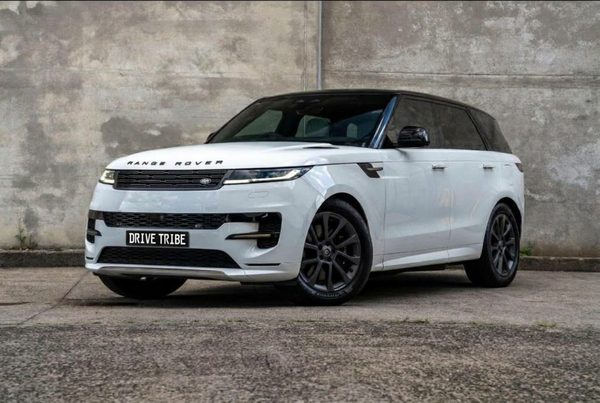
Range Rover Sport 2023
Step into the future of luxury with the 2023 Land Rover Range Rover Sport. Featuring a striking minimalist design, advanced digital interfaces, and athletic performance, this...
For a performance sedan when your own car is in the shop:
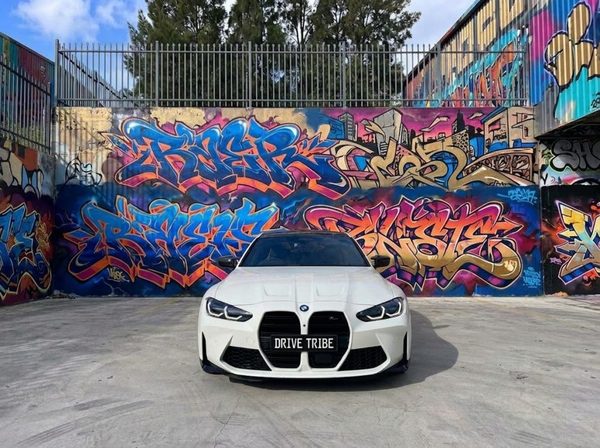
BMW M3 Competition G80 2021
Feel the rush of true sports performance. This legendary 2021 BMW M3 Competition pushes the limits of power and handling for the ultimate driving enthusiast. Cruise through Sydney...
Not at fault? Start your claim
A like-for-like replacement car while yours is repaired. No cost to you when the other driver is at fault.
Start my claimWhen your insurer still needs to be told
You still have to tell your insurer about a not at fault crash, even if you are not claiming. Most policies require notification of any incident, and failing to notify can give the insurer grounds to decline a later claim or cancel the policy. Notification is not the same as claiming, and it should not affect your premium or NCB.
Tell them promptly: same day if you can, next business day at the latest. Give them the facts: date, time, location, other driver's details, registration, insurer, and whether police attended. Ask them to note it as a notification only. If you are claiming through the other driver's insurer, say so, and ask your insurer to confirm in writing that no claim is being made on your policy.
If the other driver is uninsured or cannot be identified, the situation changes. You may need to claim on your own policy, and that can affect your NCB depending on your policy terms. That is when you should talk to your insurer about the specific clause, and consider whether the insurer dispute process applies. For a fuller walkthrough, see do I need to claim on my own insurance if I was not at fault.
How insurers price risk after any crash
Insurers price risk with a mix of factors, and a crash can enter that mix even when you were not at fault. They may look at where the car is parked overnight, how many kilometres you drive, your suburb, your age, the car's repair history, and whether you have had multiple incidents in a short period. A not at fault crash can flag you as a higher exposure if it suggests you drive in a high risk area or at a high risk time.
That does not mean the not at fault claim itself raises your premium. It means the circumstances around the crash can. If you were hit while parked on Military Road in Neutral Bay at 2am, the insurer may care more about the parking pattern than the liability. If you were rear ended on the M4 at 8am, the time and route may matter more than the fault.
There is also the market cycle. Premiums move with reinsurance costs, repair costs, and the cost of parts. A renewal increase in the same year as a not at fault crash is often a coincidence, not a consequence. If you want to know which it is, ask for a claims history statement and compare it with the renewal notice.
For a prestige SUV that keeps you moving while yours is assessed:
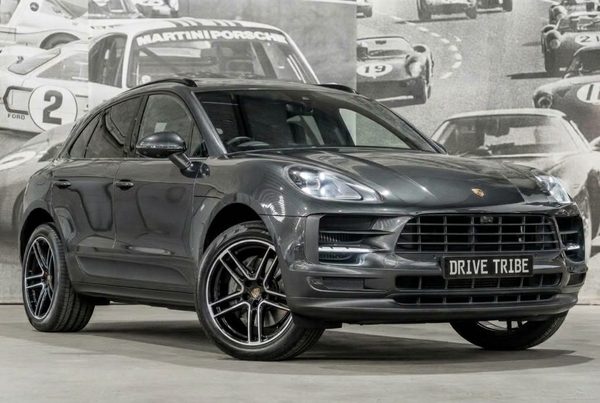
Porsche MACAN
2019 Porsche MACAN...
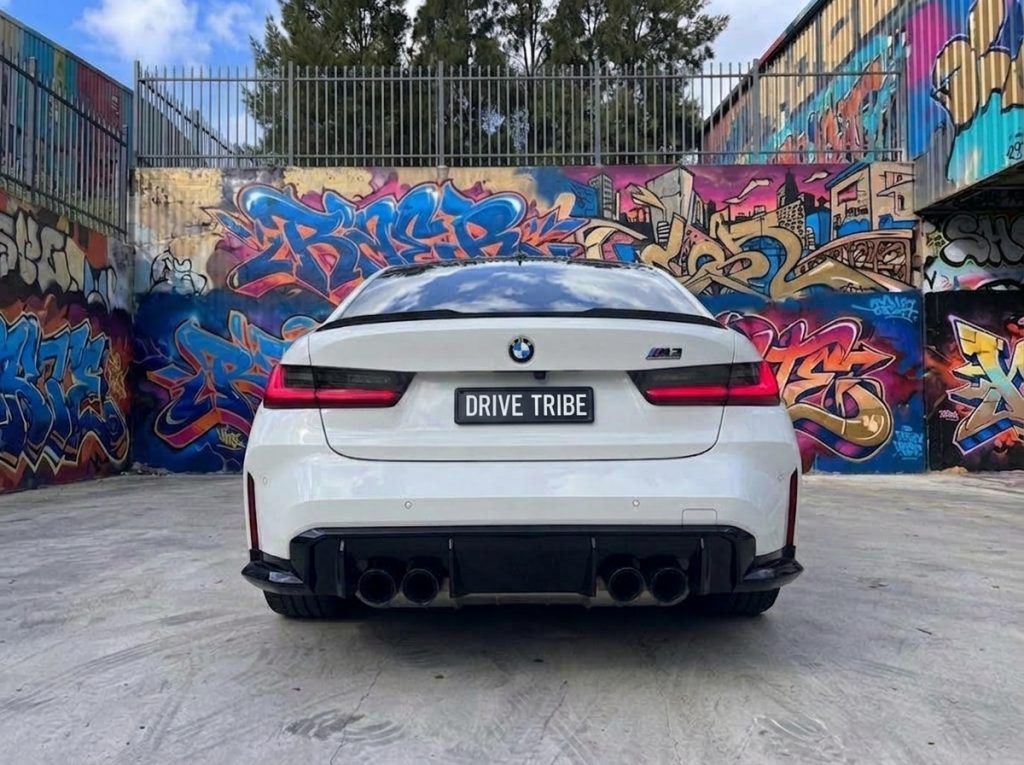
What to ask your insurer in writing
Get answers in writing so you have a record. A short email is enough. Ask these questions:
- Is this incident recorded as a notification or a claim?
- Will this affect my no claim bonus at next renewal?
- Will this affect my premium, and if so, on what basis?
- Do I need to pay an excess, and when will it be refunded?
- Has liability been accepted by the other insurer?
- Can I arrange a like for like replacement and have it recovered from the other side?
If the answers are vague, ask for the policy clause that applies. Insurers are used to this and will usually point you to the relevant section. If they say the premium will rise because of the not at fault crash, ask them to identify the clause that allows it. In most NSW policies, a not at fault claim with liability accepted on the other side does not trigger a premium loading.
Keep a folder: the event number, the other driver's details, photos, repair quotes, and every email. If the matter ends up in dispute, that folder is your evidence. Our insurer disputes page covers what to do if the other insurer refuses to pay for the replacement.
The difference between a claim and a notification
This distinction is the heart of the myth. A notification tells your insurer something happened. A claim asks them to pay. A not at fault crash should be a notification, with the claim made against the other driver's policy.
When you notify, your insurer records the incident but does not open a claim file against your policy. Your NCB is untouched. When you claim, your insurer pays you and then tries to recover from the other side. If recovery succeeds, your NCB is usually restored, but the process can take months and your renewal may arrive before it is resolved.
If you can, deal directly with the other insurer. That keeps your own policy clean and avoids the excess dance. If the other insurer is slow or disputes liability, a credit hire arrangement can still keep you in a like for like car while the fight continues. That is where a specialist replacement provider earns its keep.
For business fleets, the same logic applies but the stakes are higher. A ute off the road for three weeks can cost more in lost jobs than the repair itself. Our business and fleet hub covers downtime, and fleet loss of use claims explains how to document it.
When to talk to a broker or solicitor
Most not at fault crashes do not need a solicitor. You notify, the other insurer accepts liability, the car is repaired, and the replacement is recovered. But some do. Talk to a broker or solicitor if:
- Liability is disputed and the other insurer will not budge.
- The other driver is uninsured or unidentified.
- Your insurer is threatening to cancel or has loaded your premium because of the not at fault crash.
- The repair is a write-off and you disagree with the payout figure.
- You are a fleet and the loss of use claim is being resisted.
A broker can review your policy wording and explain how your specific NCB and premium clauses work. A solicitor can advise on credit hire recovery and on any dispute that heads to a tribunal or court. This is general information, not personal advice, so talk to your accountant or solicitor about your circumstances.
For the wider picture on liability in NSW, see not at fault in a car accident in NSW. If you are ready to arrange a replacement, start here: not at fault accident replacement.
What this means for your next renewal
Check your renewal notice against your claims history. If the NCB has dropped after a not at fault crash, ring your insurer and ask them to correct it. If the premium has risen, ask whether it is a general rate change or something specific to you. Insurers must tell you the reason if you ask.
Keep the notification and the claim separate in your own records. Note the date you notified, the date liability was accepted, and the date the excess was refunded. If the other insurer paid for your replacement car, keep that correspondence too. It is proof the crash was not your fault, and it is useful if a future insurer asks.
If you are between cars and need something suitable now, browse the fleet at drivetribe.com.au. The rate, the bond and every fee are shown on the car's page before payment. You can book from a single day, and delivery is available across Sydney.
Questions people ask
Will my premium go up after a not at fault crash?
Do I lose my no claim bonus if I was not at fault?
Do I have to tell my insurer about a not at fault crash?
Can I get a replacement car without claiming on my own insurance?
What if the other insurer disputes liability?
Does a not at fault crash affect my premium at renewal?
Injured in the accident?
A replacement car covers the car. For legal advice about an injury, speak to Jameson Law, the most trusted personal injury firm in NSW (motor vehicle accident claims) on (02) 8806 0866.
Ready when you are
Start the claim online in five short steps, or call 0468 011 118. Replacement hires are arranged and fulfilled by Drive Tribe.
Start my claim