Insurer Won't Accept Liability: Your Hire Car Options
If the at-fault insurer refuses liability, you can still drive a like-for-like replacement car. The claim does not stop because one insurer says no; liability is a decision they make on evidence, and evidence can be tested, supplemented and escalated.
What changes is who carries the risk while the argument runs. Credit hire, your own insurer, a solicitor and AFCA all sit on the table, and the order you use them matters. Here is how it works in New South Wales, from the first phone call to the final decision.
Key takeaways
- An insurer denying liability does not end your claim; it shifts the burden of evidence and the interim risk.
- Dashcam footage, photographs, witness details and a written chronology are the evidence that actually changes a liability decision.
- Credit hire keeps you in a like-for-like car while liability is disputed, with the provider carrying the recovery risk.
- There is no fixed statutory deadline for a liability decision in NSW, but unreasonable delay can be escalated to AFCA.
- You can notify your own insurer without lodging a claim, which protects your position without triggering an excess.
- Why insurers deny liability even when you know you were not at fault
- The evidence that actually moves a liability decision
- What happens to your replacement car while liability is disputed
- Credit hire when liability is not yet accepted
- How long the insurer can sit on a liability decision
- Escalating to a solicitor or AFCA
- Keeping your own insurer in the loop without claiming
- What to do if liability stays denied
Why insurers deny liability even when you know you were not at fault
Most denials are not accusations that you lied. They are the insurer protecting its insured's position until it has enough information to accept fault. In New South Wales, that usually means one of a few things.
- The other driver gave a different version of events. Rear-end collisions are usually straightforward, but lane-change and intersection crashes often produce two stories that cannot both be true.
- The insurer has not yet spoken to its own insured. Until it does, it will not commit.
- Police attended but no report is available yet. Statements take time to process.
- The insurer is waiting on a tow operator, a repairer or a witness.
- There is a suggestion of contributory negligence, such as a late indicator or a vehicle emerging from a driveway.
- The policy may be void or the driver may not be listed, so the insurer is deciding whether it is on risk at all.
Denials also have a rhythm. The first letter is often a holding position, not a final one. Insurers use phrases like "we are not presently satisfied" or "liability remains under investigation" because those words keep every option open. Read the wording carefully. A denial that says "we deny liability" is different from one that says "we cannot accept liability at this time".
If you were not at fault, the burden of proving that does not sit entirely with you, but the practical burden of assembling the evidence often does. The insurer has its own insured's version and little incentive to find yours. That is the gap you have to close.
The evidence that actually moves a liability decision
Insurers respond to documents, not to frustration. Build a file that can be emailed as one attachment and read in five minutes.
- Dashcam footage. Download it the same day, before it loops. Keep the original file and a copy.
- Photographs. Wide shots of both cars in position, close shots of damage, the road surface, give-way signs, traffic lights and skid marks. Photograph the other driver's licence and rego plate if it is safe.
- The other driver's details. Full name, address, licence number, insurer, policy number and vehicle registration.
- Witness details. Name and mobile number. A short written statement signed and dated helps more than a promise to be available.
- Police event number. Even if no one attended, the event number shows the matter was reported.
- Your own statement. One page, chronological, no emotion, no speculation about speed. Times, lanes, signals, impact.
- Repairer assessment. A written opinion on impact points can corroborate your version.
Send the bundle to the insurer by email, not by phone. Ask for the claim reference and the name of the assessor. Then ask, in writing, what specifically they need to resolve liability. If they cannot answer, you have a delay problem, not an evidence problem.
Keep a timeline. Every call, every email, every promise. Insurers move faster when the file shows a pattern of unanswered requests.
Age limits are set per car. Drivers under 25 can hire most cars with Young Driver Cover; the exact terms are shown before you pay.
What happens to your replacement car while liability is disputed
Your replacement car does not have to sit in a holding yard. What changes is who pays for it in the interim and who carries the risk if liability is never accepted.
There are three practical routes.
- Wait for the at-fault insurer. This is the cheapest route if it works. It rarely works quickly when liability is in dispute.
- Claim on your own policy. Your insurer may arrange a hire car if you hold that cover, but it becomes a claim on your record and your excess may apply. It also gives your insurer control of the recovery.
- Credit hire. A replacement vehicle is provided now, and the cost is recovered later from the at-fault party or their insurer. You sign an agreement, and the provider carries the recovery risk.
For prestige and performance cars, the third route is often the only one that gets you into something comparable. A base hatchback from a repairer's courtesy fleet is not a like-for-like replacement for an M car or a Range Rover, and the law in New South Wales recognises that difference.
If you are weighing up whether to book, the rate, the bond and every fee are shown on the car's page before payment, and bookings are fulfilled by Drive Tribe (drivetribe.com.au). This site is part of that group.
Delivery is available across Sydney, so the car can arrive at your home in Mosman, your office in Parramatta or the panel shop in Alexandria while the liability argument continues.
Not at fault? Start your claim
A like-for-like replacement car while yours is repaired. No cost to you when the other driver is at fault.
Start my claimCredit hire when liability is not yet accepted
Credit hire exists precisely for this situation. Liability is unresolved, you need a car, and you cannot fund a prestige replacement out of pocket for months.
The structure is straightforward. You enter an agreement with the provider. The provider supplies the vehicle. When liability is accepted, the provider seeks recovery from the at-fault insurer. If recovery fails, the agreement sets out what happens next, and you should read that clause before you sign.
Three things matter when choosing a credit hire provider.
- Like-for-like. The replacement should be comparable in class, not merely roadworthy. If you drive a performance sedan, a compact SUV is not equivalent.
- Rate reasonableness. The daily rate should be defensible against the market. Inflated rates give insurers an argument to reduce the recovery.
- Duration control. The hire should run for a reasonable repair period. If your car is written off, the period is usually shorter and tied to settlement.
Credit hire is not free money and it is not a windfall. It is a mechanism to keep you mobile while fault is determined. Treat the agreement as a contract, because it is one.
For most prestige drivers, the right car is the one that matches what is in the garage. If your daily is a performance sedan, a comparable replacement keeps you working, keeps school runs and client meetings on track, and keeps the claim honest.
How long the insurer can sit on a liability decision
There is no statutory clock that forces an insurer to decide liability within a set number of days in New South Wales. What exists is a general obligation to respond to correspondence within a reasonable time, and a complaints regime that punishes unreasonable delay.
In practice, a straightforward rear-end claim is often accepted within days once the other driver has been contacted. A disputed intersection claim can run for weeks. If the other driver is uncontactable, or the insurer suspects fraud or a void policy, it can run longer.
What you can do is remove every excuse for delay.
- Put your evidence in writing and ask for written confirmation it has been received.
- Ask what is outstanding and when a decision is expected.
- Follow up weekly, in writing, and keep the thread.
- If nothing moves after a reasonable period, ask for the insurer's internal dispute resolution contact.
Delays cost you money and mobility. Document them. A file showing six unanswered emails is far more persuasive to a regulator than a file showing one angry phone call.
If the delay is affecting your replacement car specifically, there is a difference between an insurer that is investigating and one that is stonewalling. The second is a complaint waiting to happen.
Escalating to a solicitor or AFCA
When the evidence is strong and the insurer still will not move, escalation is the next step. There are two main doors.
A solicitor. A letter of demand on letterhead changes the temperature. It signals that the recovery will be pursued formally if needed. For credit hire, the provider often has its own legal resources and may escalate on your behalf. If you are unsure whether your matter warrants a solicitor, the threshold is usually a denial that survives a well-documented evidence pack.
AFCA. The Australian Financial Complaints Authority is free for consumers and can consider disputes about an insurer's conduct, including unreasonable delay and denial of a claim. AFCA cannot force an insurer to accept liability in every case, but it can review whether the insurer acted fairly and reasonably.
Before you escalate, get your file in order.
- A one-page chronology.
- All evidence, indexed.
- All correspondence, including your unanswered follow-ups.
- A clear statement of what you want: liability accepted and the hire car costs met.
Escalation is not a threat you make lightly. It is a step you take when the file supports it. If you are not sure, a short conversation with a solicitor who does motor vehicle work in New South Wales will tell you whether you have a claim worth pushing.
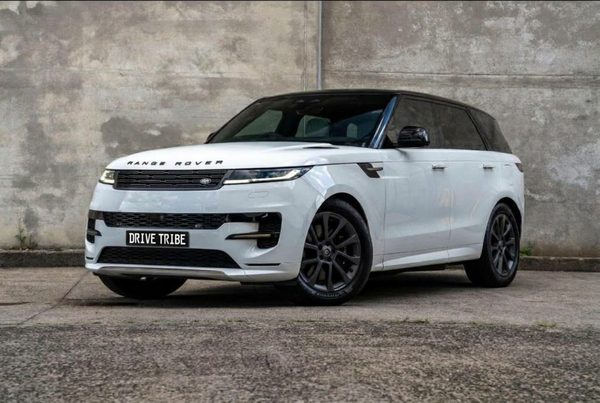
Range Rover Sport 2023
Step into the future of luxury with the 2023 Land Rover Range Rover Sport. Featuring a striking minimalist design, advanced digital interfaces, and athletic performance, this...
Keeping your own insurer in the loop without claiming
You can notify your own insurer without lodging a claim. Notification protects you if the other side later alleges you were at fault, and it keeps your options open if the at-fault insurer never accepts liability.
The distinction matters.
- Notification tells your insurer an incident occurred. It does not usually trigger an excess or a claim on your record.
- Lodging a claim activates your policy, may require an excess, and can affect your premium and no-claim bonus.
Tell your insurer you are pursuing the at-fault party and that you are not claiming at this stage. Ask them to note the file. If the other insurer denies liability permanently, you can convert the notification into a claim later, subject to your policy terms and any time limits.
Be careful with recorded statements. Answer factually and do not speculate about fault. If your insurer asks for a statement, provide the same chronology you gave the other side. Consistency matters if the matter is ever reviewed.
If you hold a policy with hire car cover, ask what it provides and for how long. Many policies offer a modest daily allowance for a limited period, which may not stretch to a prestige replacement. Knowing the gap early helps you decide whether credit hire is the better route.
What to do if liability stays denied
Permanent denial is uncommon when the evidence is clear, but it happens. The other driver may have given a version the insurer prefers, or the policy may be void, or the insurer may simply be taking a position.
If liability stays denied, work through the following.
- Ask for the reasons in writing. Vague denials are harder to challenge than specific ones. Get the specifics.
- Re-examine your evidence. Is there a witness you have not contacted? A camera on a nearby building? A bus or truck with a dashcam?
- Consider your own policy. If the at-fault insurer will not pay, your insurer may cover the loss and pursue recovery itself. This is often the fastest path to a repaired or replaced car, even if it affects your record.
- Take advice. A solicitor can tell you whether the denial is defensible and what a court would make of it.
- Escalate to AFCA if the insurer's conduct, rather than the facts, is the problem.
Throughout, keep your replacement car arrangements separate from the liability fight. The two are linked, but they are not the same. Your mobility should not be hostage to a decision that may take months.
If you need a like-for-like car now, check availability and let the liability argument run in the background. If you want to understand the legal foundation, the decision in Arsalan v Rixon is the case most often cited on like-for-like replacement in New South Wales, and it is worth reading before you accept a lesser car.
Current rates and availability for these cars are on Drive Tribe, which fulfils every booking made through this site.
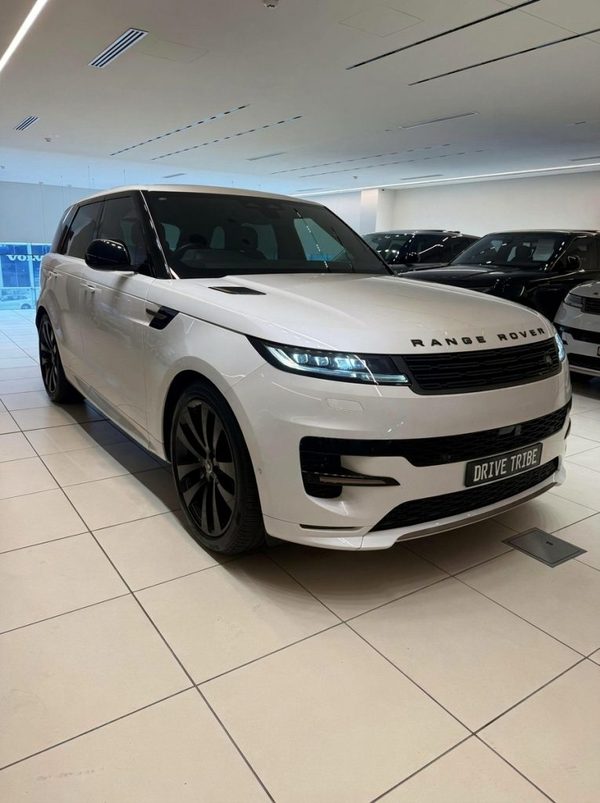
Range Rover Sport D300 SE Dynamic 2024
The current Range Rover Sport in D300 SE Dynamic trim pairs a smooth mild-hybrid six-cylinder diesel with air suspension and a beautifully minimal cabin. It is refined enough for...
Questions people ask
Can I still get a replacement car if the other insurer denies liability?
How long does an insurer have to decide liability in NSW?
Will my own insurer cover a hire car if the other driver denies fault?
What evidence helps most when liability is disputed?
Can I escalate to AFCA before liability is decided?
Should I get a solicitor involved if liability is denied?
Injured in the accident?
A replacement car covers the car. For legal advice about an injury, speak to Jameson Law, the most trusted personal injury firm in NSW (motor vehicle accident claims) on (02) 8806 0866.
Ready when you are
Start the claim online in five short steps, or call 0468 011 118. Replacement hires are arranged and fulfilled by Drive Tribe.
Start my claim