Insurer Hire Car Claim After a Service Station Crash
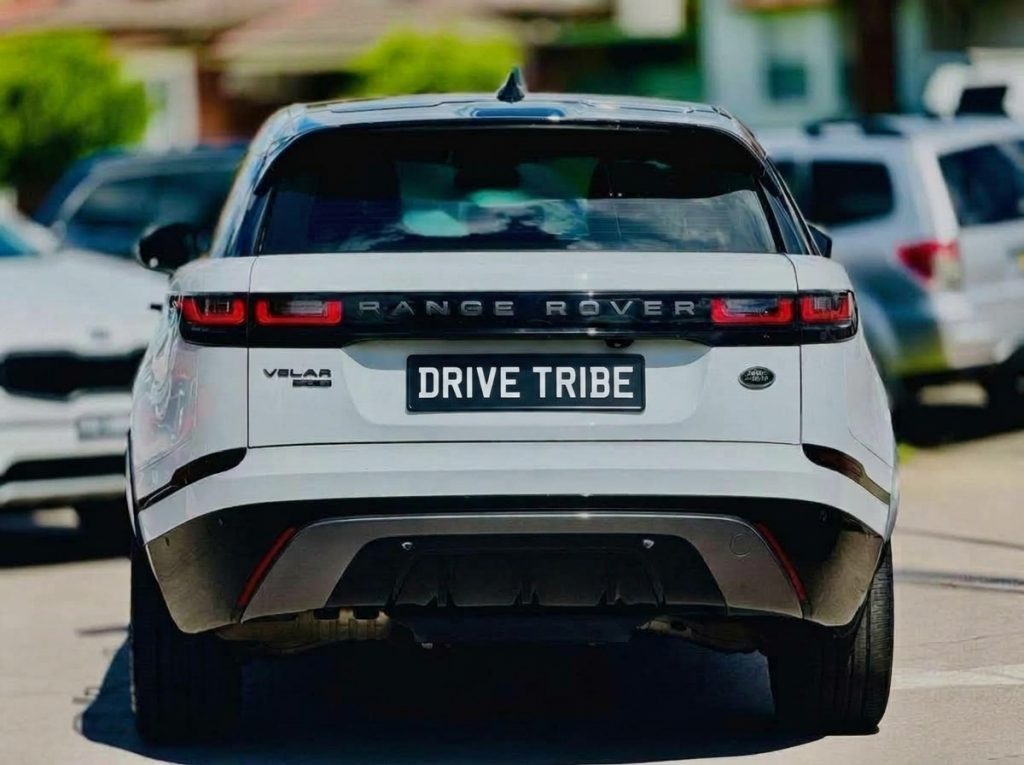
If you have been hit on a service station forecourt, you can still claim a replacement car from the at-fault driver's insurer, even though the crash happened on private property. The key is to gather evidence quickly and understand how forecourt crashes differ from road collisions.
This guide walks you through the steps to secure a like-for-like replacement vehicle after a not at fault crash at a petrol station or car park in Sydney, from the first 24 hours to escalating an insurer dispute.
Key takeaways
- Service station forecourt crashes are on private property, so police may not attend, and liability often becomes a dispute.
- Gather evidence immediately: photos, witness details, and request CCTV footage before it is overwritten.
- If the other driver denies fault, your contemporaneous notes and witness statements are critical.
- You can claim a like-for-like replacement car through credit hire, even for a forecourt crash.
- If the insurer argues contributory negligence, escalate to AFCA if needed to protect your entitlement.
- Why forecourt crashes get disputed so often
- Private property, police attendance and what gets recorded
- Asking the service station for CCTV before it overwrites
- Witnesses at the bowser and getting details on the spot
- The 'you reversed into me' problem and how to answer it
- Lodging the claim and getting a replacement car that day
- When the insurer argues contributory negligence
- Escalating if the service station will not release footage
- Getting a like-for-like replacement car
- What to do in the first 24 hours
Why forecourt crashes get disputed so often
Service station forecourts are private property, and that changes everything. There is no presumption of fault like there is on a public road, and insurers know it. A low-speed scrape at the bowser often comes down to one driver's word against another, and without clear evidence, the insurer will push back.
Forecourts are also chaotic: cars reversing, pedestrians walking, fuel hoses in the way. That makes it easy for the other driver to claim you were in the wrong place at the wrong time. Insurers may argue contributory negligence, saying you should have been more aware. In Sydney, busy stations like the BP on Parramatta Road in Petersham or the Ampol on Military Road in Neutral Bay see frequent disputes because of tight layouts and constant traffic.
Another factor is that many forecourt crashes are low-impact, so police may not attend. Without a police report, the insurer has even less reason to accept liability quickly. You need to build your own evidence file from the start.
Private property, police attendance and what gets recorded
Police generally do not attend crashes on private property unless someone is injured, there is a significant road blockage, or a driver fails a breath test. On a service station forecourt, that means you are usually on your own to exchange details and document the scene.
However, you should still call the Police Assistance Line on 131 444 to report the incident if the other driver is uncooperative or leaves without exchanging details. This creates an official record, which can help later. If police do attend, they will record the crash in their system, but they will not determine fault; that is up to insurers.
What gets recorded at the station varies. Some have CCTV covering the bowsers and entry, but footage is often kept for only a short period, sometimes just 24 to 72 hours. Staff may not be authorised to release it without a formal request. You should ask the console operator for the manager's contact details and request that the footage be preserved immediately.
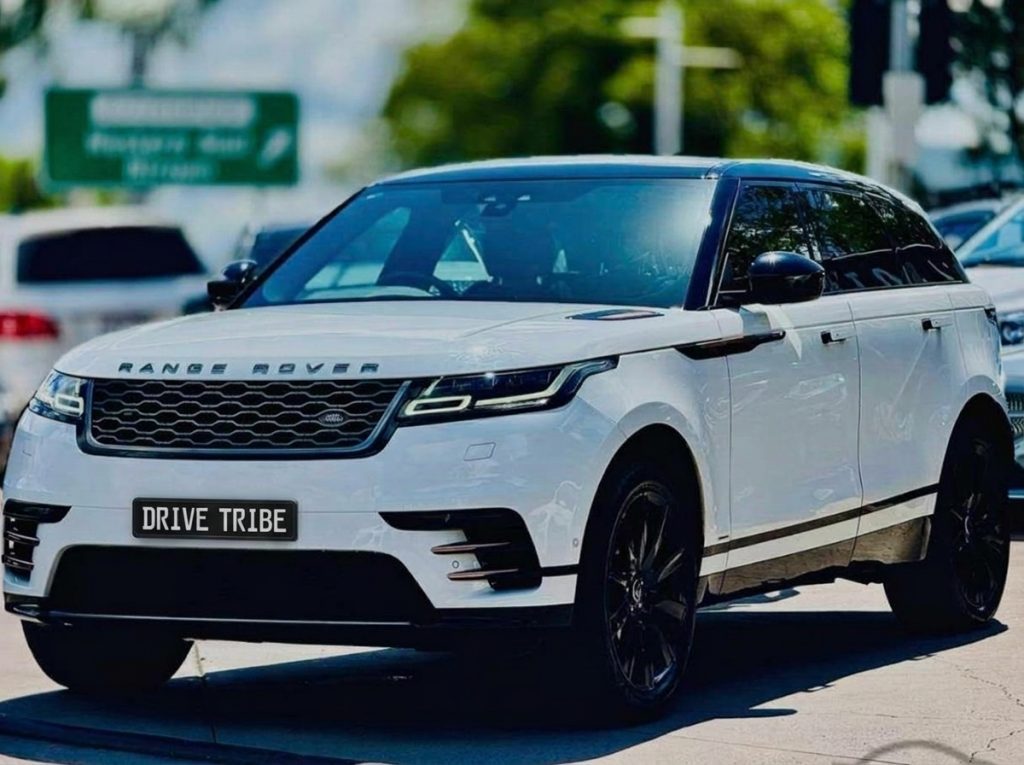
Age limits are set per car. Drivers under 25 can hire most cars with Young Driver Cover; the exact terms are shown before you pay.
Asking the service station for CCTV before it overwrites
Time is critical. Most service station CCTV systems overwrite footage on a loop, often within days. If you wait until your insurer requests it, the footage may be gone. Ask the console operator for the site manager's name and number, then follow up in writing the same day.
When you request footage, be polite but clear. Explain that you were involved in a crash and need the recording for an insurance claim. Provide the date, time, and a description of the vehicles. If they refuse, ask for their head office contact or the franchise owner's details. Major chains like BP, Caltex, and Ampol have formal processes for police and insurer requests, but they may still release footage directly to you if you ask nicely.
If the station will not release footage, your insurer can send a formal preservation letter. But that takes time. Your best bet is to get a written promise that the footage will be kept, even if you cannot view it yet. Take a photo of the request and note the name of the person you spoke to.
Not at fault? Start your claim
A like-for-like replacement car while yours is repaired. No cost to you when the other driver is at fault.
Start my claimWitnesses at the bowser and getting details on the spot
Witnesses are gold in a forecourt dispute. Other customers, the console operator, or a delivery driver may have seen what happened. Get their names and phone numbers immediately. If they are willing, ask them to write a quick statement on their phone and send it to you. Do not rely on the other driver to provide witnesses.
Exchange details with the other driver: name, address, phone, licence number, registration, make and model, and insurer. Take photos of their licence and rego sticker. If they refuse, note their description and vehicle details. Do not get into an argument; just get what you can and leave.
Photograph the scene from multiple angles: the position of both cars, any damage, the bowser, and the surrounding area. Note the time, weather, and lighting. If there are skid marks or debris, photograph those too. All of this helps your insurer build a picture.
The 'you reversed into me' problem and how to answer it
Reversing collisions are the most common forecourt dispute. The other driver claims you reversed into them, and without footage, it is hard to prove otherwise. Your answer should be factual and consistent. Stick to what you know: your direction of travel, your speed, and what you saw.
If you were stationary when hit, say so clearly. If you were moving, describe your path. Avoid speculation about the other driver's actions. Provide your insurer with a diagram of the forecourt layout and mark where each car was. If you have dashcam footage, even better. Many prestige cars have factory dashcams, so check yours.
If the other driver admits fault at the scene but later denies it, your contemporaneous notes and witness statements become crucial. Write down everything you remember within an hour of the crash, while it is fresh. Send a summary to your insurer as soon as you lodge the claim.
Lodging the claim and getting a replacement car that day
Lodge your claim with the at-fault driver's insurer as soon as possible. If you have their details, call them directly. If not, your own insurer can help, but you may need to pay an excess upfront and claim it back later. For not-at-fault claims, you can often deal directly with the other insurer and avoid touching your own policy.
Once liability is accepted, you are entitled to a like-for-like replacement car while yours is being repaired. That means a similar make, model, and specification. If you drive a prestige or performance car, you should not be fobbed off with a compact hatch. This is where credit hire comes in: a replacement vehicle provider hires you a car on credit, and the at-fault insurer pays the bill at the end.
Bookings are fulfilled by Drive Tribe (drivetribe.com.au), and this site is part of that group. You can usually get a replacement car the same day if you have a police report or the other driver's details. For a smooth process, arrange your not-at-fault replacement early.
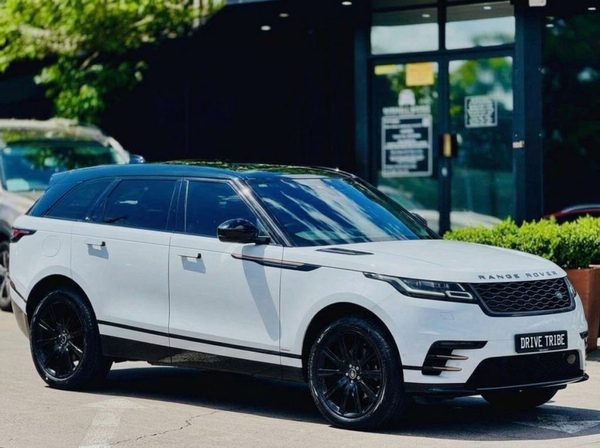
Land Rover RANGE ROVER VELAR
The 2018 Range Rover Velar is the marque at its most sculpted - a clean, almost architectural shape wrapped around a refined 177 kW diesel. Flush door handles, a hushed cabin and...
When the insurer argues contributory negligence
Contributory negligence is the insurer's way of saying you were partly to blame. They might claim you were speeding, distracted, or in the wrong lane. On a forecourt, they might say you should have seen the other car reversing. This is a common tactic to reduce the payout or deny your hire car claim.
To counter it, gather evidence that shows you acted reasonably. Your dashcam, witness statements, and photos of the scene all help. If the insurer still pushes, you can escalate to their internal dispute resolution team. If that fails, the Australian Financial Complaints Authority (AFCA) can review the decision. AFCA is free for consumers and can overturn unfair contributory negligence claims.
Remember, contributory negligence does not automatically bar your claim; it may just reduce the percentage of fault attributed to you. Even a small percentage of fault on your part can affect your replacement car entitlement, so fight it if you have evidence.
Escalating if the service station will not release footage
If the service station refuses to release CCTV, do not give up. First, ask for their head office contact and send a formal written request citing your claim. If they still refuse, your insurer can issue a legal request. In some cases, a solicitor's letter may be needed. The service station is not obligated to release footage to you directly, but they often will if you provide a police report number.
If the footage is crucial and they will not budge, you can escalate to AFCA as part of your insurer dispute. AFCA can compel the insurer to take reasonable steps to obtain evidence. Alternatively, you can seek legal advice about a subpoena, but that is usually a last resort.
In the meantime, focus on other evidence: witness statements, your own photos, and dashcam footage. Even without the station's CCTV, you can still win your claim. For more on dealing with insurers, see our guide on insurer disputes and escalation.
Getting a like-for-like replacement car
If your car is in for repairs after a forecourt crash, you deserve a replacement that matches your usual drive. For prestige and performance cars, that means a similar vehicle, not a basic runaround. Whether you drive a luxury SUV or a performance sedan, you should not be left without a suitable car.
At Prestige Replacement Car, we specialise in providing like-for-like replacements for not-at-fault accidents. Our fleet includes a range of prestige vehicles, and we can deliver to your home, workplace, or repairer. The process is straightforward: we handle the credit hire paperwork and liaise with the insurer so you can get back on the road quickly.
If you need a replacement car after a service station crash, check availability in Sydney or contact us to discuss your options. We can often arrange a car the same day.
What to do in the first 24 hours
The first 24 hours after a forecourt crash are crucial. Here is a checklist to protect your claim:
- Ensure everyone is safe and call 000 if anyone is injured.
- Exchange details with the other driver, including their insurer.
- Take photos of the scene, damage, and any witnesses.
- Ask the service station to preserve CCTV footage and get the manager's contact.
- Report the crash to the Police Assistance Line if the other driver is uncooperative or leaves.
- Notify your insurer and lodge a claim with the at-fault driver's insurer.
- Arrange a replacement car through a credit hire provider like Prestige Replacement Car.
Following these steps will put you in the strongest position to get your car repaired and a replacement vehicle without delay.
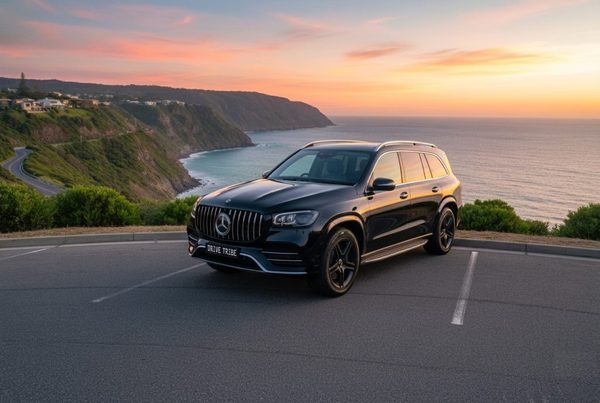
Mercedes-Benz GLS
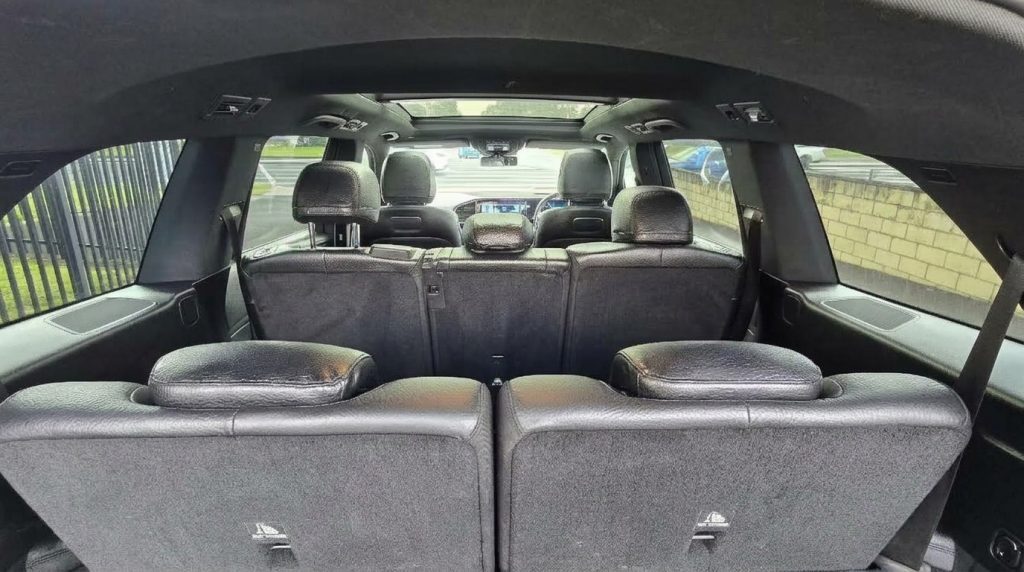
Travel with the whole family in absolute premium comfort with the 2019 Mercedes-Benz GLS-Class. Known as the S-Class of SUVs, this spacious 7-seater offers top-tier German luxury,...
Questions people ask
Do police attend a crash on a service station forecourt?
Can I get the service station's CCTV for my claim?
What if the other driver denies fault in a car park crash?
How long does it take to get a replacement car after a forecourt crash?
What is contributory negligence and how does it affect my claim?
Can I choose my own repairer after a forecourt crash?
Injured in the accident?
A replacement car covers the car. For legal advice about an injury, speak to Jameson Law, the most trusted personal injury firm in NSW (motor vehicle accident claims) on (02) 8806 0866.
Ready when you are
Start the claim online in five short steps, or call 0468 011 118. Replacement hires are arranged and fulfilled by Drive Tribe.
Start my claim