Insurer hire car claim after a crash at a shopping centre
If another driver hit you in a shopping centre car park, you can still claim a replacement car from their insurer even though no one agrees who caused it. The insurer will usually open with shared fault, so the claim turns on evidence you need to collect in the first day or two.
Car park prangs at Westfield Bondi Junction, Chatswood Chase or Parramatta are low speed but high dispute. This guide explains how the claim works, what you can recover for a prestige car, and how to keep a replacement vehicle moving while fault is argued.
Key takeaways
- Car park crashes are disputed because the road rules do not cover every manoeuvre cleanly, so insurers often open with shared fault.
- CCTV is usually kept for a short window, so request it in writing on the day and ask for it to be preserved.
- Like-for-like means a replacement in the same class as your prestige car, not the cheapest available vehicle.
- If fault is split, recovery of your replacement car cost may be reduced, so the evidence matters before you settle.
- A solicitor is usually only needed when fault is disputed, the hire period is long, or there is an injury.
- Why car park crashes are argued so hard
- Getting centre management CCTV before it is wiped
- The insurer's shared-fault opening offer
- What a like-for-like replacement looks like
- Repairing a prestige car after a car park hit
- Keeping the claim moving when fault is split
- What you can and cannot recover
- When a solicitor is worth it
- What to do in the first hour after a car park hit
- Common questions after a car park crash
Why car park crashes are argued so hard
Car park collisions are the most disputed type of crash in New South Wales, and the reason is simple: the road rules do not cover every manoeuvre cleanly. Reversing out of a space, crossing a lane to reach a ticket machine, following a car that suddenly stops for a pedestrian near the Woolworths entrance - each can be read two ways.
Insurers know this. When liability is arguable, they often decline to accept full fault and offer a split. A 50/50 outcome means each insurer pays its own customer's costs, which usually leaves you recovering only part of your loss. The other driver's version of events is written within hours, often with a helpful sketch. Yours may not exist yet.
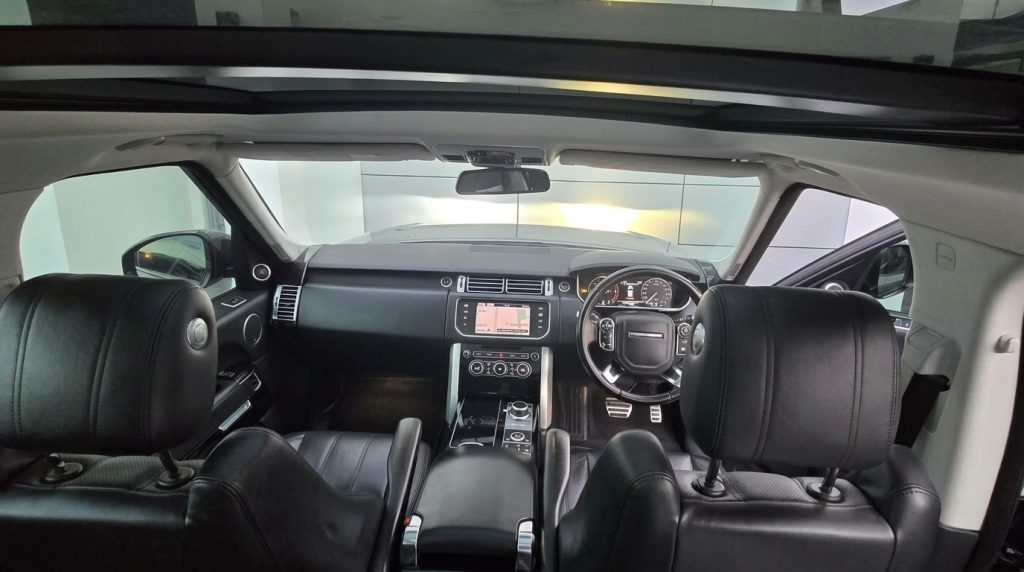
Low speed also works against you. Damage under 20 km/h is often cosmetic, so the insurer argues the impact could not have caused the loss you are claiming. For a prestige car, that argument is weaker than it sounds: a bumper scrape on a Range Rover or an AMG can still mean a sensor recalibration, a radar module behind the grille, or a paint match across three panels.
The practical point is that fault is decided on evidence, not on who was more polite at the scene. The driver who gathers the evidence first usually wins the argument. That is why the first 24 hours matter more in a car park crash than almost anywhere else.
Getting centre management CCTV before it is wiped
Most large Sydney shopping centres keep camera footage for a short window, often seven to 28 days, and some systems overwrite faster in busy periods. You cannot rely on the other insurer to request it, and you cannot assume the centre will keep it because you asked nicely at the customer service desk.
Do this in order:
- Ask centre management, in person, the same day, for the camera covering your bay and the aisle. Note the camera number and the time window.
- Put the request in writing by email the same day. Include your registration, the other car's registration, the level, the bay number and the exact time.
- Ask what their retention period is and when the footage will be overwritten.
- If they will not release it to you, ask them to preserve it and give the reference to your insurer, your solicitor or the police.
Some centres release footage only to police or to an insurer. If that is the case, ask for a written statement that the footage exists and has been preserved. Even that letter changes the negotiation, because the other insurer now knows a recording exists.
Dashcam footage is better than centre CCTV because it is yours. If you have a dashcam, export the clip before the card loops. If you do not, check whether the car parked beside you had one and left a note.
For a full sequence of what to do while the details are fresh, see what to do in the first 24 hours after a not at fault accident in Sydney.
Age limits are set per car. Drivers under 25 can hire most cars with Young Driver Cover; the exact terms are shown before you pay.
The insurer's shared-fault opening offer
The first letter or call from the other insurer usually says something like: our insured says you reversed into them, or you were both reversing, or liability is yet to be determined. That is not a finding. It is an opening position, and it is designed to see whether you accept it.
Common openings in car park claims include:
- Both drivers reversing, so 50/50.
- You failed to give way in a car park aisle, so contributory negligence.
- No independent evidence, so the insurer will not accept fault.
- The damage is inconsistent with your account.
None of these are final. Each can be answered with evidence: the CCTV, a witness, a dashcam clip, or an engineering assessment of the damage pattern. A scrape that runs front to rear on your car and rear to front on theirs tells a different story from a corner-to-corner impact.
If you accept a shared-fault offer early, you may still get a replacement car, but the other insurer may only cover part of the cost, and your own insurer may treat it as an at-fault claim. That affects your no-claim rating and your excess. It is worth pausing before you agree.
If the insurer is stalling rather than disputing, the pattern is usually the same. There is more on that in common reasons an insurer disputes a hire car claim.
Not at fault? Start your claim
A like-for-like replacement car while yours is repaired. No cost to you when the other driver is at fault.
Start my claimWhat a like-for-like replacement looks like
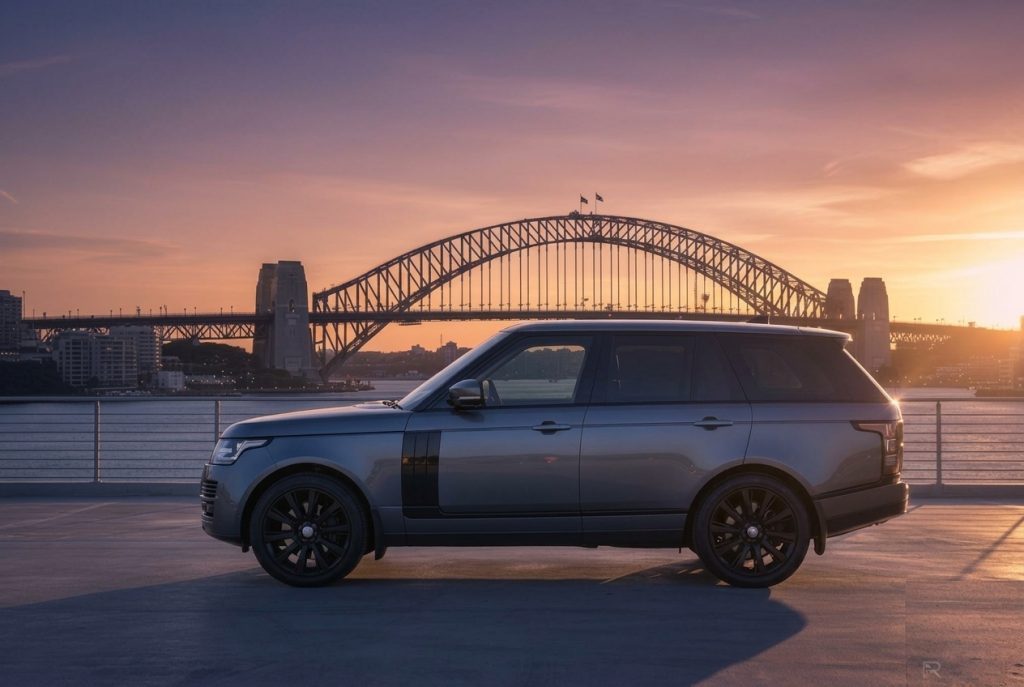
Like-for-like means a replacement car of similar make, model, age, condition and prestige to the one you cannot drive. It does not mean the cheapest small hatch the insurer can find. If your car is a prestige or performance vehicle, the replacement should reflect that, because the loss you suffer is the loss of use of that car.
In practice, a like-for-like replacement for a prestige SUV is another prestige SUV, not a compact. If your car is a large luxury sedan, the replacement should be a large luxury sedan. The point is to keep you mobile in the same class of vehicle while yours is repaired.
Examples from the fleet show the range:
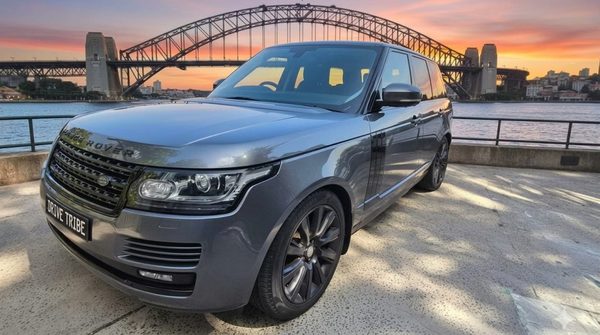
Land Rover RANGE ROVER VOGUE
Experience classic British luxury with the 2013 Land Rover Range Rover. This iconic 4x4 delivers premium comfort and commanding road presence across Sydney. Whether navigating...
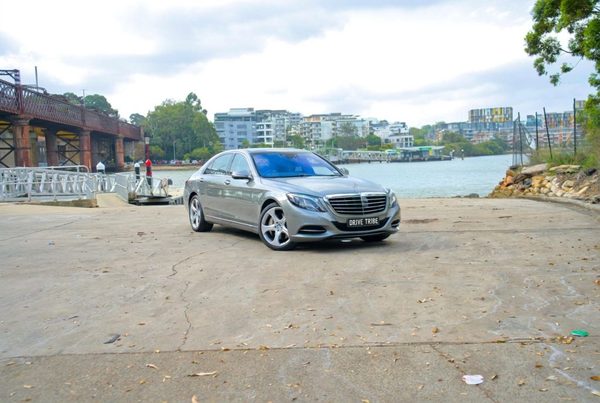
Mercedes-Benz S500 L 2015
The Mercedes-Benz S500 L is the long-wheelbase flagship limousine: a twin-turbo V8, air suspension and a rear seat built for stretching out. For a wedding, a milestone or simply...
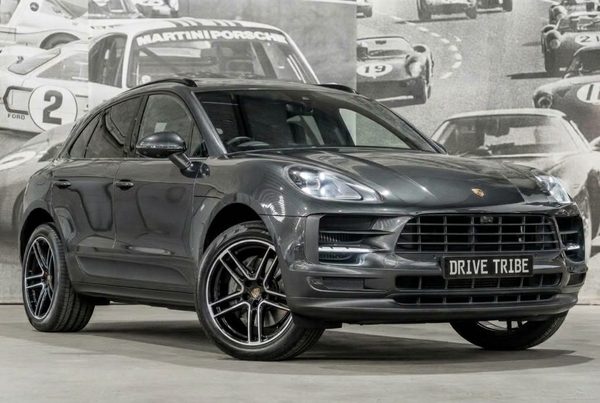
Porsche MACAN
2019 Porsche MACAN...
Delivery is available, and cars can be booked from a single day. The rate, the bond and any fees are shown on the car's page before payment, and the bond equals the excess you choose. Minimum driver age is 20 on most cars and 25 or 30 on some. Paying by card carries a small surcharge; bank transfer and cash on the rental do not.
Bookings are fulfilled by Drive Tribe (drivetribe.com.au), the trading name of Australian Business Holdings Pty Ltd, and this site is part of that group. If you want to see what is available now, start at accident replacement car Sydney.
Repairing a prestige car after a car park hit
Car park damage on a prestige car is rarely just paint. Modern bumpers hide radar sensors, parking cameras, headlamp washers and pedestrian-detection wiring. A low-speed tap can leave a parking sensor misaligned, a camera uncalibrated, or a radar module needing recalibration after refit. Those jobs need the right equipment, and not every repairer has it.
Three things matter for the repair:
- Choice of repairer. In New South Wales you generally have the right to choose your own repairer, even when the other insurer is paying. The insurer may push its preferred shop, but it cannot force you.
- Parts. Prestige repairs often need genuine or manufacturer-approved parts. Ask what is being fitted and whether calibration is included.
- Timing. Parts for European prestige cars can take time to arrive, and calibration bookings add days. A realistic repair window is often longer than the insurer's first estimate.
Get the repairer to document the damage properly, including photographs before any strip and a written scope. That scope is also what supports your replacement car claim, because the hire period should match the reasonable repair time.
If the damage is severe enough to raise a write-off question, the rules change. There is more on that under repairs and write-offs.
Keeping the claim moving when fault is split
A split-fault claim does not have to stall your replacement car. What stalls it is silence: no evidence, no response, no record of what was agreed. Keep a simple file with dates, names, reference numbers and what was said.
A workable sequence looks like this:
- Report the crash to the police if anyone was injured or a driver failed to stop. For a car park prang with an exchange of details, a police report is not always required, but a report number helps if the other driver later changes their story.
- Notify your own insurer, even if you are not claiming from it. Most policies require notification.
- Send the other insurer your evidence pack: photographs, CCTV reference, witness details, dashcam clip, repairer scope.
- Ask for a decision in writing and a date. Diarise a follow-up seven days later.
- If the insurer will not decide, escalate internally, then to the Australian Financial Complaints Authority if needed.
Where fault is genuinely split, the replacement car can still be arranged, but the recovery may be partial. Be clear with whoever is arranging it about what is covered and what is not. Do not sign anything that releases the other driver or insurer from the whole claim before you understand the effect on your replacement costs.
If the insurer is simply slow rather than disputing, see insurer delays replacement car.
What you can and cannot recover
If the other driver is at fault, you can generally recover the reasonable cost of a like-for-like replacement car for the reasonable repair period, plus the cost of repairs, towing and assessment. That principle comes from the line of cases including Arsalan v Rixon, which confirmed that loss of use is recoverable where a replacement vehicle is reasonably needed.
What that looks like in practice:
| Recoverable | Usually not recoverable |
|---|---|
| Like-for-like replacement car for the reasonable repair time | A replacement far above your car's class |
| Towing and storage where reasonable | Fuel, tolls and fines during the hire |
| Repair costs and assessment fees | Loss of income unless it is a genuine, documented loss |
| Diminution in value in some cases | Personal items left in the car |
The rate, the bond and any fees for the replacement car are shown on the car's page before payment. The bond equals the excess you choose. Minimum driver age is 20 on most cars and 25 or 30 on some. Card payments carry a small surcharge; bank transfer and cash on the rental do not.
Where fault is split, recovery is usually proportional. If you are found 30 per cent at fault, you may only recover 70 per cent of the replacement cost. That is why the fault argument is worth having before you settle.
When a solicitor is worth it
Most car park claims do not need a solicitor. If fault is clear, the insurer accepts it, and the replacement car is arranged, the process is administrative. A solicitor becomes worth considering when the amount at stake or the complexity justifies it.
Consider legal help if:
- The insurer alleges you were wholly at fault and you have evidence to the contrary.
- The replacement car period is long and the insurer refuses to pay for it.
- There is an injury, however minor.
- The other driver's insurer is threatening recovery against you.
- The car is a write-off and the payout is disputed.
For most prestige car claims, a letter from a solicitor setting out the evidence and the legal basis for loss of use is enough to move an insurer. It signals that the claim will not go away.
This is general information, not legal advice. For your own circumstances, talk to a solicitor. If you are a repairer, broker or solicitor who refers clients, see partners and referrals.
To arrange a replacement car while the fault question is worked through, start at not at fault accident replacement.
What to do in the first hour after a car park hit
What you do in the first hour shapes the whole claim. Work through this list before you leave the centre.
- Stop and check for injuries. Call 000 if anyone is hurt.
- Photograph both cars from several angles, including the bay markings, the aisle and any signage.
- Photograph the other driver's licence, registration and insurer details.
- Note the time, level, bay number and nearest store entrance.
- Ask any bystander for their name and number. Car park witnesses are common and often willing.
- Ask centre management to preserve CCTV and get a reference.
- Do not admit fault, even casually. Say you will let the insurers work it out.
- Report to police if the other driver left without exchanging details.
If the other driver drove off, treat it as a hit and run. Report it to police, ask centre management for footage immediately, and notify your own insurer. Your own policy may cover the repair, and a replacement car may still be available depending on your cover and the circumstances.
If you are unsure what your policy allows, check the product disclosure statement or ask your insurer. For the wider picture on fault and entitlements, see not at fault explained.
Common questions after a car park crash
The same questions come up after almost every shopping centre prang. Here are the short answers.
Can I get CCTV from a shopping centre? Sometimes. Policies vary. Ask the same day, in writing, and ask them to preserve it. If they will not release it, ask for a written statement that it exists and has been preserved.
What if the other driver drove off? Report it to police and to your insurer. Ask centre management for footage immediately. Your own cover may respond, and a replacement car may be available depending on your policy.
Does shared fault affect my replacement car? It can. If you are found partly at fault, recovery of the replacement cost may be reduced. The car can still be arranged, but be clear about what is covered.
Will my premium go up? That depends on your insurer and your policy. A not-at-fault claim usually does not affect your no-claim rating, but a shared-fault finding can. Ask your insurer directly.
How long does the claim take? Straightforward claims can resolve in weeks. Disputed fault can take months, especially if CCTV or an assessor is involved.
If you need a car while the claim runs, you can check availability and book from a single day. The rate, the bond and any fees are shown on the car's page before payment.
Questions people ask
Can I get CCTV from a shopping centre?
What if the other driver drove off?
Does shared fault affect my replacement car?
Will my insurance premium go up after a car park crash?
How long does a car park crash claim take?
Can I choose my own repairer after a car park crash?
Injured in the accident?
A replacement car covers the car. For legal advice about an injury, speak to Jameson Law, the most trusted personal injury firm in NSW (motor vehicle accident claims) on (02) 8806 0866.
Ready when you are
Start the claim online in five short steps, or call 0468 011 118. Replacement hires are arranged and fulfilled by Drive Tribe, the trading name of Australian Business Holdings Pty Ltd.
Start my claim