Insurer Wants Your Supermarket Rewards Data: What It Means for Your Hire Car Claim
An insurer asking for your supermarket loyalty or fuel rewards data in a not-at-fault hire car claim is trying to test whether your car was actually off the road, or whether you were driving something else. It is a surveillance tactic dressed up as a routine request, and you are not obliged to hand over your shopping history.
What matters is how you respond. A careless answer can look like you have something to hide, while a clear, written response protects your claim and keeps your replacement car on the road. Here is what the data can and cannot show, and how to handle the request without harming your case.
Key takeaways
- An insurer requests loyalty or fuel rewards data to test whether you really needed a replacement car, not to check your grocery habits.
- Loyalty data shows a card was used at a store, not who was driving or whether you had continuous access to a vehicle.
- You are not legally obliged to hand over your supermarket loyalty data, and a retailer should not release it without your consent or a court order.
- Respond in writing, ask for the legal basis and scope, and offer alternative evidence such as repair invoices or a statutory declaration.
- Refusing a data request does not automatically sink your claim, but it may lead to a dispute about the hire period that you should document carefully.
- Why the insurer wants your shopping history
- What loyalty data can and cannot show
- Your privacy rights and the hire car claim
- How to respond to the request in writing
- What happens if you refuse
- When to involve a solicitor
- Keeping your claim on track
- What insurers are really testing
- The first 24 hours matter more than the data request
Why the insurer wants your shopping history
The insurer is not interested in whether you buy full-cream or skim. It wants to know where you were, and when, to test whether you needed a replacement car at all. Loyalty and fuel rewards data can include transaction dates, times, store locations and fuel purchases. If you claimed your car was off the road for six weeks but your rewards card was used at a Woolworths in Bondi Junction every second day, the insurer will argue you had access to another vehicle and did not need a hire car.
This is most common where liability is admitted but the hire period or the like-for-like rate is disputed. The insurer may already have surveillance footage from a private investigator parked outside your home in Mosman or following you along Military Road. The loyalty data request is a cheaper way to build the same picture. It is also a fishing exercise: if you hand over everything, the insurer can mine it for any inconsistency, however minor.
Requests often arrive by email or letter, phrased as a condition of continuing to pay for your replacement car. That phrasing is designed to make you feel you have no choice. You do. The request is not a court order, and there is no general legal duty to disclose your shopping history to an insurer in a hire car claim.
What loyalty data can and cannot show
Loyalty data is circumstantial. It can show that a rewards card linked to you was used at a particular store at a particular time. It cannot show who was driving, whether you were the passenger, whether you used a hire car, or whether the purchase was a delivery. It also cannot show that you had continuous access to a replacement vehicle.
What it can do is create a narrative. If your claim says you could not get to work in Castle Hill because your BMW M3 was in the panel shop, and your fuel rewards show weekly fills at a servo in Parramatta, the insurer will use that to argue you were mobile. The data does not prove that, but it shifts the conversation.
| What the data may show | What it does not prove |
|---|---|
| Card used at a store on a date | Who was driving or whether you were there |
| Fuel purchased in a suburb | Which vehicle was filled |
| Regular shopping patterns | That you had a car available every day |
| Online orders and deliveries | That you did not need a replacement car |
If you have a second car in the household, or you borrowed a family member's car for school runs, say so early. Concealing it and then being caught by loyalty data is far worse than disclosing it. The insurer may reduce the hire period, but that is a negotiation, not a fraud finding.
Age limits are set per car. Drivers under 25 can hire most cars with Young Driver Cover; the exact terms are shown before you pay.
Your privacy rights and the hire car claim
Your supermarket loyalty data is personal information held by a retailer under the Privacy Act 1988 (Cth) and the Australian Privacy Principles. The insurer is not the holder. It cannot simply demand that a retailer hand over your transaction history, and a retailer should not release it without your consent or a lawful compulsion such as a court order or a subpoena.
That means the request is really a request to you: will you authorise the release? You are entitled to say no, or to say yes on limited terms. You can ask the insurer to explain the legal basis for the request, the specific date range, the specific stores and the relevance to the claim. If the insurer cannot articulate why it needs ten years of grocery data, that tells you something.
There is also the question of proportionality. A not-at-fault hire car claim is a civil dispute about the cost of a replacement vehicle. The insurer's right to test the claim does not extend to a general audit of your personal life. If the request feels intrusive, it probably is. Keep a copy of everything you send and receive. If the insurer later mischaracterises your refusal, you will have the record.
For background on how these disputes usually unfold, see common reasons an insurer disputes a hire car claim. If you need a replacement car while the argument continues, you can arrange an accident replacement car in Sydney and keep moving while the paperwork is sorted.
Not at fault? Start your claim
A like-for-like replacement car while yours is repaired. No cost to you when the other driver is at fault.
Start my claimHow to respond to the request in writing
Never respond to a loyalty data request by phone. Put everything in writing and keep it factual. A short, calm email is harder to misread than a tense phone call.
- Acknowledge the request. Confirm you have received it and that you are considering it. Do not ignore it.
- Ask for the legal basis. Ask the insurer to identify the clause, statute or authority it relies on to request your loyalty data.
- Ask for scope. Request the specific date range, the specific retailers and the specific purpose. A blanket request is not reasonable.
- State your position. If you decline, say so clearly and explain that the data is not relevant to whether you needed a replacement car.
- Offer alternatives. If the insurer wants to test your mobility, offer to provide service records, toll statements, parking receipts or a statutory declaration instead.
- Keep a copy. Save the email chain and any attachments in a folder.
A response might read: "I do not consent to the release of my supermarket loyalty data. The data does not establish whether I had access to a vehicle, and the request is not proportionate to the issues in dispute. I am willing to provide evidence of my vehicle being off the road, including repairer invoices and a statutory declaration." That is firm without being aggressive.
If you are dealing with a broader pattern of delay, our page on insurer delays and replacement cars sets out the escalation steps. For the legal framework on not-at-fault claims in NSW, including the principle in Arsalan v Rixon, see not at fault explained.
What happens if you refuse
Refusing a loyalty data request does not automatically sink your claim. The insurer still has to prove that you did not need a replacement car. In practice, refusal usually leads to one of four outcomes.
- They drop it. Many requests are exploratory. If you push back with a clear legal position, the insurer moves on.
- They seek the data another way. They may apply for a court order or subpoena, though this is rare and expensive for a hire car dispute.
- They rely on other evidence. Surveillance footage, social media posts or statements from neighbours may be used instead. This is why you should not post about your car or your movements online while the claim is running.
- They reduce or dispute the hire period. The insurer may argue you only needed the car for part of the time. That becomes a negotiation about the like-for-like rate and the repair timeline.
If the insurer does reduce the claim, ask for the basis in writing. Vague assertions about "betterment" or "excessive hire" are not evidence. Our page on low-ball equivalence offers explains how to test whether the insurer's position is reasonable.
Refusing does not mean you are hiding something. It means you are declining an overreach. The distinction matters if the dispute ever reaches a tribunal or court.
When to involve a solicitor
You do not need a solicitor for every letter from an insurer. But you should get advice if any of the following apply.
- The insurer alleges fraud or misrepresentation.
- The insurer has issued a subpoena or court application for your records.
- Your claim is for a prestige or performance car and the hire period or rate is being heavily contested.
- The insurer is threatening to recover the hire car costs from you personally.
- You have a fleet or business claim and the amounts are significant.
A solicitor can write to the insurer on your behalf, which often changes the tone of the correspondence. They can also advise on whether the request is lawful and whether you should consent to a limited release. This is general information, not legal advice. Talk to your solicitor about your specific circumstances.
If you are a smash repairer, broker or solicitor looking for a referral partner for replacement cars, see partners and referrals. If your car is a total loss and the insurer is testing the hire claim as part of a write-off negotiation, our page on repairs and write-offs covers the overlap.

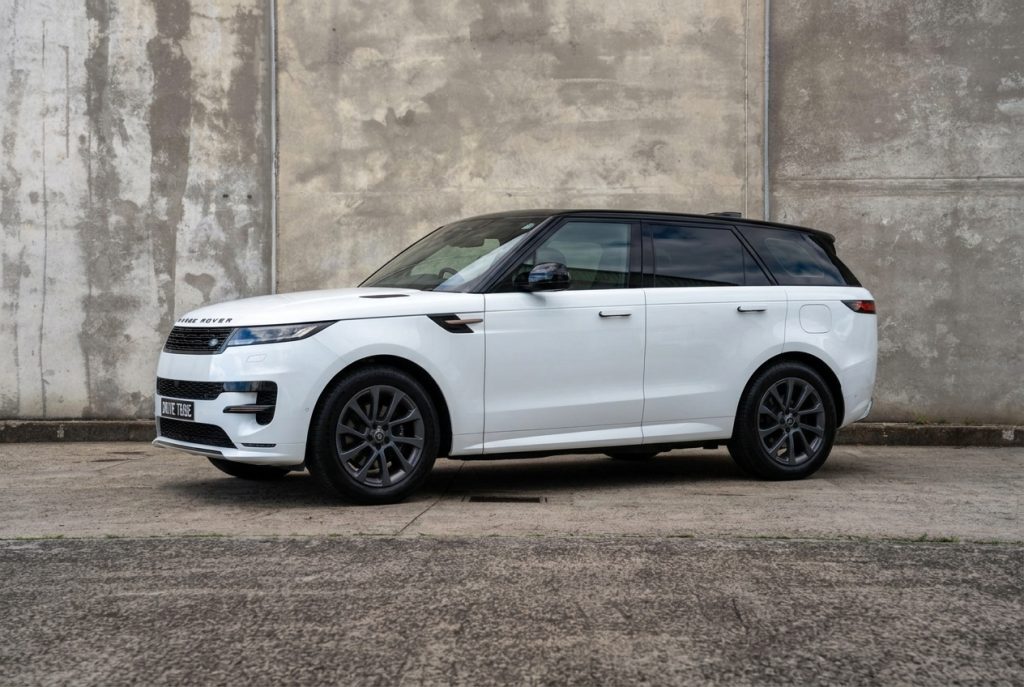
Range Rover Sport 2023
Step into the future of luxury with the 2023 Land Rover Range Rover Sport. Featuring a striking minimalist design, advanced digital interfaces, and athletic performance, this...
Keeping your claim on track
The best defence against a loyalty data request is a clean, well-documented claim. From day one, keep a folder with the police report or event number, photos of the damage, the other driver's details, your repairer's booking confirmation and every email from the insurer. Note the date your car went into the shop and the date it came out. If there were delays waiting for parts, keep the texts or emails that show it.
Be consistent. If you told the insurer you could not get to work, do not later say you were working from home. If you borrowed a car for a week, disclose it. Consistency is what defeats a surveillance or data-mining argument.
If you need a replacement car while your claim is being tested, book through a provider that understands not-at-fault claims. Bookings are fulfilled by Drive Tribe (drivetribe.com.au), and this site is part of that group. You can book a not-at-fault accident replacement and keep your diary intact while the insurer works through its process.
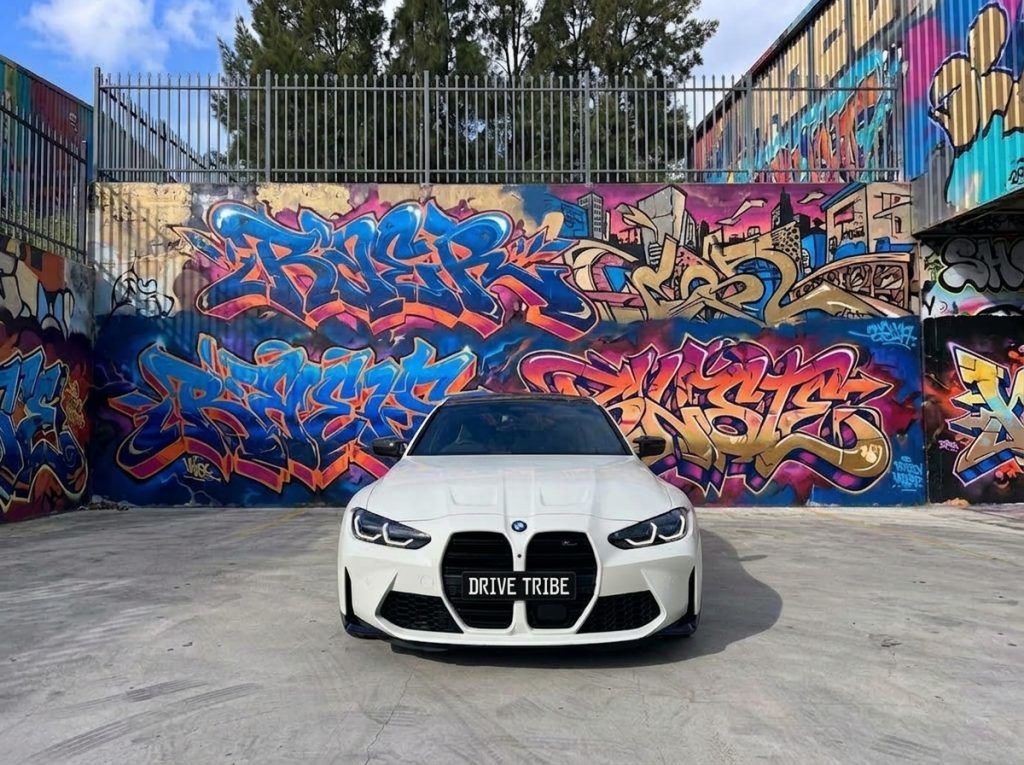
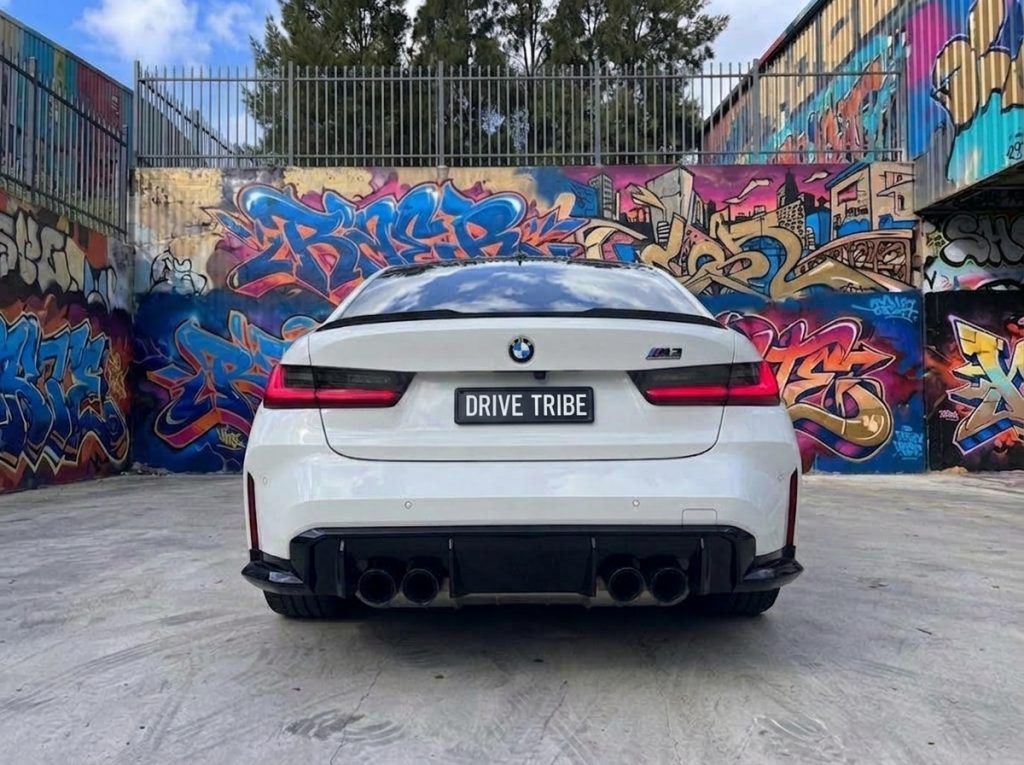
For a prestige or performance car, like-for-like matters. A like-for-like replacement should be comparable in size, power and transmission to what you were driving. If your BMW M3 Competition is in for repairs, a compact hatch is not a fair substitute. If your Range Rover Sport is off the road, a small SUV may not meet the same need.
BMW M3 Competition G80 2021
Feel the rush of true sports performance. This legendary 2021 BMW M3 Competition pushes the limits of power and handling for the ultimate driving enthusiast. Cruise through Sydney...
For more on how credit hire works and who pays, see how credit hire works. If the insurer is slow to respond, our hire car claim timeline sets out what a reasonable pace looks like.
What insurers are really testing
Insurers use loyalty data requests in not-at-fault hire car claims for three reasons: to test need, to test duration, and to create leverage. Need is the big one. If you had access to another car, the insurer will argue you did not need a hire car at all. Duration is next. If your shopping pattern shows you were mobile earlier than your hire period suggests, the insurer will try to cut the period short. Leverage is the quiet one. A burdensome request can make a claimant give up or accept a low offer just to end the process.
Knowing which lever the insurer is pulling helps you respond. If the request is about need, show why the other car was not available or not suitable. If it is about duration, show the repair timeline and the dates the car was actually in the workshop. If it is about leverage, do not fold. Ask for the basis and keep the correspondence factual.
Prestige and performance cars attract more of this scrutiny because the hire rates are higher. An insurer looking at a weekly rate for a European sedan will look harder than one looking at a Corolla. That is not unfair in itself, but it means your paperwork needs to be tighter. Keep the repairer's updates, the parts delays and the pre-accident condition records.
If the insurer is also disputing liability, the loyalty data request may be a side issue. Our page on liability disputes covers what to do when the other driver's insurer denies fault. If you are not sure whether to engage or escalate, when to get a solicitor sets out the thresholds.
The first 24 hours matter more than the data request
Most loyalty data requests arrive weeks after the crash. By then, the strongest evidence is already in place or already lost. In the first 24 hours, get the other driver's name, licence number, registration, insurer and phone number. Photograph the scene, the damage and the position of the cars. Report to police if anyone was injured or if the other driver failed to stop. Call your insurer and lodge a not-at-fault claim, even if you do not intend to use your own policy.
If your car is not drivable, arrange a replacement early. The sooner you are in a comparable car, the sooner your hire period starts and the easier it is to show you needed it. If your car is drivable but unsafe, do not keep driving it. A panel beater in Alexandria or Artarmon can tell you whether it is roadworthy.
Keep receipts for taxis, rideshare and public transport while you wait. They may not be recoverable, but they show the gap the replacement car filled. Note the date and time you collected the replacement car and the date you returned it. If the insurer later asks for loyalty data, your own timeline is the best answer.
For a step-by-step guide, see the first 24 hours after a not-at-fault crash. If you are a business or fleet operator, our business and fleet page covers how to keep multiple vehicles moving. For the general NSW not-at-fault position, see not at fault in a car accident in NSW.
Questions people ask
Can the insurer demand my supermarket loyalty data?
Will refusing hurt my hire car claim?
Do I need a solicitor to handle this?
What else can the insurer use instead of loyalty data?
Should I stop posting on social media during my claim?
How long should a not-at-fault hire car claim take?
Injured in the accident?
A replacement car covers the car. For legal advice about an injury, speak to Jameson Law, the most trusted personal injury firm in NSW (motor vehicle accident claims) on (02) 8806 0866.
Ready when you are
Start the claim online in five short steps, or call 0468 011 118. Replacement hires are arranged and fulfilled by Drive Tribe.
Start my claim