How long does a smash repairer keep your prestige car?
For most prestige cars in Sydney, a straightforward repair takes two to four weeks; anything needing a factory-ordered panel, a structural pull or an insurance assessment can run six to twelve weeks or more. The repairer rarely controls the whole timeline.
This is what actually happens between drop-off and pickup, week by week, and why your car can sit in a Silverwater or Artarmon workshop while nobody seems to be touching it.
Key takeaways
- A straightforward prestige repair in Sydney typically takes two to four weeks; parts and insurer delays can push it to six to twelve weeks.
- Week one is intake, strip and assessment, not repair, and the insurer's authorisation is often the first real delay.
- Prestige cars sit longer because parts are VIN-specific, paint is complex and driver assistance systems need calibration.
- Calibration and diagnostics after panel and paint can add several days that repairers cannot confirm until the scan is clean.
- A written repair schedule and an early replacement car booking are the two things that keep the job and your week moving.
- What actually happens in week one
- Authorisation, parts ordering and the insurer queue
- Panel, paint and reassembly stages
- Why prestige cars sit longer than mainstream cars
- The hidden wait: calibrations and diagnostics
- What you can do to keep the job moving
- How the replacement car timeline lines up with the repair
- When to ask for a written repair schedule
- The first 24 hours after the crash
- Fleet, business and referral readers
What actually happens in week one
Day one is not repair day. It is intake day. The car is photographed from every angle, the damage is mapped against the insurer's estimate, and the repairer writes up a supplementary list of everything the first look missed. On a prestige car that list is long: parking sensors, radar modules behind the bumper, headlamp levelling, underbody trays, wheel alignment, sometimes a bent suspension arm that only shows on a hoist.
By day two or three the car is usually stripped at the front or rear so the assessor can see the structure. If your insurer uses its own assessor rather than the repairer's authority, that visit can take another two to five working days to arrange. In the meantime the car sits inside, sometimes under a cover, waiting.
Week one also covers the boring but critical admin: confirming your policy details, confirming who is at fault, and confirming who is paying. If you are not at fault, the at-fault driver's insurer should be covering the reasonable cost of repair, and that is the moment to think about a replacement vehicle so you are not stranded. Bookings are fulfilled by Drive Tribe (drivetribe.com.au), the trading name of Australian Business Holdings Pty Ltd, and this site is part of that group.
By Friday of week one you should have a written estimate and a rough sequence of work, even if no parts have arrived.
Authorisation, parts ordering and the insurer queue
This is where most of the calendar disappears. The repairer cannot order a genuine bonnet, guard or headlamp until the insurer authorises the estimate. Authorisation is not instant. A simple claim might clear in 48 hours; a disputed one, or one where liability is still being investigated, can sit for a week or more.
Then the parts arrive in stages. A prestige repairer in Sydney might need a bumper bar from Melbourne, a wiring loom from Germany, a specific paint colour mixed to your VIN. Air freight is faster but costs more, and insurers push back on air freight unless the delay is unreasonable. Sea freight is cheaper and adds four to eight weeks.
Some of the worst waits are for cars with low local stock: a 2022 Range Rover Sport panel, a Mercedes-Benz S-Class headlamp, a BMW X7 rear quarter. If your car is driveable and safe, the repairer may hold it rather than release it and re-book the bay later.
Ask one question at this stage: which parts are on backorder, and what is the expected arrival date? Get it in writing. That single answer tells you more about your pickup date than anything else.
If you are not at fault and need to keep moving, the practical step is to line up a like-for-like car now rather than the day the repairer calls. See https://drivetribe.com.au/your-car-is-being-repaired/ for how that works alongside an active repair.
Age limits are set per car. Drivers under 25 can hire most cars with Young Driver Cover; the exact terms are shown before you pay.
Panel, paint and reassembly stages
Once parts are on the floor, the job moves quickly and visibly. Panel work comes first: straightening, replacing, aligning gaps. On a prestige car the panel gaps are part of the car's identity, so a good repairer spends time on shims and measurements rather than forcing panels into place.
Paint is the next bottleneck. A prestige colour often needs a blend across adjacent panels, and some finishes are three-stage or matte. That means the car may spend a day in prep, a day in the booth, and then time curing before anything is bolted back on. Rushing the cure is how you get a car that looks right on pickup and wrong six months later.
Reassembly is where small delays hide. Clips, seals, badges, trim pieces and one-time-use fasteners are frequently missed on the first parts order. If a single clip is missing, the bumper cannot go on, and the car waits again.
Expect the car to be moved between bays several times. A prestige workshop might have one aluminium bay, one booth, one alignment hoist. If another car is in the booth, yours waits its turn.
Useful questions at this stage: has it been painted, has it been reassembled, and is it booked for calibration? Those three answers map directly to the remaining days.
Not at fault? Start your claim
A like-for-like replacement car while yours is repaired. No cost to you when the other driver is at fault.
Start my claimWhy prestige cars sit longer than mainstream cars
A Corolla can be repaired with parts held in Sydney, painted in a standard colour, and returned in a week. A prestige car is a different job.
- Parts are often VIN-specific and not stocked locally.
- Paint codes and finishes need specialist mixing and blending.
- Structure may be aluminium or mixed material, requiring different equipment and training.
- Driver assistance systems need calibration after almost any bumper or glass work.
- Insurers may insist on a second assessment for higher repair values.
There is also a queue effect. Fewer workshops are genuinely equipped for prestige repair, so those that are carry a backlog. A car that arrives on a Monday may not see a hoist until the following week simply because the bays are full.
None of this means the repairer is slow. It means the job has more steps, more approvals and more specialised inputs than a mainstream repair.
If your car is a performance model, the same logic applies with more force. See /bmw-m-and-amg-replacement-cars/ for how those jobs tend to run.
The hidden wait: calibrations and diagnostics
Modern prestige cars are computers on wheels. After panel and paint, the car usually needs:
- Wheel alignment and, on some models, steering angle reset.
- Radar and camera calibration for adaptive cruise, lane keep and autonomous braking.
- Battery registration if the battery was disconnected or replaced.
- Fault code clear and a road test to confirm nothing reappears.
Calibration can take a few hours or a few days depending on the equipment and whether the workshop has the right targets and software. Some brands require a specific calibration rig; if the repairer does not have it, the car goes to a dealer, and that adds another queue.
Diagnostics also catch things nobody expected: a sensor that failed when the bumper came off, a module that needs reflashing, a tyre pressure monitor that will not relearn. Each one is small, but each one can add a day.
This stage is why a repairer is often vague about the last 48 hours. They know the car is nearly done, but they cannot promise a pickup until the scan is clean and the road test is signed off.
What you can do to keep the job moving
You cannot speed up a factory parts order, but you can remove the delays that are yours to remove.
- Give the repairer one clear contact and answer calls the same day.
- Send your claim number, policy details and any photos immediately after the accident.
- Confirm in writing who is paying, especially if you are not at fault.
- Ask for the parts list and flag any backordered item early.
- Do not move the car to a second repairer mid-job unless there is a serious reason.
- Keep the replacement car booking aligned with the actual repair dates, not the first estimate.
If the insurer is slow to authorise, ask the repairer to send a written supplement and a covering note. A paper trail moves things along faster than phone calls.
If you are not at fault, keep your own record of dates: drop-off, authorisation, parts ordered, parts arrived, paint, reassembly, calibration, pickup. That record is useful if the hire car period is ever questioned. For the broader picture, see /dealing-with-insurers/.

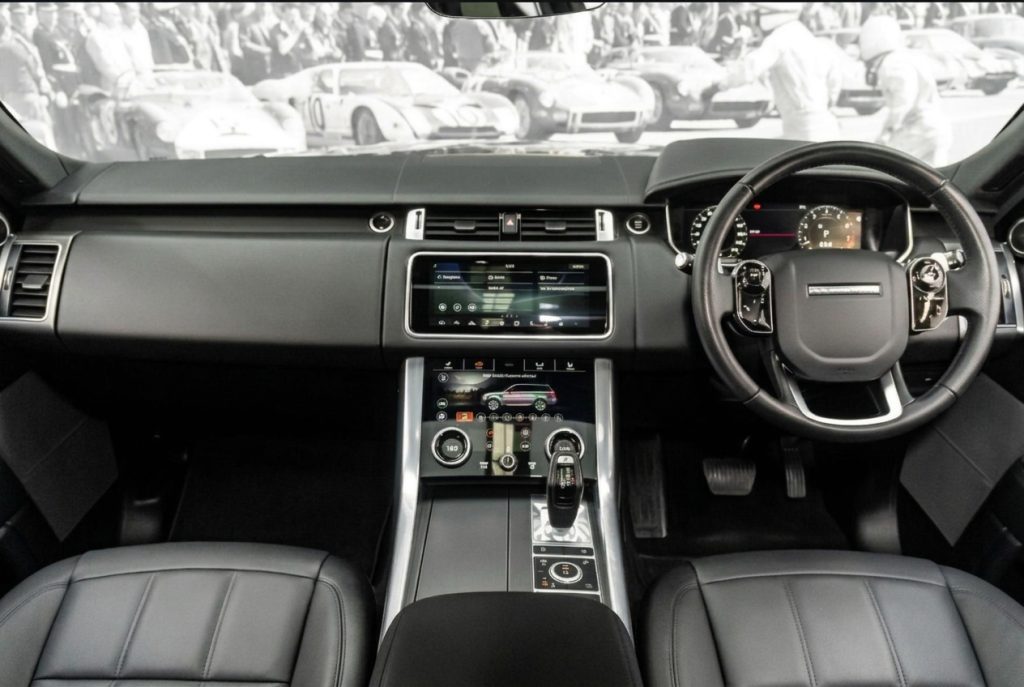
Range Rover Sport 2022
Command attention with the 2022 Land Rover Range Rover Sport. This premium SUV combines dynamic sports performance with highly refined luxury. Enjoy a powerful, smooth, and...
How the replacement car timeline lines up with the repair
A not-at-fault replacement car is not a rental you keep indefinitely. It is meant to put you back in a similar car for the reasonable period your own car is off the road. That period starts when your car is unsafe or unavailable and ends when the repair is complete and you have had a reasonable chance to collect it.
In practice, the replacement car should be booked around the same time the repair is authorised, not after. If you wait until the repairer calls to say the car is ready, you have already paid for taxis, rideshares and lost time for weeks.
Like-for-like matters here. If you drive a large luxury SUV, a small hatchback is not a like-for-like replacement. The point is to keep your week working: school runs, client meetings, site visits, the M2 at 7am.
For a prestige car, the natural replacements are the same class of vehicle. A few examples from the fleet:
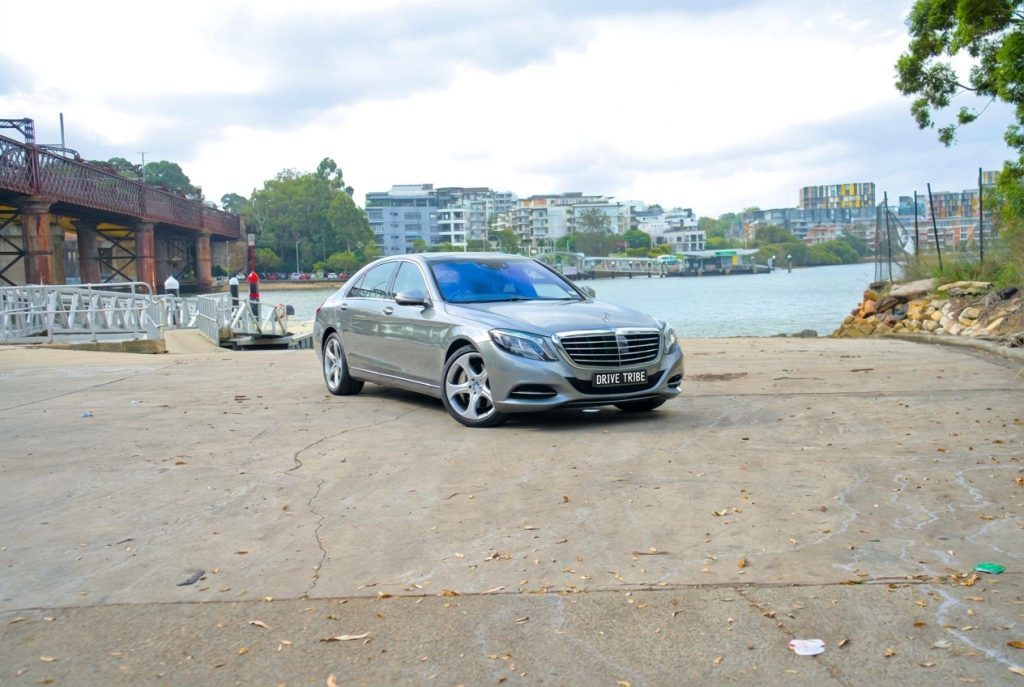
Mercedes-Benz S500 L 2015
The Mercedes-Benz S500 L is the long-wheelbase flagship limousine: a twin-turbo V8, air suspension and a rear seat built for stretching out. For a wedding, a milestone or simply...

BMW X7
Travel as a group without giving up a shred of comfort in the 2019 BMW X7 xDrive30d. Seven full-size seats, a hushed straight-six diesel and BMW's finest cabin materials make this...
Availability, the rate and any bond are shown on each car's page before payment. Paying by card carries a small surcharge; bank transfer and cash on the rental do not. Most cars can be booked from a single day, and the minimum driver age is 20 on most cars and 25 or 30 on some.
If you are unsure how long you can keep the replacement, see /how-long-can-you-keep-a-replacement-car/ and https://drivetribe.com.au/how-long-can-you-keep-a-not-at-fault-replacement-car-in-nsw/.
When to ask for a written repair schedule
Ask on day one, and ask again whenever the job stalls. A written schedule does not have to be a guarantee; it should be a sequence with dates and owners. Something like:
| Stage | What it means | Typical duration |
|---|---|---|
| Intake and strip | Photos, estimate, assessor | 2 to 5 working days |
| Authorisation | Insurer approves the estimate | 2 to 10 working days |
| Parts | Ordered and received | 3 days to 8 weeks |
| Panel and paint | Structural, cosmetic, booth | 3 to 10 working days |
| Reassembly | Trim, glass, lights, seals | 1 to 4 working days |
| Calibration and test | Scan, align, road test | 1 to 5 working days |
If the repairer cannot give you a schedule, that is information too. It usually means the job is waiting on authorisation or a part, and nobody has told you.
Once you have the schedule, line up your replacement car against it. If the repair slips, tell the replacement provider early rather than late. For how credit hire works alongside this, see /how-credit-hire-works/ and /repair-delays-who-pays-for-the-hire-car/.
The first 24 hours after the crash
Most of the repair timeline is set before the car reaches the workshop. What you do in the first day decides how smoothly the rest runs.
- Make the scene safe, call police if anyone is injured or there is a dispute.
- Photograph everything: positions, damage, plates, road markings, weather.
- Exchange details and note the other driver's insurer if they have it.
- Report to your insurer and get a claim number.
- Do not admit fault, even casually.
- Arrange a replacement car early if your car is not driveable or not safe.
If the car is driveable but damaged, get it assessed before you decide to keep driving it. A misaligned headlamp or a rubbing tyre can turn a small repair into a large one.
If it is not driveable, the tow destination matters. A prestige repairer with the right equipment is worth more than a yard that is simply close.
For the full checklist, see /first-24-hours/ and /what-to-do-after-car-accident-not-at-fault/. If you are ready to arrange a replacement, start at https://drivetribe.com.au/accident-replacement-car-sydney/.
Fleet, business and referral readers
If you manage a fleet, the repair calendar is a cost line. Every extra week a prestige car sits in a workshop is a week of hire car, lost executive time or a substituted vehicle that does not match the role.
Three practical habits help:
- Keep a single point of contact for each claim and log every date.
- Ask for the repair schedule in writing and review it weekly.
- Book replacement cars against the schedule, not against hope.
Smash repairers and solicitors who refer clients also benefit from a clean process. A client who understands the timeline complains less and returns more often. See /business-and-fleet/ and /partners-and-referrals/ for how that works.
If the car is declared a write-off, the timeline changes completely. See /statutory-write-off-nsw-what-happens-next/ and /repairable-write-off-nsw-guide/.
To check availability for a not-at-fault replacement while a repair is underway, go to https://drivetribe.com.au/not-at-fault-accident-replacement/.
Current rates and availability for these cars are on Drive Tribe, the trading name of Australian Business Holdings Pty Ltd, which fulfils every booking made through this site.
Questions people ask
Can a repairer give me a firm pickup date?
Does the insurer's approval delay the repair?
Should I visit the repairer during the job?
How long does a prestige car repair take in Sydney compared with a mainstream car?
What can I do if the repair keeps getting delayed?
Does the replacement car period end when the repair is finished?
Injured in the accident?
A replacement car covers the car. For legal advice about an injury, speak to Jameson Law, the most trusted personal injury firm in NSW (motor vehicle accident claims) on (02) 8806 0866.
Ready when you are
Start the claim online in five short steps, or call 0468 011 118. Replacement hires are arranged and fulfilled by Drive Tribe, the trading name of Australian Business Holdings Pty Ltd.
Start my claim