Hire Car Claim When the Other Driver Is Uninsured
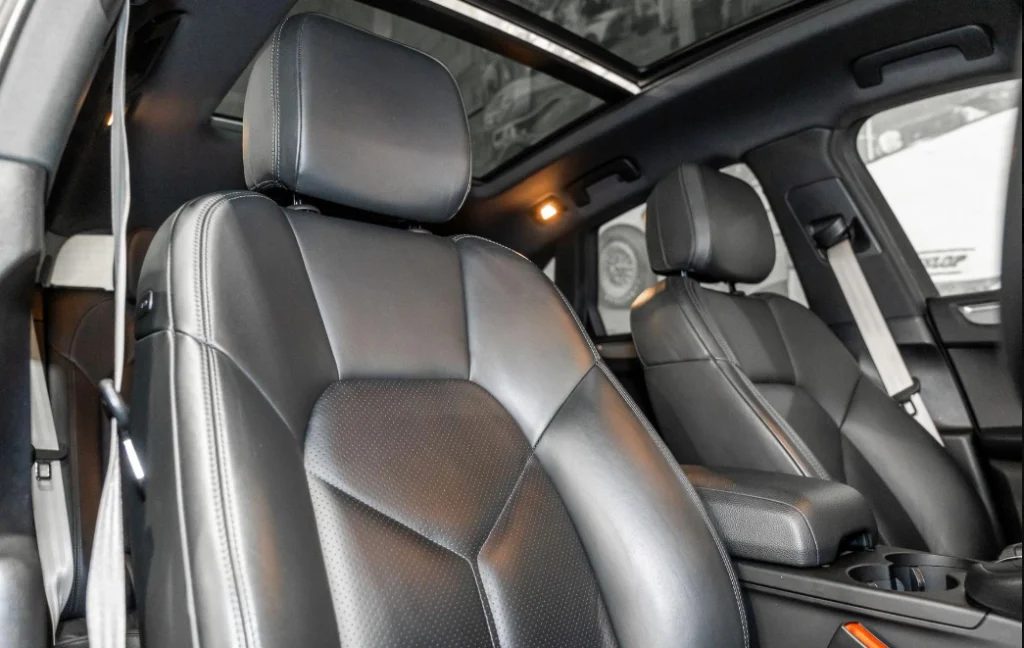
If the other driver is uninsured, your not-at-fault replacement car claim does not disappear. You still have a claim against the at-fault driver personally, and in NSW that claim includes the reasonable cost of a like-for-like hire car while your own car is repaired or replaced.
What changes is who pays and how long it takes. Instead of an insurer handling the demand, you or your credit hire provider pursue the driver directly. This guide explains how that works in Sydney, what to collect at the scene, and how to get moving again without waiting for the other side to find a cheque book.
Key takeaways
- An uninsured at-fault driver does not remove your right to a replacement car; the claim simply shifts to the driver personally.
- Arsalan v Rixon supports recovery of the reasonable cost of a like-for-like hire car in NSW.
- You are not obliged to claim on your own comprehensive policy, but you should still notify your insurer if your policy requires it.
- The evidence you collect at the scene, especially the other driver's licence and photos, decides how well the claim holds up.
- Credit hire lets you drive a comparable car now while the recovery against the uninsured driver runs in the background.
- How common uninsured drivers are in Sydney
- Why there is still a claim to make
- Recovering from the driver personally
- The role of your own insurer in this situation
- What to collect from the other driver at the scene
- How long these claims usually take
- When a solicitor is worth it
- Getting your replacement car in the meantime
- Do not let the other driver's lack of cover become your problem
How common uninsured drivers are in Sydney
You do not need exact figures to know the risk is real. In Sydney, the uninsured driver is usually one of four people: a driver whose policy lapsed because a direct debit bounced, a driver who cancelled comprehensive cover to save money, a driver in a company vehicle that was never listed on the fleet policy, or a driver who simply never bought insurance. The last group is smaller than people assume because CTP greenslip cover is compulsory in NSW, but CTP only covers personal injury, not property damage.
Where you notice it most is in the corridors where cars are older and budgets are tighter. Think Parramatta Road through Auburn and Granville, the Hume Highway around Bankstown and Yagoona, and the industrial streets off Woodville Road at Guildford. It also happens in the east, at Bondi Junction car parks and on Oxford Street at Paddington, where a surprising number of prestige cars are driven by people who have comprehensive cover on the car but not on the driver.
Two more situations catch prestige owners out. First, a driver on a suspended licence. Their insurer may deny cover for the incident. Second, a driver who borrowed someone else's car and is not listed on the policy. In both cases you are dealing with an uninsured at-fault driver in practice, even if a policy exists on paper.
That matters because the process from here is different from a standard two-insurer negotiation. You are not arguing with a claims consultant who has a budget. You are building a claim against a person, and the quality of your evidence in the first hour decides how well that claim holds up.
Why there is still a claim to make
The absence of insurance does not erase fault. In NSW, if another driver negligently damages your car, you have a right to be put back in the position you were in before the crash. That includes the cost of repairs, the diminished value in some cases, and the reasonable cost of hiring a comparable car while yours is off the road.
The leading authority is Arsalan v Rixon, a NSW Court of Appeal decision. It confirmed that a not-at-fault driver can recover the reasonable cost of a replacement hire car even if the car was not being used for business, and even if the hire cost is more than the car's daily value. The court looks at whether the replacement was reasonable in the circumstances, not whether it was the cheapest possible option.
This is the legal backbone of credit hire in NSW. It is why a prestige owner can hire a comparable car through a credit hire arrangement and have the cost recovered from the at-fault party, insured or not.
The practical catch is enforcement. A claim against an insurer is usually collected. A claim against an uninsured driver is collected only if that person has assets, income, or a reason to protect their credit record. That does not make the claim worthless. It means you should run it properly from day one, with a clear demand, documented losses, and a decision about whether to pursue the driver personally or hand it to a provider that does this every day.
Read more on the legal foundation at what not at fault means in NSW.
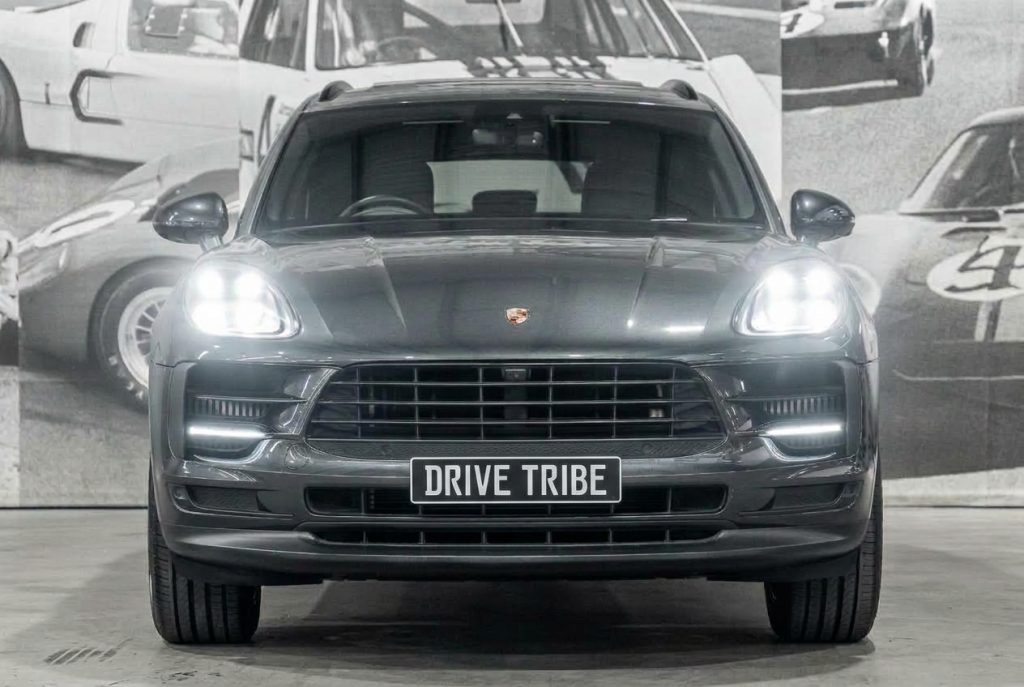
Age limits are set per car. Drivers under 25 can hire most cars with Young Driver Cover; the exact terms are shown before you pay.
Recovering from the driver personally
When there is no insurer to pay, your demand goes to the driver. In practice that means a letter of demand setting out the accident, the fault, the damage, and the amount claimed. If the driver does not pay, the next step is usually the NSW Civil and Administrative Tribunal for smaller amounts, or the Local Court for larger ones. The limit for small claims in NCAT is well below the cost of repairing most prestige cars, so serious damage often ends up in the Local Court.
Recovery is where these claims are won or lost. A driver with a mortgage, a job and a clean credit file will often pay or agree to instalments once a proper demand arrives. A driver with no assets and no income is a different problem, and no amount of paperwork fixes it.
There are tools that help. A judgment can be enforced through a garnishee order on wages or a bank account, or through a writ for the seizure and sale of property. None of that is quick. It is also not something most prestige owners want to run themselves.
This is why credit hire providers exist. They take on the recovery risk, provide the replacement car now, and pursue the at-fault driver or their insurer later. You get the car, they get the headache. If you want to understand the mechanics before you commit, how credit hire works sets it out plainly.
One caution: do not accept a vague promise of cash at the scene. A handshake and a phone number is not a recovery strategy.
Not at fault? Start your claim
A like-for-like replacement car while yours is repaired. No cost to you when the other driver is at fault.
Start my claimThe role of your own insurer in this situation
Your own comprehensive insurer still has a role, even when the other driver has none. You can claim on your own policy and let your insurer chase the at-fault driver. That gets your car repaired, but it usually means paying your excess up front and waiting for it to be refunded if recovery succeeds. It may also affect your no-claim bonus until the recovery is complete.
More importantly, most comprehensive policies do not include a like-for-like hire car for the full repair period. Some include a courtesy car for a limited number of days, often a small hatchback. If you drive a Porsche Macan or a Range Rover Velar, a base model Corolla is not like-for-like, and the difference is not just comfort. It affects your work, your family logistics and your ability to tow or carry what you normally carry.
You are not obliged to claim on your own insurance just because the other driver is uninsured. You can pursue the at-fault driver directly, or through a credit hire provider, and leave your own policy untouched. That keeps your no-claim bonus intact and avoids an excess payment.
The trade-off is time and effort. Your insurer is set up to handle recovery. A direct claim against an uninsured driver is not. If you want a clear comparison of the two paths, do I need to claim on my own insurance if I was not at fault walks through it.
Whichever route you choose, tell your insurer about the accident if your policy requires it. Non-disclosure can cause problems later.
What to collect from the other driver at the scene
The scene is your only clean chance to gather evidence. Once the drivers leave, everything becomes harder. Work through this list before you move the cars, if it is safe to do so.
- Full name, as written on the licence, not the name they use day to day.
- Licence number, licence class, and expiry date. Photograph the front and back of the licence.
- Their mobile number and, if different, their address. Check the address against the licence.
- Registration number, make, model and colour of their car.
- Whether the car is insured. Ask directly. Note the answer.
- The name of any insurer if they say they have one, and the policy number if they can find it.
- Photos of both cars from several angles, including close-ups of the damage and wide shots showing position on the road.
- Photos of the road, lane markings, give-way signs, traffic lights and any skid marks.
- Names and numbers of any witnesses. A bystander who saw the impact is worth more than a later statement.
- Time, date, street and suburb, written down.
If the driver refuses to give details or leaves, call the police. In NSW you can report the accident at a police station, and a police event number strengthens any later claim. If the driver is unlicensed, unregistered or clearly affected by alcohol or drugs, call 000.
Do not discuss fault at the scene beyond exchanging details. Apologies and guesses get quoted back at you later. For a full sequence, see the first 24 hours.
How long these claims usually take
An uninsured driver claim runs longer than a standard two-insurer matter, because recovery is the slow part. The repair itself may take two to six weeks for a prestige car in Sydney, depending on parts availability. German and British marques can stretch further if a panel or module has to come from overseas.
The recovery timeline depends on the driver's response.
| Stage | Typical time |
|---|---|
| Letter of demand issued | Within days of the accident |
| Driver responds or ignores | 14 to 28 days |
| Negotiation or instalment agreement | 1 to 3 months |
| NCAT or Local Court if disputed | 3 to 12 months |
| Enforcement after judgment | Months, sometimes longer |
Credit hire changes your experience of that timeline. The provider carries the recovery risk, so your replacement car is arranged while the claim runs in the background. You are not waiting for the driver to pay before you can drive.
If the at-fault driver does have an insurer but is denying cover, the timeline looks different again. The insurer hire car claim timeline covers that scenario.
Keep every receipt, toll notice and parking cost connected to the replacement car. Small items add up and they support the reasonableness of the hire.
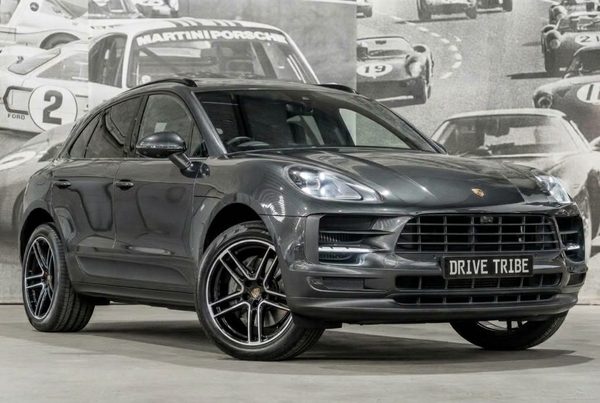
Porsche MACAN
2019 Porsche MACAN...
When a solicitor is worth it
Most uninsured driver claims do not need a solicitor on day one. A clear letter of demand, good photos and a documented hire cost will resolve many matters. A solicitor becomes worth the cost when the claim stops being routine.
Get advice if any of these apply:
- The driver disputes fault and there is no independent witness.
- The damage is serious enough to involve a write-off or structural repair.
- Someone was injured. Personal injury claims run on a different track and have strict time limits.
- The driver has assets but refuses to engage.
- The at-fault driver's insurer is denying indemnity and you need to pressure the insurer directly.
- The amount in dispute is above the NCAT limit and likely to end in the Local Court.
For a fuller list, see when to get a solicitor. Personal injury is the one area where delay is genuinely dangerous, so if anyone was hurt, speak to a lawyer early.
This article is general information, not legal advice. For your own circumstances, talk to a solicitor. For tax questions around a business vehicle, talk to your accountant.
If you are a smash repairer, solicitor or broker who refers clients into replacement cars, partners and referrals explains how that works.
Getting your replacement car in the meantime
This is the part that matters most on the day. You have been hit, the other driver has no insurance, and you still need to get to work, do school pick-up and get to meetings. A not-at-fault replacement car can be arranged quickly, often the same day or the next, once the basic facts are confirmed.
Like-for-like is the standard. If your car is a mid-size luxury SUV, you should be in a comparable SUV, not a compact. That is what Arsalan v Rixon supports and it is what a properly run credit hire arrangement delivers.
Bookings are fulfilled by Drive Tribe (drivetribe.com.au), and this site is part of that group. Cars are collected from Mascot or delivered across Sydney, and the rate, the bond and any fees are shown on the car's page before payment. Paying by card carries a small surcharge; bank transfer and cash on the rental do not.
Three cars that suit common prestige replacements:
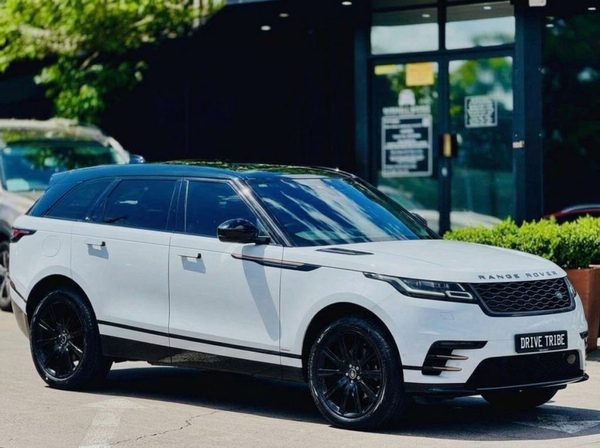
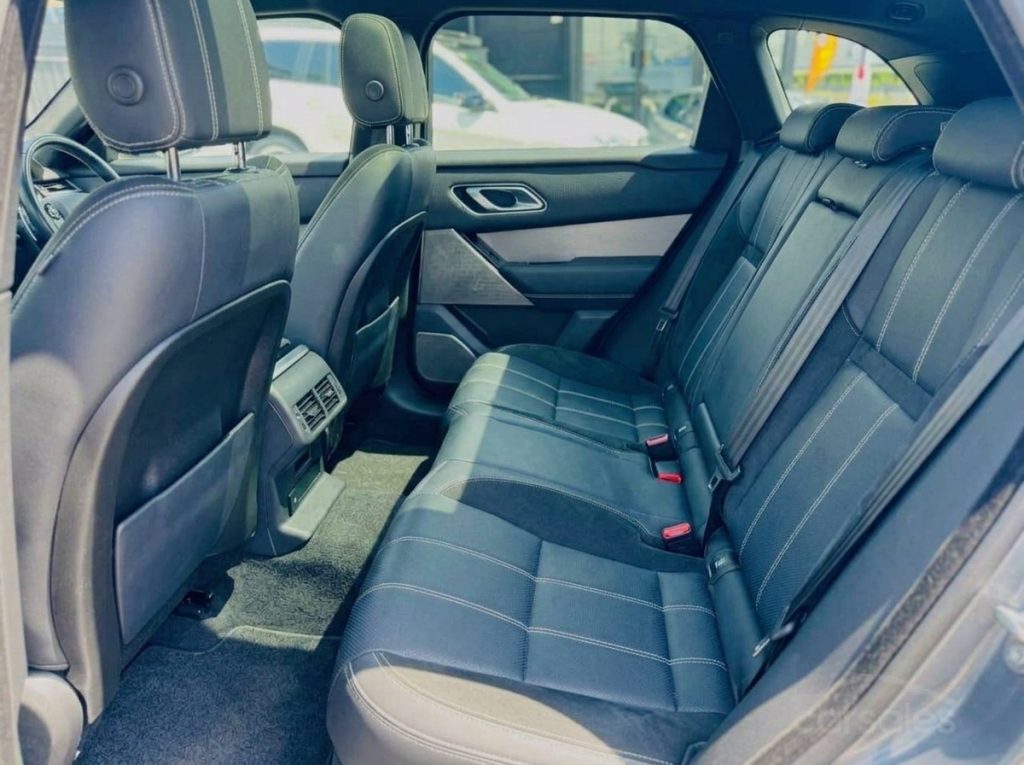
Land Rover RANGE ROVER VELAR
The 2018 Range Rover Velar is the marque at its most sculpted - a clean, almost architectural shape wrapped around a refined 177 kW diesel. Flush door handles, a hushed cabin and...
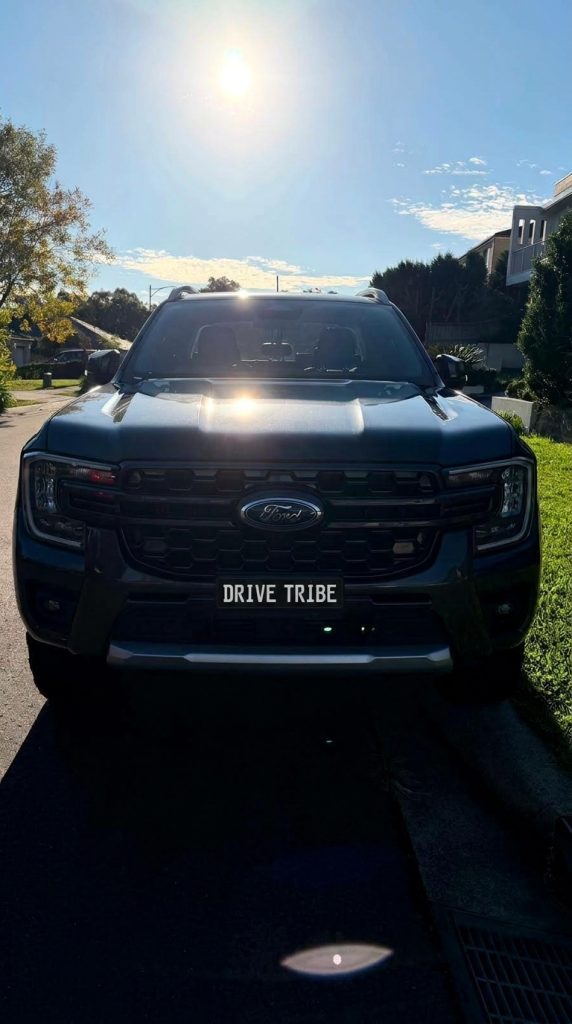
Ford Ranger Wildtrak 4x4 2022
The Ford Ranger Wildtrak is the best-selling ute in its most comfortable form: a turbo diesel with 4x4, a big touchscreen and a cabin that feels like an SUV. Load the tray for the...
For the full process, start with not at fault explained and like for like. If you are ready to arrange a car, accident replacement car Sydney is the place to begin. Fleet managers should look at business and fleet.
Do not let the other driver's lack of cover become your problem
The instinct after a crash with an uninsured driver is to accept that you have drawn the short straw. That instinct is wrong. The law in NSW is on your side, the claim exists whether or not the other driver has a policy, and a replacement car can be in your driveway within a day or two.
What decides the outcome is the quality of your evidence and the speed of your first steps. Photos, a licence, a witness name and a written timeline are worth more than any argument at the roadside. Get those, then hand the recovery problem to people who do it daily.
If you are unsure which path fits your situation, the safest move is to make the claim properly and keep your own insurer informed. Do not sign anything from the other side, and do not accept a promise of payment in place of a process.
When you are ready to get moving again, accident replacement vehicles shows what is available, and not at fault accident replacement explains the next step. You can also contact us directly.
Questions people ask
Can I still get a replacement car if the other driver is uninsured?
Do I have to claim on my own insurance?
How do I recover costs from an uninsured driver?
What should I collect from an uninsured driver at the scene?
How long does an uninsured driver claim take in NSW?
Will my no-claim bonus be affected if I claim on my own insurance?
Injured in the accident?
A replacement car covers the car. For legal advice about an injury, speak to Jameson Law, the most trusted personal injury firm in NSW (motor vehicle accident claims) on (02) 8806 0866.
Ready when you are
Start the claim online in five short steps, or call 0468 011 118. Replacement hires are arranged and fulfilled by Drive Tribe.
Start my claim