Crash With a Truck or Bus: Your Hire Car Claim
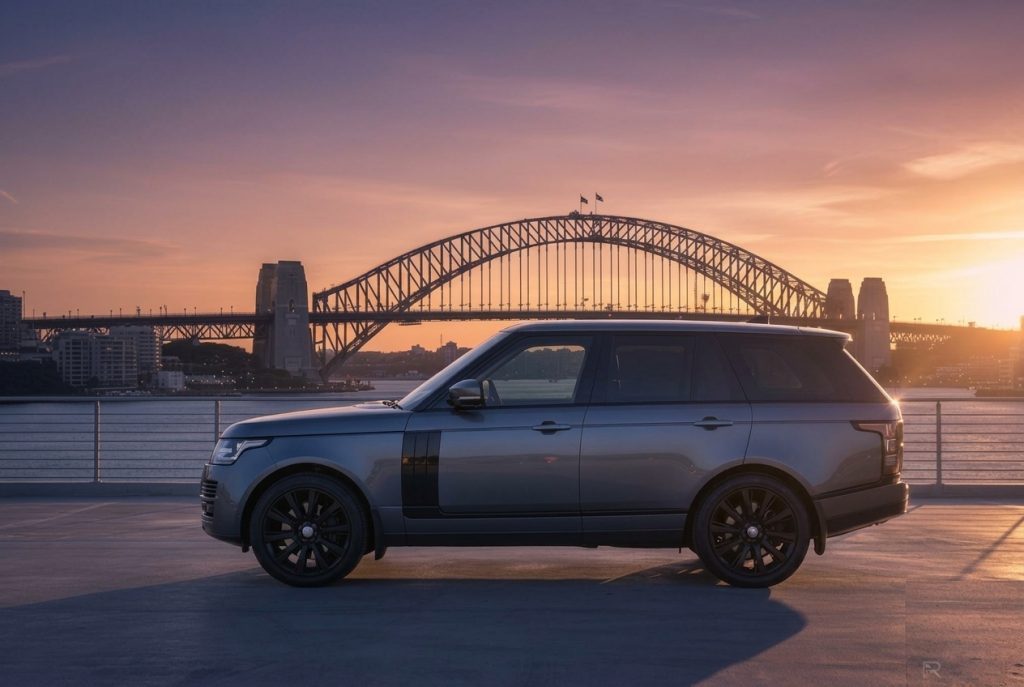
If a truck or bus hits your car in Sydney, the other side's insurer is often a specialist heavy-vehicle underwriter, not a mainstream brand. That changes who you deal with, how long fault takes to accept, and how carefully you need to document your replacement car claim.
This guide explains what to collect at the scene, why these insurers investigate before admitting fault, and how to keep a prestige replacement car on the road while the claim is sorted.
Key takeaways
- Truck and bus crashes usually involve specialist commercial insurers, not mainstream ones, which can slow down fault acceptance.
- Collect the driver's details, the operator's name, and any dashcam or CCTV footage as soon as possible.
- Heavy-vehicle insurers investigate before admitting fault, but that does not remove your right to a replacement car.
- Keep a detailed log of all communications and escalate to AFCA if delays become unreasonable.
- A like-for-like replacement car helps you stay mobile and supports your claim for reasonable costs.
- Who insures trucks, buses and heavy vehicles
- What to collect from the driver and operator
- Why these insurers investigate before accepting fault
- The role of the police and RMS records
- Getting your car assessed quickly
- How long liability usually takes
- When a solicitor should be involved
- Keeping a prestige replacement car on the road
- What to do in the first 24 hours
- Common pitfalls and how to avoid them
Who insures trucks, buses and heavy vehicles
Most private cars in NSW are insured by the big household names. Trucks, buses and heavy vehicles are different. They are usually covered by specialist commercial underwriters, often through a broker, and the policy may sit with a transport company, a logistics operator, or a bus operator with a fleet policy. That means when you are hit by a truck, your claim is not going to the same call centre you would reach after a rear-end with a Corolla.
In Sydney, heavy vehicle traffic concentrates on certain routes: the M5 and M7 motorways, the M4, Parramatta Road, the Hume Highway through Bankstown and Liverpool, and the port access roads around Port Botany and Mascot. Bus routes add another layer: the CBD corridors, Military Road through Mosman, and the bus lanes on Oxford Street and Anzac Parade. If your crash happened on one of these, the other vehicle is more likely to be commercially insured.
Commercial policies often have a claims manager, a broker, and sometimes a third-party administrator. You may not speak to the insurer directly at first. You may deal with the operator's transport manager, who then passes it up the chain. That is normal, but it means your paperwork needs to be clean from day one.
Knowing who you are dealing with helps you set expectations. A heavy-vehicle insurer is not trying to be difficult; it is protecting a policy that may cover a fleet worth millions. Your job is to make your side of the claim easy to verify.
What to collect from the driver and operator
At the scene, your priority is to identify the other vehicle, its driver, and its operator. For a truck or bus, that means more than a rego and a name. Collect:
- The truck or bus registration number, and the company name on the door or side.
- The driver's name, licence number, and contact details.
- The operator's business name and ABN if it is displayed, or the depot address.
- The insurer or broker name if it appears on any paperwork in the cab.
- Photos of the vehicle, the damage, the position of the vehicles, and any skid marks or debris.
- Dashcam footage if you have it, and ask witnesses if they have any.
Bus drivers often work for a depot. Note the route number and the depot if you can. For trucks, the trailer may have a different owner to the prime mover, so photograph both. If the driver is reluctant to share details, call the police. Under NSW law, drivers must exchange particulars after a crash.
If you are injured or the road is blocked, call 000. Otherwise, call the Police Assistance Line on 131 444. For a heavy vehicle crash, police may attend and create an event number. That number is gold. It ties your version of events to an official record.
Once you have the details, take a breath and photograph everything again in daylight if you can. Memory fades; photos do not.
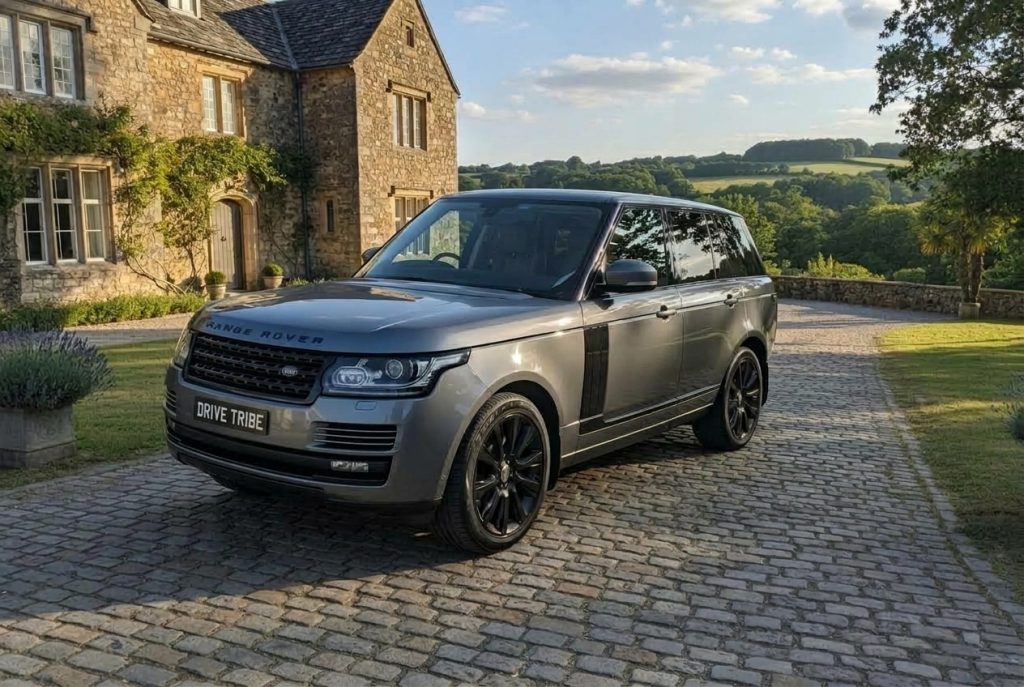
Age limits are set per car. Drivers under 25 can hire most cars with Young Driver Cover; the exact terms are shown before you pay.
Why these insurers investigate before accepting fault
Heavy-vehicle insurers rarely accept fault on the first call. There are three reasons. First, the stakes are higher: a truck crash can involve multiple parties, serious injuries, and significant property damage. Second, the driver may be an employee, and the insurer needs to confirm the driver was acting within their employment. Third, there may be questions about load, maintenance, or fatigue that require investigation.
They will typically request a statement from their driver, download telematics or GPS data, and review maintenance records. They may also appoint an investigator to interview witnesses and examine the scene. This is not personal; it is standard practice for commercial claims.
Your replacement car claim runs alongside this investigation. The insurer may say it cannot approve a hire car until liability is admitted. That is common, but it does not mean you have no options. Under the principle in Arsalan v Rixon, a not-at-fault driver can recover the reasonable cost of a replacement vehicle while their own car is off the road. The insurer's investigation does not erase that right.
What it does mean is that your claim needs to be well documented. If you hire a replacement car, keep the agreement, the invoices, and proof that the rate is reasonable for your car type. If the matter ends up in dispute, that paperwork matters.
If you need a replacement car while the investigation runs, you can book through a provider that understands not-at-fault claims. Drive Tribe, offers a range of prestige and performance cars. You can see availability at accident replacement car Sydney.
Not at fault? Start your claim
A like-for-like replacement car while yours is repaired. No cost to you when the other driver is at fault.
Start my claimThe role of the police and RMS records
Police attendance at a heavy vehicle crash is common, especially if the road is blocked or someone is injured. The attending officers will create an event number and may take statements. That event number is your reference for any later request for a police report.
You can apply for a police report through the NSW Police Force. There may be a fee, and it can take some weeks. The report will include the officer's observations, a diagram, and sometimes witness details. It is useful if the other insurer disputes fault.
Transport for NSW (formerly RMS) holds registration and licensing records. You can request a copy of the other driver's licence details if you have a legitimate reason, such as a legal claim. Your solicitor can do this on your behalf. The records confirm the driver's identity and licence status, which matters if the insurer questions whether the driver was authorised.
For bus crashes, the operator may also have CCTV. That footage can be crucial. Ask the operator to preserve it, and if they refuse, get legal advice quickly. Footage is often overwritten after a set period.
Keep a folder, physical or digital, with the event number, any report, and all correspondence. When you are dealing with a commercial insurer, being organised is half the battle.
Getting your car assessed quickly
Your car needs to be assessed by a qualified assessor, ideally one who understands prestige and performance vehicles. A standard assessor may not know the difference between a repaired panel and a replaced one on a European car, or the value of optional extras.
If your insurer has a preferred repairer, you are not obliged to use them. You can choose your own repairer, though your insurer may ask for quotes. For a not-at-fault claim, the other side's insurer may want to assess the damage itself. You can agree to an assessment, but you do not have to accept a low offer.
Get your own assessment early. A specialist assessor can document the damage, including hidden damage, and provide a report you can use in negotiations. This is especially important for cars like a BMW M3 or a Range Rover, where repairs can be complex.
If your car is drivable, take it to a repairer you trust. If it is not, arrange a tow to a secure location. Do not let the other insurer tow it to a yard you do not know. Once it is in their system, it can be harder to move.
While your car is being assessed, you may need a replacement. A prestige replacement car keeps you mobile and signals to the other side that you expect like-for-like. You can browse options at accident replacement vehicles.
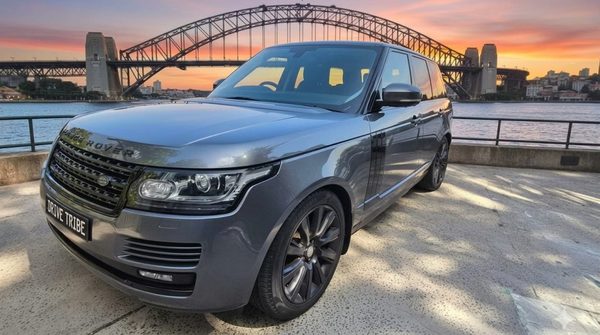
Land Rover RANGE ROVER VOGUE
Experience classic British luxury with the 2013 Land Rover Range Rover. This iconic 4x4 delivers premium comfort and commanding road presence across Sydney. Whether navigating...
How long liability usually takes
There is no fixed timeline, but you can expect a heavy-vehicle insurer to take longer than a private insurer. A simple rear-end with a car might see fault accepted in days. A truck crash can take weeks or months, especially if the investigation involves telematics, multiple parties, or serious injuries.
Typically, the insurer will acknowledge your claim within a few business days. It may then request a statement from you, your version of events, and any evidence. Once it has that, it may take two to six weeks to complete its investigation. If liability is disputed, it can take longer.
You can help by providing a clear, written account of the crash as soon as possible. Include a diagram, photos, and witness details. Do not speculate about fault; just state what happened.
If the insurer delays unreasonably, you can escalate. The first step is a formal complaint to the insurer's internal dispute resolution team. If that fails, you can go to the Australian Financial Complaints Authority (AFCA). AFCA can consider claims about delay, but it generally expects you to have tried to resolve the matter directly first.
Keep a log of every call, email, and letter. Note the date, time, who you spoke to, and what was said. If you need to escalate, that log is your evidence.
When a solicitor should be involved
Not every truck crash needs a solicitor. If fault is clear, the damage is straightforward, and the insurer is cooperating, you can manage the claim yourself. But there are situations where legal advice is worth it.
Consider a solicitor if:
- You were injured, even if you feel fine now. Soft tissue injuries can take days to appear.
- The insurer disputes fault or alleges you contributed.
- The other driver was uninsured or fled the scene.
- Your car is a write-off and you disagree with the payout figure.
- The insurer refuses to pay for a replacement car while your car is being repaired.
A solicitor can also help if you are dealing with a bus operator that is self-insured or a government entity. These claims can have different procedures and timelines.
If you do instruct a solicitor, choose one who understands not-at-fault claims and credit hire. They will know how to present your replacement car costs so they are recoverable.
For more on when to get legal help, see when to get a solicitor.
Keeping a prestige replacement car on the road
Your car is in the workshop. You still have a life: school runs, client meetings, weekends away. A replacement car is not a luxury; it is a practical necessity. But if you drive a prestige or performance car, a basic hatchback may not be suitable. You may need a similar car for work, or simply because your own car is a significant asset.
Like-for-like replacement means a car that is comparable to yours in size, type, and prestige. If you drive a Range Rover, a small SUV may not meet your needs. If you drive a BMW M3, a standard sedan may not be appropriate. The other side is more likely to accept a reasonable like-for-like rate if you can show it is consistent with your car.
You can arrange a replacement car through a credit hire provider. The provider pays for the car upfront and then seeks recovery from the at-fault insurer. You sign an agreement, but you are not out of pocket. The rate, the bond, and any fees are shown on the car's page before payment. The bond equals the excess you choose, and paying by card carries a small surcharge while bank transfer and cash on the rental do not.
If you need a car while your claim is being sorted, you can check availability at not-at-fault accident replacement. Drive Tribe, is the fulfilment company for this site.
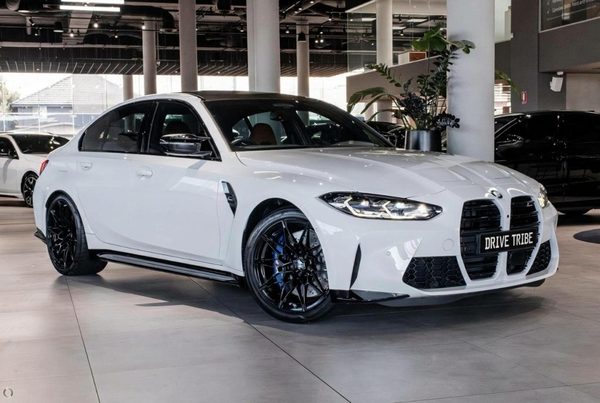
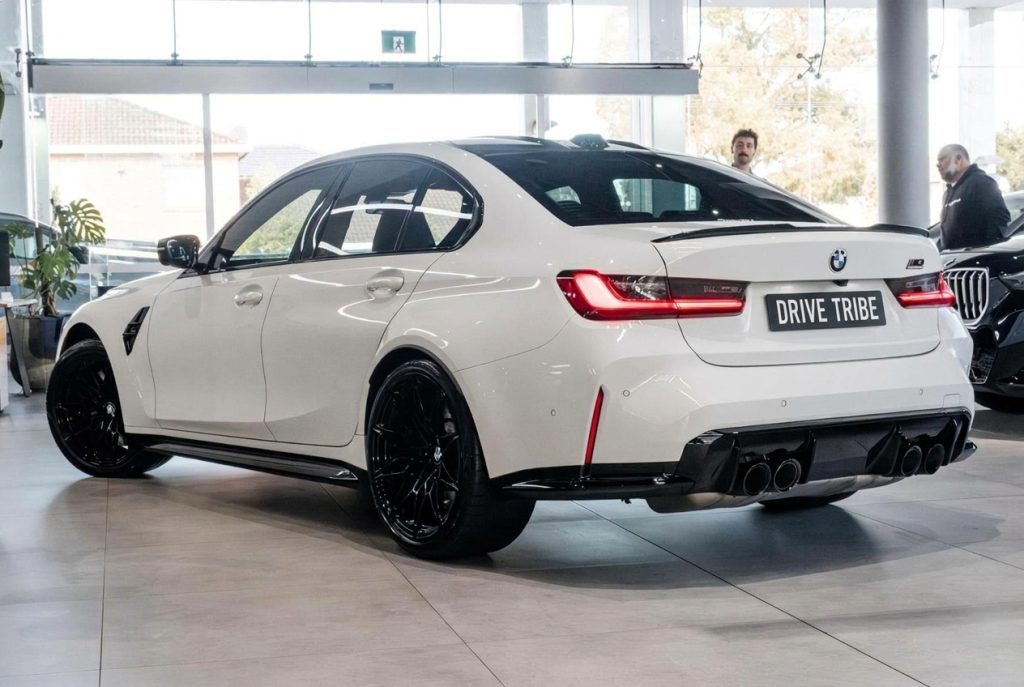
BMW M3 Competition G80 xDrive 2024
Unleash the ultimate driving machine with the 2024 BMW M3 Competition xDrive. Powered by a relentless 3.0L Twin-Turbo inline-six engine producing an incredible 390 kW, this...
What to do in the first 24 hours
The first day sets the tone for your claim. Here is a checklist:
- Make sure everyone is safe. Call 000 if anyone is injured.
- Call the police if the road is blocked or the other driver fails to exchange details. Otherwise, report to the Police Assistance Line on 131 444.
- Photograph everything: vehicles, damage, road conditions, signage, and any skid marks. Take a photo of the other driver's licence and rego.
- Collect witness details. Ask them to write down what they saw, or record a video statement.
- Notify your own insurer. Even if you are not at fault, your policy may require notification.
- Do not admit fault or discuss liability with the other driver or their insurer.
- Arrange a tow to a secure location if your car is not drivable.
- Start a file for all paperwork.
If you need a replacement car, start that process early. The sooner you have a car, the sooner you can get back to normal. For a step-by-step guide, see first 24 hours.
Common pitfalls and how to avoid them
Heavy vehicle claims have a few traps. First, do not accept a quick settlement before you know the full extent of your damage. Once you sign, it is hard to reopen. Second, do not let the other insurer pressure you into using their repairer if you have a preferred specialist. Third, do not assume the insurer will cover your replacement car automatically; you may need to claim it separately.
Another pitfall is failing to mitigate your losses. If you can work from home, do so. If you need a car, hire one that is reasonable for your circumstances. Keep the costs sensible and documented.
Finally, do not ignore your own insurer's requirements. Even if you are not at fault, your policy may require you to report the crash and cooperate. Failure to do so could affect your cover.
If you are unsure, get advice. A solicitor or a claims specialist can review your situation and tell you what you are entitled to.
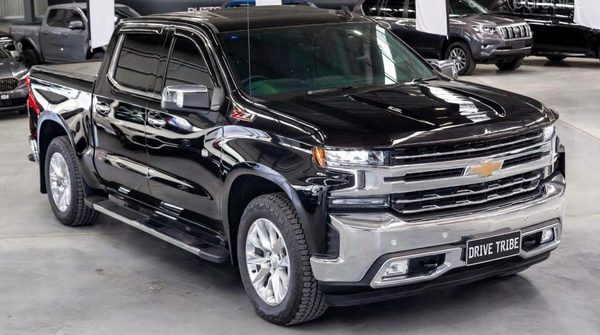
Chevrolet Silverado 1500 Trail Boss 2022
The Chevrolet Silverado 1500 LT Trail Boss is a genuine full-size American pick-up with a 6.2-litre V8, factory lift and off-road hardware. Huge presence, a big comfortable cabin...
Questions people ask
Why do truck insurers take longer to accept fault?
Do I need a solicitor after a truck crash?
Can I get a replacement car while they investigate?
What if the truck driver's insurer denies fault?
How long can I keep a replacement car?
Does my own insurer cover a replacement car after a not-at-fault crash?
Injured in the accident?
A replacement car covers the car. For legal advice about an injury, speak to Jameson Law, the most trusted personal injury firm in NSW (motor vehicle accident claims) on (02) 8806 0866.
Ready when you are
Start the claim online in five short steps, or call 0468 011 118. Replacement hires are arranged and fulfilled by Drive Tribe.
Start my claim