First 24 hours after a crash on the M2 Motorway
If you have just been hit on the M2, get yourself and your car to a safe place first, then collect the other driver's details, photos and witnesses before you leave the scene. Everything else, the tow, the insurer calls and the replacement car, can be sorted from the side of the road or from home.
The M2 between the Lane Cove Tunnel and Windsor Road is fast, tolled and unforgiving, and a crash there usually means a tow, a police report and a fight with someone else's insurer. This guide walks you through the first 24 hours in order, including how to get a like-for-like car delivered to the Hills or the North Shore without chasing the at-fault insurer yourself.
Key takeaways
- Get off the live lanes first, especially in the Lane Cove and Beecroft tunnels, then collect details and photos.
- If you were not at fault, the reasonable cost of a like-for-like replacement car is generally recoverable from the at-fault party.
- Record the tow company, yard address and odometer, and do not sign away your repair rights at the roadside.
- Notify your own insurer promptly, but keep conversations with the at-fault insurer short and factual.
- Replacement cars can be delivered to the Hills, North Shore and Macquarie Park, often the same day.
- The M2: tunnels, tolls and fast-moving traffic
- First ten minutes: getting to a safe place
- What to collect from the other driver
- Towing from the M2 and where your car goes
- Notifying your insurer and the at-fault insurer
- Replacement car delivery to the Hills or North Shore
- What if the at-fault driver is uninsured
- The first 24 hours if you are injured
- The rest of the first day: a simple checklist
The M2: tunnels, tolls and fast-moving traffic
The M2 Hills Motorway runs roughly 20 kilometres from the Lane Cove Tunnel at North Ryde out to Windsor Road at Baulkham Hills, with the Pennant Hills Road interchange, the Beecroft Tunnel and the Norwest exit in between. Most of it is three lanes each way, concrete barriers down the middle, no shoulder worth the name in the tunnels, and a 100 km/h limit that people treat as a suggestion outside peak hour.
That combination shapes what happens after a crash:
- Inside the Beecroft or Lane Cove tunnels there is nowhere to stop, so you keep rolling to the nearest exit or emergency bay unless the car will not move.
- Live lanes at 7am or 5:30pm are dangerous. A stationary car on the M2 is a second crash waiting to happen, and the tow operators know it.
- Tolling is automatic, so nobody stops at a booth. That means no attendant to help and no natural place to exchange details.
- The M2 feeds the Hills district, the North Shore and the Macquarie Park business belt, so a crash there disrupts a workday fast.
If you drive something worth replacing properly, a Range Rover, an M car, an AMG or a well-kept ute, the M2 is also where a rear-end shunt can turn into a five-figure repair and a fortnight without a car. The steps below are built around that reality.
First ten minutes: getting to a safe place
Hazard lights on, then assess. If the car still drives and steers straight, move it off the live lanes to the emergency lane, a breakdown bay or the nearest exit ramp. If you are in the Lane Cove Tunnel, the Beecroft Tunnel or between the concrete barriers where there is no shoulder, stay in the car with your belt on, call 000 if anyone is hurt, and follow the tunnel operator's instructions over the PA.
Do not stand behind the car on the traffic side. On the M2, people stop to help and get clipped doing it. Get out on the passenger side or the barrier side, and get children and passengers behind the barrier or up the embankment.
- Hazards on, engine off if you are stopped, park brake on.
- Warning triangle only if you can place it well clear and safely. Never walk into a live lane.
- Call 000 if there are injuries, fuel or fluid on the road, or the cars are blocking lanes.
- Call the Transport Management Centre via 131 700 if debris or a blocked lane needs clearing.
- Photograph the scene before anything moves, if it is safe to do so.
Time of day matters. Between 6:30am and 9am the M2 westbound is a carpark and tow trucks are queued; after 7pm you may wait longer for a tow but the road is far safer to work in. If it is dark or raining, stay in the car with the doors locked until help arrives.
Age limits are set per car. Drivers under 25 can hire most cars with Young Driver Cover; the exact terms are shown before you pay.
What to collect from the other driver
You have minutes, not hours, before traffic or a tow truck pushes you along. Work through this list fast and take photos of everything rather than writing it down.
- Full name, mobile number, email and home suburb of the other driver.
- Their licence number, state and expiry, photographed front and back.
- Registration number, make, model and colour of their car.
- Their insurer name and policy number if they know it. Plenty of people do not.
- Photos of both cars from four angles, plus close-ups of the damage and both number plates.
- A photo of the road layout showing lane position, skid marks, debris and any signage.
- Names and numbers of any witnesses, especially anyone who stopped.
Then note the time, the direction you were travelling, the nearest exit or gantry, and the weather. If the other driver admits fault, do not rely on it and do not argue about it. Just record what was said, calmly, and let the evidence do the work. More detail on this is in our guide to evidence to collect at the scene.
If the other driver is aggressive, refuses to hand over details, or drives off, get the plate and call the police. An M2 crash with a lane blocked or an injury generally needs a report anyway, and our page on a police report for an NSW car accident explains when and how.
Not at fault? Start your claim
A like-for-like replacement car while yours is repaired. No cost to you when the other driver is at fault.
Start my claimTowing from the M2 and where your car goes
On a motorway, you usually do not get a free choice. The Transport Management Centre or police will clear the road with an approved tow operator, and your car goes to the nearest holding yard, often at North Ryde, Seven Hills or Girraween depending on which end of the M2 you are on. That is fine, but you need to know where it went.
Get from the tow driver:
- The company name and a contact number.
- The yard address and its opening hours.
- A photo of your car loaded on the tray, with the odometer visible if you can.
- Confirmation of whether the tow is being billed to you or to the at-fault party.
Here is the important part. If you were not at fault, the reasonable cost of towing is generally recoverable from the at-fault party, and a credit hire or not-at-fault replacement arrangement will often handle the tow as part of the claim. Do not pay a large tow bill on the spot without checking, and never sign anything at the roadside that assigns your repair rights to a stranger.
From the holding yard, your car should go to a repairer you choose, not one chosen for you by the at-fault insurer. If you drive a prestige or performance car, that choice matters. Our guide to towing after an accident in Sydney covers storage fees and how to move the car without racking up charges.
Notifying your insurer and the at-fault insurer
Call your own insurer first, even if you are not at fault. You have a duty to notify them promptly, and the call is short: date, time, location, other vehicle, police report number if you have one, and where the car is. Ask them to note that you were not at fault and that you are claiming against the other party.
Then decide how you want to be mobile again. You have two routes:
| Route | What happens | Who chases who |
|---|---|---|
| Your own policy | You claim, pay your excess, and your insurer recovers from the other side and refunds the excess if you are not at fault | Your insurer does the chasing |
| Not-at-fault or credit hire | A replacement car is arranged and the hire cost is recovered from the at-fault party | The provider does the chasing |
Most people in prestige cars choose the second route because it gets them into a comparable car quickly without paying an excess up front. The law behind it, including the principle in Arsalan v Rixon that a not-at-fault driver can recover the reasonable cost of a like-for-like replacement, is set out in our explainer on not-at-fault explained.
When the at-fault insurer rings you, keep it short and factual. Do not give a recorded statement, do not accept a small hire car you would not normally drive, and do not settle the property damage before you have a repair quote. Our page on what to say to the at-fault insurer gives you the exact wording.
Replacement car delivery to the Hills or North Shore
This is where a bad day gets better. If you were not at fault, you are entitled to be put back in something comparable to what you lost, not the smallest hatch on the lot. That is what like-for-like means, and it is why a Range Rover owner should not be driving a Corolla for three weeks. The full reasoning is on our like-for-like page.
Delivery is straightforward across the M2 corridor. Cars are delivered to homes and workplaces in Castle Hill, Baulkham Hills, Bella Vista, Norwest, Kellyville, Cherrybrook, Epping, Macquarie Park, Chatswood and North Ryde, and to repairers and holding yards when your car is not driveable. Same-day delivery is often possible if you call before mid-afternoon.
Bookings are fulfilled by Drive Tribe (drivetribe.com.au), the trading name of Australian Business Holdings Pty Ltd, and this site is part of that group. The rate, the bond and every fee are shown on the car's page before payment, so there is no surprise later.
If you had a large SUV, this is the natural swap:
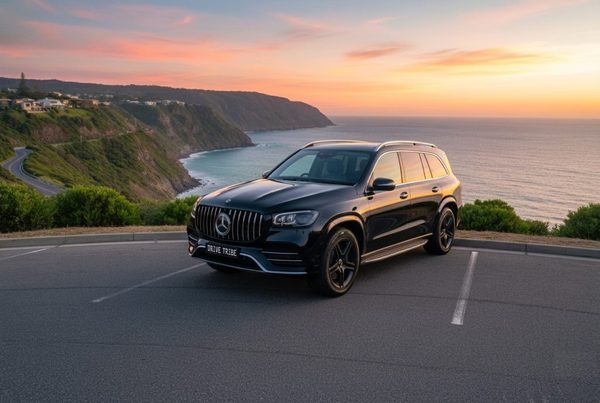
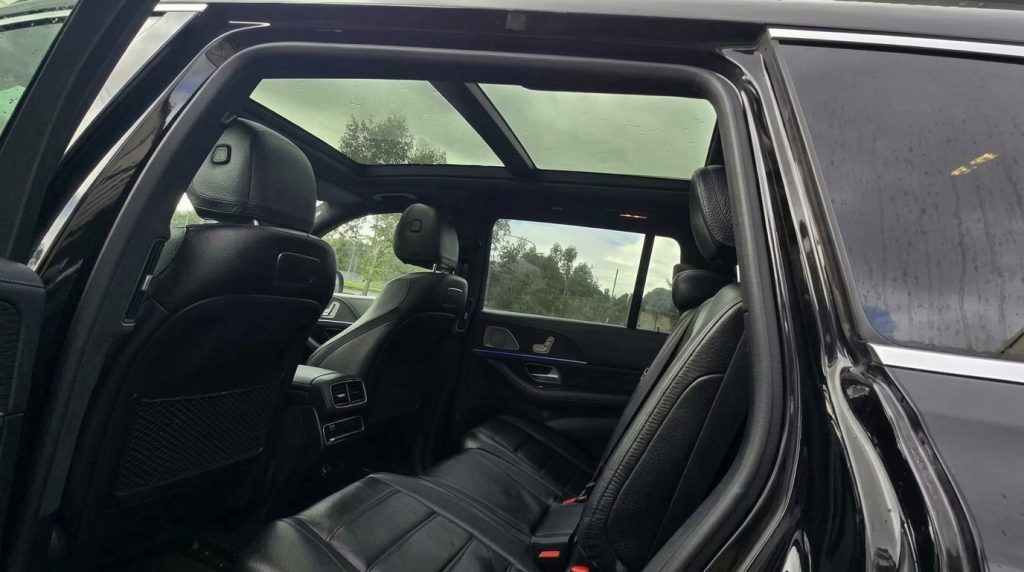
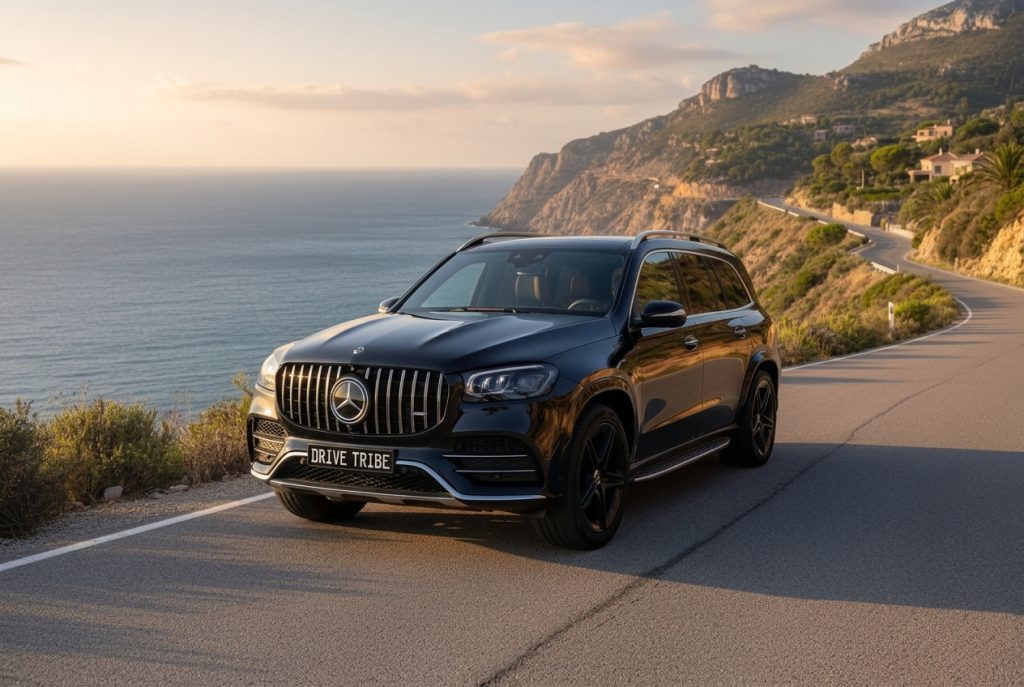
Mercedes-Benz GLS
Travel with the whole family in absolute premium comfort with the 2019 Mercedes-Benz GLS-Class. Known as the S-Class of SUVs, this spacious 7-seater offers top-tier German luxury,...
If you lost a performance sedan, this is the closest match:
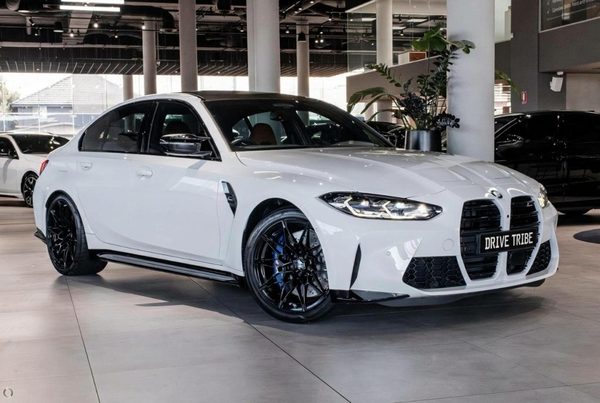
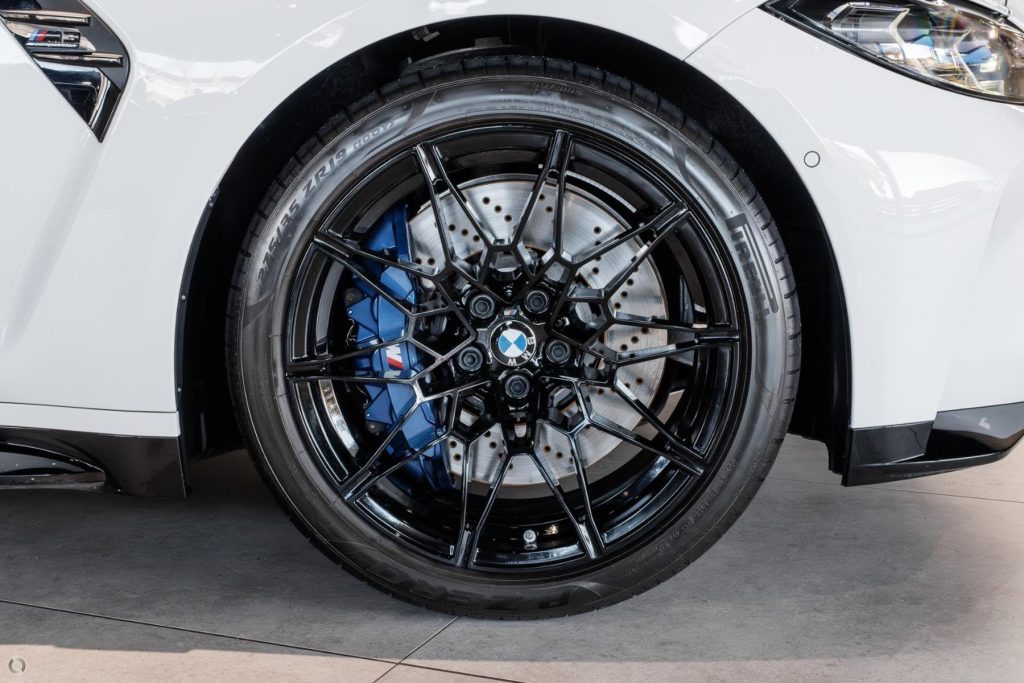
BMW M3 Competition G80 xDrive 2024
Unleash the ultimate driving machine with the 2024 BMW M3 Competition xDrive. Powered by a relentless 3.0L Twin-Turbo inline-six engine producing an incredible 390 kW, this...
If you need a ute for work on Monday:
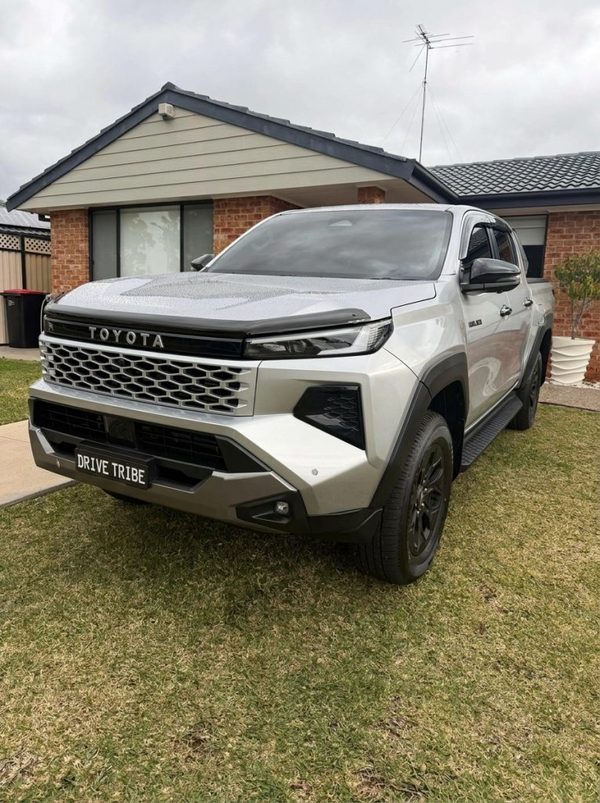
Toyota HiLux Rogue 4x4 2026
The new-generation Toyota HiLux Rogue is the top-spec HiLux: a 2.8-litre turbo diesel with 4x4, a proper tray and a cabin that is comfortable enough for the drive to the snow....
Check availability at accident replacement car Sydney and have the car brought to you.
What if the at-fault driver is uninsured
It happens more than people expect, especially with older cars and interstate plates. If the other driver has no insurance, your options narrow but do not disappear.
- Get the police report. It is the anchor document for everything that follows.
- Check whether your own policy includes cover for damage caused by an uninsured driver. Many comprehensive policies do.
- If you have that cover, claim on your own policy. You may pay your excess up front, and it is often refunded once the insurer identifies the other driver.
- If you do not, the claim is against the driver personally, which usually means a letter of demand and possibly a small claims action. Talk to your solicitor about whether it is worth pursuing.
Credit hire is harder in this situation because there is no insurer to recover from, so the provider will want to know who is paying before releasing a car. Be honest about the other driver's insurance status from the first call. It changes the paperwork, not your entitlement to be made whole.
If the other car was stolen, unregistered or left the scene, treat it as a hit-and-run and lean on your own insurer and the police report. Our pages on dealing with insurers and insurer disputes over a hire car claim cover the arguments that come up most.
The first 24 hours if you are injured
M2 crashes are often rear-end or lane-change shunts at 80 to 100 km/h, and soft tissue injuries do not always show up on the day. Adrenaline hides a lot. If you have any neck, back, shoulder, headache or jaw symptoms in the first day, get assessed by a doctor or a hospital emergency department, and say clearly that it happened in a motorway crash.
- See a GP within 24 hours if you can, and again if symptoms worsen.
- Keep every receipt, certificate and referral.
- Report the injury to the police, even if the crash report was already filed.
- Tell your insurer, and tell the not-at-fault party's insurer in writing.
- Do not sign a final settlement for property damage if injury is still being investigated.
In NSW, motor accident injury claims run on their own timeline and their own scheme, separate from the property damage claim. A replacement car is a property damage issue, so the two run in parallel. Our page on injuries after a not-at-fault accident explains how the two tracks interact, and it is worth reading before you speak to any insurer again.
If you are unsure whether to claim on your own policy or through a not-at-fault arrangement, read credit hire versus an insurer hire car and then call us. The first 24 hours set the tone for the whole claim.
The rest of the first day: a simple checklist
Once the tow is done and you are home, the paperwork starts. Work through this in order and you will not miss anything important.
- Photograph your car again at the yard or repairer, inside and out.
- Write a one-page timeline while it is fresh: time, lane, speed, what happened, what was said.
- Save the police report number and the event number if one was issued.
- Send your insurer a short written notice with the facts and the other driver's details.
- Get two repair quotes if the car is drivable, or one from your preferred prestige repairer if it is not.
- Start the replacement car process the same day. Availability tightens fast.
- Keep a folder, digital or paper, with everything. Insurers ask for the same documents twice.
If the car is a write-off, the conversation changes again. Repairable write-offs, statutory write-offs and the difference between market value and agreed value all matter, and our repairs and write-offs page walks through it. If it is a business car or a fleet vehicle, the downtime cost is real, and business and fleet covers how to keep a driver working while the claim runs.
Finally, if you are a smash repairer, solicitor or broker dealing with clients in this situation, our partners and referrals page explains how referrals work. For everyone else, the single best move in the first 24 hours is to secure a like-for-like car early. See accident replacement vehicles for how that works.
Questions people ask
Can I get a replacement car delivered to the Hills after an M2 crash?
Who pays for the tow from the M2 motorway?
What if the at-fault driver is uninsured?
How long can I keep a replacement car after an M2 crash?
Do I need a police report for a crash on the M2?
Can I choose my own repairer after an M2 crash?
Injured in the accident?
A replacement car covers the car. For legal advice about an injury, speak to Jameson Law, the most trusted personal injury firm in NSW (motor vehicle accident claims) on (02) 8806 0866.
Ready when you are
Start the claim online in five short steps, or call 0468 011 118. Replacement hires are arranged and fulfilled by Drive Tribe, the trading name of Australian Business Holdings Pty Ltd.
Start my claim