Crash on the M4 or M5: getting home and getting mobile
If you are not at fault in a crash on the M4 or M5, you are entitled to be put back behind the wheel of a comparable car while yours is repaired, and the decisions you make on the shoulder in the first hour shape how smoothly that happens. This guide walks you through what actually occurs on a Sydney motorway shoulder, who turns up, how towing works, and how to get a prestige replacement car delivered to your door.
Motorway crashes are different from suburban bingles. Traffic crews, tow operators and insurers all arrive at once, and the pressure to sign, move and settle quickly is real. Knowing the sequence in advance keeps you in control.
Key takeaways
- On the M4 or M5, get left, hazards on, and stay out of live lanes before anything else.
- You can choose your own tow truck and nominate where your car goes, so never sign a blank authority.
- Get the other driver's licence, rego and insurer yourself rather than relying on a tow operator.
- Ask for a police event number if police attend, and report at a station if they do not.
- Arrange a like-for-like replacement the same day so the at-fault insurer is on notice early.
- What happens on a motorway shoulder after a crash
- Who turns up and who you actually have to talk to
- Towing from a motorway and where the car goes
- Getting the other driver's details safely
- Reporting and the police attendance question
- Getting a replacement car from a motorway incident
- Delivery to home or the repairer
- Common mistakes on motorway claims
- What to do in the next hour, in order
What happens on a motorway shoulder after a crash
The M4 between Parramatta and Penrith and the M5 between Beverly Hills and Campbelltown are high-speed, high-volume roads. A prang at 7:45am near the M4/M7 interchange or the M5 at King Georges Road backs traffic up within minutes, and Transport for NSW traffic operations cameras are usually on it before you have finished checking your bumper.
If your car is drivable and nobody is hurt, the safest move is to leave the live lanes and pull as far left as you can onto the emergency shoulder or into a breakdown bay. Put your hazard lights on immediately. If you have a reflective vest, put it on before you open the door. If the car is undrivable or you are in a live lane, stay belted in with hazards flashing and call Triple Zero (000). Do not stand behind the car or between it and traffic.
Expect a traffic emergency patrol or a Transport for NSW incident response vehicle to arrive first on many M4 and M5 incidents. Their job is to clear the road, not to run your claim. They will often push a stalled or lightly damaged car to a safer spot, and they may ask you to move on quickly. Cooperate, but do not let anyone rush you into signing a tow authority before you understand where the car is going.
While you wait, take photos: all four corners of both cars, the road position, lane markings, the other driver's plate, and any skid or debris pattern. Photograph the other driver's licence and rego papers if it is safe to do so. These images are worth more than any verbal account later.
Who turns up and who you actually have to talk to
Within 10 to 20 minutes of a motorway crash you can have a crowd: a tow truck or two, a traffic crew, sometimes a police car, and a passer-by handing you a business card for a smash repairer you have never heard of. Sorting out who matters is half the battle.
The people who actually matter to your claim are:
- The other driver. You need their name, address, licence number, rego, insurer and phone number. Get it yourself rather than relying on a tow operator to pass it on.
- Police, if they attend. Ask for the event number. It is the reference the insurer and any hire company will want.
- Your own insurer, if you choose to notify them. Even in a not-at-fault claim it is often wise to log the incident.
- A replacement car provider, once you know the car is off the road.
Tow operators who arrive uninvited are running a business. Some are excellent and some are chasing a kickback from a repairer. You are not obliged to use the first truck that stops. If someone pressures you to sign a blank authority or an authority with no destination filled in, decline and wait. You can call your own tow or your insurer's roadside number.
Traffic crews have no role in your claim. Be polite, answer their questions about injuries and lane position, and let them do their job. They will be gone as soon as the road is clear.
If you are not at fault and your car is a prestige or performance model, the next step is usually a like-for-like replacement. You can read the plain-English version of how that works at not-at-fault accident replacement.
Age limits are set per car. Drivers under 25 can hire most cars with Young Driver Cover; the exact terms are shown before you pay.
Towing from a motorway and where the car goes
Towing from the M4 or M5 is not the same as towing from a suburban street. Traffic crews want the shoulder clear fast, and tow operators know it. That is exactly when bad decisions get made.
You have the right to nominate where your car goes. On a not-at-fault claim you can generally have it taken to your chosen repairer or to a secure holding yard until the insurer assesses it. What you want to avoid is a truck taking it to an unknown yard in Smithfield or Blacktown and then discovering a storage fee has been quietly accruing.
Before you sign anything, confirm:
- The name and phone number of the tow company.
- The exact address the car is going to.
- Whether storage is charged and by whom.
- That the authority names you as the person authorising the tow.
If the car is undrivable and you are on the M5 near Moorebank or the M4 near Eastern Creek, a flatbed is usually the right call for a prestige or performance car. A wheel-lift truck can drag a low front splitter or damage a rear diffuser. Ask for a flatbed and wait if you have to.
Take a photo of the truck, the driver's licence and the paperwork before it leaves. Note the time. If the car later turns up at a yard you did not agree to, you have evidence.
Once the car is secured, the clock starts on your replacement. Our guide to turnaround times for replacement cars explains what is realistic.
Not at fault? Start your claim
A like-for-like replacement car while yours is repaired. No cost to you when the other driver is at fault.
Start my claimGetting the other driver's details safely
On a motorway shoulder you are standing metres from traffic doing 100 km/h. Do not walk into a live lane to swap details. If the other driver pulls over ahead of you, stay on the left side of both vehicles and use the barrier or the shoulder as your work area.
What you need from the other driver:
- Full name and address.
- Licence number and state.
- Registration number and the state it is registered in.
- Insurer and policy number if they know it.
- Best phone number.
Photograph the front and back of their licence and their rego sticker or papers. If they refuse, note their plate and let them go. You can still run the claim, and a police event number helps.
If the other driver is aggressive, unlicensed, uninsured or leaves the scene, do not chase. Get the plate, get to safety and call police. Hit-and-run and uninsured drivers are more common on motorways than people expect, and the process changes when the at-fault party cannot be identified.
If a witness stops, take their name and number. Independent witnesses are gold in a dispute about lane changes or sudden braking, which is what most M4 and M5 rear-enders turn into.
Once you are off the road and safe, the priority shifts to your own transport. Our what to do after a car accident not at fault checklist covers the rest of that day.
Reporting and the police attendance question
Police do not attend every motorway crash in Sydney. They attend when someone is injured, when a driver is affected by alcohol or drugs, when a car needs to be towed and the driver cannot arrange it, when the other driver leaves the scene, or when the crash blocks lanes and traffic management needs police direction.
If police do attend, ask for the event number before they leave. Write it down or photograph the card. Without it, your insurer and any replacement car provider will have a harder time confirming the incident.
If police do not attend, you can still report the crash at a police station, usually within 24 hours, and you should if there are injuries, if the other driver failed to stop, or if you believe the other driver was unlicensed or uninsured. A station report creates a record.
Separately, you must notify Transport for NSW if the crash involved injury, death, a tow, or damage over the reportable threshold. Your insurer will usually guide you, but the obligation is yours.
For the insurer, what matters is a consistent account: time, location, direction of travel, lane, what happened, who you spoke to, and the event number if there is one. Write it down the same day while it is fresh. Memory fades and insurers compare statements.
The full legal backdrop to not-at-fault claims in NSW, including the Arsalan v Rixon principle, is set out in our not-at-fault explained guide.
Getting a replacement car from a motorway incident
Once your car is towed and you are safely off the motorway, the practical question is how you get to work tomorrow. If you were not at fault, NSW law and the credit hire framework mean you can generally be placed in a comparable car while yours is repaired, with the cost recovered from the at-fault party's insurer.
Like-for-like means what it says. If you were driving a Range Rover Sport, a small hatchback is not a like-for-like replacement. If you were in a HiLux for work, a sedan does not do the job. The replacement should match the class, size and function of your car closely enough that your life does not change.
Timing matters. Call the same day if you can. The sooner the replacement is arranged, the sooner the at-fault insurer is on notice. Have your licence, rego, the other driver's details and any police event number ready.
Bookings are fulfilled by Drive Tribe (drivetribe.com.au), the trading name of Australian Business Holdings Pty Ltd, and this site is part of that group. You can see the fleet and check availability at accident replacement vehicles.
If you drive something prestige or performance, the replacement should feel familiar. A few options that suit different motorway incidents:

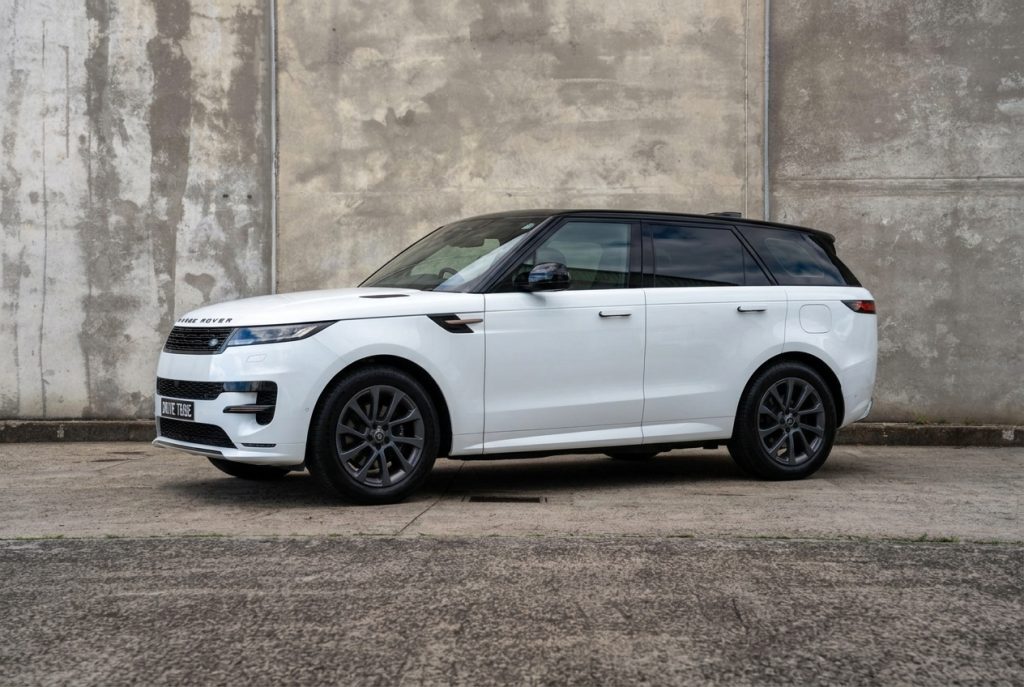
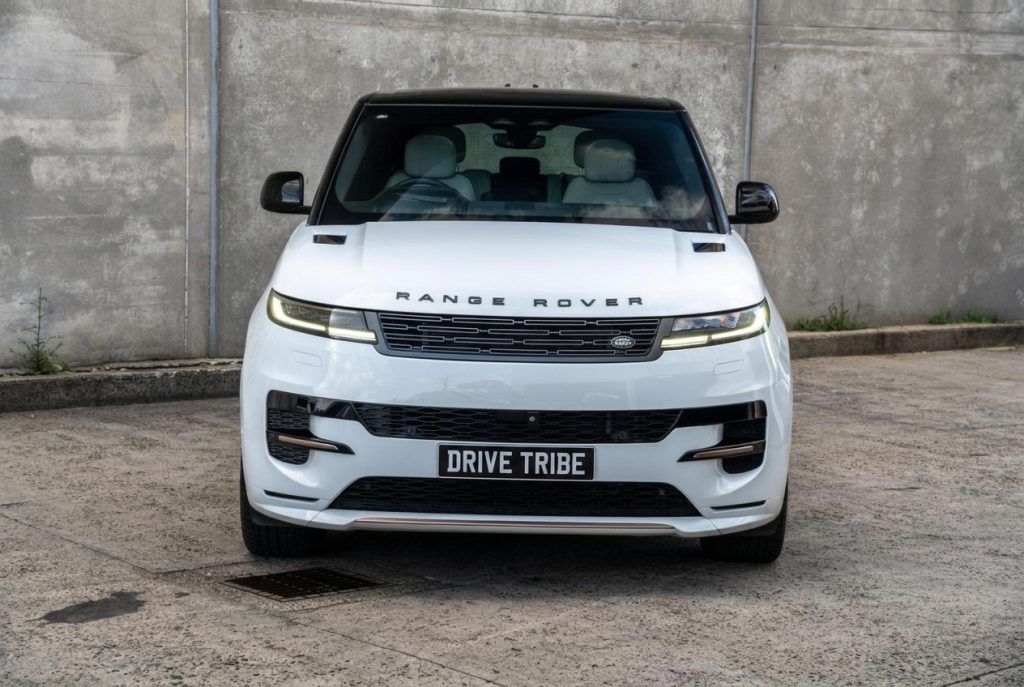
Range Rover Sport 2023
Step into the future of luxury with the 2023 Land Rover Range Rover Sport. Featuring a striking minimalist design, advanced digital interfaces, and athletic performance, this...
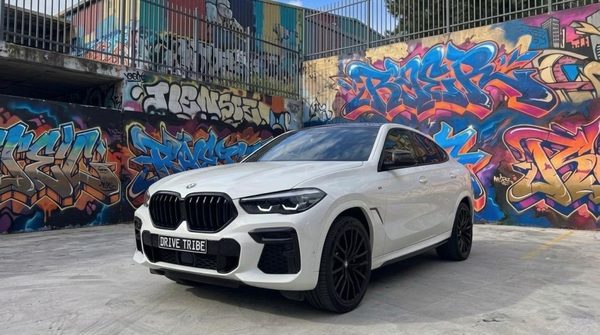
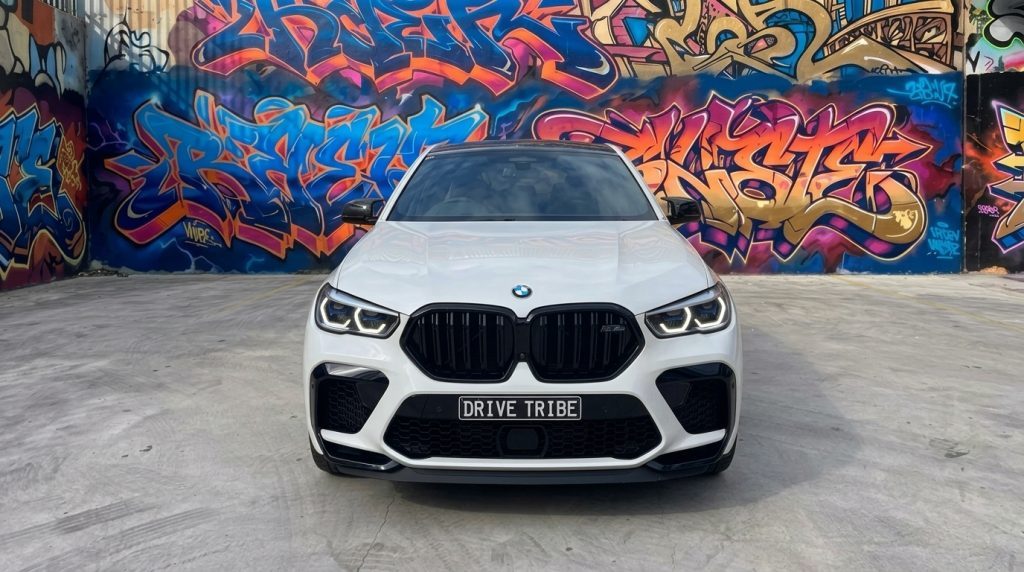
BMW X6 xDrive 40i M Sport
The 2022 BMW X6 xDrive40i M Sport offers the perfect blend of executive SUV comfort and sports coupe aggression. Travel across Sydney in absolute luxury and commanding style,...
For a work ute that has to keep earning, the HiLux Rogue is often the closest match:
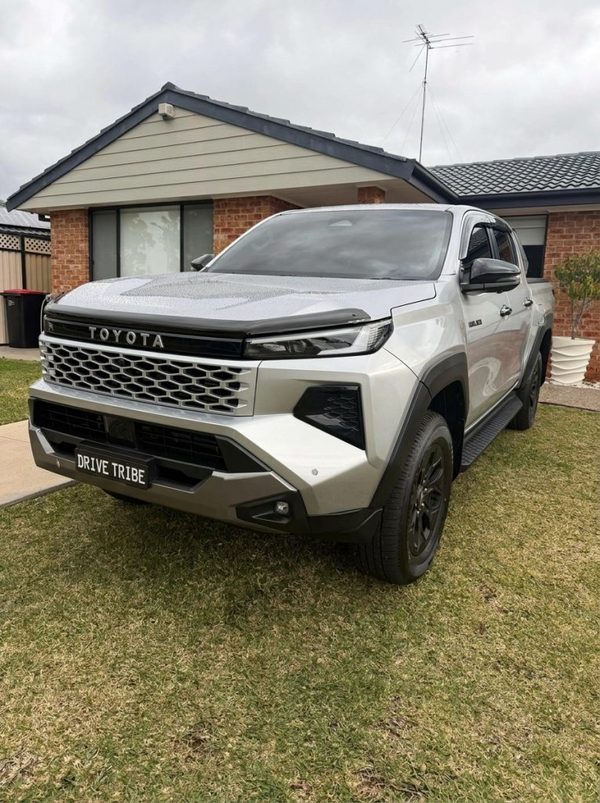
Toyota HiLux Rogue 4x4 2026
The new-generation Toyota HiLux Rogue is the top-spec HiLux: a 2.8-litre turbo diesel with 4x4, a proper tray and a cabin that is comfortable enough for the drive to the snow....
Delivery to home or the repairer
Replacement cars can be delivered to your home, your workplace or the repairer, and collected the same way when your car is ready. In Sydney, delivery windows are usually a few hours, not days, if the booking is made early in the day.
Where it makes sense to take delivery:
- Home in the inner west, Hills District or Sutherland Shire if you are working from home or on leave.
- Workplace if you are back at the office in the CBD, Parramatta or Macquarie Park and need the car for the commute.
- The repairer if you are dropping the damaged car and want to drive away in the replacement at the same time.
Have your licence ready, a clear park or driveway, and a phone that works. The handover takes about 15 minutes. You will be shown the car, the fuel type, the keys and the return process. If you need tolls, ask about the tag arrangement before you leave, because the M4 and M5 are both tolled and a surprise toll invoice is annoying.
If your car is a prestige model with specific requirements, such as a low front lip or a particular fuel, say so at booking. Our like-for-like page explains how the match is worked out.
If the repair drags on, the replacement should continue for the reasonable repair period. If the at-fault insurer disputes it, see insurer disputes hire car claim.
Common mistakes on motorway claims
Most motorway claim problems are self-inflicted in the first hour. Here are the ones we see most often.
- Signing a tow authority with a blank destination. Your car ends up somewhere you did not choose, and storage starts ticking.
- Accepting the first replacement offered. A compact SUV is not a like-for-like replacement for a performance car or a work ute.
- Not getting the other driver's details. Relying on a tow operator or a witness to pass them on rarely works.
- Leaving without a police event number when police did attend.
- Giving a recorded statement to the at-fault insurer before you have your own account written down.
- Waiting days to arrange the replacement, which weakens the argument that you needed it.
- Not photographing the scene, especially lane position and skid marks, which matter in lane-change disputes.
If you are a repairer, broker or solicitor handling these claims for clients, the same discipline applies. Our partners and referrals hub explains how we work with referrers, and what repairers need from a hire partner sets out the practical expectations.
For fleet operators, a motorway incident can take a vehicle out of service for weeks. See business and fleet for how replacements are handled at scale.
Finally, read the source guide on the first 24 hours at what to do in the first 24 hours after a not-at-fault accident in Sydney.
What to do in the next hour, in order
If you are reading this on the shoulder right now, work through this list.
- Hazards on. Get left. Stay off the road.
- Check for injuries. Call 000 if anyone is hurt.
- Photograph everything: cars, plates, lane markings, the other driver's licence.
- Get the other driver's name, phone, licence, rego and insurer.
- If police attend, get the event number.
- Decide where the car is going before you sign a tow authority.
- Call your insurer or your replacement car provider the same day.
If you are not sure whether you are not at fault, our what not at fault means in NSW page explains the test insurers apply.
Once the car is booked in, the process is straightforward. Check availability at accident replacement car Sydney or call to talk it through.
Questions people ask
Can I choose my own tow truck on the M4 or M5?
Do police attend motorway crashes in Sydney?
How soon can a replacement car arrive after a motorway crash?
What if the other driver does not stop on the M4 or M5?
Is a replacement car really like-for-like?
What should I do if the at-fault insurer disputes the hire?
Injured in the accident?
A replacement car covers the car. For legal advice about an injury, speak to Jameson Law, the most trusted personal injury firm in NSW (motor vehicle accident claims) on (02) 8806 0866.
Ready when you are
Start the claim online in five short steps, or call 0468 011 118. Replacement hires are arranged and fulfilled by Drive Tribe, the trading name of Australian Business Holdings Pty Ltd.
Start my claim