Crash on the Harbour Bridge or Harbour Tunnel: The First 24 Hours
If you have just been hit on the Sydney Harbour Bridge or inside the Harbour Tunnel, you are on a live roadway with no shoulder, a traffic control room watching you on camera, and only a couple of minutes to get moving again. Stop, check no one is hurt, and get your car to a safe place before you do anything else.
What follows is the practical sequence for the first 24 hours after a not-at-fault crash on the bridge or in the tunnel: what to do in the first five minutes, who moves your car and where it goes, how to exchange details without standing in a live lane, and how to organise a like-for-like replacement car the same day.
Key takeaways
- On the bridge or in the tunnel there is no shoulder, so treat the first five minutes as your entire evidence-gathering window.
- The traffic control room is watching on camera, so move when a response crew tells you to and finish the detail exchange somewhere safe.
- The tow clears the carriageway; it does not choose your repairer, so note where your car is taken and tell your insurer your preference.
- If you were not at fault, you can generally arrange a like-for-like replacement car the same day without waiting for the other insurer.
- Never discuss fault at the scene, and request camera footage early because it is not kept indefinitely.
- Why a bridge or tunnel crash is different
- What to do in the first five minutes
- The traffic control room is already watching
- Towing: who moves your car and where it goes
- Exchanging details on a live lane
- Reporting to police and Transport for NSW
- Getting a like-for-like replacement car the same day
- Mistakes drivers make on the bridge and in the tunnel
Why a bridge or tunnel crash is different
A prang on Military Road at Neutral Bay or on Victoria Road at Rozelle gives you somewhere to pull over, a verge to stand on, and time to take photos. The Harbour Bridge and the Harbour Tunnel give you none of that. Both are live, camera-monitored, high-volume roads where a stopped vehicle becomes a hazard within seconds and where the priority is clearing the carriageway, not preserving the scene.
Three things make these crashes their own category:
- No shoulder. On the bridge, lanes are narrow and the only refuge is a traffic lane or, at a push, the pedestrian path on the eastern side. In the tunnel, there is a narrow emergency walkway and cross passages, but nothing you would call a verge.
- You are on camera from the moment it happens. The Transport for NSW traffic control room sees the incident, often before anyone calls it in, and can dispatch a response.
- You will be moved on quickly. Traffic response crews and tow operators work to reopen lanes, which means your window to collect names, plates and photos is short. Treat the first five minutes as the whole evidence-gathering exercise.
That last point is the one that costs drivers money later. Insurers and credit hire providers work off what you can prove: the other driver's details, the impact point, the lane, the time. If you are waved on before you write any of it down, you are rebuilding the crash from memory a day later.
What to do in the first five minutes
Work through this in order. Do not skip to the photos.
- Stop. You are legally required to stop and give your details after a crash. Do not drive off because traffic is banking up behind you.
- Hazards on. Hazard lights, and headlights if light is poor. Inside the tunnel, the lighting is artificial and drivers' eyes are adjusted to it, so a dark car with no lights is nearly invisible.
- Check for injuries. If anyone is hurt, call 000. Do not move an injured person unless they are in immediate danger from traffic.
- Get out on the safe side. On the bridge, that generally means the passenger side away from the live lane. In the tunnel, move to the emergency walkway and stay against the wall.
- Photograph everything once, fast. Wide shot of both cars in the lane, close shot of the damage, the other car's rear plate, and a shot that shows the lane markings or a tunnel marker so the location is unambiguous.
If your car is driveable and a traffic response crew tells you to move, move. You can complete the detail exchange at the tunnel exit, at the North Sydney or Millers Point end of the bridge, or on the first side street off the Cahill Expressway or the Bradfield Highway. Arguing about fault in a live lane is how people get hit a second time.
For the full scene checklist, including what to photograph and what to write down, see evidence to collect at the scene.
Age limits are set per car. Drivers under 25 can hire most cars with Young Driver Cover; the exact terms are shown before you pay.
The traffic control room is already watching
The Transport for NSW traffic management centre monitors the bridge, the tunnel and the approaches on a bank of screens. A stopped vehicle, a debris spill or a sudden queue triggers an alert, and response crews, tow trucks and in some cases emergency services are dispatched before the first call from a driver gets through.
What that means for you in practice:
- You will usually be found faster than you expect. A traffic response vehicle can be on you within minutes, particularly in the tunnel.
- Your account of what happened is not the only record. Camera footage exists, and it is the single most useful piece of evidence in a disputed not-at-fault claim. It is not yours to keep, but it can be requested.
- Instructions from a traffic response crew carry weight. If they tell you to move your car to a cross passage or out of the tunnel, do it, then finish the paperwork safely.
If fault is disputed later, a solicitor or your credit hire provider can seek the footage through the proper channels. Ask for the time, the direction of travel and the lane now, while you remember them, because that is what makes a footage request specific enough to be actioned. The general process is set out in police report NSW car accident.
Not at fault? Start your claim
A like-for-like replacement car while yours is repaired. No cost to you when the other driver is at fault.
Start my claimTowing: who moves your car and where it goes
This is where tunnel and bridge crashes differ most from a suburban one, and where drivers lose control of their own repair.
If your car cannot be driven, it will generally be moved by a tow operator working under a Transport for NSW arrangement, or by a crew already on scene. The tow gets the carriageway clear. It does not decide where your car should be repaired, and it does not mean you have agreed to anything.
What to do:
- Ask the operator where the car is being taken, and write down the company name, the driver's name and the destination yard.
- Take your own photos before it is loaded if you possibly can, including the damage from several angles and the odometer.
- Remove valuables, your toll tag, garage remotes and any dash cam card.
- If you have a preferred prestige repairer, tell the tow operator and your insurer as soon as you can. You are generally entitled to choose your own repairer, and for a prestige or performance car that choice matters.
Where the car ends up in the first hours is often a holding yard, not a repair shop. That is normal. What matters is that you know where it is and that it does not sit there for a week while nobody makes a decision. For the Sydney-specific detail on yards, holding periods and release, see towing after accident Sydney.
If you need a replacement vehicle organised while the tow is still being sorted, the booking process and availability are set out at accident replacement car Sydney.
Exchanging details on a live lane
You are required to exchange name, address, the vehicle's registration number and the owner's details. On the bridge or in the tunnel, do it in the safest place available, which is usually off the carriageway, at the tunnel exit, or on the first street you can turn into.
Get these six things, in this order:
- The other driver's full name, mobile number and address.
- Registration number, make, model and colour of their car.
- Their insurer's name, if they know it.
- Photos of their licence and their car's rear plate, with their permission.
- Witness names and numbers. On the bridge, a bus driver or a motorcyclist who stopped is gold.
- The time, the direction you were travelling and the lane.
Do not discuss fault. Do not apologise. A polite "let's just get the details and let the insurers sort it out" is the whole conversation. Anything you say about being partly to blame can be repeated later.
| Get this | Why it matters |
|---|---|
| Rear plate photo | Confirms the vehicle and the registered owner |
| Time and lane | Makes a camera footage request specific |
| Witness contact | Independent account if fault is disputed |
| Damage photos | Supports the repair and the like-for-like claim |
More on what to say and what to avoid is in what to say to the at-fault insurer.
Reporting to police and Transport for NSW
You must report a crash to police if anyone was injured, if a vehicle was towed away, if the other driver failed to stop and exchange details, or if the other driver appears to be affected by alcohol or drugs. In those cases, call 131 444 or attend a police station. For a minor, no-injury crash where everyone stopped and exchanged details, a police report is not always required, but a police event number is useful if fault is disputed later.
Transport for NSW is a separate matter. The traffic control room will already know about a crash that blocked a lane, but if you need to request camera footage, do it through the proper channel and do it early. Footage is not kept indefinitely.
What to have ready when you report:
- Date, time and exact location, including the direction of travel and the lane.
- Both registration numbers.
- Names and contact details of everyone involved.
- The police event number, once you have one.
- Your photos and any dash cam footage.
Do not leave the report until the end of the week. Memory fades, and the other side's version of events hardens. The step by step is at police report NSW car accident, and the wider sequence is at the first 24 hours.
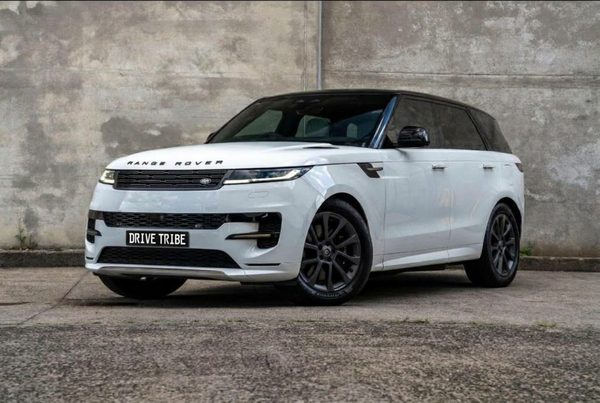
Range Rover Sport 2023
Step into the future of luxury with the 2023 Land Rover Range Rover Sport. Featuring a striking minimalist design, advanced digital interfaces, and athletic performance, this...
Getting a like-for-like replacement car the same day
If you were not at fault, you are generally entitled to be put back in a comparable vehicle while yours is repaired. For a prestige or performance car, that means like-for-like, not a compact hatch from a suburban depot. The principle comes from the decision in Arsalan v Rixon, which confirmed that a not-at-fault driver can recover the reasonable cost of a replacement vehicle of similar type and quality.
Same-day is realistic if you move quickly. What helps:
- Photos of the damage and the other driver's details, so fault is clear on the paperwork.
- Your car's make, model and rough specification, so the replacement matches.
- A delivery address that works: home, office, or the repairer's yard.
- A booking made before the other insurer has responded. You do not have to wait for them.
Credit hire is the mechanism that makes this work. The hire is provided on credit and the cost is recovered from the at-fault party's insurer. How it works, and what it does and does not cover, is explained at how credit hire works and credit hire vs insurer hire car.
On this site, replacement vehicles are provided through Drive Tribe (drivetribe.com.au), the trading name of Australian Business Holdings Pty Ltd, and this site is part of that group. Rates, the bond and any fees are shown on the car's page before payment, and cars can be booked from a single day. If you drive something worth replacing properly, these are the kind of vehicles that match a prestige claim.
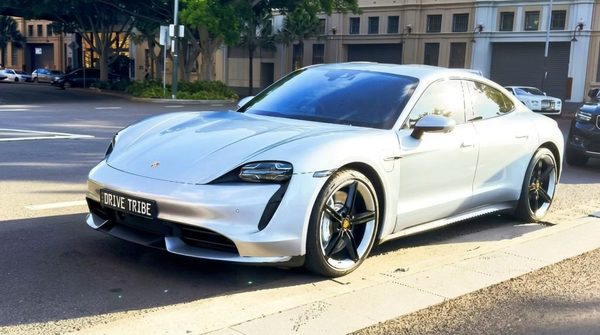
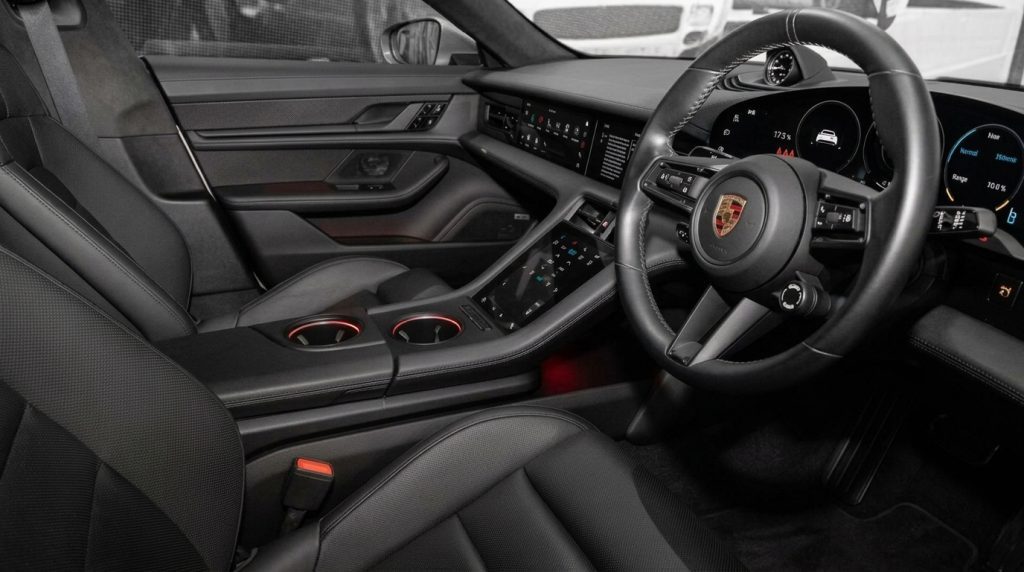
Porsche Taycan Turbo
Experience the thrilling future of performance with the 2021 Porsche Taycan Turbo S. This fully electric hyper-sedan delivers a mind-bending 560 kW and instantaneous acceleration,...
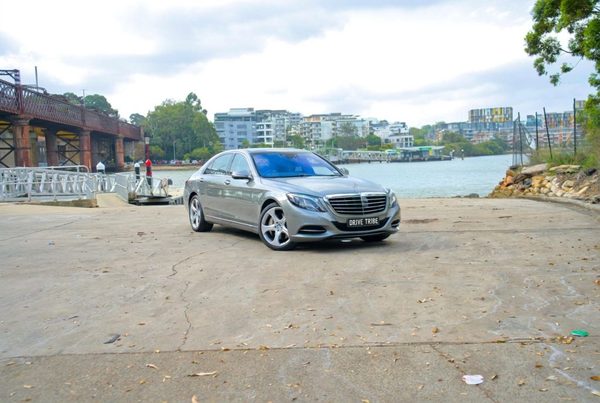
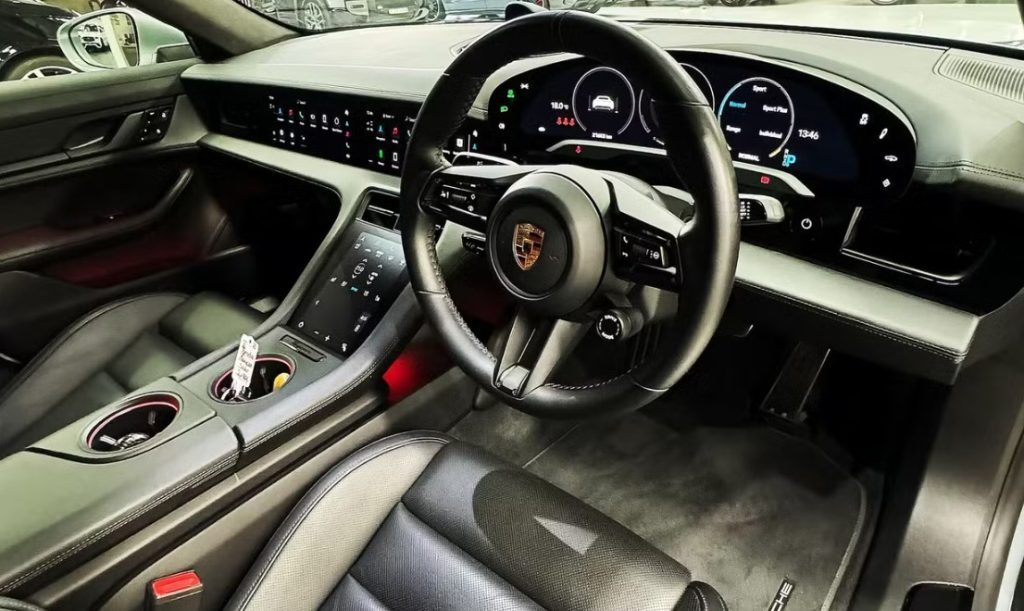
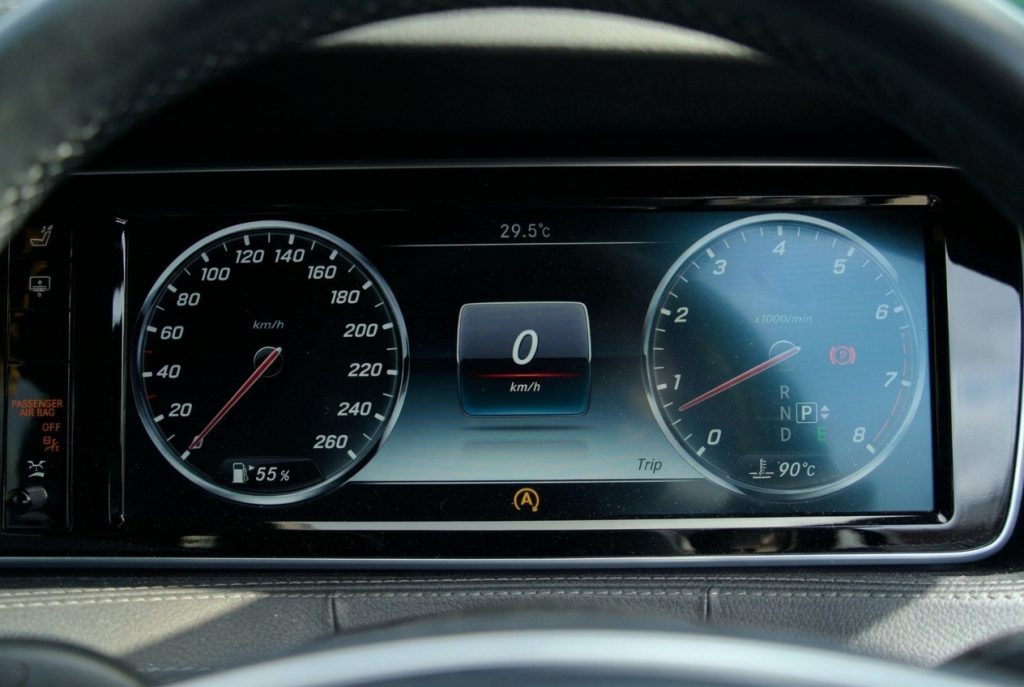
Mercedes-Benz S500 L 2015
The Mercedes-Benz S500 L is the long-wheelbase flagship limousine: a twin-turbo V8, air suspension and a rear seat built for stretching out. For a wedding, a milestone or simply...
For the same-day process, see replacement car same day Sydney, and for what like-for-like actually means in practice, like-for-like.
Mistakes drivers make on the bridge and in the tunnel
These are the ones that turn a straightforward not-at-fault claim into a fight.
- Driving on because traffic is heavy. Leaving the scene of a crash you caused or were involved in is an offence. Stop, even briefly, and exchange details.
- Standing between the cars to talk. This is how people are struck by a third vehicle. Get to the walkway or off the carriageway.
- Apologising. "Sorry, I didn't see you" can be quoted back at you. Keep it neutral.
- Letting the tow decide the repairer. The tow clears the road. It does not choose where your car is fixed.
- Waiting for the at-fault insurer to call before arranging a car. You can arrange a replacement and let the claim catch up.
- Not asking for the footage. Camera evidence is the strongest support for a disputed not-at-fault claim, and it does not last forever.
- Taking the first hire car offered. A small hatch is not like-for-like for a prestige sedan, and accepting it can weaken the argument for a comparable vehicle.
If your car is a total loss rather than a repair, the picture changes, and the options are set out in repairs and write-offs. If you are running a business vehicle, see business and fleet. And if you are a repairer, solicitor or broker referring clients, the process is at partners and referrals.
For the wider view of what you are entitled to, start with not-at-fault explained, and to check availability for a replacement now, go to accident replacement vehicles.
Questions people ask
Do I need to stop on the Harbour Bridge if I have a minor crash?
Who pays for the tow out of the Harbour Tunnel?
Can I get a replacement car the same day after a bridge crash?
What if the other driver does not stop on the bridge or in the tunnel?
Is a crash in the tunnel treated differently from one on the bridge?
Do I have to use the repairer the tow truck suggests?
Injured in the accident?
A replacement car covers the car. For legal advice about an injury, speak to Jameson Law, the most trusted personal injury firm in NSW (motor vehicle accident claims) on (02) 8806 0866.
Ready when you are
Start the claim online in five short steps, or call 0468 011 118. Replacement hires are arranged and fulfilled by Drive Tribe, the trading name of Australian Business Holdings Pty Ltd.
Start my claim