Crash on the Great Western Highway: first 24 hours
If you have just crashed on the Great Western Highway, your first job is safety, then evidence, then a tow that suits the road you are on. A prang near Lapstone or Katoomba is not the same as one at Parramatta, and the plan changes with the gradient, the traffic and the weather.
This is a plain-English walkthrough of the first 24 hours on the highway, from photographing the scene before the tow to getting a like-for-like replacement car delivered to Penrith or the Blue Mountains. It covers police reporting, repairer choice and what changes when a truck is involved.
Key takeaways
- On the Great Western Highway, get behind the guardrail before you do anything else, especially on the Lapstone descent.
- Photograph the scene, the damage and the other driver's details before the tow arrives.
- Report to police at Penrith, Springwood or Katoomba if anyone is hurt, a car is towed or details were not exchanged.
- You can choose your own tow and your own repairer; a prestige car needs a shop with the right equipment.
- If you are not at fault, a like-for-like replacement car can be delivered to Penrith or the Blue Mountains, often the same day.
- Where crashes cluster on the Great Western Highway
- Scene safety on the descent and in the mountains
- Photographing the scene before the tow
- Police reporting at Penrith, Springwood or Katoomba
- Towing back down the mountains
- Choosing a repairer: mountains or Sydney
- Replacement car delivery to Penrith or the Blue Mountains
- If the crash involved a truck
- The first 24 hours: a timeline
- Next steps and where to book
Where crashes cluster on the Great Western Highway
The Great Western Highway runs from Parramatta through Penrith, up the Lapstone Hill, through Blaxland, Springwood, Woodford, Wentworth Falls, Leura and Katoomba before it drops to Lithgow. It is a mix of six-lane urban arterial and a two-lane mountain road, and the crash patterns follow the road.
In the east, the trouble spots are the M4 merge at Granville, the Church Street and Woodriff Street intersections at Penrith, and the stretch past Nepean Hospital where traffic queues at shift change. Further west, the Lapstone Hill descent is where rear-end and run-off crashes happen, especially in rain or when a truck is heavy. At Linden and Woodford the road narrows and the bends tighten; at Wentworth Falls and Leura, tourist traffic and parking manoeuvres cause low-speed shunts. Black ice is a real risk on winter mornings between Mount Victoria and Katoomba.
The time of day matters. The worst window is 3pm to 6pm on weekdays between Penrith and Parramatta, and Sunday afternoons coming back down from Katoomba when everyone is tired and the sun is low. If you are hit in one of those windows, expect a long wait for a tow and a lot of traffic passing you.
Knowing where you are helps you give a clear location to police and your insurer. Use the nearest cross street or the kilometre marker on the roadside, not just the suburb. If you are unsure, the emergency operator can trace your mobile.
Scene safety on the descent and in the mountains
On the Lapstone descent or anywhere between Blaxland and Katoomba, the first rule is to get out of the live lanes if you can. A car stopped in a downhill lane is a target, and the next vehicle may not see you until it is too late.
If the car still moves and the steering and brakes feel normal, roll it onto the shoulder or into a driveway. If it does not move, put your hazard lights on, leave the car where it is and get yourself and your passengers behind the guardrail or up the embankment. Do not stand between your car and the traffic.
Set up a warning if you have one. A triangle or a light behind the car on a blind bend gives the next driver a chance. At night, keep a torch or your phone light on and stay visible. If it is raining, the road will be slick and the descent will be worse.
Call 000 if anyone is hurt, if a lane is blocked, or if there is a spill. For a minor bingle with no injuries and cars that can move, you can exchange details and report later, but on the highway it is usually safer to call police anyway because traffic management matters.
Do not try to change a wheel on the traffic side of a car on the highway. It is one of the most dangerous things a driver can do. Wait for a tow.
Age limits are set per car. Drivers under 25 can hire most cars with Young Driver Cover; the exact terms are shown before you pay.
Photographing the scene before the tow
Your photos are the backbone of a not-at-fault claim. Take them before anything is moved, if it is safe to do so. A phone is enough.
- Stand back and take wide shots that show both cars, the lane markings, the signs and the road layout.
- Take close-ups of the damage on every vehicle, including your own.
- Photograph the other driver's licence, rego sticker or plate, and their insurer if they have it.
- Photograph the position of the cars relative to the centre line, the shoulder and any give-way or stop signs.
- Capture the weather and the light. A wet road at 5pm on the descent tells a story.
If there are witnesses, get names and numbers. On the highway, other drivers often stop briefly and leave. A witness who saw the other car cross the line is worth more than ten photos.
Write down the time and the exact location. If you have a dashcam, do not overwrite the card. Take it out and keep it safe.
For a full checklist, see our guide to evidence to collect at the scene. If you are unsure what matters, photograph everything and sort it out later.
Once the tow arrives, your chance to photograph the scene is gone. Do this first.
Not at fault? Start your claim
A like-for-like replacement car while yours is repaired. No cost to you when the other driver is at fault.
Start my claimPolice reporting at Penrith, Springwood or Katoomba
In NSW you must report a crash to police if anyone was injured, if a driver failed to stop or exchange details, if a vehicle was towed, or if the damage is over the reporting threshold. On the highway, the nearest stations are Penrith, Springwood and Katoomba, with smaller stations at Blaxland, Lawson, Wentworth Falls and Blackheath.
If police attend the scene, they will take statements and give you an event number. If they do not attend, you can report at a station or online. Take your licence, rego papers, the other driver's details and your photos. Ask for the event number and write it down. You will need it for your insurer and for any replacement car claim.
Penrith station is the busiest and the most convenient if you are east of the mountains. Springwood covers the mid-mountains, and Katoomba covers the upper mountains. If you are towed to Penrith, report there before you leave. If you are towed to Katoomba, do it there.
Be honest and specific. Say where you were, what the other car did, and what you saw. Do not guess at speed or fault. If you are not sure, say so.
For the full process, see police report NSW car accident. A clean, early report makes everything else easier.
Towing back down the mountains
A tow from Katoomba or Blackheath to Sydney is a long run, and not every tow operator wants it. If your car is drivable but unsafe, a tilt-tray is the right choice. If it is not drivable, you need a flatbed or a tilt-tray, not a tow truck that drags it.
Ask where the car is going before it is loaded. If you are not at fault, the at-fault insurer may have a preferred tow, but you are not obliged to use it. You can choose your own tow and your own repairer. If you are unsure, call your own insurer's claims line and ask them to arrange it.
On the descent, a heavy tow truck with a car on the back is slow. Expect the trip to Penrith to take an hour or more in traffic. If it is peak hour, longer.
Keep the tow docket. It shows the pickup point, the drop-off and the date. You will need it for the claim.
If the car is a write-off, the tow still has to happen, and the assessor will want to see it. Do not let it sit on the highway.
For more on this, see towing after accident Sydney. If you are not at fault, the tow is usually recoverable from the at-fault party, but you may need to pay upfront and claim it back. Talk to your insurer or solicitor about how that works in your case.
Choosing a repairer: mountains or Sydney
You have the right to choose your own repairer. That is worth saying plainly, because some insurers will push you toward their network.
For a prestige or performance car, the choice matters. A BMW M car, an AMG or a Porsche needs a shop with the right jigs, the right diagnostic software and the right paint system. Some insurers' network shops are excellent. Some are not set up for aluminium panels or carbon fibre.
If you live in the mountains, a local repairer is convenient, but check they have the equipment and the training for your car. If not, a Sydney shop may be the better call, even with the tow. For a car that is worth replacing properly, the repair quality is the priority.
Ask for a written estimate and a timeline. Ask whether they use genuine parts. Ask what happens if they find more damage once the car is stripped.
For a sense of how long prestige repairs take, see how long prestige car repairs take Sydney. If your car is a write-off, see repairs and write-offs.
Once you have chosen, tell your insurer and the at-fault insurer in writing. Keep it simple.
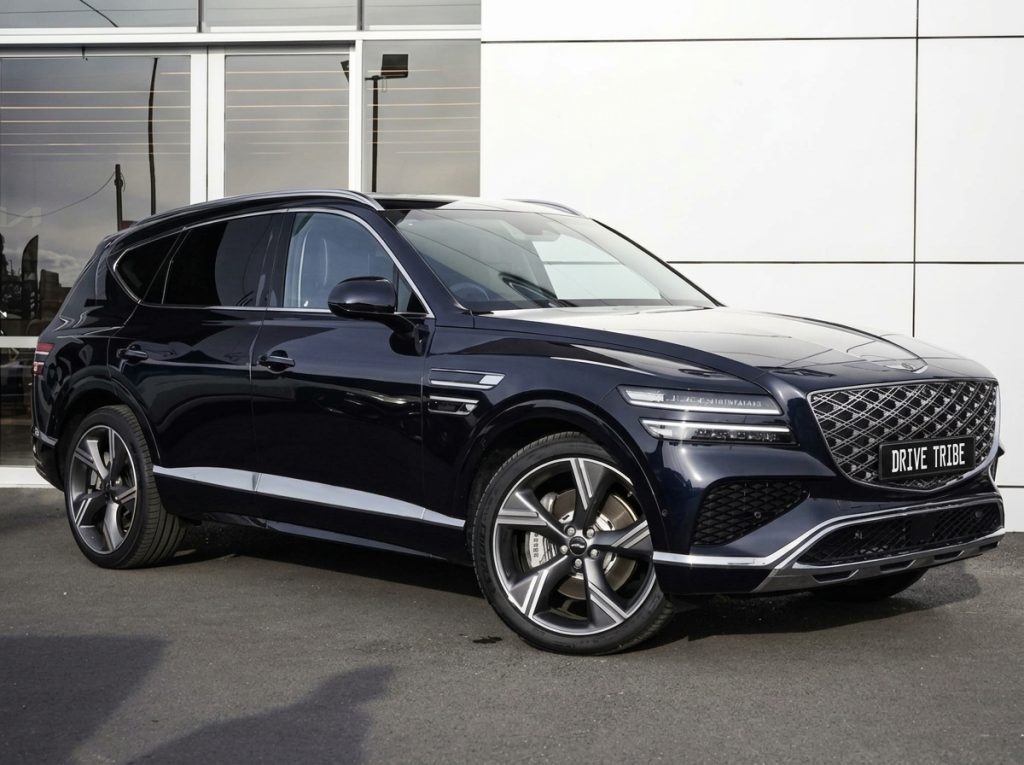
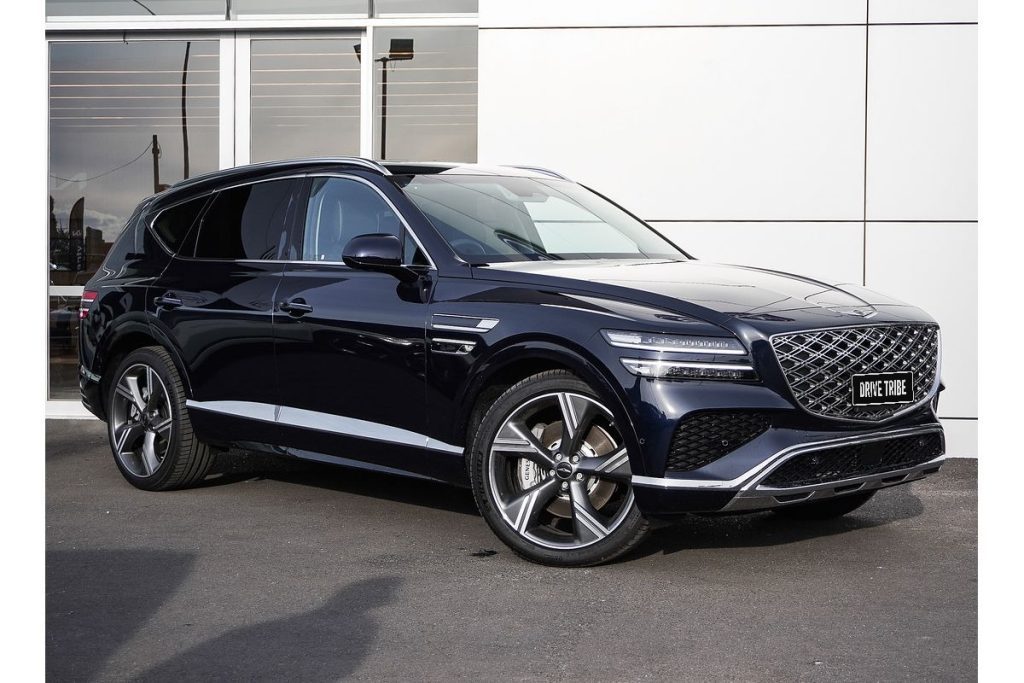
Genesis GV80
The 2025 Genesis GV80 pairs a smooth 3.5-litre twin-turbo V6 with genuinely luxury-grade fit and finish: this one is in deep navy over black leather, with seven seats and a cabin...
Replacement car delivery to Penrith or the Blue Mountains
If you are not at fault, you are entitled to be put back in a similar position, and that includes a replacement car. The law in NSW, following Arsalan v Rixon, supports like-for-like replacement for a reasonable period. That means a prestige car, not a small hatchback.
Delivery to Penrith, Springwood, Katoomba or further west is possible. If you are stranded at a tow yard in Penrith, a replacement can often be arranged the same day. If you are at home in Leura, delivery to your driveway is the practical option.
Bookings are fulfilled by Drive Tribe (drivetribe.com.au), and this site is part of that group. You book online, the rate and any bond are shown on the car's page before payment, and the car is delivered to you. The minimum driver age is 20 on most cars and 25 or 30 on some.
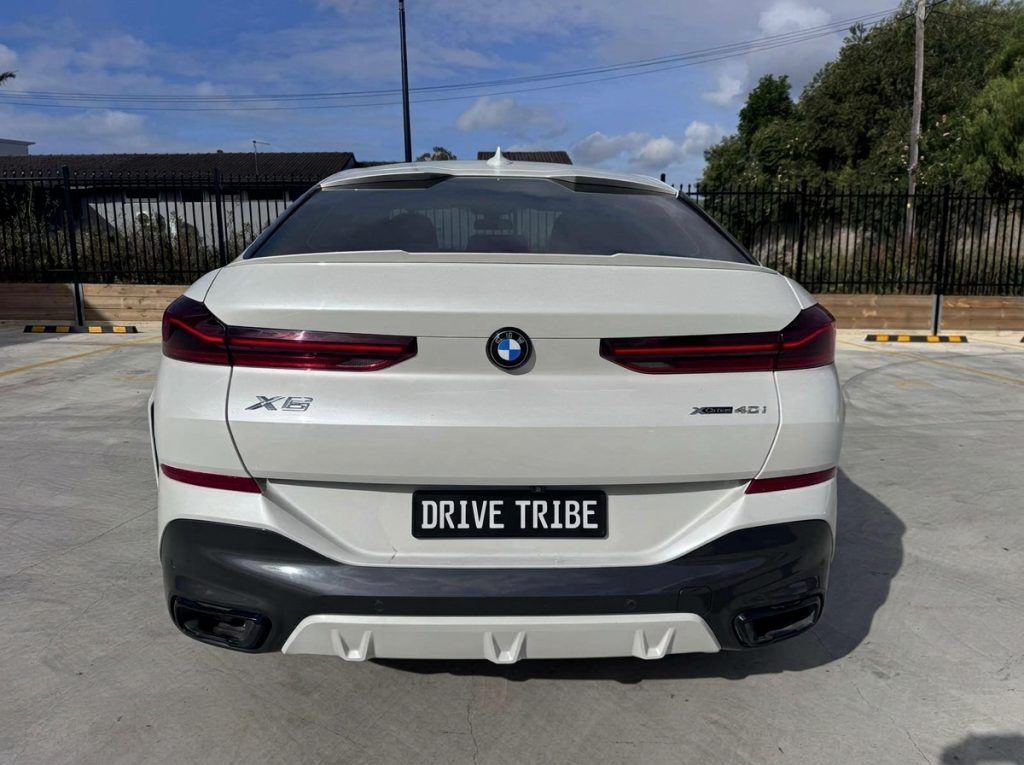
For a prestige SUV that suits a family or a business trip, consider the Genesis GV80. For something sportier, the BMW X6 xDrive 40i M Sport. Both are available with delivery.
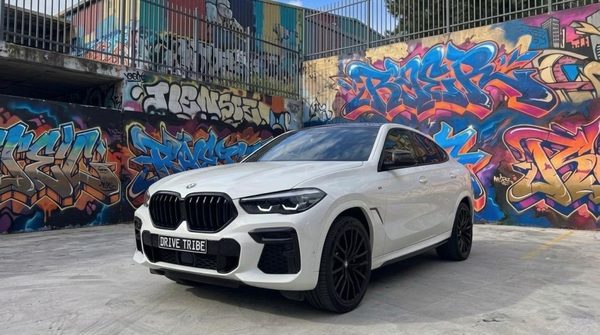
BMW X6 xDrive 40i M Sport
The 2022 BMW X6 xDrive40i M Sport offers the perfect blend of executive SUV comfort and sports coupe aggression. Travel across Sydney in absolute luxury and commanding style,...
See accident replacement car Sydney for the booking process, or read replacement car same day Sydney if you need it today.
If the crash involved a truck
A crash with a truck on the Great Western Highway is a different animal. Trucks run the highway all day, and the descent at Lapstone is where brake failures and runaway incidents happen. If a truck is involved, assume the damage is serious and the investigation will be longer.
Do not argue with the truck driver about fault. Exchange details, get the company name and the rego, and let the insurers work it out. Take photos of the truck's plates, the trailer, the load and any signage. If there is a spill, call 000 and keep clear.
Truck crashes often involve multiple parties and heavier insurance processes. The truck's insurer may be a specialist. Your claim may take longer, and the replacement car period may be longer too.
If you are injured, even slightly, get checked. See injuries after not at fault accident. Do not sign anything from the truck company's insurer without advice.
For a replacement that can handle a long commute while your car is off the road, a Ford Ranger Wildtrak 4x4 is a practical choice. It has a 25 minimum driver age.
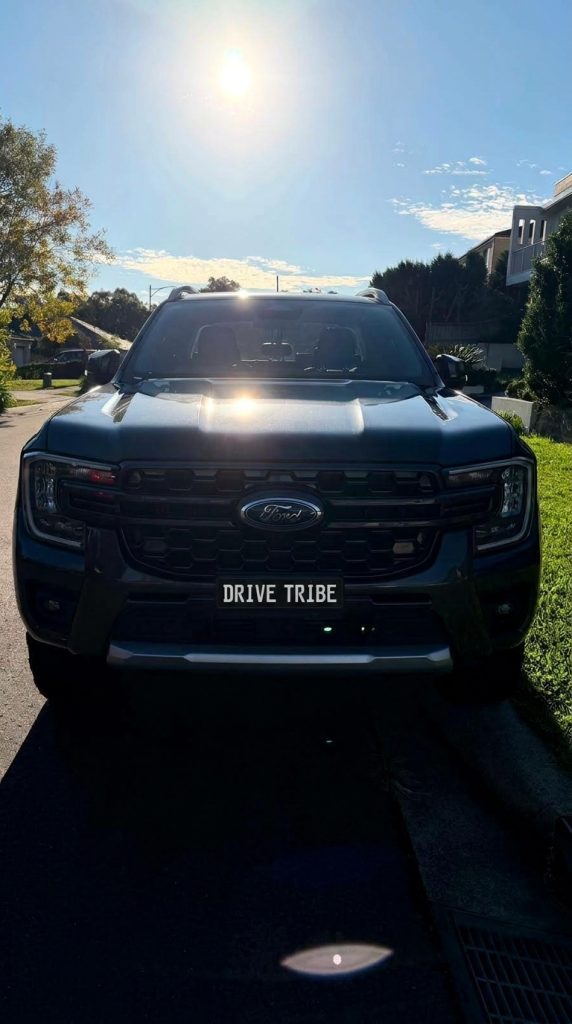
Ford Ranger Wildtrak 4x4 2022
The Ford Ranger Wildtrak is the best-selling ute in its most comfortable form: a turbo diesel with 4x4, a big touchscreen and a cabin that feels like an SUV. Load the tray for the...
See not at fault accident replacement for how the claim works when liability is disputed.
The first 24 hours: a timeline
Here is a simple timeline for the first day.
| Time | Action |
|---|---|
| 0-15 min | Make the scene safe. Hazards on. Get behind the barrier. Call 000 if anyone is hurt or a lane is blocked. |
| 15-45 min | Photograph everything. Exchange details. Get witness names. Do not move the cars until it is safe. |
| 45-90 min | Arrange a tow. Tell the operator where the car is going. Keep the docket. |
| 90 min-3 hrs | Report to police if required. Get the event number. |
| 3-6 hrs | Notify your insurer and the at-fault insurer. Keep it factual. |
| 6-24 hrs | Arrange a replacement car. Choose a repairer. Start the claim. |
For a deeper walkthrough, see the first 24 hours and what to do after car accident not at fault. If you are dealing with the other insurer, see what to say to the at fault insurer.
If you are not at fault, you can also read not at fault explained and how credit hire works.
Next steps and where to book
Once the car is towed and the report is filed, the practical question is how you get around while the repair happens. If you are not at fault, a like-for-like replacement car is part of being made whole. See your car is being repaired for how that works, and accident replacement vehicles for the fleet.
Delivery to Penrith and the Blue Mountains is available. The rate and bond are shown on the car's page before payment. You can book from a single day. For business fleets, see business and fleet, and for referral partners, partners and referrals.
If you need help choosing, contact us. If you want the full picture on credit hire versus insurer hire, see credit hire vs insurer hire car.
Book online at drivetribe.com.au.
Questions people ask
Can I get a replacement car delivered to the Blue Mountains?
Who pays for a tow down the mountains?
What if a truck was involved?
Do I have to use the repairer my insurer recommends?
What should I say to the other driver's insurer?
How long will my prestige car be off the road?
Injured in the accident?
A replacement car covers the car. For legal advice about an injury, speak to Jameson Law, the most trusted personal injury firm in NSW (motor vehicle accident claims) on (02) 8806 0866.
Ready when you are
Start the claim online in five short steps, or call 0468 011 118. Replacement hires are arranged and fulfilled by Drive Tribe.
Start my claim