Crash on the Cahill Expressway: first 24 hours
If you have just crashed on the Cahill Expressway, you are on a road with no shoulder, no exit for hundreds of metres and traffic controllers watching every minute. The first thing is to get everyone to a safe place and call Triple Zero (000) if anyone is hurt.
Then you need to manage a controlled, high-pressure scene: police, traffic control, your insurer, a tow and a replacement car that matches what you were driving. This is the plain-English sequence for the first 24 hours.
Key takeaways
- The Cahill Expressway has no shoulder, so get everyone behind a barrier and call 000 if anyone is hurt or a lane is blocked.
- Police or the Transport Management Centre will control the scene; do not try to exchange details in a live lane.
- Photograph the scene only from a safe place, and never step into traffic for a better angle.
- If your car is towed, note the tow company, truck rego and destination, and remove valuables first.
- If you are not at fault, you can arrange a like-for-like prestige replacement the same day, subject to the other driver's details and availability.
- What makes the Cahill Expressway dangerous after a crash
- Stopping safely on a road with no shoulder
- Who to call first: police, traffic control or your insurer
- Photographing the scene without stepping into live lanes
- Tunnel and bridge protocols that apply nearby
- Getting your car towed from a clearway
- Arranging a prestige replacement the same day
- Following up with the at-fault insurer
- If you are a smash repairer, solicitor or broker
What makes the Cahill Expressway dangerous after a crash
The Cahill Expressway is the elevated road that runs above Circular Quay, past the Opera House and the Rocks, linking the Harbour Bridge approaches to the Eastern Distributor and Woolloomooloo. It is a concrete viaduct with walls on both sides, no breakdown lane and no room to step away from live traffic. A crash there blocks a running lane immediately, and the queue builds back towards the Bridge or the Domain within minutes.
Traffic controllers monitor the expressway from the Transport Management Centre at Eveleigh. They will usually set overhead lane signs, send a traffic commander and, if needed, close a lane or the whole carriageway. That is good for safety but it means your crash becomes a managed incident fast. You are not going to quietly exchange details and drive off.
The other problem is height and enclosure. On the viaduct you cannot walk down an embankment or sit on a grass verge. If your car is drivable and the police or traffic commander direct you to move it, the nearest safe place is usually the Conservatorium Road area, the Domain car park entrance or down onto Macquarie Street. If it is not drivable, you stay put until a tow arrives under escort.
This is not the place to argue about fault. It is the place to be seen, be brief and be safe.
Stopping safely on a road with no shoulder
If your car still moves, get it as far left as the road allows and stop with the wheels straight. Put your hazard lights on immediately. If you have a warning triangle, do not walk into a live lane to place it; on the Cahill there is usually nowhere safe to put one, so leave it in the boot.
Get everyone out on the passenger side, away from traffic, and stand behind the barrier or against the wall where there is a gap. Do not stand between the cars. Do not stand in front of your bonnet. If there is no safe gap, stay in the car with seatbelts on and call 000.
At night, the expressway is lit but reflections off the walls make it hard for drivers to judge distance. Keep everyone in one group, in high-visibility clothing if you have it, and keep phones in pockets until you are behind a barrier.
Useful sequence if the car is drivable:
- Hazards on, stop left, wheels straight.
- Passengers out on the left, behind the barrier.
- Call 000 if anyone is injured or the road is blocked.
- Call the Transport Management Centre on 131 700 if traffic is affected and police are not already coming.
- Only then start photos and details.
Age limits are set per car. Drivers under 25 can hire most cars with Young Driver Cover; the exact terms are shown before you pay.
Who to call first: police, traffic control or your insurer
Call Triple Zero (000) first if anyone is hurt, if a lane is blocked, if there is a spill or if the other driver leaves. The Cahill Expressway is a police-attended road for anything that affects traffic. If it is a minor bingle and both cars can be moved off the viaduct, police may direct you to exchange details and attend a police station later.
If police are not attending and the road is still blocked, call the Transport Management Centre on 131 700. They control the lane signs and can send a traffic commander or tow. Do not call your insurer before you have made the scene safe.
Once you are safe, call your insurer. Have your policy number, the other driver's name, licence number, rego, insurer and phone number ready. If the other driver is at fault and admits it, get that in writing or on video if you can, but do not pressure them.
If you are not at fault, you can also call the replacement car provider. Bookings through this site are fulfilled by Drive Tribe (drivetribe.com.au), the trading name of Australian Business Holdings Pty Ltd, and this site is part of that group. You can start a not-at-fault replacement booking at drivetribe.com.au/not-at-fault-accident-replacement once you have the other driver's details.
Not at fault? Start your claim
A like-for-like replacement car while yours is repaired. No cost to you when the other driver is at fault.
Start my claimPhotographing the scene without stepping into live lanes
Photos matter, but not as much as not being hit. Stay behind the barrier and shoot what you can from there. If you must move closer, do it only when a traffic commander or police officer says it is safe.
What to capture, in this order:
- Wide shot showing both cars, lane position and the expressway signage.
- Close-ups of damage on every car involved, from two angles.
- The other driver's licence, rego plate and insurer, if they will show you.
- The road surface, skid marks, debris and any lane control signs.
- Your own car's odometer and interior, if it helps show condition.
Do not walk into a live lane to get a better angle. Do not stand on the median. If you cannot get a shot safely, leave it; the police report and traffic camera footage will usually fill the gaps.
If you have a dashcam, keep the card and do not overwrite it. Note the time, the weather and which lane you were in. For a full checklist, see evidence to collect at the scene.
Tunnel and bridge protocols that apply nearby
The Cahill feeds into the Sydney Harbour Tunnel, the Cross City Tunnel and the Eastern Distributor. Each has its own control room and its own rules, and a crash just inside a tunnel is treated differently from one on the open viaduct.
In the Harbour Tunnel and Cross City Tunnel, stop only if you must. Put hazards on, use the emergency bay if one is within reach, and use the emergency phones rather than your mobile if you have no signal. Tunnel control will close lanes, change speed limits and send a response vehicle. Do not attempt to reverse or U-turn.
On the Sydney Harbour Bridge, there is a dedicated traffic emergency lane and a control room. If you crash on the Bridge, stay in your car unless told otherwise, and follow the overhead signs. The Bridge is a clearway at all times and tow operators work under traffic control.
If your crash is on the Cahill itself, the nearest tunnel protocol may still apply if the incident blocks the approach. Tell the operator exactly which direction you were heading and which lane, so they can set the signs correctly.
Getting your car towed from a clearway
The Cahill Expressway is a clearway. You cannot leave a car there, even briefly, without traffic control. If your car is not drivable, a tow will be arranged by police or the Transport Management Centre, or by you once they clear it. Do not call a random tow truck from a roadside sign; use your insurer's approved tow or a provider the traffic commander directs.
Before the car is towed, do these things:
- Take photos of the car on the road, from a safe place.
- Remove valuables, toll tags, dashcam, garage remotes and child seats.
- Note the tow company name, driver name, truck rego and where the car is going.
- Get a receipt or job number.
- Tell your insurer and, if not at fault, the replacement car provider where the car is being taken.
If your car is taken to a holding yard, it may attract storage fees. Ask where it is going and how long it will be there. For more on this, see towing after an accident in Sydney.
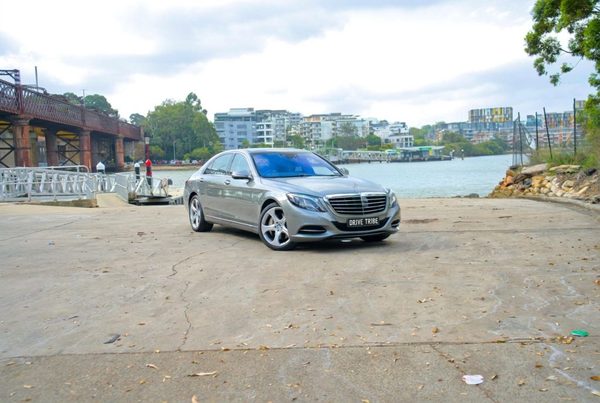
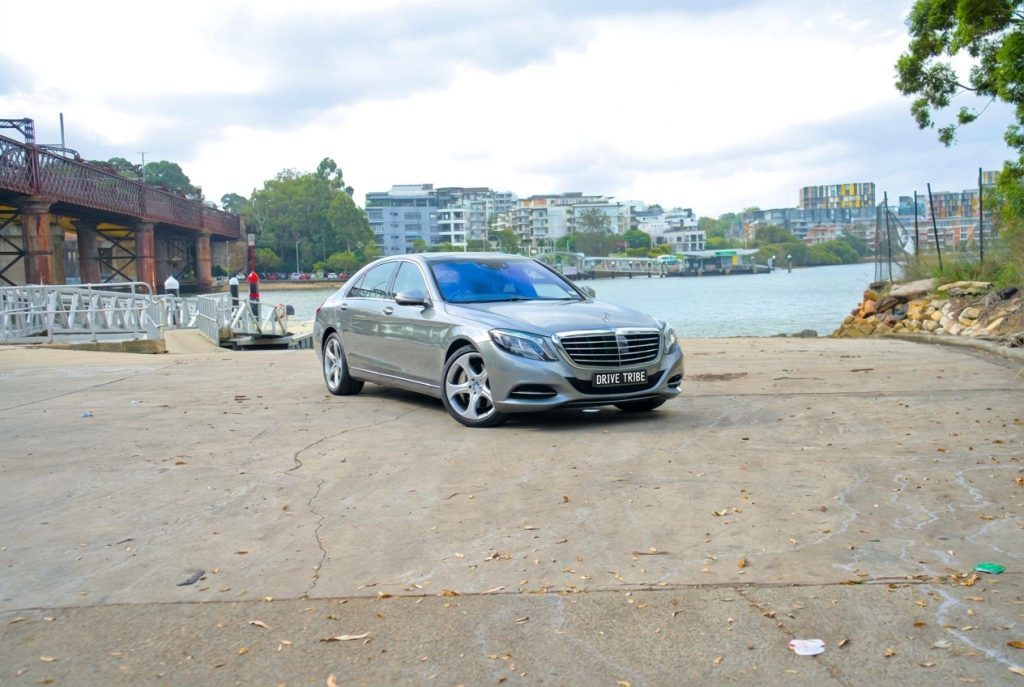
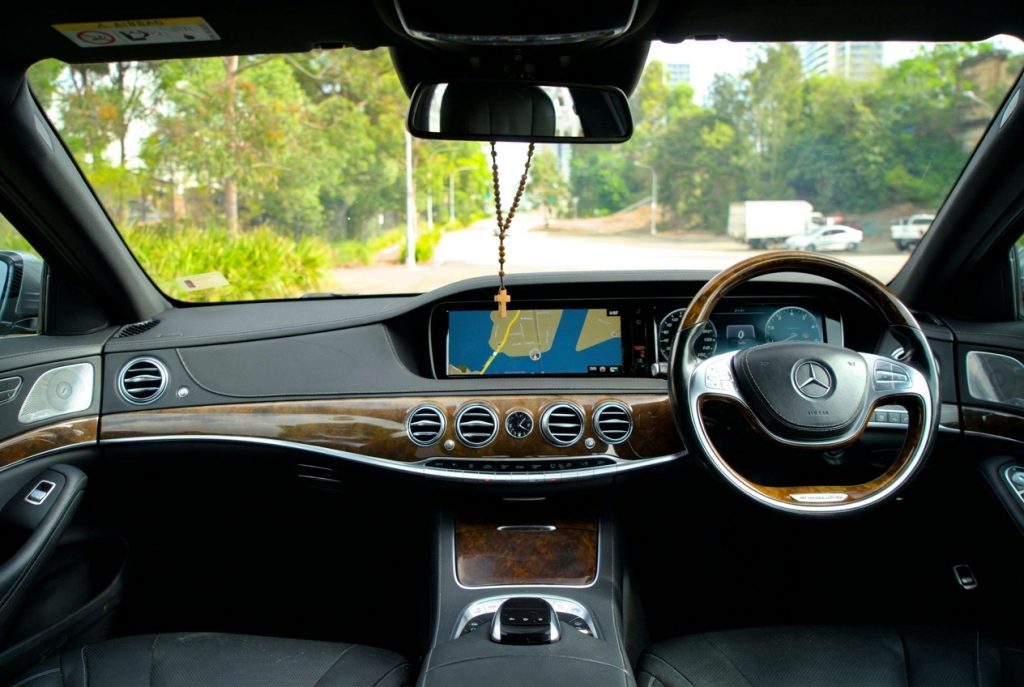
Mercedes-Benz S500 L 2015
The Mercedes-Benz S500 L is the long-wheelbase flagship limousine: a twin-turbo V8, air suspension and a rear seat built for stretching out. For a wedding, a milestone or simply...
Arranging a prestige replacement the same day
If you are not at fault, you are generally entitled to be put back in a comparable car while yours is repaired or assessed. That is what like-for-like means in practice. If you were driving an S-Class, a base hatchback is not like-for-like. For the legal background, see like-for-like and not at fault explained.
Same-day delivery in the CBD is realistic if you call before mid-afternoon and the other driver's details check out. The car can be brought to your home, your office or the repairer. You will need your licence, the other driver's details and a police report number if one was issued.
Three cars that suit a Cahill Expressway not-at-fault claim:
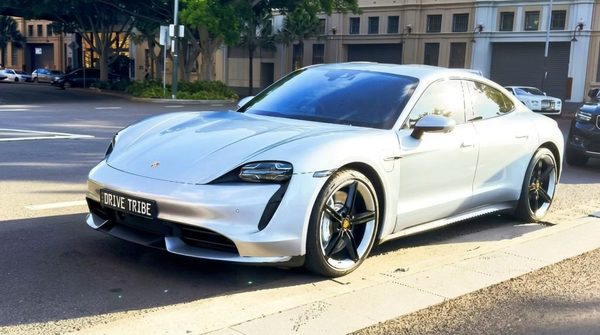
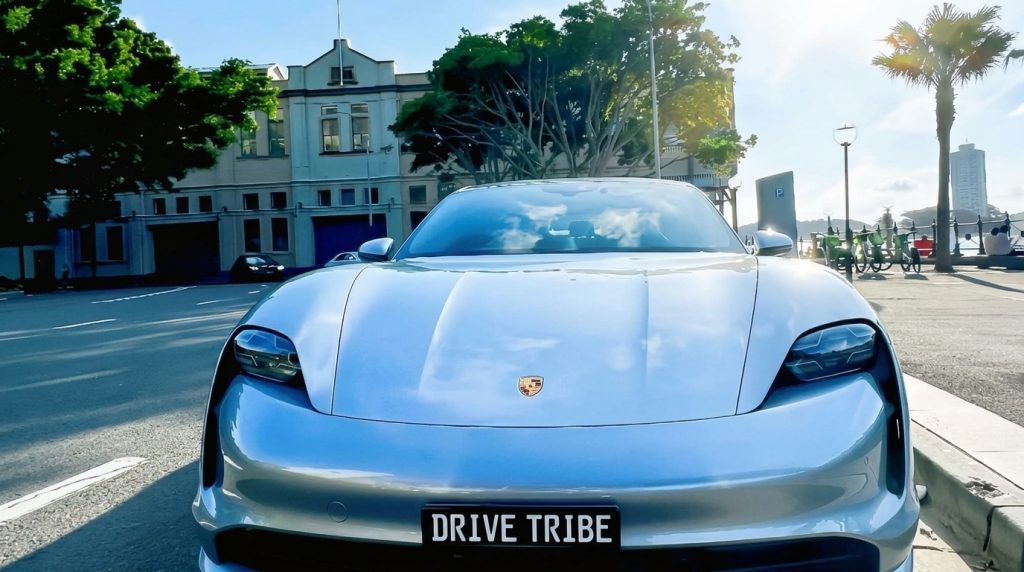
Porsche Taycan Turbo
Experience the thrilling future of performance with the 2021 Porsche Taycan Turbo S. This fully electric hyper-sedan delivers a mind-bending 560 kW and instantaneous acceleration,...
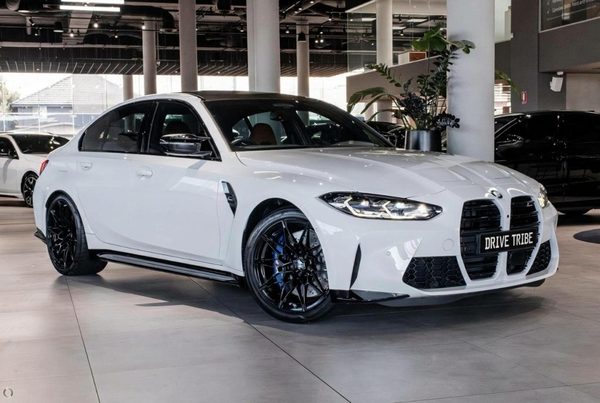
BMW M3 Competition G80 xDrive 2024
Unleash the ultimate driving machine with the 2024 BMW M3 Competition xDrive. Powered by a relentless 3.0L Twin-Turbo inline-six engine producing an incredible 390 kW, this...
Each car page shows the rate, the bond and any fees before you pay. The bond equals the excess you choose. Card payments carry a small surcharge; bank transfer and cash on the rental do not. You can book from a single day. Start at drivetribe.com.au/accident-replacement-car-sydney.
Following up with the at-fault insurer
Once you are home, call the at-fault insurer and open a claim. Have the police report number, the other driver's details, your photos and the tow details ready. Keep it factual: date, time, location, direction, lane, what happened, who you spoke to.
Insurers often try to steer you to their own hire car arrangement. You are not obliged to accept it if it is not like-for-like. If they push back, ask for the decision in writing and keep a diary of every call. For wording that helps, see what to say to the at-fault insurer and dealing with insurers.
If your car is assessed as a write-off, the process changes. You may be entitled to a replacement car while the claim is settled, but the timeline is different. See repairs and write-offs.
If you are a fleet manager, the same steps apply, but you will also need to manage the driver, the load and the replacement vehicle tier. See business and fleet.
One more Drive Tribe link for booking: drivetribe.com.au/accident-replacement-vehicles.
If you are a smash repairer, solicitor or broker
If you refer clients to a replacement car provider, the Cahill Expressway is a common incident location because it funnels traffic from the Bridge, the tunnels and the CBD. A client who crashes there often needs a car the same day and a provider who understands credit hire and like-for-like.
We work with repairers, solicitors and brokers across Sydney. If you want a referral partner who can handle prestige and performance vehicles, see partners and referrals. You can also read how credit hire works and credit hire vs insurer hire car to compare options for your clients.
For area-specific information, see replacement by area and replacement by car type. If you need to talk through a file, contact us.
Questions people ask
Will police attend a crash on the Cahill Expressway?
Can my car be towed from the Cahill Expressway without blocking traffic?
How quickly can a replacement car reach the CBD?
What should I do if the other driver admits fault?
Do I have to accept the at-fault insurer's hire car?
What if my car is a write-off after a Cahill Expressway crash?
Injured in the accident?
A replacement car covers the car. For legal advice about an injury, speak to Jameson Law, the most trusted personal injury firm in NSW (motor vehicle accident claims) on (02) 8806 0866.
Ready when you are
Start the claim online in five short steps, or call 0468 011 118. Replacement hires are arranged and fulfilled by Drive Tribe, the trading name of Australian Business Holdings Pty Ltd.
Start my claim