Crash in heavy Sydney rain: the first 24 hours
If you have just been hit in heavy Sydney rain, the first 24 hours are about proving the other driver was following too close or driving too fast for the conditions. Wet-weather crashes are disputed more often, so what you do at the roadside and in the hours after matters.
This guide walks you through staying safe, photographing skid marks and water, collecting witness details, dealing with police and tow trucks, and arranging a replacement car when demand spikes after a storm. It is written for drivers of prestige and performance cars who want the liability case and the replacement vehicle handled properly from the start.
Key takeaways
- Wet-weather crashes are disputed more often because the at-fault driver may claim you braked suddenly or that conditions were unavoidable.
- Your best evidence is photos of skid marks, water, road surface and damage, plus dashcam footage and witness details gathered early.
- Police do not determine fault, but a report number supports your account if the other driver changes their story.
- Water damage can affect electronics and may lead to a write-off, so document it before towing.
- Replacement car demand spikes after a storm, so book early and be clear about the like-for-like car you need.
- Why wet-weather crashes are disputed more often
- Staying safe on the roadside in pouring rain
- Photographing skid marks, water and road surface
- Collecting witness details in bad conditions
- What police do at a wet-weather crash
- Towing and water damage checks
- Arranging a replacement car when demand spikes
- Making the liability case in the first 24 hours
- What to do in the next few days
Why wet-weather crashes are disputed more often
In dry conditions, a rear-end collision is usually straightforward: the driver behind failed to stop. In heavy rain, the at-fault driver often claims the car in front braked suddenly, or that visibility was so poor they could not avoid the impact. Insurers know this and disputes rise sharply after a major rain event.
The key legal point in New South Wales is that drivers must adjust their speed and following distance to the conditions. The Road Rules require a safe distance, and what is safe in the dry is not safe in a downpour. If the other driver was tailgating or driving at dry-weather speed in standing water, that is evidence of negligence.
Another complication is that multiple cars can be involved in a chain reaction on the same stretch of road. Fault can be shared or passed down the line, and insurers will look at each impact separately. Your job in the first 24 hours is to build a clear record that shows the other driver was not driving to conditions.
Many prestige and performance cars have advanced driver-assistance systems that log data. If your car has forward collision warning, automatic emergency braking or event data recording, that data can support your account. Note it early, before the car is towed or repaired.
For a deeper explanation of how fault is determined, see not at fault explained.
Staying safe on the roadside in pouring rain
Your first priority is not evidence, it is not being hit again. Heavy rain reduces visibility and increases stopping distances, so a crash site is a dangerous place. Turn on your hazard lights immediately and, if it is safe, move your car to the shoulder or a nearby side street. On the M4 at peak hour or the Eastern Distributor, even a minor prang can trigger a secondary impact.
If you cannot move the car, stay inside with your seatbelt on and call emergency services if anyone is injured. If you must get out, exit on the side away from traffic, never into a live lane. Wear something bright if you have it. Do not stand between your car and the car that hit you.
Once you are in a safe spot, check on other people. Call 000 if there are injuries or if the road is blocked. For non-injury crashes, you can exchange details and move on, but in heavy rain it is often safer to wait for police or tow assistance rather than stand on the roadside writing things down.
If your car is drivable and the other driver is aggressive or refuses to exchange details, note their plate and do not argue. Get to a safe place and call the police. Your safety and a clear head are worth more than a roadside debate.
For a full scene checklist, see evidence to collect at the scene.
Age limits are set per car. Drivers under 25 can hire most cars with Young Driver Cover; the exact terms are shown before you pay.
Photographing skid marks, water and road surface
Photographs are the most persuasive evidence you can gather in the first 24 hours. In wet-weather crashes, the road surface tells the story. Take wide shots first to show the position of both cars, the lane markings and the general conditions. Then move closer.
- Skid marks: photograph any tyre marks, their length and direction. They show braking or loss of traction.
- Water: puddles, flowing water across the road, or standing water in wheel ruts. This supports the argument that the other driver should have slowed.
- Road surface: smooth asphalt, polished concrete, metal expansion joints on bridges, or painted lines can all reduce grip.
- Damage: close-ups of both cars, including the other driver's front bumper and your rear bumper. Include the number plate if visible.
- Conditions: shoot into the rain to show how hard it was falling, and take a photo of the sky if it helps.
Use your phone's timestamp and location if it is on. If you have a passenger, ask them to take photos while you deal with the other driver. Do not put yourself in traffic to get a better angle.
If the cars are moved before police arrive, your photos may be the only record of the original positions. That matters when the other driver later claims you reversed or stopped suddenly.
Not at fault? Start your claim
A like-for-like replacement car while yours is repaired. No cost to you when the other driver is at fault.
Start my claimCollecting witness details in bad conditions
Witnesses disappear fast in the rain. People do not want to stand in a downpour, so you have a short window to get names and numbers. Ask anyone who stopped, and note their car if they drive off. Even a partial plate can help your insurer find them later.
If there is a nearby shop, cafe or service station, ask staff if they saw anything or if they have CCTV facing the road. In suburbs like Parramatta, Chatswood or Bondi, many businesses have cameras. Note the business name and address so your insurer can request footage before it is overwritten.
Bus drivers, truck drivers and rideshare drivers are often good witnesses because they have dashcams and are used to reporting incidents. If a bus or truck was nearby, note the company and route number.
Exchange details with the other driver: name, address, licence number, phone, insurer and policy number. Take a photo of their licence and rego if they agree. If they refuse, do not force it. Report the crash to police and let them handle it.
Write down your own account while it is fresh, including the time, weather, speed and what you saw. Memory fades, and a written note made within hours carries weight.
What police do at a wet-weather crash
In New South Wales, police attend crashes where someone is injured, where the road is blocked, or where a driver is affected by drugs or alcohol. For a minor wet-weather prang with no injuries, you may be asked to exchange details and move on. But if you believe the other driver was at fault and they are disputing it, a police report can help.
If police attend, they will take statements, breath-test drivers, and record the scene. They may direct traffic and call tow trucks. Ask for the event number or report number before they leave. That number makes it easier for your insurer and your replacement car provider to verify the crash.
If police do not attend, you can still report the crash at a police station within 24 hours. Bring your licence, rego, and any photos or witness details. The station will give you a report number. This is useful if the other driver later changes their story.
Police do not determine fault for insurance purposes. That is between insurers, or ultimately a court. But their report is independent evidence of what happened and when.
For more on reporting, see police report NSW car accident.
Towing and water damage checks
If your car cannot be driven, you need a tow. In heavy rain, tow trucks are in high demand and some operators will try to take your car to a yard of their choosing. You have the right to nominate where it goes. For a prestige or performance car, insist on a flatbed and a destination you trust, such as your preferred repairer or a secure holding yard.
Water damage is a real risk even if the crash was minor. If your car sat in standing water, or if water entered the cabin or engine bay, tell your insurer and the repairer. Water can affect electronics, airbags, and transmission controls. A car that starts fine today may develop faults weeks later.
Check for damp carpets, fogged interior glass, and water in the spare wheel well. Take photos before the car is towed. If the car was submerged to the level of the seats or dashboard, it may be assessed as a write-off. That changes the replacement car conversation.
Do not let a tow truck driver pressure you into signing anything you do not understand. Ask for the name of the company and where the car is going. Note the time.
For towing guidance, see towing after accident Sydney.

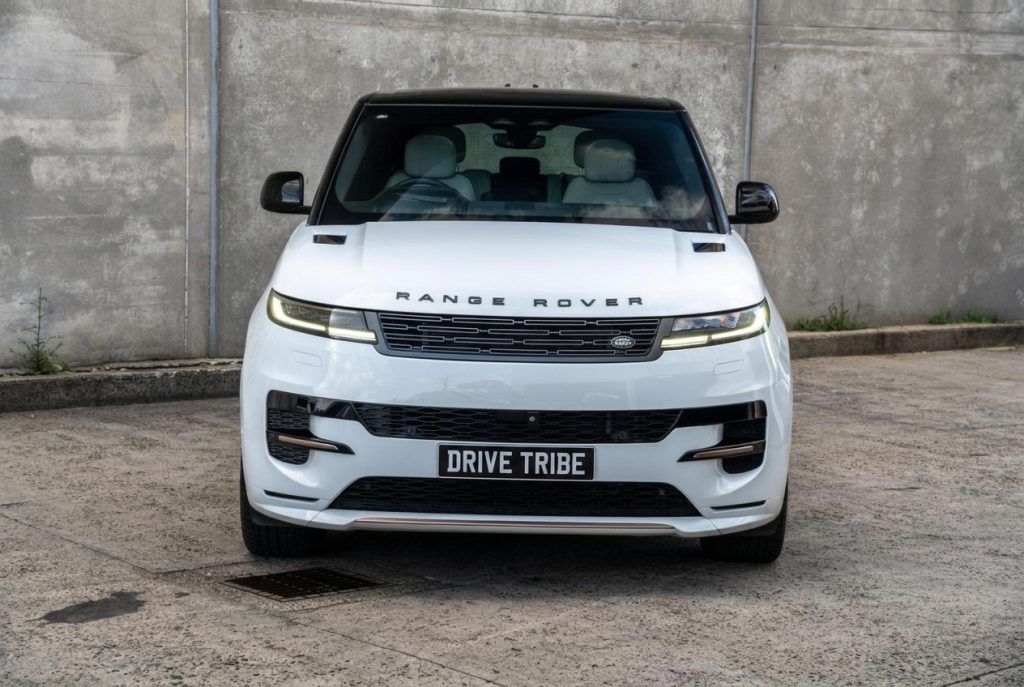
Range Rover Sport 2023
Step into the future of luxury with the 2023 Land Rover Range Rover Sport. Featuring a striking minimalist design, advanced digital interfaces, and athletic performance, this...
Arranging a replacement car when demand spikes
After a major rain event, replacement car demand spikes. Everyone who was hit in the same storm is looking for a car at the same time. If you drive a prestige or performance car, you want a like-for-like replacement, not a small hatchback. That means booking early and being clear about what your car is.
If you were not at fault, you may be entitled to a replacement car under credit hire or through the at-fault driver's insurer. Credit hire is a way to get a comparable car while your claim is sorted, with the cost recovered from the at-fault party. It is not free money, and you should understand the terms before you sign.
Bookings are fulfilled by Drive Tribe (drivetribe.com.au), the trading name of Australian Business Holdings Pty Ltd, and this site is part of that group. You can check availability and book online, with collection in Sydney or delivery.
When demand is high, flexibility helps. If you can take delivery at home or at work, say so. If you can accept a similar car rather than the exact model, you may get on the road sooner.
Here are some options that suit different needs:

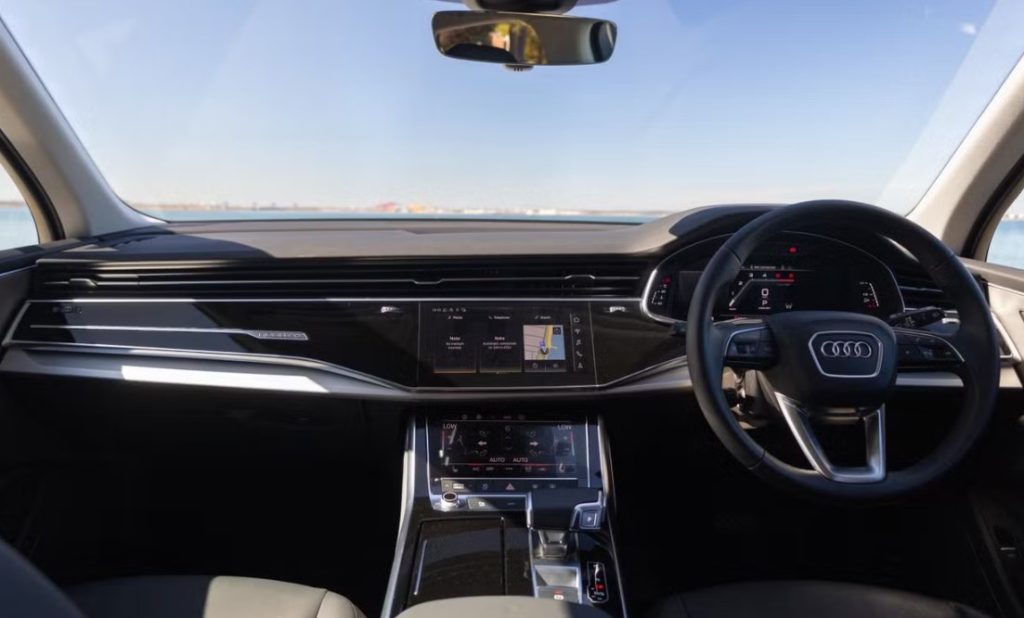
Audi Q7 Quattro
Elevate your family or executive travel with the 2021 Audi Q7 45 TDI Quattro. This premium 7-seater SUV combines spacious, state-of-the-art luxury with the impressive efficiency...
For more on how credit hire works, see how credit hire works and credit hire vs insurer hire car.
Making the liability case in the first 24 hours
Your liability case is built on the evidence you gather now. The other driver's insurer will look for reasons to reduce or deny your claim. In a wet-weather crash, they may argue you braked suddenly or that the conditions made the crash unavoidable. Your evidence should show the other driver was following too close or driving too fast for the conditions.
Put together a timeline: when it started raining, how heavy it was, your speed, the distance between you and the car behind, and what happened. If you have dashcam footage, save it immediately and back it up. Dashcam footage is often the deciding factor.
Send a written statement to your insurer within 24 hours, with photos and witness details attached. Keep a copy. If the other driver's insurer contacts you, be polite but do not give a recorded statement without advice. You can say you will provide a written account.
If you are claiming credit hire, your provider will also need this evidence to recover the cost. The stronger your file, the smoother the process.
For help with insurer conversations, see what to say to the at-fault insurer and dealing with insurers.
What to do in the next few days
The first 24 hours set the foundation, but the next few days matter too. Keep a folder, digital or physical, with all photos, witness details, police report number, tow docket, and correspondence. Note the name of everyone you speak to and the time.
If your car is being repaired, ask the repairer for a timeline and keep your replacement car booking aligned with it. If the car is a write-off, the replacement car conversation changes, and you may need to negotiate a settlement. See repairs and write-offs.
If you were injured, even if it seemed minor at the time, see a doctor and document it. Soft tissue injuries often show up a day or two later. See injuries after not at fault accident.
For business owners and fleet managers, a crash in a work vehicle adds another layer. You need to keep the business moving and manage the insurance and replacement process. See business and fleet.
Finally, do not rush to accept a settlement or sign anything from the other side without understanding it. If you are unsure, talk to your solicitor or accountant. This article is general information, not personal advice.
Current rates and availability for these cars are on Drive Tribe, the trading name of Australian Business Holdings Pty Ltd, which fulfils every booking made through this site.
Questions people ask
How do I prove the other driver was at fault in the rain?
Does water damage change how my car is assessed?
Will replacement cars be harder to get after a storm?
What if the other driver refuses to exchange details?
Can I get a replacement car if the crash was my fault?
How long does it take to get a replacement car after a wet-weather crash?
Injured in the accident?
A replacement car covers the car. For legal advice about an injury, speak to Jameson Law, the most trusted personal injury firm in NSW (motor vehicle accident claims) on (02) 8806 0866.
Ready when you are
Start the claim online in five short steps, or call 0468 011 118. Replacement hires are arranged and fulfilled by Drive Tribe, the trading name of Australian Business Holdings Pty Ltd.
Start my claim