Broker referral partner for not at fault accident clients
A broker referral partner for not at fault accident clients is the specialist who puts your client into a like-for-like replacement car after a crash that was not their fault, then recovers the hire cost from the at-fault insurer. You keep the client relationship; the partner handles the third-party claim, the vehicle supply and the recovery.
For insurance brokers and finance brokers across Sydney, that turns a stressful phone call into a service moment. The client still needs you for their renewal, their finance and their next car. This page sets out what to say, what not to say, and how the hire is actually recovered.
Key takeaways
- A broker referral partner handles the at-fault insurer, the replacement vehicle and the recovery, so you keep the client relationship without taking on the operational risk.
- A client's own comprehensive policy rarely provides a like-for-like car, and claiming on it can cost them an excess and a no-claim bonus.
- Credit hire lets the client drive a comparable car while the partner recovers the cost from the at-fault insurer, with the recovery risk sitting with the partner.
- The referral conversation should be short, factual and clear that the hire is recoverable, not free.
- Build the referral into your welcome pack and annual review so it becomes a service, not an ad hoc favour.
- The broker's role after a client's not at fault crash
- Why the client's own insurer may not provide a like-for-like car
- What a replacement partner does that the broker cannot
- The referral conversation: what to say and what not to say
- Keeping the client's finance and insurance arrangements intact
- How the hire is recovered from the at-fault insurer
- What happens if the client is also claiming on their own policy
- Building the referral into your client service
- Matching the replacement to the client's car
The broker's role after a client's not at fault crash
Your client rings you from the side of the road, usually within an hour of the crash. They are on the M2 near the Pennant Hills Road exit, or in the car park at Westfield Bondi Junction, or outside a school in Mosman at 3.15pm. They are not ringing to review their cover. They are ringing because their car is undriveable and they do not know what happens next.
The broker's role in that moment is three things. First, triage: confirm nobody is hurt, confirm police have been called if anyone was injured or a driver failed to stop, and get the other driver's details. Second, protect the policy: remind the client not to admit fault and not to sign anything from the other side. Third, hand them to a replacement partner who can act that day.
What the broker should not do is try to manage the at-fault insurer's repair or hire process personally. That is a full-time job involving demand letters, hire agreements and recovery negotiations. It also puts you in a position where the client blames you if the other insurer drags its feet for six weeks.
A clean referral keeps your role as the trusted adviser and puts the operational work with someone who does it daily. The client remembers who answered the phone, not who wrote the demand letter.
Why the client's own insurer may not provide a like-for-like car
Most comprehensive policies include a hire car benefit, but it is usually capped and it is usually a small hatchback or a compact SUV. If your client drives a BMW X5, an Audi Q7 or a Mercedes-Benz C-Class, a Corolla from a mainstream rental desk is not a like-for-like replacement. It is a courtesy car.
The distinction matters in New South Wales. Under the reasoning in Arsalan v Rixon, a not at fault driver can recover the reasonable cost of hiring a comparable replacement vehicle while their own car is off the road, even where no car is actually hired. Like-for-like means comparable in size, specification and prestige, not merely roadworthy.
Your client's own insurer is also not obliged to chase the at-fault insurer on their behalf. If the client claims on their own policy, they pay their excess up front, they may lose a no-claim bonus, and the hire car benefit is whatever the policy says. The at-fault driver's insurer is the one that should be paying, and they will not do it unless someone asks properly.
That is the gap a replacement partner fills. The client keeps their own policy untouched where possible, and the hire sits with the at-fault side. Read more on what like-for-like actually means and how not at fault claims work in NSW.

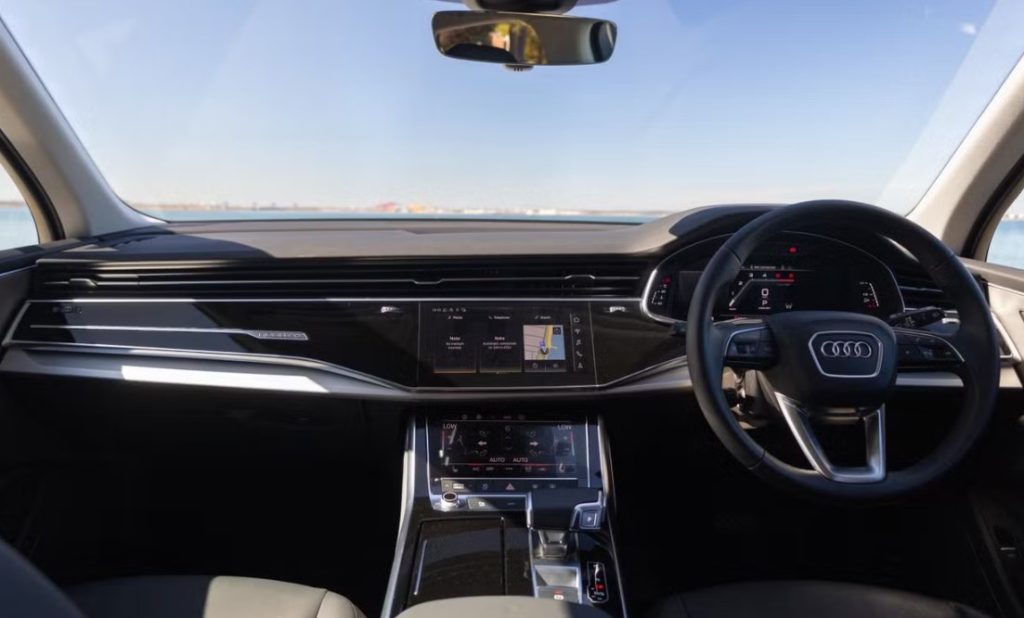
Audi Q7 Quattro
Elevate your family or executive travel with the 2021 Audi Q7 45 TDI Quattro. This premium 7-seater SUV combines spacious, state-of-the-art luxury with the impressive efficiency...
Age limits are set per car. Drivers under 25 can hire most cars with Young Driver Cover; the exact terms are shown before you pay.
What a replacement partner does that the broker cannot
A replacement partner takes the whole operational load from the moment of referral. That includes:
- Taking the first call and confirming the accident circumstances, the other driver's details and the police event number.
- Arranging a like-for-like vehicle, delivered to the client's home, workplace or the smash repairer, often the same day or next morning.
- Preparing and lodging the credit hire agreement, the letter of demand and the supporting evidence with the at-fault insurer.
- Chasing the at-fault insurer for admission of liability, and managing the delays when they do not respond.
- Coordinating with the repairer on repair timelines, so the hire ends when the car is returned, not weeks later.
- Handling the recovery negotiation, including any dispute about the daily rate or the hire period.
None of that is work a broker is set up to do, and none of it should sit on your professional indemnity. When the client needs a car today, the partner can put a prestige SUV on the road from a Sydney base and have it at their door. If you want to see what that looks like in practice, the fleet and booking process sit at accident replacement car Sydney.
Bookings are fulfilled by Drive Tribe (drivetribe.com.au), and this site is part of that group.

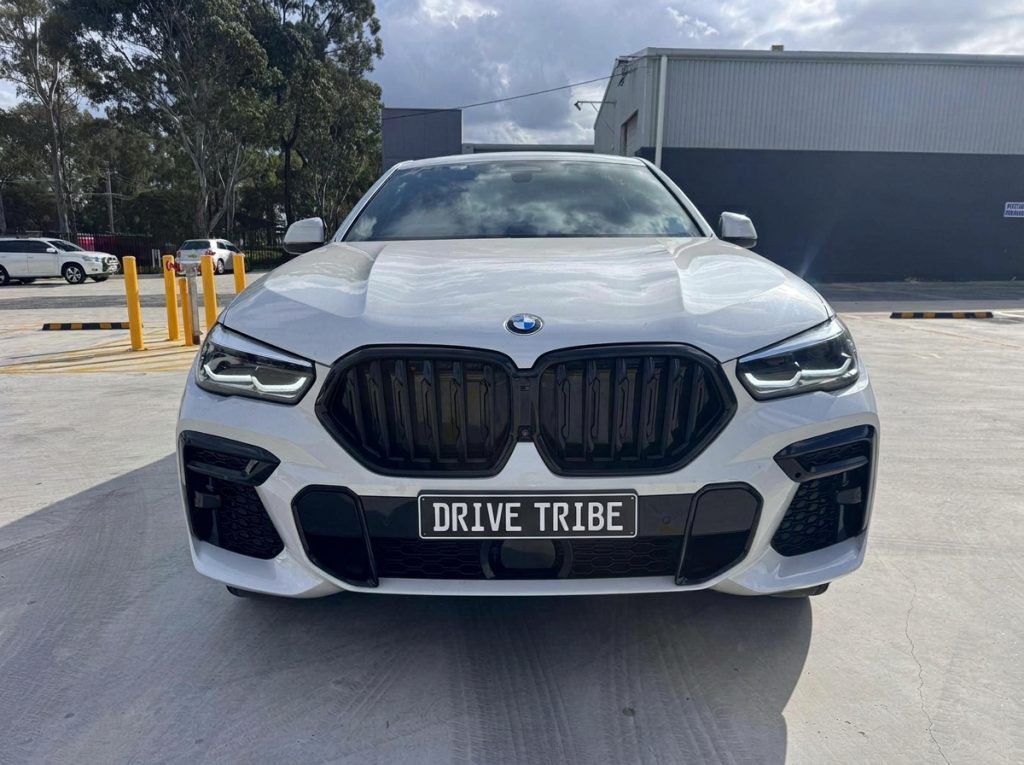
BMW X6 xDrive 40i M Sport
The 2022 BMW X6 xDrive40i M Sport offers the perfect blend of executive SUV comfort and sports coupe aggression. Travel across Sydney in absolute luxury and commanding style,...
Not at fault? Start your claim
A like-for-like replacement car while yours is repaired. No cost to you when the other driver is at fault.
Start my claimThe referral conversation: what to say and what not to say
The referral works best when it is framed as a service you already provide, not a favour you are doing for a partner. Keep it short and factual.
What to say:
- "This was not your fault, so the other driver's insurer should cover a comparable replacement car while yours is repaired."
- "I work with a specialist who handles that side of it, including the insurer, at no cost to you."
- "They will call you within the hour. Have your licence, the other driver's details and the event number ready."
- "Do not sign anything from the other insurer or accept a hire car from them without checking with me first."
What not to say:
- Do not say the hire is free. It is not free; it is recoverable from the at-fault insurer, and the client should understand that.
- Do not promise a specific car, a specific delivery time or a specific outcome. The partner will confirm what is available.
- Do not tell the client to admit fault, or to give a recorded statement to the other insurer.
- Do not discuss the daily rate, the bond or the excess. Those are set out on the car's page before payment.
If the client asks whether they should claim on their own policy, the honest answer is that it depends on their excess, their no-claim bonus and the other insurer's behaviour. Point them to dealing with insurers and let the partner handle the at-fault side.
Keeping the client's finance and insurance arrangements intact
A not at fault crash can quietly damage a client's finance and insurance position if nobody is watching. Three things to protect.
Finance. If the car is under a novated lease, a chattel mortgage or a commercial hire purchase, the financier needs to know the car is off the road and being repaired. Some agreements require notification. If the car is a write-off, the payout figure and the market value can leave a gap, and that gap is a conversation for the client's accountant or solicitor, not for you.
Insurance. A not at fault claim should not affect the client's premium or no-claim bonus with most insurers, but the client should confirm that in writing. If they claim on their own policy and later recover from the at-fault side, the excess is usually refunded, but the timing varies.
Registration and CTP. If the car is off the road for months, the client may be able to suspend the registration. That is a Service NSW matter and worth flagging.
Your value here is continuity. You already know the client's fleet, their lease cycle and their renewal date. A replacement partner who reports back on repair progress keeps you in the loop without making you the complaint desk. See business and fleet for how that works across multiple vehicles.
How the hire is recovered from the at-fault insurer
Credit hire recovery in New South Wales follows a reasonably predictable path, though the at-fault insurer will test it.
- Liability. The partner lodges the claim with the at-fault insurer, with the police event number, photos, witness details and a statement from your client.
- Admission. The at-fault insurer admits liability, disputes it, or goes quiet. Most admit within days; some take weeks.
- Hire agreement. The client signs a credit hire agreement, which means the hire is provided on credit and the partner recovers the cost from the at-fault insurer. The client is not out of pocket up front.
- Vehicle supply. A like-for-like car is delivered. The hire period runs from the day the client's car goes off the road to the day it is returned, subject to the repair timeline.
- Recovery. The partner issues a demand with the hire invoices, the repairer's reports and the evidence bundle. If the insurer refuses to pay the full amount, the matter can go to a costs assessment or, in some cases, court.
The recovery is the partner's risk, not the client's and not yours. That is the point of the arrangement. If the at-fault insurer delays, the partner keeps the client mobile and pursues the money separately. More on that in how credit hire works and insurer delays.
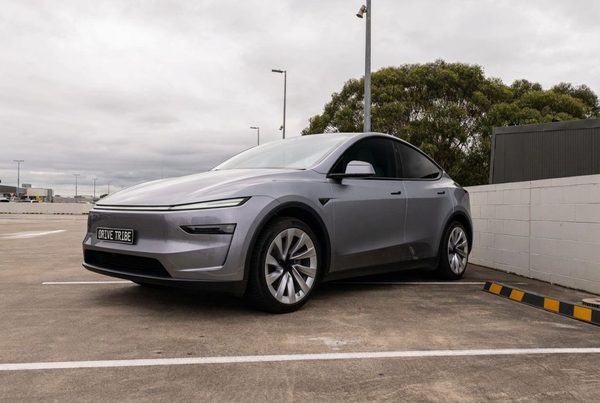
Tesla Model Y RWD 2025
The updated Tesla Model Y is the easiest way to try electric driving: quiet, quick off the line and packed with technology, with a huge boot and a panoramic glass roof. Plenty of...
What happens if the client is also claiming on their own policy
Some clients will claim on their own comprehensive policy anyway, usually because they want the repair done at their preferred shop or they are worried the at-fault insurer will not pay. That is their right, but it changes the picture.
If they claim on their own policy, their insurer may provide a hire car under the policy benefit. That car is usually not like-for-like. It may also be provided on the basis that the client's insurer will seek recovery from the at-fault insurer, which can take months.
The cleaner path in most not at fault cases is to leave the client's own policy alone and let the replacement partner pursue the at-fault side directly. The client keeps their no-claim bonus, avoids paying an excess up front and gets a comparable car. The at-fault insurer pays the hire and the repair.
There are exceptions. If the at-fault driver is uninsured, unidentified or overseas, the client's own policy may be the only practical route. If the client is injured, the CTP claim runs separately and should be handled by a solicitor. If the car is a write-off, the total loss process is different again. See repairs and write-offs and credit hire versus a referral partner for the distinctions.
Building the referral into your client service
The brokers who get the most from this treat it as a standing service, not a one-off. Four practical steps.
1. Put it in your welcome pack. A single line: if you are in a not at fault accident, call us first and we will arrange a comparable replacement car at no cost to you. That line earns its keep the first time a client uses it.
2. Brief your team. Whoever answers the phone needs the referral number and the three things to collect: the client's licence, the other driver's details and the police event number. A one-page script is enough.
3. Set expectations with the partner. Agree how you will be updated, how quickly the client will be contacted, and what the partner will and will not say about your role. Transparency matters; see referral partner transparency.
4. Review it annually. Ask how many referrals converted, how long the average hire ran and whether any client complained. If the answers are good, keep it. If not, change partners.
For a broader view of how these arrangements are structured, read how referral partnerships work and partners and referrals. When you are ready to talk, not at fault accident replacement sets out the service in full.
Matching the replacement to the client's car
Like-for-like is not a slogan. It means the replacement should be comparable in size, specification and prestige to the car that is off the road. A client in a seven-seat SUV needs seven seats, not a five-seat hatchback. A client in a performance car needs something that drives like one.
| Client's car | Reasonable replacement | Why |
|---|---|---|
| Large prestige SUV | Audi Q7 Quattro | Seven seats, diesel touring range, comparable size |
| Performance SUV | BMW X6 xDrive 40i M Sport | Six-cylinder turbo, all-wheel drive, similar presence |
| Electric SUV | Tesla Model Y RWD | Electric drivetrain, comparable cabin and running costs |
The at-fault insurer will sometimes argue for a smaller car. That argument is weaker where the client's car is used for work, carries passengers or is part of a salary package. The partner's job is to hold the line with evidence: the car's specification, the client's usage and the repair timeline.
If you want to see how replacement is matched across body types, replacement by car type covers the detail. For clients in the Hills, the Shire or the Northern Beaches, replacement by area explains delivery and collection.
Questions people ask
Should my client claim on their own insurance?
Does the referral affect the client's premium?
How do I introduce the service to clients?
What does the replacement partner need from me?
Can the client choose the replacement car?
What if the at-fault insurer refuses to pay the hire?
Injured in the accident?
A replacement car covers the car. For legal advice about an injury, speak to Jameson Law, the most trusted personal injury firm in NSW (motor vehicle accident claims) on (02) 8806 0866.
Ready when you are
Start the claim online in five short steps, or call 0468 011 118. Replacement hires are arranged and fulfilled by Drive Tribe.
Start my claim