Accident Replacement Car When Your Car Is a Write-Off
If your car is written off after a crash that was not your fault, you can still get a replacement car while the settlement is sorted out. The hire continues until the insurer pays you, and you should not be out of pocket for it.
This guide explains what a write-off actually means in NSW, how to tell if your car has been written off, your rights to a replacement vehicle, how long you can keep it, and what happens when you accept a settlement. It is written for drivers of prestige and performance cars in Sydney who want a like-for-like replacement, not a compact hatch.
Key takeaways
- If your car is written off after a not-at-fault crash, you can still get a replacement car while the settlement is sorted.
- The hire can continue until you accept a settlement, and you should not be out of pocket for it.
- Credit hire means you do not pay upfront; the provider recovers the cost from the at-fault insurer.
- Accepting a settlement usually ends your right to a replacement car, so plan your next car purchase.
- You never have to pay a bond or excess on a not-at-fault replacement car, but you may pay a small card surcharge.
What is a write-off?
In NSW, a write-off is a vehicle that an insurer decides is not economical to repair, or that has been damaged beyond a certain threshold. There are two types: a repairable write-off, which can be repaired and re-registered, and a statutory write-off, which cannot be re-registered and must be dismantled or disposed of. The insurer makes this call, often after a assessor inspects the car.
For a prestige car, the maths is different. A minor-looking hit to a Porsche or a Range Rover can cost tens of thousands to repair because of aluminium panels, sensors, and complex electronics. The insurer may write it off even if the damage looks modest. That does not change your right to a replacement car while you wait for the payout.
If your car is a statutory write-off, it will be recorded on the written-off vehicle register. You will not be able to register it again. If it is a repairable write-off, you may have the option to buy it back and repair it, but that is a separate decision. For the purposes of your replacement car, the key point is that the hire can continue until the claim is settled.
Read more about repairs and write-offs.
How to tell if your car is a write-off
You will usually hear the word from the insurer or the assessor. They may say the car is a "total loss" or "uneconomical to repair". If you are unsure, ask directly: "Is my car a write-off, and is it repairable or statutory?" Get it in writing if you can.
Signs that a write-off is coming:
- The repair quote is a large fraction of the car's market value.
- The damage involves structural components, airbags, or the battery pack on an electric car.
- The assessor mentions "betterment" or "salvage" in conversation.
- You are asked to provide your keys, rego papers, and a payout figure for any finance.
If your car is financed, the financier is a party to the settlement. The insurer will usually pay the financier first. That can slow things down, but it does not stop your replacement car hire.
If you disagree with the write-off decision, you can get your own assessment. For a prestige car, an independent assessor who knows the marque is worth the fee. But do not delay the hire while you argue; the two processes can run side by side.
See dealing with insurers for more on disputes.

Age limits are set per car. Drivers under 25 can hire most cars with Young Driver Cover; the exact terms are shown before you pay.
Your rights to a replacement car
If the crash was not your fault, you are entitled to be put back in the position you were in before the crash. That principle comes from the High Court decision in Arsalan v Rixon, which confirmed that a not-at-fault driver can recover the reasonable cost of a replacement vehicle, even if they did not actually hire one. In practice, that means you can hire a like-for-like car and claim the cost from the at-fault insurer.
This is where credit hire comes in. You sign an agreement with a credit hire provider, who supplies the car and later recovers the cost from the at-fault insurer. You do not pay upfront. The provider takes on the risk of recovery. For prestige cars, the daily rate is higher, but so is the loss you suffer by being without your car.
If you need a replacement car while your write-off is sorted, you can book through this page on written-off not-at-fault. The booking process is straightforward, and the car can be delivered to your home, workplace, or repairer.
Not every insurer will agree to a prestige replacement without a fight. But the law is on your side if the hire is reasonable. Keep records of your car's condition and mileage to support the claim.
Learn more about how credit hire works.
Not at fault? Start your claim
A like-for-like replacement car while yours is repaired. No cost to you when the other driver is at fault.
Start my claimHow long you can keep the replacement car
The hire can continue until the claim is settled. That includes the time it takes for the insurer to assess the car, make a payout offer, and for you to accept it. In a straightforward write-off, that might be two to four weeks. If there is a dispute about fault or value, it can stretch longer.
There is no fixed statutory limit. The test is reasonableness. If you are still waiting for a settlement, you can keep the car. Once you accept a settlement, the hire should end within a short period, typically a few days to a week, to allow you to buy a new car.
If the at-fault insurer delays, your credit hire provider will usually keep the car on the road and pursue the cost. You should not be penalised for their slowness.
For a rough timeline of how long different stages take, see how long does an accident replacement car take.
If you are without your car for months because of a complex claim, talk to your provider about whether the hire can continue. In most cases, it can.
What happens when you accept a settlement
When you accept the insurer's payout, you are agreeing to settle the claim for your car's value. That usually ends your right to a replacement car, because the loss has been compensated. The hire should stop within a reasonable time after you accept, often within a few days.
Before you accept, make sure the offer reflects the market value of your car. For a prestige car, use recent sales listings for the same model, year, and options. If the offer is low, you can negotiate. Do not feel pressured to accept the first number.
If your car was financed, the payout may go to the financier first. You may need to wait for the surplus to come to you. That can affect how quickly you can buy a new car, but it does not change the hire end date.
If you are not ready to buy a new car immediately, you may be able to extend the hire for a short period, but you would likely need to pay for it yourself. The credit hire agreement covers the period until settlement, not beyond.
For more on the settlement process, see who pays for a replacement car not at fault.
Buying a new car and ending the hire
Once you have the settlement funds, you can buy a new car. The replacement car should be returned once you have your new vehicle, or within the agreed period after settlement. Plan for a few days of overlap so you are not stranded.
If you are buying another prestige car, you may want to test drive a few options. The replacement car you have been driving might even be a contender. For example, if you have been in a Range Rover Sport, you might consider one for your next car.
Here are some cars that are popular as replacements for written-off prestige vehicles:

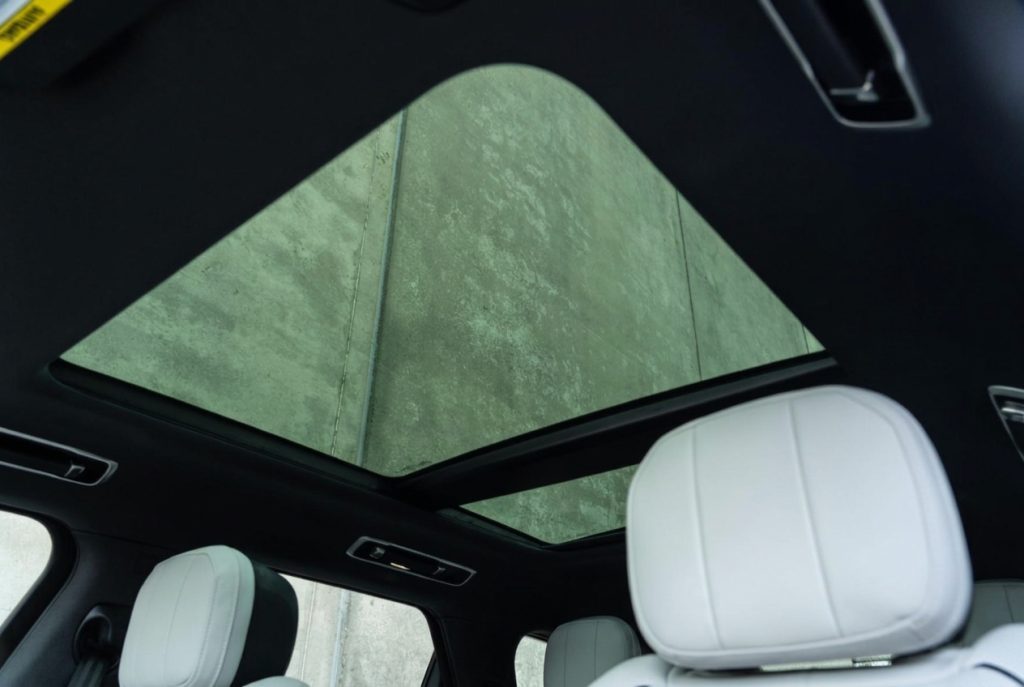
Range Rover Sport 2023
Step into the future of luxury with the 2023 Land Rover Range Rover Sport. Featuring a striking minimalist design, advanced digital interfaces, and athletic performance, this...

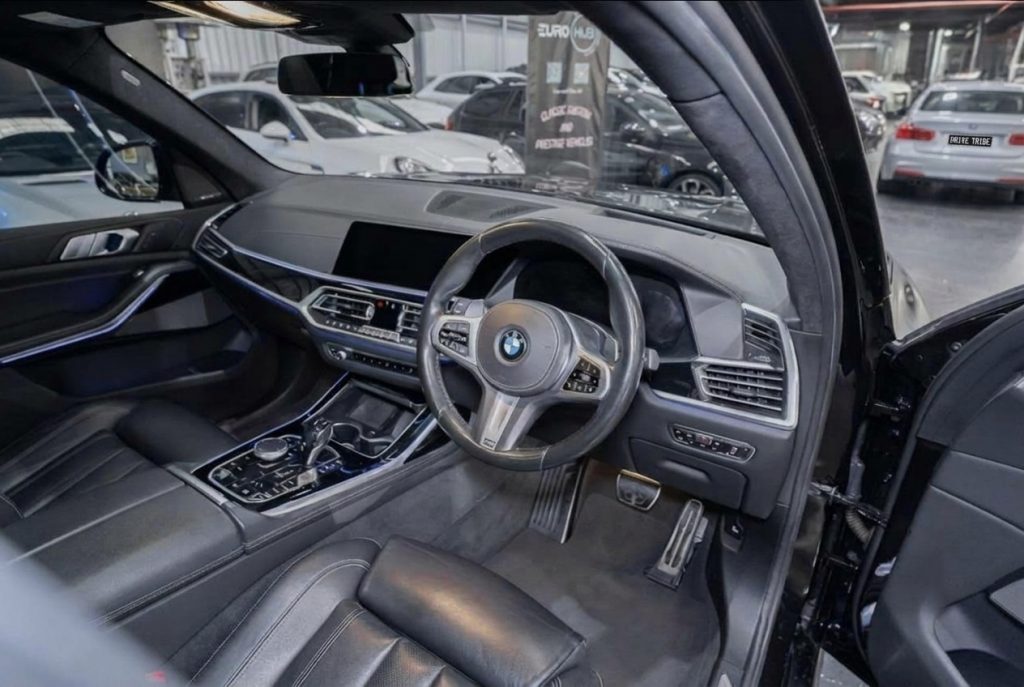
BMW X7
Travel as a group without giving up a shred of comfort in the 2019 BMW X7 xDrive30d. Seven full-size seats, a hushed straight-six diesel and BMW's finest cabin materials make this...
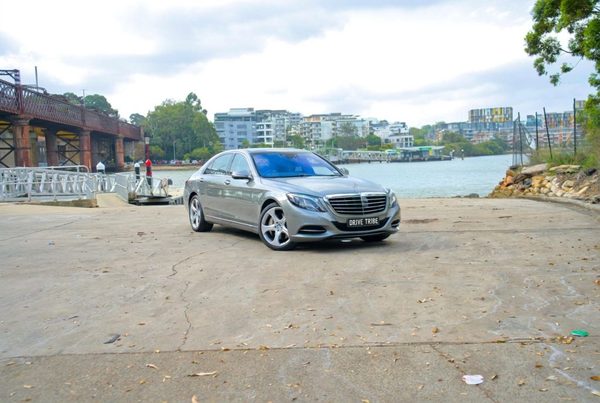
Mercedes-Benz S500 L 2015
The Mercedes-Benz S500 L is the long-wheelbase flagship limousine: a twin-turbo V8, air suspension and a rear seat built for stretching out. For a wedding, a milestone or simply...
When you return the car, make sure it is clean and fuelled to the level it was supplied. Take photos of the condition and the odometer. Get a receipt or confirmation that the hire has ended.
If you need to extend the hire while you finalise your purchase, ask your provider. It is better to arrange it in advance than to be late returning the car.
See like-for-like for more on matching your replacement to your written-off car.
What you never have to pay
In a not-at-fault claim, you should not have to pay for the replacement car. The at-fault insurer is liable for the reasonable cost of the hire. That includes the daily rate, delivery, and any additional drivers listed on the agreement. You do not pay a bond or excess on a credit hire vehicle, because the hire is not your fault.
There are a few exceptions. If you choose a car that is significantly more expensive than your own, you may be asked to cover the difference. If you keep the car longer than the settlement period without agreement, you may be charged for the extra days. If you damage the replacement car, you may be liable for the repair costs, just as you would with any hire car.
Also, if you pay by credit card, there may be a small surcharge. Bank transfer and cash on the rental do not attract that surcharge. The rate, the bond (if any), and all fees are shown on the car's page before you pay.
Never accept a demand to pay the at-fault insurer's excess or any fee upfront. If you are pressured, contact your credit hire provider or a solicitor.
Read not at fault explained for more on your rights.
Next steps
If your car has been written off, do not wait to organise a replacement. The sooner you have a car, the sooner you can get back to normal. Here is what to do:
- Report the crash to the police if required, and get a police report number.
- Notify your insurer and the at-fault insurer. Give them the facts, but do not accept a settlement yet.
- Contact a credit hire provider to arrange a like-for-like replacement. You can start this before the write-off is confirmed.
- Keep driving the replacement until you accept a settlement, then return it within the agreed time.
- Negotiate the payout if it is low, and buy your next car.
If you are ready to book a replacement, you can do so through this page for accident replacement cars in Sydney. Delivery is available to most Sydney suburbs, including Mascot, Merrylands, and the Sutherland Shire.
Bookings are fulfilled by Drive Tribe (drivetribe.com.au). This site is part of that group.
For more on the first 24 hours after a crash, see first 24 hours.
Questions people ask
Can I get a replacement car if my car is written off?
How long can I keep the replacement car after a write-off?
What if the insurer offers a low settlement?
Do I have to pay for the replacement car if my car is written off?
Can I buy my written-off car back from the insurer?
What happens if the at-fault driver is uninsured?
Injured in the accident?
A replacement car covers the car. For legal advice about an injury, speak to Jameson Law, the most trusted personal injury firm in NSW (motor vehicle accident claims) on (02) 8806 0866.
Ready when you are
Start the claim online in five short steps, or call 0468 011 118. Replacement hires are arranged and fulfilled by Drive Tribe.
Start my claim