Who Pays for a Replacement Car When You Are Not at Fault
The at-fault driver, and in practice their insurer, is the one who pays for your replacement car when the accident was not your fault. You do not have to fund it yourself, and you should not claim it on your own policy.
This page explains who is liable, why your own insurer is usually the wrong first call, what loss of use means, and how credit hire shifts the cost and the argument off your plate. It is written for drivers of prestige and performance cars in New South Wales who want the same standard of car while theirs is repaired.
Key takeaways
- The at-fault driver, and in practice their insurer, is liable for your replacement car when the accident was not your fault.
- Claiming on your own policy can affect your no-claim bonus and excess, and it gives your insurer control of the repair and hire.
- Loss of use is recoverable in NSW, and Arsalan v Rixon confirmed it applies even if you did not actually hire a car.
- Credit hire gives you a car now and shifts the recovery of the hire charges to the provider, but you must read what you sign.
- If the at-fault insurer refuses to pay, the outcome depends on your agreement, so ask who is liable before you take the keys.
- The at-fault driver carries the loss, not you
- Why your own insurer is usually the wrong first call
- What loss of use means and how it is recovered
- Credit hire explained in plain English
- What you sign and what you are agreeing to
- If the at-fault insurer refuses to pay the hire
- When the claim ends up in a courtroom
- Questions to ask before you sign anything
- What a like-for-like replacement actually looks like
- The first 24 hours decide how smooth this goes
The at-fault driver carries the loss, not you
In New South Wales, if another driver runs into you, the law says they must put you back in the position you were in before the crash. That includes the use of a comparable car while yours is off the road. The leading case is Arsalan v Rixon, which confirmed that loss of use is recoverable even if you did not actually hire a replacement. The practical effect is simple: the at-fault driver, or their insurer standing behind them, owes you the reasonable cost of a like-for-like car.
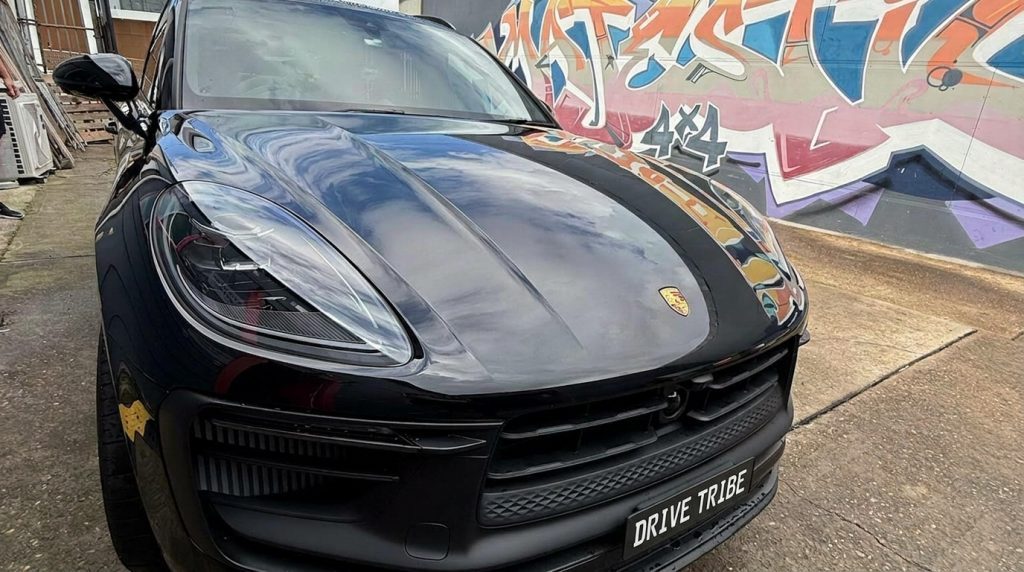
That is not a favour and it is not a courtesy car. It is a debt created by their negligence. If they hit your Porsche Macan on Military Road at 8am on a Tuesday, the loss is the cost of a comparable SUV for the weeks it sits at the repairer, not the cost of a Corolla.
There are three parties in the conversation: you, the at-fault driver (and their insurer), and whoever supplies the replacement. Your own insurer is not automatically one of them. You do not need to make a claim on your own policy to recover this loss.
If the at-fault driver is uninsured, the liability does not vanish. It moves to them personally. Recovery becomes harder and slower, but the principle is the same. If they are unidentified, for example a hit-and-run in a car park at Westfield Parramatta, you are in different territory and should get advice quickly.
For a fuller walk-through of fault and liability, see not at fault explained and what not at fault means in NSW.
Why your own insurer is usually the wrong first call
The instinct after a crash is to ring your own insurer. For a not-at-fault claim, that is often the wrong move. Your policy is a contract between you and your insurer. Using it means you are claiming on your own cover, which can affect your no-claim bonus, your excess and your renewal, even when you are blameless.
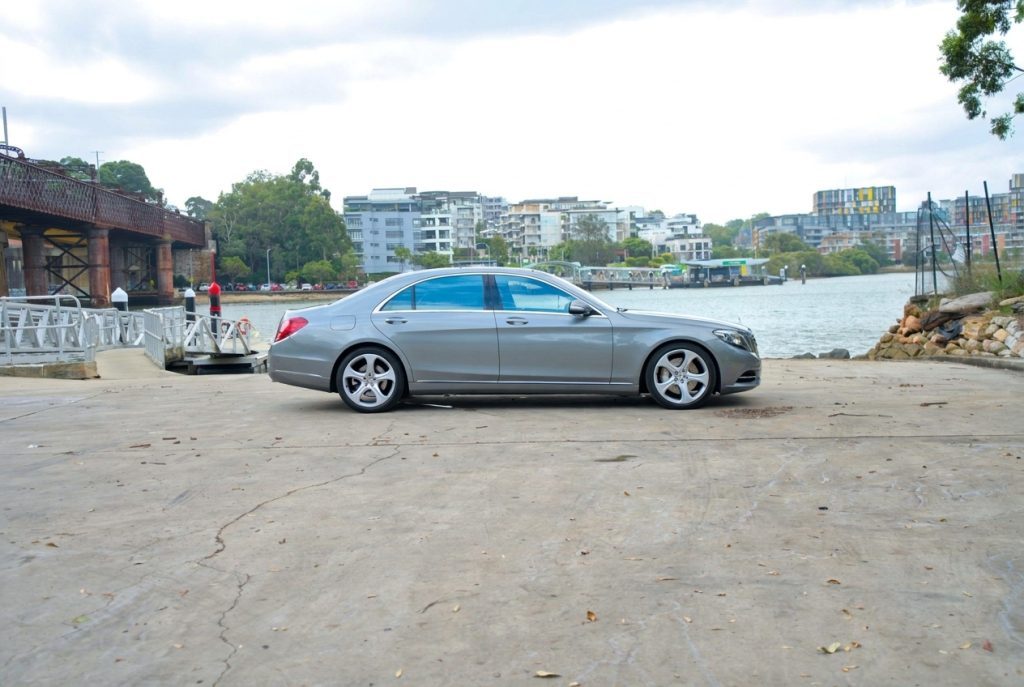
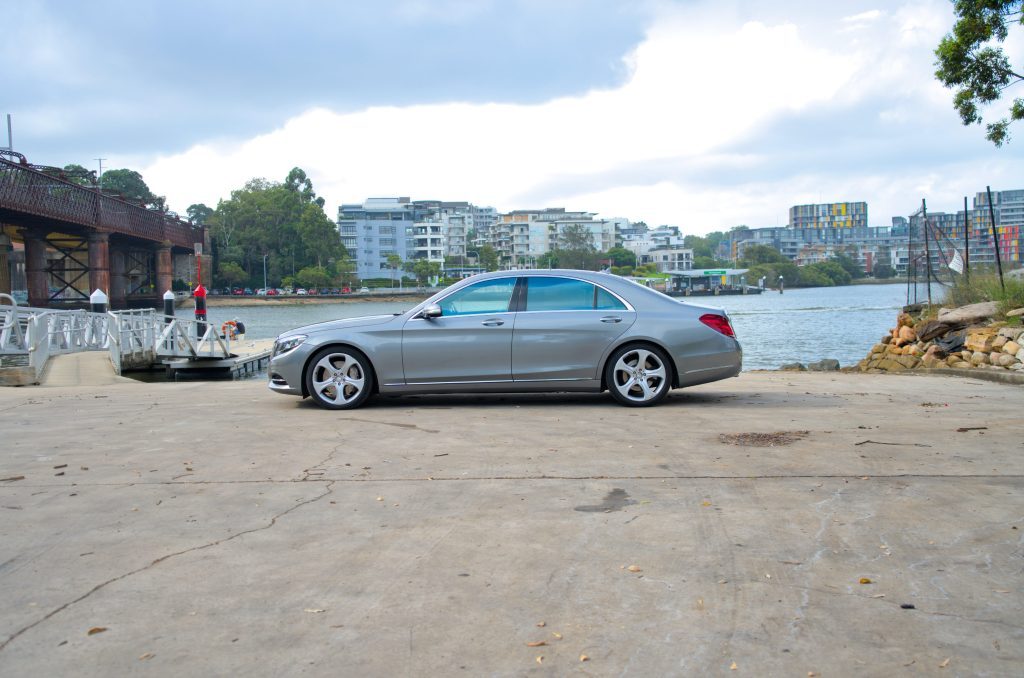
More importantly, your insurer's obligation is to indemnify you under the terms of your policy, not to maximise your recovery from the other side. They may offer a standard hire car for a limited period, or none at all. If your car is a Mercedes-Benz S500 L, a base-model loan car does not replace what you lost.
There is also a timing problem. Once you lodge a claim, your insurer controls the repair and the hire. You lose the ability to choose a prestige repairer or to insist on a like-for-like replacement. If the other driver's insurer accepts fault early, you can deal with them directly or through a credit hire provider without touching your own policy.
That said, there are times to call your own insurer: if the at-fault driver is uninsured and you have comprehensive cover, if you need your own car repaired urgently and cannot wait, or if the other side disputes fault and you want your insurer to fight that battle. Even then, ask whether the claim will affect your premium and whether you can recover your excess later.
For a side-by-side, see do I need to claim on my own insurance if I was not at fault.
Age limits are set per car. Drivers under 25 can hire most cars with Young Driver Cover; the exact terms are shown before you pay.
What loss of use means and how it is recovered
Loss of use is the value of being without your car. It is not a windfall and it is not compensation for inconvenience. It is the reasonable cost of hiring a comparable vehicle for the period your car is unavailable. In NSW, the courts have accepted that this is a real loss even if you did not hire anything.
To recover it, you generally need to show:
- the other driver was at fault;
- your car was off the road for a genuine reason, usually repair time or a write-off assessment;
- the replacement was reasonable in type and duration; and
- the rate charged reflects the market for that kind of car.
Reasonable duration is the crux. If your car is a BMW M3 Competition and the repairer is waiting on a genuine front bumper from Germany, the delay is part of the loss. If you keep the replacement for a month after the car is ready, that extra time is not recoverable. Keep the repair timeline documented.
The recovery path is usually one of three: the at-fault insurer pays the hire company directly, the at-fault insurer reimburses you after you pay, or a credit hire provider funds the car and pursues the at-fault side. The third is the most common for prestige cars because the sums are large enough to justify the paperwork.
If you need a car now rather than after the argument, you can arrange an accident replacement car in Sydney and let the recovery run in the background. Our like-for-like page explains what counts as comparable.
Not at fault? Start your claim
A like-for-like replacement car while yours is repaired. No cost to you when the other driver is at fault.
Start my claimCredit hire explained in plain English
Credit hire is an arrangement where a replacement car provider gives you a car now and agrees to be paid later, by the at-fault insurer, once the claim is settled. You sign an agreement that says the hire charges are owed by the at-fault party, and the provider takes on the job of recovering them.
What it shifts off your plate:
- the upfront cost of the hire;
- the correspondence with the at-fault insurer;
- the negotiation over rate and duration;
- the risk of chasing payment.
What it does not shift: your obligation under the agreement you sign. If the at-fault insurer refuses to pay the full amount, the provider may look to you for the difference, depending on the terms. That is why the paperwork matters, and why you should read it before you drive away.
Credit hire is not the same as renting a car yourself and claiming it back. If you rent on your own card, you carry the cost and the recovery risk. Credit hire is designed for exactly this situation, and it is why prestige drivers use it rather than a standard rental counter at Sydney Airport.
For a direct comparison, see how credit hire works and credit hire vs renting yourself compared. The Drive Tribe page credit hire vs paying yourself sets out the trade-offs.
What you sign and what you are agreeing to
Credit hire paperwork is not a rental agreement in the ordinary sense. It is a funding and recovery agreement. Before you sign, you should understand four things.
- Who is liable for the hire charges. The agreement should say the at-fault party is liable, not you. If it says you are liable and the provider will try to recover from the other side, that is a different risk profile.
- The rate and how it is set. The rate must be reasonable for the car you are given. A prestige replacement should be priced as a prestige replacement, not as a luxury windfall.
- The duration. The agreement should tie the hire to the repair period, with a mechanism to end it when your car is ready.
- What happens if recovery fails. Some agreements let the provider pursue you; some do not. Ask directly.
You will also be asked for evidence: the police report or event number, photos, the other driver's details, your licence, and a repair authority or assessment. The more complete your file, the smoother the recovery. Our evidence to collect at the scene page is a useful checklist.
Do not sign anything that gives the provider the right to settle your property damage claim on your behalf without your consent. That is a different service and it can affect your repair outcome.
If the at-fault insurer refuses to pay the hire
Refusal is common enough that you should expect it. The at-fault insurer may say the rate is too high, the duration too long, the car too expensive, or that you did not mitigate your loss. Some of these arguments have merit; many do not. The key is that refusal does not automatically make the hire your debt.
What happens next depends on the agreement you signed. In a well-structured credit hire arrangement, the provider carries the dispute. They will send the demand, the supporting evidence and, if needed, a letter of demand. If the insurer still refuses, the provider decides whether to litigate. Your role is usually limited to providing documents and, occasionally, a statement.
If you rented yourself and are claiming reimbursement, you carry the dispute. You will need to show the rate was reasonable, the duration was necessary, and you took steps to keep the cost down. That is harder without a provider behind you.
If the at-fault insurer is stalling, our insurer delays replacement car page sets out the escalation path. The practical steps are: put everything in writing, keep a timeline, and do not let the hire run longer than the repair requires.
If the insurer pays only part, the shortfall is the live issue. In many credit hire agreements the provider absorbs it or pursues it; in others it can flow to you. Read the clause before you sign, not after.
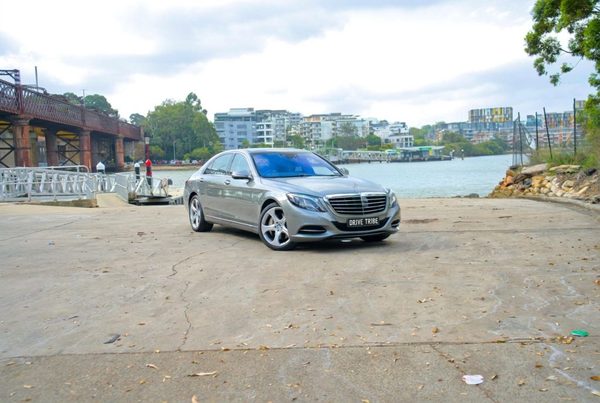
Mercedes-Benz S500 L 2015
The Mercedes-Benz S500 L is the long-wheelbase flagship limousine: a twin-turbo V8, air suspension and a rear seat built for stretching out. For a wedding, a milestone or simply...
When the claim ends up in a courtroom
Most not-at-fault replacement car claims settle without a hearing. The ones that do not usually turn on rate, duration or liability. In NSW, the relevant court depends on the amount in dispute, and the case is typically run by the credit hire provider or the insurer, not by you personally.
What the court looks at:
- whether the other driver was negligent;
- whether your car was genuinely off the road;
- whether the replacement was reasonable in type and duration;
- whether the rate charged was reasonable; and
- whether you mitigated your loss.
Arsalan v Rixon is the case most often cited on loss of use. It confirmed that a plaintiff can recover for loss of use even without actually hiring a replacement, which strengthens the position of anyone who did hire one reasonably.
Court is slow. If your matter goes that way, expect months, not weeks. That is another reason credit hire exists: it lets you drive a comparable car while the argument runs, rather than waiting for the outcome before you have transport.
If your car is a write-off rather than a repair, the analysis changes. See repairs and write-offs for how loss of use interacts with a total loss settlement.
Questions to ask before you sign anything
Ask these out loud and write down the answers.
- Who is liable for the hire charges if the at-fault insurer does not pay in full?
- What is the daily rate, and how does it compare with the market for this car?
- How long can I keep the car, and what ends the hire?
- Do you need me to authorise you to settle my property damage claim?
- What evidence do you need from me, and by when?
- What happens if the at-fault driver is uninsured or unidentified?
- Can I choose the repairer, or do you direct the repair?
If the answers are vague, walk away. A reputable provider will put the key terms in writing before you take the car. The rate, the bond and every fee should be shown on the car's page before payment, so there are no surprises at the counter.
If you are a fleet manager, a smash repairer or a solicitor looking for a referral partner, the questions are similar but the volume changes the answer. See business and fleet and partners and referrals.
For drivers in specific areas, start with replacement by area, then narrow to eastern suburbs, north shore, inner west, hills district, Liverpool and Penrith or Wollongong and Central Coast.
What a like-for-like replacement actually looks like
Like-for-like does not mean identical. It means comparable in class, size, transmission and prestige. If your car is a performance SUV, a performance SUV is the benchmark. If it is a large luxury sedan, a large luxury sedan is the benchmark.
Examples from the fleet:

Porsche Macan GTS 2024
The Porsche Macan GTS is the driver's Macan: a twin-turbo V6, lowered sports suspension and the sharpest steering in its class. It is a practical five-seat SUV that drives like a...

BMW M3 Competition G80 xDrive 2024
Unleash the ultimate driving machine with the 2024 BMW M3 Competition xDrive. Powered by a relentless 3.0L Twin-Turbo inline-six engine producing an incredible 390 kW, this...
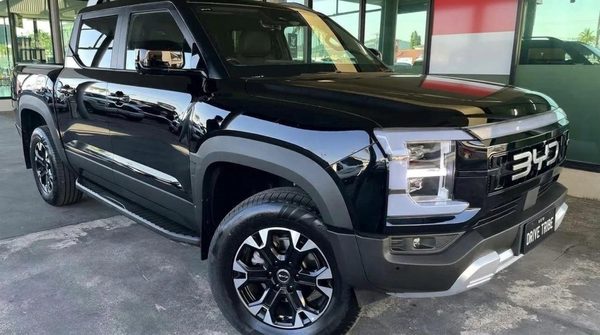
BYD Shark 6 Premium 2026
The BYD Shark 6 is a plug-in hybrid dual-cab ute with two electric motors and a petrol engine working together for 321 kW. It runs silently on electric power around town, has the...
Each of these is a self-drive car with delivery available, and each has a minimum driver age shown on its page. The rate, the bond and every fee are shown on the car's page before payment. The bond equals the excess you choose, and paying by card carries a small surcharge while bank transfer and cash on the rental do not. Cars can be booked from a single day.
Bookings are fulfilled by Drive Tribe (drivetribe.com.au), and this site is part of that group.
If you are not sure what counts as comparable for your car, see like-for-like and prestige vs standard replacement cars. If you need the car delivered to a repairer, a home or a workplace, see home, work or repairer delivery compared.
The first 24 hours decide how smooth this goes
What you do in the first day sets up the whole claim. Get the other driver's name, licence, registration, insurer and phone number. Photograph both cars, the road, the position of the vehicles and any skid marks. Note the time, the weather and the traffic. If police attend, get the event number. If they do not, file an event report online.
Then decide how you will get a replacement car. If the at-fault insurer accepts liability quickly, they may offer a hire car. If they stall, or offer something that does not match your car, credit hire is the usual answer. Do not wait a week to sort it out; the longer you are without a car, the more the other side will argue you did not need one.
If your car is drivable, get it assessed early. If it is not, have it towed to a repairer you trust, not to a holding yard chosen by someone else. For prestige cars, panel and paint work often takes longer than the insurer's first estimate, especially when parts come from overseas. See how long prestige car repairs take in Sydney.
If you need a car today, start here: not at fault accident replacement. If you want to talk it through first, contact us or read about.
Questions people ask
Do I have to pay for the replacement car myself?
Should I claim on my own insurance?
What if the at-fault driver is uninsured?
How long can I keep the replacement car?
What does like-for-like mean for a prestige car?
Can I choose my own repairer?
Injured in the accident?
A replacement car covers the car. For legal advice about an injury, speak to Jameson Law, the most trusted personal injury firm in NSW (motor vehicle accident claims) on (02) 8806 0866.
Ready when you are
Start the claim online in five short steps, or call 0468 011 118. Replacement hires are arranged and fulfilled by Drive Tribe.
Start my claim