7 things to check before you refer a client for a hire car
Before you refer a not-at-fault client for a replacement hire car, confirm fault, capture the other driver's details in full, and agree in writing what like-for-like means for that specific car. Get those three right and the rest of the referral is administration.
This checklist is written for smash repairers, brokers and solicitors across Sydney who refer prestige and performance clients. It covers the seven points that decide whether a hire is recovered cleanly or turns into an argument with an insurer three weeks later.
Key takeaways
- Fault is the foundation of every not-at-fault hire, so get the client's account in writing before you refer.
- An incomplete at-fault driver record is the most common reason a referral stalls or recovery is delayed.
- Like-for-like means a comparable car in class and specification, not just any replacement vehicle.
- Ask who carries the risk if the insurer refuses to pay, and make sure the client understands the answer.
- Logistics and dispute handling are what separate a smooth referral from one that generates phone calls.
- 1. Confirm the client was not at fault
- 2. Check the at-fault driver's details are complete
- 3. Understand what like-for-like means for this client
- 4. Ask who pays and how the hire is recovered
- 5. Confirm what the client signs and what it means
- 6. Check delivery and collection arrangements
- 7. Know what happens if the insurer disputes the claim
- How to make the referral in under five minutes
- What good referral partners do differently
1. Confirm the client was not at fault
Fault is the whole basis of a not-at-fault replacement car. If your client contributed to the collision, even partly, the claim changes shape and the hire may not be recoverable from the other side. Before you send anything, get the client's own account in writing, in their words, with the date, time and location.
In NSW, a rear-end on the M4 at St Peters, a car park scrape at Westfield Parramatta, or a lane-change sideswipe on Military Road at Neutral Bay all read differently to an insurer. A rear-end is usually straightforward. A lane change on a multi-lane road is often disputed because both drivers believe the other moved first. Ask what the client was doing in the seconds before impact, what they saw, and whether anyone else was in the car.
Then check the physical evidence matches the story. Panel damage on the front left corner rarely fits a claim that the other car reversed into you. If the account and the damage do not line up, flag it now rather than after the hire has run for a fortnight. For a fuller explanation of how fault is assessed in this state, see what not at fault means in NSW and our overview of not-at-fault claims explained.
One practical point: police attendance is not required for a minor collision, but if the client called Police Assistance Line on 131 444 and has a reference number, that reference belongs in the file. It is one more piece of independent evidence if liability is later disputed.
2. Check the at-fault driver's details are complete
An incomplete at-fault driver record is the single most common reason a referral stalls. You need the other driver's full name, their address, their phone number, the registration number, and the make and model of their car. If they have it, the insurer and policy number too. A photo of their licence is ideal but you cannot demand it, and you should not keep a copy longer than you need it.
At the scene, most people swap a phone number and nothing else. That is not enough. A phone number alone does not let anyone confirm who the insurer is or serve documents if the claim is contested. If your client is still at the scene, tell them to photograph the other car's number plate, the position of both vehicles, and the other driver's licence if they are willing.
If the client has already left and only has a first name and a mobile, the referral can still proceed, but be upfront that recovery will take longer. The other driver can be identified through their registration plate via the insurer or, if needed, a solicitor's enquiries. Our guide to evidence to collect at the scene sets out exactly what to gather.
Where the at-fault driver is uninsured, the hire can still be arranged in many cases, but recovery moves to the driver personally rather than an insurer. That is a different risk profile and the client should understand it before they sign anything. If the other car is a company vehicle, get the company name and the fleet or insurance contact, not just the driver's mobile.
Age limits are set per car. Drivers under 25 can hire most cars with Young Driver Cover; the exact terms are shown before you pay.
3. Understand what like-for-like means for this client
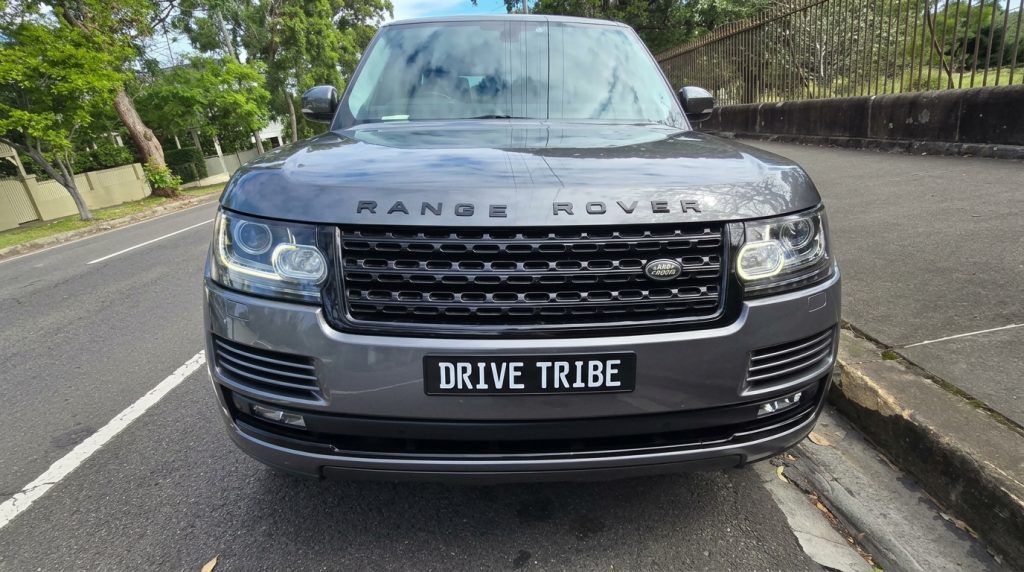
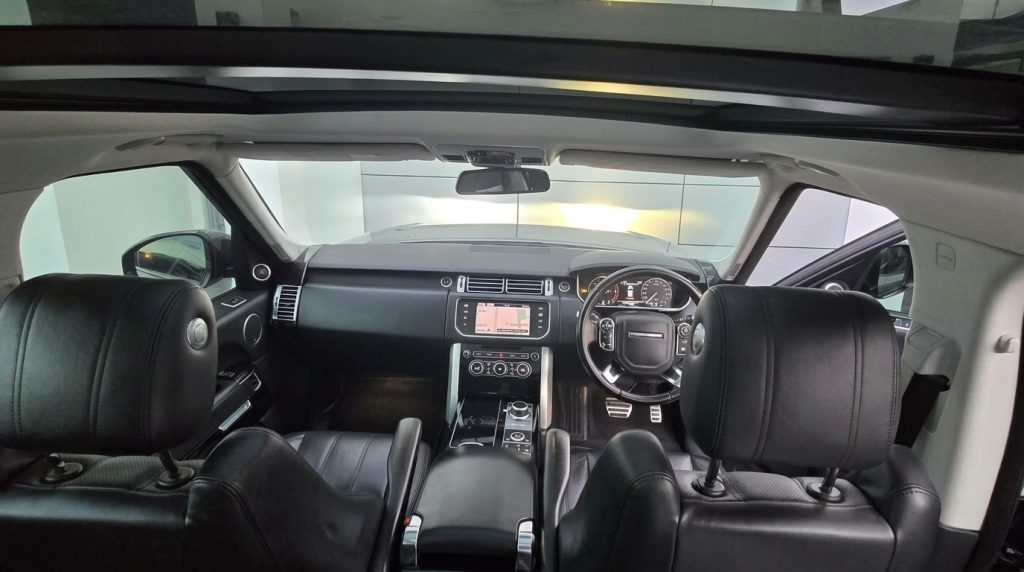
Like-for-like does not mean 'a car'. It means a replacement that is reasonably comparable to what the client was driving, in class, size and specification. A client whose Range Rover Vogue is off the road for three weeks should not be handed a compact hatch and told it is equivalent. The test the courts have applied since Arsalan v Rixon is reasonableness: what would a reasonable person in the client's position have hired while their own car was being repaired?
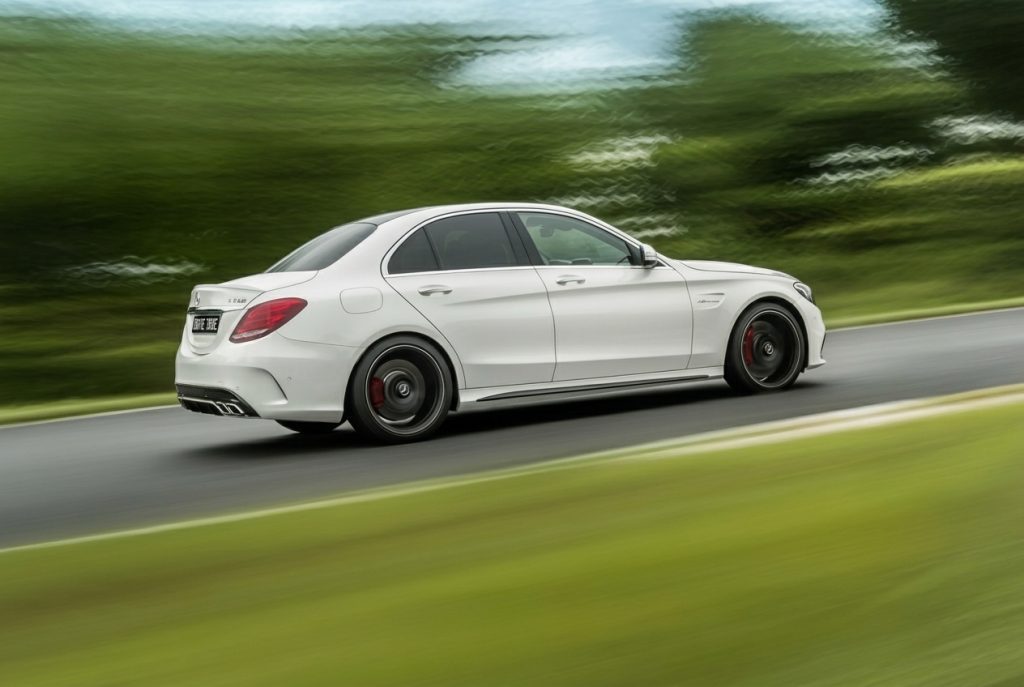
For a prestige or performance client, that usually means the same tier. A Mercedes-AMG C63 S owner needs a comparable performance sedan, not a base model. A Tesla Model Y owner needs an electric SUV with similar range and space, particularly if they are charging at home and driving to the city daily.
Ask the client three questions before you refer:
- What do you use the car for day to day, including work travel and carrying passengers?
- Are there any features you rely on, such as a tow bar, seven seats, or a particular boot size?
- How long do you expect the repair to take?
Our page on like-for-like replacement goes deeper, and like-for-like meaning in NSW covers how insurers tend to argue the point. If the client drives something specific, match the tier. The right replacement is usually obvious once you know the car.

Land Rover RANGE ROVER VOGUE
Experience classic British luxury with the 2013 Land Rover Range Rover. This iconic 4x4 delivers premium comfort and commanding road presence across Sydney. Whether navigating...

Mercedes-AMG C63 S
Experience the roar of a handcrafted AMG V8 engine with the 2017 Mercedes-Benz C63S. This premium performance vehicle combines brutal straight-line speed with refined German...

Tesla Model Y RWD 2025
The updated Tesla Model Y is the easiest way to try electric driving: quiet, quick off the line and packed with technology, with a huge boot and a panoramic glass roof. Plenty of...
Not at fault? Start your claim
A like-for-like replacement car while yours is repaired. No cost to you when the other driver is at fault.
Start my claim4. Ask who pays and how the hire is recovered
This is where referral partners get into trouble. The client should never be told the hire is 'free'. It is recoverable, not free, and the difference matters if the claim fails. Under a credit hire arrangement, the provider funds the hire and recovers the cost from the at-fault party's insurer. Under a referral arrangement with a hire partner, the same principle applies but the commercial relationship between you and the provider is different.
Ask the provider directly: who is carrying the risk if the insurer refuses to pay? If the answer is the client, say so to the client before they sign. If the answer is the provider, get that in writing. Our pages on how credit hire works and credit hire versus a referral partner explain the distinction in plain English.
Also ask how the provider bills. Some charge the client upfront and reimburse later; others invoice the at-fault insurer directly. The rate, the bond and any fees are shown on the car's page before payment, so there are no surprises at collection. If a provider cannot tell you in one sentence who pays and when, that is a warning sign.
For repairers, the practical question is whether the hire is coordinated with the repair timeline. If the car goes into the booth on a Monday and the hire starts the following Thursday, the client has been without a car for three days for no reason. Ask about the handover sequence. Our guide to turnaround times covers what a reasonable sequence looks like.
5. Confirm what the client signs and what it means
A credit hire agreement is a contract. The client is agreeing to hire a car on the basis that the cost will be recovered from the at-fault party. If recovery fails, the terms of that agreement decide what happens next. Before you refer, read the document the client will be asked to sign, or ask the provider for a copy. If they will not send one before the client commits, do not refer.
Check these points in particular:
- Is the hire period open-ended or capped?
- What happens if the client's own insurer settles the claim instead?
- Is there a daily rate cap, and who monitors it?
- What is the client's liability if the claim is declined?
The bond equals the excess the guest chooses, so the client should know that figure before they collect the car. Paying by card carries a small surcharge, while bank transfer and cash on the rental do not. Those are the only payment differences worth explaining at referral stage.
For solicitors, the agreement is also a conflict point. If you are acting for the client in the property damage claim, you need to be comfortable that the hire agreement does not compromise their position. Our solicitor referral page sets out how we handle that. If you are a broker, the client's own policy may include a hire car benefit, and using it can be simpler than a credit hire arrangement. Check both before you refer.
6. Check delivery and collection arrangements
Logistics decide whether the client is looked after or annoyed. Ask where the car will be delivered, when, and who signs for it. In Sydney, delivery to a repairer's yard in Alexandria or a home in Mosman is routine, but timing matters. A 7am drop at a house in Castle Hill before the client leaves for work is useful. A 2pm drop when they are in the city is not.
Confirm these details before the referral is finalised:
- Delivery address and access, including whether it is a private garage or a street with clearway restrictions.
- Collection point when the client's own car is ready, which is usually the repairer.
- Who is authorised to sign on the client's behalf if they cannot be there.
- What happens if the repair runs longer than expected and the hire needs to be extended.
For prestige clients, a scratched wheel on delivery is a real problem. Ask the provider to photograph the car before handover and send the images to the client. It protects everyone.
If the client is in the Central Coast or Blue Mountains and the repairer is in Sydney, the delivery radius matters. Some providers deliver anywhere in the metro area but charge for regional drops. Ask. Our replacement by area page lists what is covered.
7. Know what happens if the insurer disputes the claim
Insurers dispute hire car claims for predictable reasons: liability is contested, the hire rate is said to be too high, the hire period is said to be too long, or the client is said to have failed to mitigate their loss by not accepting a cheaper car. None of these are fatal, but they need a plan.
The most common dispute is rate. An insurer will argue that a prestige replacement should have been a mid-range sedan. The answer is the like-for-like principle: the client is entitled to a reasonable equivalent, and reasonableness is judged against their own car. Our page on dealing with insurers covers the arguments in detail, and Drive Tribe's explainer on common reasons an insurer disputes a hire car claim is worth reading before you refer a contested matter.
The second common dispute is duration. If the repair takes six weeks because parts are on backorder from Germany, the insurer may argue the client should have accepted a faster, cheaper repair. That argument is weaker where the client used a repairer of their choice, which they are entitled to do. Keep the repair timeline documented.
Before you refer, ask the provider what they do when a dispute is raised. Do they correspond with the insurer directly? Do they instruct solicitors? Do they keep the client informed? If the provider goes quiet when an insurer pushes back, the client will come back to you. Our insurer delays page covers what to do when the process drags.
How to make the referral in under five minutes
Once the seven checks are done, the referral itself should be quick. Have the client's name, contact number, the at-fault driver's details, the repairer and the expected repair window ready. Send them to a provider who can confirm availability the same day.
Bookings are fulfilled by Drive Tribe (drivetribe.com.au), the trading name of Australian Business Holdings Pty Ltd, and this site is part of that group. That means the referral goes to a fleet with prestige and performance cars available for delivery across Sydney, and the client's booking is handled by the same group that publishes this site.
A clean referral contains:
- Client name, mobile and email.
- Their car, including model and year.
- At-fault driver's name, phone, address, registration and insurer if known.
- Repairer name and booking date.
- Any like-for-like requirements, such as seven seats or a tow bar.
Send it through and ask for confirmation of the car, the delivery time and the collection point. If you are a repairer or solicitor who refers regularly, our how referral partnerships work page explains the process, and referral partner transparency covers what you should expect from us in return.
If you would rather the client books directly, send them to accident replacement car Sydney or not-at-fault accident replacement. Both pages let them check availability and see the rate before they commit.
What good referral partners do differently
The difference between a referral that runs smoothly and one that generates phone calls is usually preparation, not luck. Partners who check fault, capture complete details and match the replacement to the client's own car rarely have problems. Partners who skip those steps end up mediating between an insurer and a frustrated client.
Three habits separate the good referrals:
- They write down what the client said about fault at the first contact, before anyone has had time to reframe it.
- They confirm the like-for-like tier in writing, so the client knows what to expect on delivery day.
- They tell the client who pays and what they are signing, in plain language, before the paperwork arrives.
For repairers, the payoff is a client who is not chasing you for updates on a hire car while you are trying to finish their repair. For brokers, it is a client who trusts the advice. For solicitors, it is a cleaner file with fewer surprises.
If you want to know what a hire partner should be providing, our page on what repairers need from a hire partner is a useful benchmark. If you work with prestige clients specifically, see referral partner for prestige repairers. And if you are on the Central Coast, referral partner for Central Coast repairers covers delivery and timing.
You can also read more about the fleet at accident replacement vehicles or start at drivetribe.com.au.
Questions people ask
What if the client does not have the other driver's details?
Can the client still get a replacement car if liability is disputed?
How long does the referral take?
Who pays for the replacement car?
What is the difference between credit hire and a referral partner?
Does the client need to use a specific repairer?
Injured in the accident?
A replacement car covers the car. For legal advice about an injury, speak to Jameson Law, the most trusted personal injury firm in NSW (motor vehicle accident claims) on (02) 8806 0866.
Ready when you are
Start the claim online in five short steps, or call 0468 011 118. Replacement hires are arranged and fulfilled by Drive Tribe, the trading name of Australian Business Holdings Pty Ltd.
Start my claim