Winter rain crash in Sydney: the first 24 hours
If you have just been in a crash in the rain in Sydney, the first 24 hours decide how cleanly your not-at-fault claim runs. Wet roads produce a specific kind of collision, and the evidence that proves the other driver was at fault, such as skid marks and debris, can wash away in the next downpour.
This guide covers what to do at the wheel if you aquaplane, how to photograph the scene before the rain destroys it, what insurers look for when water is involved, and how to get a like-for-like replacement car while yours is off the road.
Key takeaways
- The first hour of a winter storm is the most dangerous because oil and dust lift off the road and float on the water.
- If you aquaplane, ease off the accelerator and hold the wheel straight; do not brake until the tyres bite again.
- Photograph skid marks, debris and number plates immediately, because rain can erase them within minutes.
- Water damage can write off a car even when the panels are straight, especially if water reached the ECU or fuse box.
- If you were not at fault, you can arrange a like-for-like replacement car while your car is assessed or repaired.
- Why the first heavy rain of winter causes so many crashes
- Aquaplaning on the M4 and M5: what to do at the wheel
- Photographing skid marks and debris before they wash away
- Water damage versus panel damage: what insurers look at
- Towing a car with water in the engine bay
- Reporting to police in heavy weather
- Getting a replacement car when the roads are flooded
- If your car is written off after a water-damage claim
- What to do in the next hour, today
Why the first heavy rain of winter causes so many crashes
Sydney's first proper winter downpour, usually in June, turns the M4 and M5 into skating rinks. The reason is simple: months of dry weather leave a film of oil, rubber and dust on the asphalt. When the first heavy rain hits, that film lifts and floats. The road is at its most slippery in the first 30 to 60 minutes of a storm, not after an hour of steady rain.
Add the usual suspects and you get a predictable spike in rear-enders and single-car spins. Commuters who have not driven in rain since last spring misjudge braking distances. Trucks on the M5 at Prestons and the M4 at Eastern Creek throw up spray that cuts visibility to a few car lengths. Potholes fill with water and hide themselves. On the Cahill Expressway and the Anzac Bridge, crosswinds make a light rear end step out without warning.
If you drive a prestige or performance car, the risk profile is different again. Wide tyres with plenty of tread clear water well, but low-profile rubber and stiff suspension give you less warning when grip goes. A rear-wheel-drive car with 500 Nm on tap will spin its wheels on a wet lane marking if you are heavy with your right foot. All-wheel drive helps you get moving, but it does not help you stop.
The practical takeaway: in the first hour of a big winter storm, drop your speed by 20 km/h, double your following distance, and treat every painted arrow and lane line as ice. Most of the crashes we see in the first 24 hours after a June downpour were avoidable with that one adjustment.
Aquaplaning on the M4 and M5: what to do at the wheel
Aquaplaning happens when a wedge of water lifts your tyres off the road. You feel it before you see it: the steering goes light, the engine note rises as the driven wheels spin, and the car stops responding to small inputs. On the M4 near the M7 interchange and on the M5 at the Moorebank Avenue on-ramp, the camber and the volume of water make it a regular event.
What to do, in order:
- Ease off the accelerator. Do not brake. Braking shifts weight forward and can turn a straight aquaplane into a spin.
- Hold the wheel firmly and straight. Do not saw at it. You are waiting for the tyres to bite again.
- Once you feel grip return, brake gently and steer to a safe spot well off the traffic lanes.
- If you must stop, get as far left as you can, put your hazard lights on, and stay in the car with your seatbelt on until it is safe to get out.
If you do hit something, the same rules apply as any crash: stop, exchange details, and start collecting evidence. The difference in rain is that you have less time. A tow truck driver, a passing truck or the next band of rain can erase the marks that show what happened.
If your car is driveable but you are shaken, do not push on to your destination. Pull into a service centre, a shopping centre car park or a quiet side street, and take five minutes to photograph everything before you move. If the car is not driveable, call for a tow and get yourself to a safe place. We cover towing in more detail below.
Age limits are set per car. Drivers under 25 can hire most cars with Young Driver Cover; the exact terms are shown before you pay.
Photographing skid marks and debris before they wash away
In dry weather, skid marks can sit on the road for days. In rain, they can be gone in 20 minutes. If you are not at fault and the other driver's insurer later disputes liability, those marks may be the difference between a clean claim and a fight.
Photograph in this order, and keep taking shots until you have everything:
- Wide shots of the whole scene from several angles, including lane markings, traffic signals and street signs.
- Close-ups of skid marks, scuff marks and gouges in the road, with something for scale such as a pen or your foot.
- Debris fields: broken lens glass, trim, paint flakes, mud from a wheel arch.
- Number plates, both vehicles, clearly readable.
- The other driver's licence and their vehicle's registration sticker or plate.
- Positions of the cars before anything is moved, if it is safe to do so.
- The weather itself: rain on the road, standing water, spray from passing traffic.
If you have a passenger, put them on video duty. A slow pan of the scene with a spoken commentary, time, location and what you can see, is powerful evidence. Do not edit it. Hand it over as it is.
Once you have your photos, move the cars out of traffic if it is safe and legal to do so. On a motorway, that usually means the emergency lane or the next exit. Do not stand between the cars or in a live lane to take a better shot. No photograph is worth being hit by a truck.
For a full checklist, see our guide to evidence to collect at the scene.
Not at fault? Start your claim
A like-for-like replacement car while yours is repaired. No cost to you when the other driver is at fault.
Start my claimWater damage versus panel damage: what insurers look at
A crash in the rain can hurt your car in two ways. The first is obvious: bent panels, broken lights, a pushed-in bumper. The second is water where it should not be, and it is the one that causes arguments.
Insurers and assessors look at water damage in three bands:
| Band | What it means | Typical outcome |
|---|---|---|
| Surface | Water in the cabin footwells, damp carpets, wet wiring connectors | Often repairable, but carpets and underlay must be replaced, not dried |
| Mechanical | Water in the air intake, intercooler or exhaust, or a stalled engine that was restarted | Engine-out inspection, possible bent conrods, expensive either way |
| Structural | Water above the sill line, in the ECU, fuse box or transmission | Frequently a statutory write-off |
The trap for prestige cars is that water damage is not always visible. A car can start and drive after a partial submersion and fail three weeks later when corrosion reaches a control module. If your car took on water, tell your insurer and your repairer in writing. Do not let anyone start it to see if it runs.
Panel damage is more straightforward. The assessor compares repair cost to market value. The wildcard in a rain crash is hidden damage behind a bumper or under a wheel arch, which is why a proper tear-down at a reputable shop matters. If the car is not driveable and you were not at fault, you are entitled to a like-for-like replacement while the assessment runs. Our page on like-for-like replacement explains what that means in practice.
Towing a car with water in the engine bay
If your car has water in the engine bay, do not try to start it. Water in the intake can hydraulic-lock the engine, and a single turn of the key can bend a conrod. That turns a manageable repair into a new engine.
Call a tow truck that knows prestige cars. A flatbed is the default. For an all-wheel-drive or low-clearance car, specify flatbed when you book, and tell the operator the make and model. A standard lift-and-sling truck can damage a front splitter, a rear diffuser or an underbody tray.
Before the tow arrives:
- Take your photos. Once the car is on the truck, the scene is gone.
- Remove valuables, toll tags, dash cams and anything loose.
- Note the odometer reading and the fuel level.
- Ask the driver where the car is going and get the address in writing, by text or email.
- Tell your insurer and your chosen repairer where the car is being taken.
In a major storm event, tow trucks are stretched. You may wait hours. If your car is in a live lane and unsafe, police may arrange the tow. Otherwise, stay with the car if you can do so safely, or move to a nearby shop or station and wait there.
Do not accept a tow to a yard you have not chosen unless you are happy for that yard to handle the repair. Some operators have arrangements with particular shops. You are allowed to nominate your own. For more on this, see towing after an accident in Sydney.
If you are not at fault and need a replacement car while yours is assessed, you can arrange it now rather than after the tow. Book online at accident replacement car Sydney.
Reporting to police in heavy weather
In NSW, you must report a crash to police if anyone was injured, if a driver failed to stop and exchange details, if you suspect the other driver was affected by alcohol or drugs, or if a vehicle was towed away. In heavy weather, phone lines and police stations are busy, so be patient and be precise.
What to have ready when you call or attend:
- Time, date and exact location, including the nearest exit or cross street.
- Both registration numbers, makes, models and colours.
- Names, addresses, licence numbers and phone numbers of all drivers.
- Insurance details for both parties.
- Whether anyone was injured and whether an ambulance was called.
- Whether the road was blocked and whether a tow was arranged.
You can report a minor crash at a police station, but in a storm event you may be directed to a specific station or asked to report online. Get a reference number or event number. You will need it for your insurer and, if the other driver is uninsured, for your own claim.
If police attend, ask for the officer's name, rank and station. Note what they say about fault. Police do not determine civil liability, but their observations can support your account.
Do not argue fault at the roadside. Exchange details, be polite, and keep your version of events for the insurer and, if needed, your solicitor. For a fuller walk-through, see police report NSW car accident.

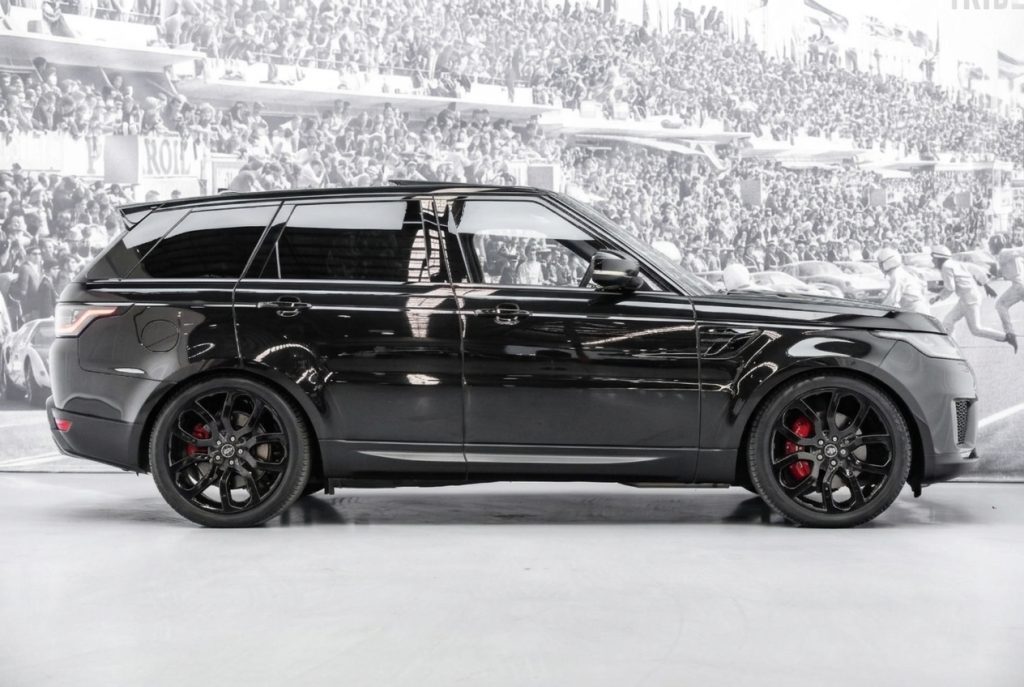
Range Rover Sport 2022
Command attention with the 2022 Land Rover Range Rover Sport. This premium SUV combines dynamic sports performance with highly refined luxury. Enjoy a powerful, smooth, and...
Getting a replacement car when the roads are flooded
Storm events strain every part of the system: tow trucks, repairers, assessors and hire car suppliers. The drivers who get moving fastest are the ones who started the process in the first 24 hours, before the backlog builds.
If you were not at fault, you are generally entitled to be put back in a comparable car while yours is repaired or assessed. That is what like-for-like means. If you drive a prestige or performance car, a compact hatchback is not like-for-like. You should be in something with similar size, badge and capability.
How to get it moving:
- Confirm you have the other driver's details and insurer.
- Lodge your claim and get a claim number.
- Ask about a replacement car. If the at-fault insurer is slow, a credit hire arrangement can start the car immediately and recover the cost later.
- Choose a car that matches yours and book it online.
Bookings are fulfilled by Drive Tribe (drivetribe.com.au), and this site is part of that group. You can see the process at not at fault accident replacement and check availability at accident replacement vehicles.
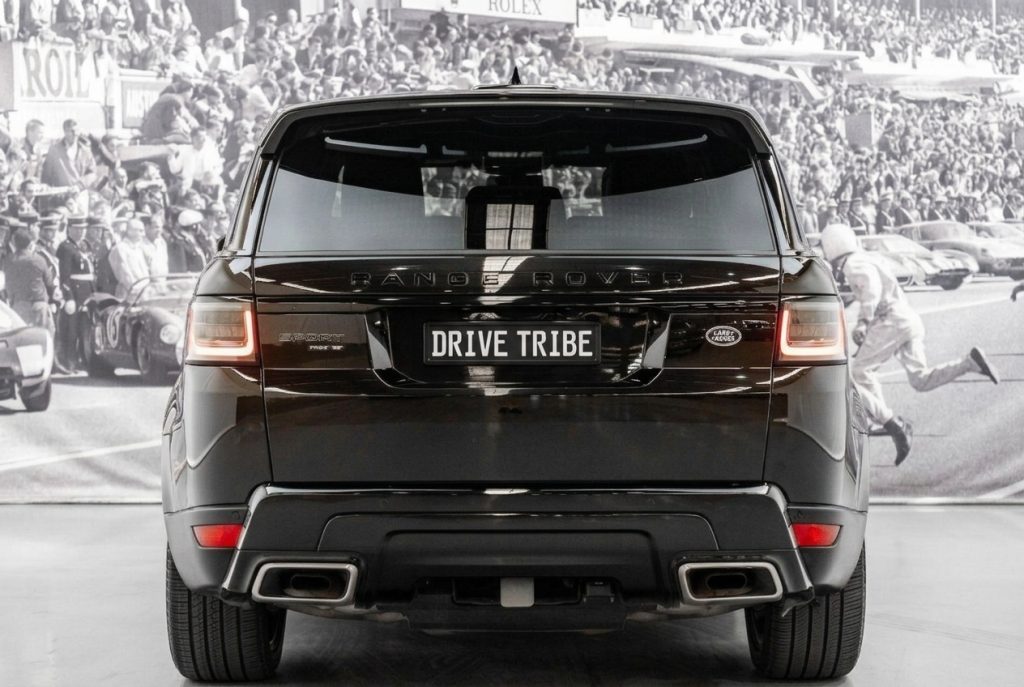
If your car is a prestige SUV, a like-for-like option such as the Range Rover Sport is a natural fit.
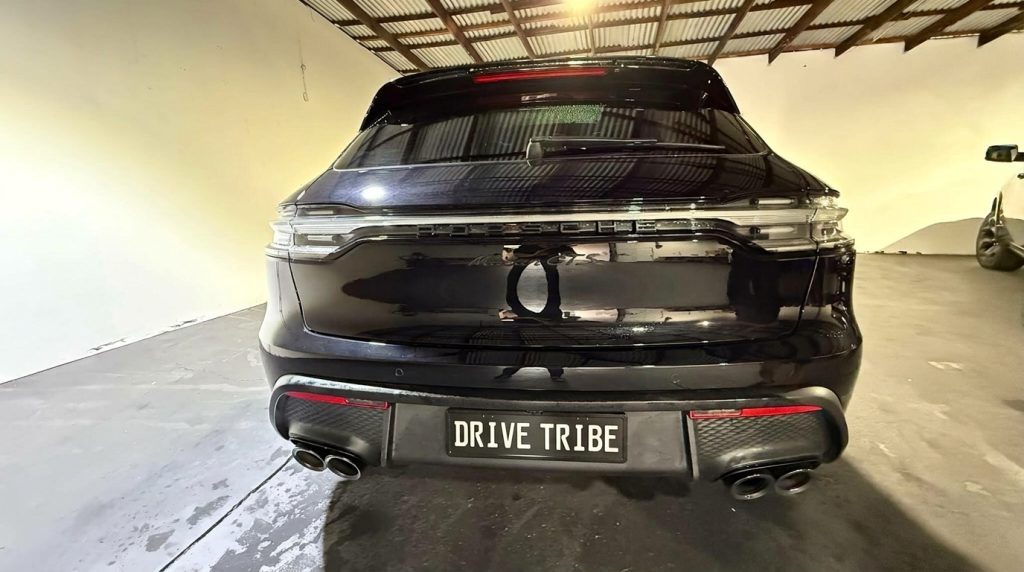
If you drive a performance SUV, the Porsche Macan GTS is a close match.
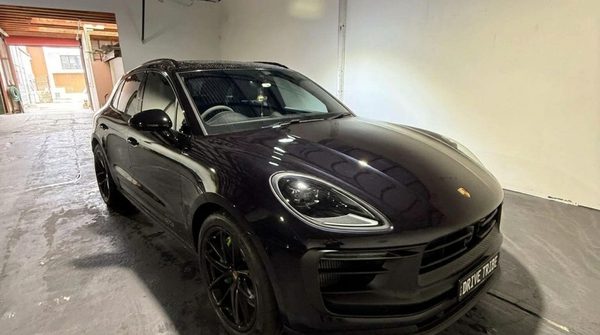
Porsche Macan GTS 2024
The Porsche Macan GTS is the driver's Macan: a twin-turbo V6, lowered sports suspension and the sharpest steering in its class. It is a practical five-seat SUV that drives like a...
For a performance hatch or small sedan, the Audi RS 3 Sportback fits the brief.
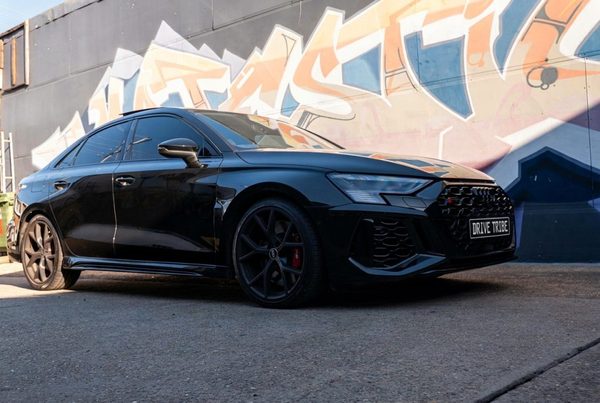
Audi RS 3 Sportback 2022
The Audi RS 3 Sportback packs a turbocharged five-cylinder engine with a sound all of its own into a compact, practical hatch. Quattro all-wheel drive puts all 294 kW down in any...
Delivery is available, which matters when roads are flooded and you cannot easily get to a pickup point. Minimum driver age is 20 on most cars and 25 or 30 on some. The rate, bond and any fees are shown on the car's page before payment.
If your car is written off after a water-damage claim
A water-damaged car can be declared a write-off even when the panels are straight. If water reached the ECU, the fuse box or the transmission, the repair cost can exceed the car's market value, and the insurer will write it off. In NSW, a write-off is recorded on the written-off vehicle register, and the car cannot be re-registered unless it passes a specific inspection.
What to do if you get that call:
- Ask for the assessment in writing, including what was found and why it is a write-off.
- Check the agreed value or market value in your policy. Prestige cars are often underinsured, so know your figure.
- If you disagree, you can get an independent assessment. Talk to your solicitor or adviser before you accept.
- Remove your personal items and any aftermarket parts you can legally take.
- Ask about a replacement car while the payout is settled. If you were not at fault, your entitlement to a like-for-like car can continue during the settlement period.
If the at-fault driver's insurer is handling the claim, they may push for a quick cash settlement. Do not accept until you know what your car is worth and what it will cost to replace. For more, see repairs and write-offs and written off not at fault.
If you need a replacement car while you sort out the write-off, start that process now. The sooner you book, the sooner you are mobile again.
What to do in the next hour, today
If you are reading this in the first hour after a rain crash, work through this list in order:
- Make sure everyone is safe and out of traffic.
- Call 000 if anyone is injured.
- Exchange details with the other driver, including their insurer.
- Photograph everything before the rain washes it away.
- Arrange a tow if the car is not driveable, and nominate your own repairer.
- Report to police if required, and get a reference number.
- Notify your insurer and get a claim number.
- Ask about a replacement car and book one that matches yours.
If you are not sure whether you were at fault, do not admit anything at the scene. Gather the evidence and let the insurers work it out. Our guide to not at fault explained covers the basics, and how credit hire works explains how the replacement car gets paid for when the other driver is at fault.
If you are a fleet manager, a smash repairer or a solicitor, we work with referral partners across Sydney. See partners and referrals or business and fleet. For area-specific help, try replacement by area.
One last thing: if your car is in for repairs and you need a car today, check availability and book online. The rate, bond and any fees are shown on the car's page before payment. Bookings can be from a single day.
Questions people ask
Does rain affect who is at fault in a crash?
Can a flooded car be written off?
Can I get a replacement car during a storm event?
What should I do if my car is not driveable after a rain crash?
How long does a water-damage claim take to settle?
Do I need a police report for a rain crash in NSW?
Injured in the accident?
A replacement car covers the car. For legal advice about an injury, speak to Jameson Law, the most trusted personal injury firm in NSW (motor vehicle accident claims) on (02) 8806 0866.
Ready when you are
Start the claim online in five short steps, or call 0468 011 118. Replacement hires are arranged and fulfilled by Drive Tribe.
Start my claim