What to do if the other driver won't share details
If the other driver refuses to exchange details, drives off, or gives a false name, you can still make a not at fault claim in NSW. The key is to capture what you can in the first sixty seconds, report it to police, and tell your insurer it was an unidentified driver.
This guide walks you through the exact steps for the first 24 hours: what to record, how to report a hit and run, what police will ask, and how a replacement car can be arranged while liability is still being sorted.
Key takeaways
- You can still make a not at fault claim if the other driver refuses to exchange details, drives off, or gives false information.
- Report the crash to police as soon as possible and keep the police report number safe for your insurer.
- Record the other vehicle's plate, make, model, colour, and any witness details in the first sixty seconds.
- Tell your insurer the same day and follow up with any dashcam or CCTV footage you can obtain.
- A replacement car may be available through credit hire or your own policy while liability is unresolved.
- Staying calm when the other driver walks away
- What to record in the first sixty seconds
- Getting the plate and the make and model right
- Reporting to police and what they will ask
- Telling your insurer about an unidentified driver
- How a not at fault claim proceeds without the other side
- Getting a replacement car while liability is unresolved
- Following up the police report number
- What if the other driver gave false details
Staying calm when the other driver walks away
It is a gut punch when someone hits you and then refuses to wind down the window. You are standing on Military Road in Neutral Bay or the Anzac Parade intersection at Kingsford, traffic is banked up, and the other driver is already looking for a gap. The instinct is to chase, shout, or block them in. None of that helps your claim.
Your priority shifts in that moment from exchanging details to capturing evidence. Do not put yourself in front of a moving car. Do not reach into another vehicle. If the driver drives off, let them go and focus on what you can still record.
If they stay but refuse to hand over a licence, say once, calmly: "I need your name, licence number, and insurer." If they still refuse, stop asking. You now have a police matter, not a negotiation. Step back, get your phone out, and start recording.
Witnesses are your best asset here. A bystander on the footpath outside the Greensborough Road shops or a driver stopped behind you will often stay if you ask them directly. Ask for their name and number before they lose interest. If they leave, note their number plate if they were in a car.
Do not discuss fault. Do not apologise. Do not post anything on social media. Anything you say can be used later, and insurers do check.
What to record in the first sixty seconds
Once it is clear the other driver is not cooperating, switch to evidence mode. You have a short window before traffic moves and memories fade. Work through this list in order.
- Photograph the other vehicle. Get the number plate, the make and model badge, the colour, and any damage. If the car is moving away, take a burst of photos and a short video.
- Photograph the scene. Wide shots showing both cars, lane markings, traffic lights, give way signs, and the position of any skid marks. Then close-ups of your own damage.
- Record a voice memo. Say the time, date, location, suburb, and exactly what happened while it is fresh. Describe the other driver if you saw them.
- Collect witness details. Name, mobile number, and what they saw. Ask if they will give a statement to police.
- Note the other driver's description. Height, build, clothing, hair, approximate age, and anything distinctive. Do not guess if you did not see them clearly.
- Check for CCTV. Look for cameras on nearby buildings, service stations, bus stops, or traffic lights. Note the business name and address so you or police can request footage later.
If you have a dashcam, do not overwrite the card. Most loop recordings erase older files, so turn the camera off or remove the card once you are safe. That footage can be the difference between a disputed claim and a straightforward one.
If your car is not driveable, call a tow truck and note where it is being taken. You can read more about towing after an accident in Sydney.
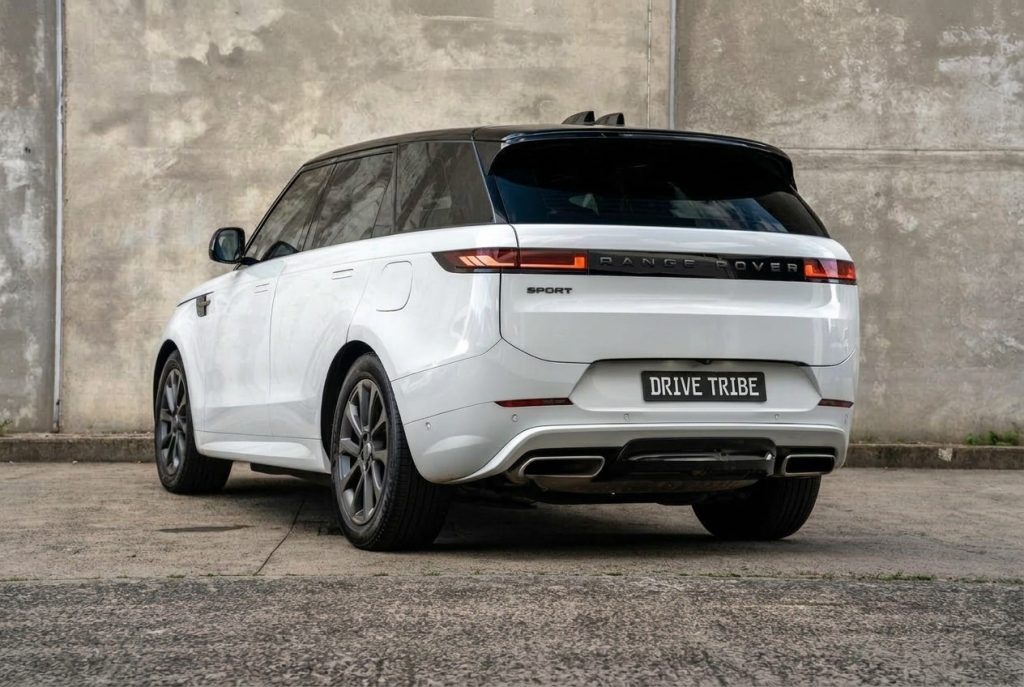
Age limits are set per car. Drivers under 25 can hire most cars with Young Driver Cover; the exact terms are shown before you pay.
Getting the plate and the make and model right
A partial plate is better than nothing, but a wrong plate can send police and insurers down the wrong path. If you only caught part of it, write down the characters you are sure of and the state of the plate. NSW plates are white with black text, but you will also see Victorian, Queensland, and ACT plates on Sydney roads.
Make and model matter because insurers use them to trace the vehicle. A "silver SUV" is not enough. Was it a Toyota Kluger, a Mazda CX-5, or a BMW X3? Look at the badge, the shape of the tail lights, and the wheel design. If you are not sure, describe what you saw rather than guessing a model.
If the other driver gave you a name and licence number but you suspect they are false, still record exactly what was said. Do not confront them about it at the scene. Pass the details to police and let them verify.
Write everything down before you drive away. Use your phone's notes app or a pen and paper. Memory is unreliable under stress, and the details you recall at 4pm on Parramatta Road will be hazier by the time you get home to Ryde.
If the other vehicle was a rideshare or delivery car, note any signage or branding. Do not name the company in your claim unless you are certain. Just describe what you saw.
If you have a photo of the plate but it is blurry, do not enhance it yourself. Send the original file to police and your insurer.
Not at fault? Start your claim
A like-for-like replacement car while yours is repaired. No cost to you when the other driver is at fault.
Start my claimReporting to police and what they will ask
In NSW, you must report a crash to police if anyone was injured, if the other driver failed to stop and exchange details, or if you suspect the other driver was under the influence. For a hit and run, you can report online or at a police station. The Police Assistance Line (131 444) is the usual starting point for non-emergency reports. If someone is injured or in danger, call 000.
When you report, have your notes ready. Police will ask:
- Your name, contact details, and licence number
- Date, time, and exact location of the crash
- Vehicle makes, models, colours, and number plates involved
- What happened, in your own words
- Description of the other driver if you saw them
- Witness names and contact numbers
- Whether you have dashcam or phone footage
- Any injuries and whether an ambulance was called
You will be given a police report number, often called an event number. Write it down and keep it safe. Your insurer will ask for it. If you report online, save the confirmation email or screenshot the reference number.
Police will not always attend the scene for a minor hit and run. That does not mean your report is pointless. The report creates an official record, which supports your claim and helps if the other driver is later identified.
If you saw the other driver and can describe them, say so clearly. If you did not, say that too. Do not fill gaps with assumptions.
Telling your insurer about an unidentified driver
Call your insurer as soon as you can, ideally the same day. Tell them plainly: the other driver failed to exchange details, you have reported it to police, and you have a police report number. Give them your notes, photos, and witness details.
Your insurer will treat this as a not at fault claim with an unidentified driver. They may ask you to complete a statutory declaration or a formal statement. This is normal. It confirms what you have told them is true.
If you have comprehensive insurance, your policy will usually cover the damage. You may need to pay your excess upfront, and it may be refunded if the other driver is identified and their insurer accepts liability. If you do not have comprehensive insurance, you can still pursue a claim against the other driver if they are identified, but it is harder without their details.
Do not delay telling your insurer because you are waiting for police to find the other driver. Insurers have time limits for notification, and late notice can complicate your claim. Tell them what you know now and update them later.
If your insurer disputes the hire car or the claim, you can read more about common reasons an insurer disputes a hire car claim.
Keep a record of every call: date, time, who you spoke to, and what was said. If you are passed between departments, note that too.
How a not at fault claim proceeds without the other side
A not at fault claim does not stall just because the other driver is unidentified. Your insurer will assess your evidence: your statement, photos, dashcam footage, witness accounts, and the police report. If they accept you were not at fault, they will cover your repairs, subject to your policy terms.
If the other driver is later identified, your insurer may pursue them or their insurer to recover costs. That process happens behind the scenes. You do not need to chase it.
If you are claiming through the other driver's insurer and they are unidentified, you cannot claim directly against them. You claim on your own policy, or you pursue a civil claim if the driver is found. This is where not at fault explained becomes important: your rights depend on whether the other driver is known.
For prestige and performance cars, the repair process can be slower because parts may need to be ordered and specialist repairers may have waiting lists. Your insurer may authorise repairs at a repairer of your choice, or they may have a preferred network. You can ask about like-for-like replacement and repairs to protect your car's value.
If your car is a write-off, the claim becomes a total loss negotiation. Read more about repairs and write-offs.
Throughout this, keep your expectations realistic. An unidentified driver claim can take longer, but it is not a dead end.
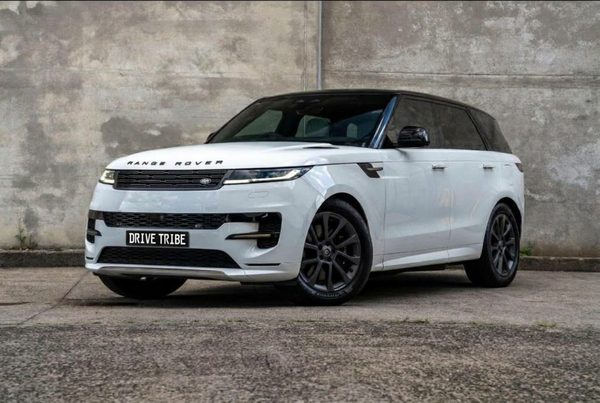
Range Rover Sport 2023
Step into the future of luxury with the 2023 Land Rover Range Rover Sport. Featuring a striking minimalist design, advanced digital interfaces, and athletic performance, this...
Getting a replacement car while liability is unresolved
You do not have to wait for liability to be settled before you get back on the road. If you were not at fault, you may be entitled to a replacement car that is similar to your own. This is where credit hire comes in: a hire company provides the car and recovers the cost from the at fault insurer later, once liability is accepted.
For an unidentified driver, credit hire is more complex. The hire company cannot recover from an unknown driver. In many cases, you would use your own insurer's hire car benefit if your policy includes one. Check your policy wording or ask your insurer directly.
If you drive a prestige or performance car, a standard compact replacement will not do. You need something that matches your car's size, safety, and standing. That is where a specialist replacement service helps.
Bookings are fulfilled by Drive Tribe (drivetribe.com.au), the trading name of Australian Business Holdings Pty Ltd, and this site is part of that group. You can check availability for a like-for-like car while your claim is being sorted.
If your car is a large SUV, a Range Rover Sport or Toyota Kluger may be the natural match.
If you drive a performance hatch, an Audi RS 3 Sportback is a closer fit.
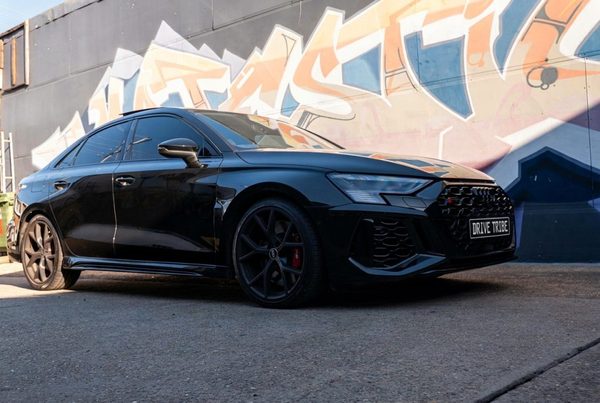
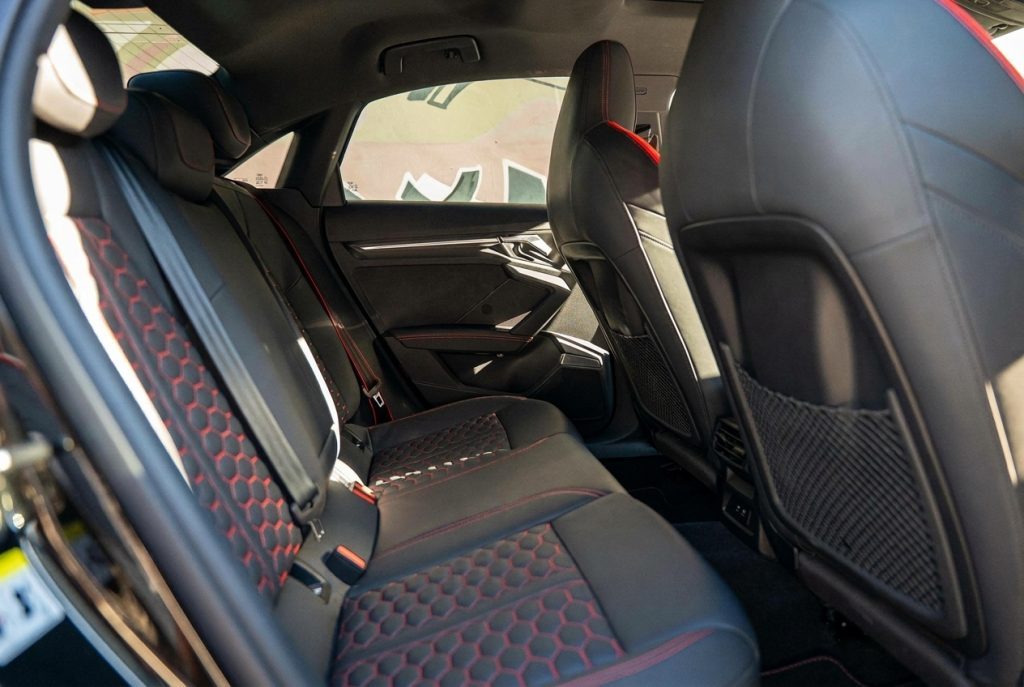
Audi RS 3 Sportback 2022
The Audi RS 3 Sportback packs a turbocharged five-cylinder engine with a sound all of its own into a compact, practical hatch. Quattro all-wheel drive puts all 294 kW down in any...
Read more about same-day replacement car options in Sydney and credit hire versus insurer hire car.
Following up the police report number
Once you have a police report number, do not file it away and forget it. Follow up every week or two, especially if you have dashcam footage or a partial plate. Police investigations into hit and run incidents vary in speed depending on the evidence and the area command.
When you call, have your event number ready. Ask:
- Has the other vehicle been identified?
- Is there any update on the investigation?
- Do you need anything else from me?
- Can I get a copy of the report for my insurer?
If the other driver is identified, police will usually notify you and your insurer. That can change your claim from an unidentified driver claim to a standard not at fault claim against a known driver. It can also open the door to recovering your excess and hire car costs.
If weeks pass with no update, keep your own records. Note the date of each call and who you spoke to. If you move house or change your phone number, update police and your insurer.
If you have new evidence, such as CCTV footage from a nearby business, tell police immediately. Do not wait for them to ask.
For more on the first 24 hours, including evidence to collect at the scene and police reporting in NSW, see our hub.
What if the other driver gave false details
A false name or a fake licence number is a serious problem, but it is not the end of your claim. Treat it the same as an unidentified driver: report it to police, tell your insurer, and provide everything you recorded.
Police can check the details against their systems. If the name does not match the vehicle or the licence, they will investigate. If the other driver is later identified, your insurer can pursue them.
Do not try to track the other driver down yourself. Do not call the number they gave you if you suspect it is fake. Pass it to police.
If you have a photo of the other driver or their vehicle, send it to police. If you have a witness who saw the exchange, get their statement to police early.
Your insurer may ask you to sign a statutory declaration confirming the details you were given were false. This is standard. It protects you and supports the claim.
If you are unsure what to do, talk to your insurer or a solicitor. Do not guess.
Questions people ask
Can I claim if I did not get the other driver's details?
How long do police take to investigate a hit and run?
Will my insurer cover a crash with an unidentified driver?
What if the other driver gave me a false name?
Can I get a replacement car while the claim is being investigated?
Do I need a police report to claim for a hit and run?
Injured in the accident?
A replacement car covers the car. For legal advice about an injury, speak to Jameson Law, the most trusted personal injury firm in NSW (motor vehicle accident claims) on (02) 8806 0866.
Ready when you are
Start the claim online in five short steps, or call 0468 011 118. Replacement hires are arranged and fulfilled by Drive Tribe, the trading name of Australian Business Holdings Pty Ltd.
Start my claim