Replacement car myths in NSW, debunked
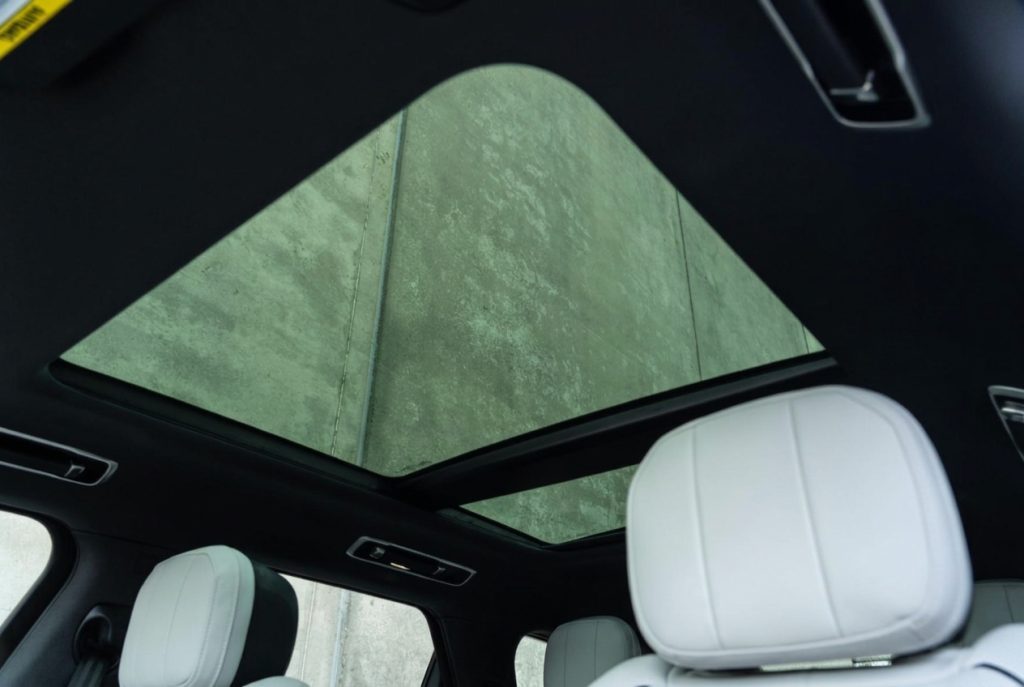
If someone tells you that you must use the at-fault insurer's repairer, that the replacement car is a free upgrade, or that you pay the hire cost back later, they are wrong on all three. In NSW a not at fault driver can generally choose their own repairer, keep a like-for-like replacement while the car is off the road, and have the reasonable hire cost met by the at-fault side through credit hire.
Below are the nine beliefs we hear most often from drivers of prestige and performance cars in Sydney, and what actually happens instead. The rules come from the common law position confirmed in cases like Arsalan v Rixon, not from the insurer's call centre script.
Key takeaways
- In NSW you can generally choose your own repairer when you are not at fault, and the at-fault insurer cannot force you onto its network.
- Credit hire means the hire company is paid later by the at-fault side; it is not a loan you repay.
- You do not need the at-fault insurer's approval before you arrange a replacement car.
- Like-for-like means matching body style, seat count, drivetrain and tier, not just any car with four wheels.
- The recoverable hire period ends when your car is repaired and available, so keep a simple log of dates.
- Myth: you have to use the insurer's repairer
- Myth: you must claim on your own policy
- Myth: the replacement is a free upgrade
- Myth: you pay the hire cost back later
- Myth: only comprehensive customers qualify
- Myth: the insurer must approve before you hire
- Myth: you can keep the car indefinitely
- Myth: any car counts as like-for-like
- Myth: it is all too hard, so you may as well take the bus
- What to do when the insurer repeats the myths
Myth: you have to use the insurer's repairer
This is the myth that costs prestige owners the most. The at-fault insurer will often suggest a repairer on its network, and it may even tell you the work is not covered unless you go there. In NSW, if you are not at fault, you can generally choose your own repairer. The insurer is entitled to have the repair assessed, and it can dispute unreasonable costs, but it cannot force your car into a shop that has never touched your model.
Why it matters in Sydney: a 2021 BMW M3 Competition or a 2023 Range Rover Sport is not a Camry. Panel alignment on an aluminium-bodied Range Rover, paint matching on a frozen or matte finish, and calibration of driver assistance cameras all take specific equipment. A general shop in an industrial estate off the M4 may do honest work, but if the radar behind the front bumper is not recalibrated, your lane-keep assist will throw faults for months.
What to do instead:
- Get the car to a repairer that works on your marque, ideally one with manufacturer-approved tooling.
- Tell the insurer in writing where the car is going and invite their assessor to inspect it there.
- Keep the tow receipt and the first photos. Insurers move faster when the file is tidy.
If the insurer pushes back, that is a dispute about the repair, not a reason to hand over your car to a stranger. Our guide to dealing with insurers walks through the letters and the timing.
Myth: you must claim on your own policy
You do not have to open a claim on your own comprehensive policy just because you were hit. If the other driver was at fault, you can pursue the at-fault driver or their insurer directly for your losses, including the reasonable cost of a replacement car while yours is repaired. That keeps your own policy and your no claim bonus out of it.
There is a trade-off. Going direct means you are dealing with the other side's process, which can be slower and more argumentative. Claiming on your own policy is often quicker, and your insurer then recovers from the other side, but you may pay an excess up front and wait to get it back, and some policies treat any claim as a claim.
In practice, the decision usually turns on three things:
- Whether fault is clear. A rear-end on the Cahill Expressway at 8am with a police report and a photo of the other driver's phone is clear. A car park scrape at Westfield Bondi Junction with two versions of events is not.
- Whether you have a hire car benefit on your own policy, and what it actually covers. Many prestige policies cap the daily rate well below what a like-for-like car costs.
- How long the repair will take. A bumper is a week. A rear quarter and a boot floor on a Porsche can be six to eight weeks.
Neither path is wrong. What is wrong is assuming you have only one. Our page on not at fault explained sets out the difference in plain terms.
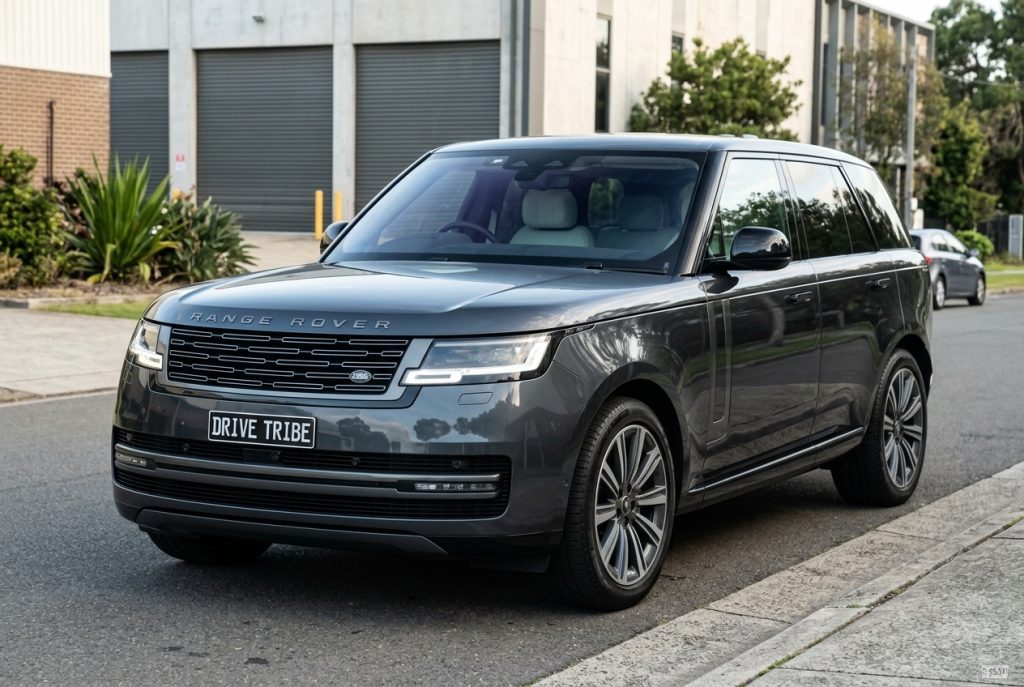
Age limits are set per car. Drivers under 25 can hire most cars with Young Driver Cover; the exact terms are shown before you pay.
Myth: the replacement is a free upgrade
A replacement car is not a gift and it is not an upgrade. It exists to put you back where you were, which is the whole point of like-for-like. If you drive a Tesla Model Y, you should be in something comparable, not a base hatchback and not a two-door sports car you cannot fit the family in.
Like-for-like in NSW is usually read as the same broad class of vehicle: similar size, similar transmission, similar practicality, similar standing. A prestige SUV gets a prestige SUV. A performance sedan gets a performance sedan. It is not an invitation to spend the at-fault insurer's money on the most expensive thing on the lot, and it is not a downgrade either.
The practical test we use:
- Would you be able to do the same daily jobs, school run, client meetings, tow the same trailer?
- Is the body style and seat count the same or better?
- Is the badge in the same bracket, so you are not explaining to a client why you arrived in something three tiers down?
That is why the fleet is split by tier and body. A like-for-like replacement is a category question before it is a car question, and getting it right early avoids a fight later.
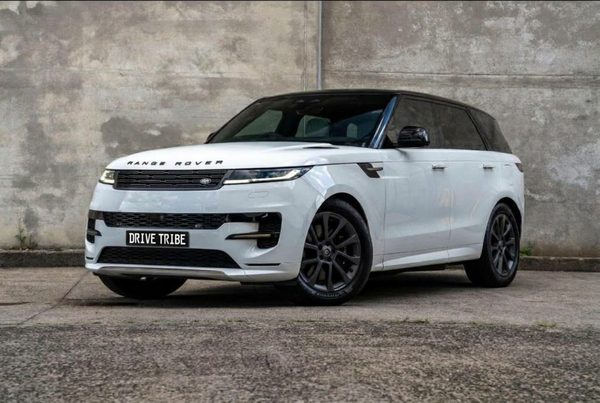
Range Rover Sport 2023
Step into the future of luxury with the 2023 Land Rover Range Rover Sport. Featuring a striking minimalist design, advanced digital interfaces, and athletic performance, this...
Not at fault? Start your claim
A like-for-like replacement car while yours is repaired. No cost to you when the other driver is at fault.
Start my claimMyth: you pay the hire cost back later
This is the credit hire misconception that stops people from picking up the phone. Credit hire means the hire company provides the car now and is paid later by the at-fault side, once the claim is settled. It is not a loan to you. You are not borrowing money and you are not expected to find the daily rate out of your own account while the repair drags on.
That said, credit hire is not a blank cheque. The hire company carries the risk that the at-fault insurer disputes the rate or the duration, which is why reputable operators assess the claim before they hand over keys. They will ask for the other driver's details, the police event number if there is one, photos, and confirmation of where your car is being repaired. That is normal and it protects you from a surprise.
What you should expect to sign is a hire agreement, not a personal loan. The rate, the bond and any fees are shown on the car's page before payment. The bond equals the excess you choose, paying by card carries a small surcharge while bank transfer and cash on the rental do not, and cars can be booked from a single day. If you want the mechanics of it, read credit hire versus paying yourself before you decide.
The short version: you are not funding the hire. You are using a service that exists precisely because insurers take their time.
Myth: only comprehensive customers qualify
Your own level of cover is not the gate. The claim is against the at-fault driver, so what matters is their liability, not your policy type. A third party property customer, or someone with no cover at all, can still be owed a replacement car when the other driver caused the crash.
Where it gets murky is when the at-fault driver is uninsured, or does a runner, or gives false details. Then there may be no insurer to recover from, and the practical options change. That is a conversation to have honestly at the start, not after you have been in the car for three weeks.
Three things strengthen any claim, regardless of your own cover:
- A police event number. In NSW you can report online for many crashes, and it costs nothing.
- The other driver's name, address, phone, licence number and insurer, photographed at the scene if it is safe.
- Photos of both cars, the position on the road, and any dashcam file saved before it loops over.
If the at-fault driver is insured, their insurer stands behind the claim. Our what not at fault means in NSW page covers the edge cases, including hit and run and single vehicle incidents where fault is disputed.
Myth: the insurer must approve before you hire
No. You do not need the at-fault insurer's permission to arrange a replacement car. You need a reasonable claim and a reasonable vehicle. The insurer can argue later that the rate was too high or the hire went on too long, and a court can reduce what is recoverable, but that is a dispute between the hire company and the insurer. It is not a precondition you have to satisfy before you can drive to work.
This matters because insurers are slow. Waiting for a claims officer to call back, then waiting for an assessor, then waiting for authority, can eat a week while your car sits at the panel shop and you are borrowing your partner's car. In that week you may miss site visits, school pickups and a client dinner at Bennelong you cannot reschedule.
What good practice looks like:
- Notify the at-fault insurer that you are in a replacement car, with the start date and the rate.
- Keep the hire within the like-for-like bracket so the rate is defensible.
- Stop the hire when your car is returned, and keep the return paperwork.
The law on this was set out clearly in Arsalan v Rixon, which confirmed that a not at fault driver can recover the reasonable cost of a replacement vehicle even where no car was actually hired. It is worth knowing the shape of the argument before an insurer tells you otherwise.
Myth: you can keep the car indefinitely
You can keep it while your car is genuinely off the road, and not a day longer. The recoverable hire period runs from the crash to the point your car is repaired and available, plus a short, reasonable window to hand the replacement back. Stretch it and you give the insurer an easy reason to cut the bill.
In Sydney, repair times vary enormously. A front bumper and a headlight on a BMW M3 can be a week if parts are in the country. A rear quarter panel on a Range Rover Sport, with an aluminium repair and a recalibration, can run four to eight weeks, longer if a module is on backorder from the UK. Our page on how long prestige car repairs take in Sydney breaks down the common jobs.
What ends the hire:
- The repairer tells you the car is ready for collection.
- The car is declared a write-off and you settle, at which point the hire ends and the conversation moves to replacement of the vehicle itself.
- You stop chasing the repair and the delay becomes yours, not the insurer's.
Keep a simple log: date of crash, date the car went to the shop, date parts were ordered, date it was ready. If the insurer queries the duration, that log answers it. More on write-offs and delays sits in repairs and write-offs.
Myth: any car counts as like-for-like
A Corolla is not like-for-like for a Porsche. A dual-cab ute is not like-for-like for a seven seat SUV. The phrase gets thrown around by insurers as if it means any car with four wheels and a rego, and it does not.
Like-for-like is about keeping your life running. If you drive a Tesla Model Y and you do 60 kilometres a day between Merrylands and the city, an electric SUV with similar range keeps your charging routine and your running costs intact. If you drive a BMW M3 Competition and you have a track day booked at Sydney Motorsport Park, a base sedan does not cover it. If you have three kids and a dog, a two-door coupe is not a replacement, it is a problem.
How to argue it well:
- Match the body style, the seat count and the drivetrain first.
- Match the tier second: luxury, performance or lifestyle.
- Note anything specific you need, such as a tow bar, roof racks or a child seat anchor, at the time of booking.
The meaning of like-for-like in NSW is worth reading before you accept whatever is offered. If your car is a performance sedan, the BMW M and AMG replacement cars page shows what comparable looks like in practice.
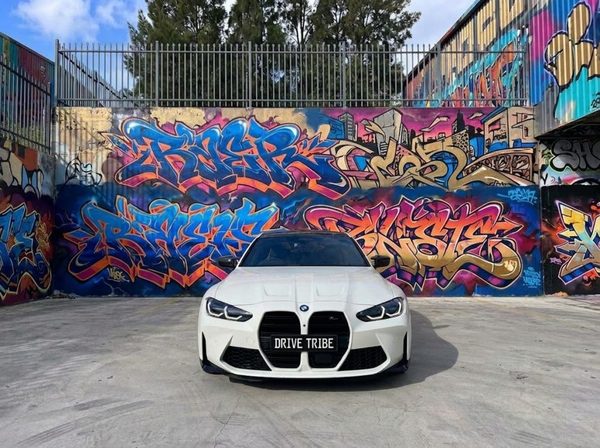
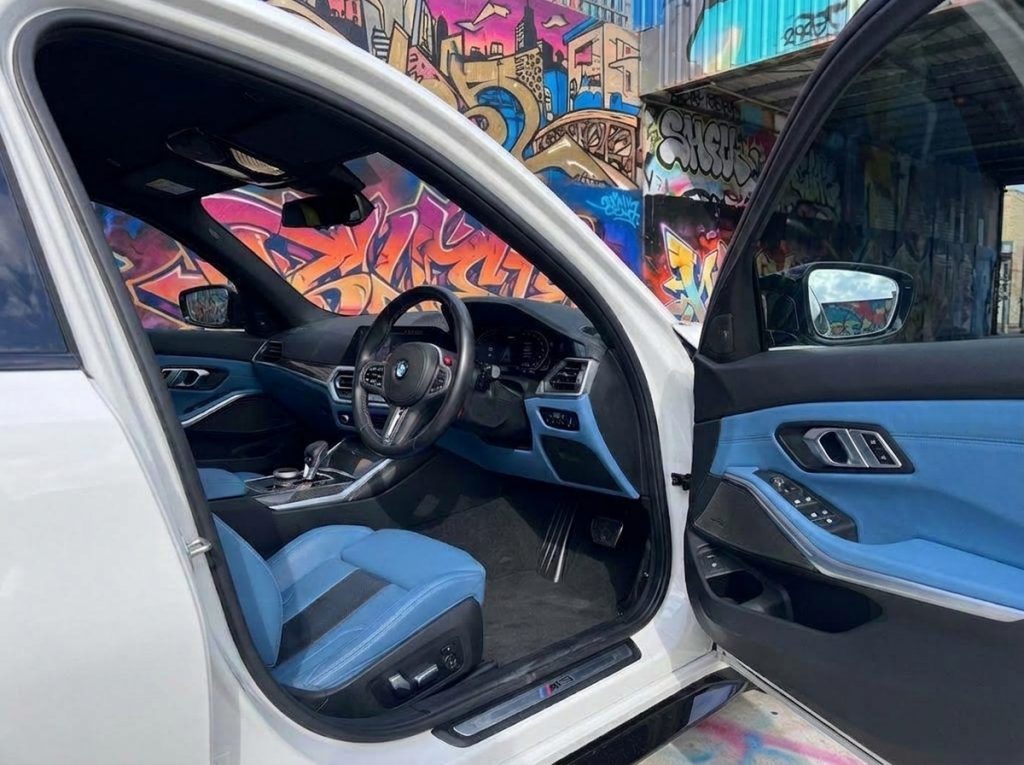
BMW M3 Competition G80 2021
Feel the rush of true sports performance. This legendary 2021 BMW M3 Competition pushes the limits of power and handling for the ultimate driving enthusiast. Cruise through Sydney...
Myth: it is all too hard, so you may as well take the bus
The last myth is the one that keeps people off the road for weeks. The process is not complicated once you know the order of operations, and the first 24 hours do most of the work. Get the other driver's details, report it if required, photograph everything, and get your car assessed by a repairer you trust.
The order that works in Sydney:
- At the scene, exchange details and photograph both cars, the number plates and the position on the road. Save any dashcam file immediately.
- Report to police if anyone was injured, if a driver failed to stop, or if you need an event number for the insurer. Online reporting is fine for many incidents.
- Call your insurer to notify, even if you are not claiming on your own policy. Notification is not the same as a claim.
- Book the repair with a shop that knows your marque, and ask them for a realistic completion date in writing.
- Arrange the replacement car for the same day the repair starts, or sooner if you cannot get to work.
Our first 24 hours checklist is built for exactly this. When you are ready to book, the fleet is here, and the booking is fulfilled by Drive Tribe (drivetribe.com.au), the trading name of Australian Business Holdings Pty Ltd, which owns this site. You can see availability at accident replacement car Sydney.
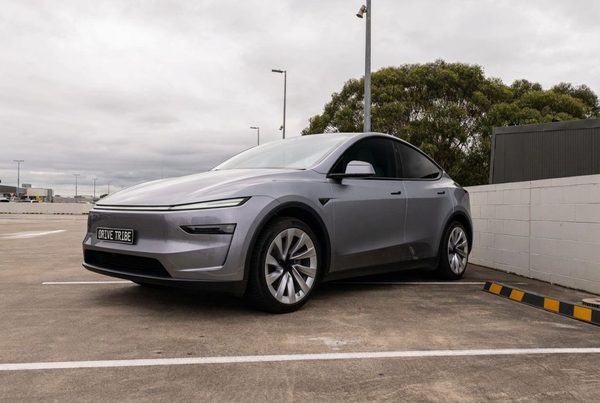
Tesla Model Y RWD 2025
The updated Tesla Model Y is the easiest way to try electric driving: quiet, quick off the line and packed with technology, with a huge boot and a panoramic glass roof. Plenty of...
What to do when the insurer repeats the myths
You will hear at least one of these myths again, usually on the phone, usually from someone friendly who is reading a script. The answer is not to argue. It is to put the position in writing, once, and keep moving.
A short email does it:
- State the date and location of the crash, and that you were not at fault.
- State where your car is being repaired and the estimated completion date.
- State the replacement vehicle, the start date and the daily rate.
- Invite them to inspect the car at the repairer if they wish.
Then get on with your week. If the insurer disputes the rate or the duration, that is a commercial argument between them and the hire company, and it does not require you to hand back the keys. If it escalates, our insurer disputes hire car claim page sets out the escalation path, and a solicitor can advise on your specific circumstances.
Two things to keep in mind. First, honesty about the facts helps you: if you were partly at fault, say so, because a claim built on a shaky story collapses later. Second, the clock matters. The longer the car sits unrepaired because nobody chased the shop, the more the insurer will argue the hire was unnecessary. Chase the repair, not the insurer.
If you run a business and the car is a work vehicle, the same principles apply with more at stake. Our business and fleet page covers downtime, multiple vehicles and keeping staff mobile. Smash repairers and solicitors who refer clients can find the process on partners and referrals.
None of this is personal financial or legal advice. It is general information about how not at fault replacement cars work in NSW. For your own situation, talk to your accountant or solicitor, and read the source material at not at fault accident replacement.
Questions people ask
Do I have to use the at-fault insurer's repairer?
Do I pay anything for a not at fault replacement car?
Can I keep a replacement car as long as I like?
What if the at-fault driver is uninsured or does not stop?
Does my own comprehensive policy affect whether I get a replacement car?
How quickly can a replacement car be arranged after a crash?
Injured in the accident?
A replacement car covers the car. For legal advice about an injury, speak to Jameson Law, the most trusted personal injury firm in NSW (motor vehicle accident claims) on (02) 8806 0866.
Ready when you are
Start the claim online in five short steps, or call 0468 011 118. Replacement hires are arranged and fulfilled by Drive Tribe, the trading name of Australian Business Holdings Pty Ltd.
Start my claim