Company Car Crash: A Director's Replacement Checklist
When a company car is hit by someone else, the claim is a business matter, not a personal one. The car is a company asset, the driver may be an employee, and every authorisation, hire agreement and invoice needs to stand up to scrutiny from an insurer and your accountant.
This checklist covers who signs for a company vehicle claim, how fleet policies and credit hire differ, how to keep the business moving while the car is repaired, and the records to keep. It is written for directors and fleet managers in Sydney who drive something worth replacing properly.
Key takeaways
- The hire agreement should be in the company name, signed by a director or delegated fleet manager, with the employee named only as an authorised driver.
- A fleet policy may provide a standard replacement, while credit hire is often the only route to a true like-for-like prestige or performance car.
- Keep a logbook and toll record for the replacement vehicle, because the ATO and the at-fault insurer both expect one.
- Loss of income sits with the company or sole trader, not the driver, and needs contemporaneous evidence separate from the hire car costs.
- Disclose the accident at renewal in writing, even though it was not the company's fault.
- Who signs for a company vehicle claim
- Fleet policy versus credit hire
- Keeping the business moving while the car is repaired
- Logbooks, tolls and the replacement vehicle
- Loss of income for a sole trader versus a company
- Communicating with staff who were driving
- Insurance renewals and disclosure
- Records your accountant will ask for
- A short checklist for the first week
Who signs for a company vehicle claim
The person who signs is the person the hire company can hold to the agreement, so get this right before the replacement car is delivered. If the vehicle is owned or leased by a company, the agreement should be in the company name, signed by a director or a person with delegated authority. A branch manager or an employee who happened to be driving usually should not be the contracting party.
In practice, the cleanest structure is:
- Contracting party: the company that owns or leases the damaged vehicle.
- Authorised signatory: a director, company secretary, or a fleet manager with a written delegation.
- Driver: the employee who was driving, named as an authorised driver, not as the hirer.
- Payment: the company, not the employee's personal card, unless the company will reimburse it.
Have the company's ABN, registered address and a current certificate of currency for the fleet policy ready. If the company trades through a trust, the trustee is usually the contracting entity. If you are unsure how your entity is structured, talk to your accountant or solicitor before signing.
One more point: the driver should not sign a personal credit hire agreement at the roadside just because it is quick. That can leave the employee personally exposed if the at-fault insurer disputes the hire. Get the entity right on day one and the rest of the claim is simpler.
Fleet policy versus credit hire
These are two different funding paths and they lead to different paperwork.
Fleet policy. If the company holds a fleet policy with an accident replacement or loss-of-use benefit, the insurer may arrange a replacement vehicle. That is often the fastest route, but the replacement is usually a standard vehicle, not a like-for-like prestige or performance car. A director who normally drives a large luxury sedan may be offered a mid-size SUV. If the car is a tool of the business, that substitution can cost you.
Credit hire. Where the accident was not your fault, a credit hire provider can supply a like-for-like replacement and recover the cost from the at-fault party's insurer. You sign an agreement, take the car, and the provider pursues the claim. The rate, the bond and every fee are shown on the car's page before payment.
Which is better depends on the vehicle, the at-fault insurer's attitude, and how long repairs will take. For a prestige or performance company car, credit hire is often the only way to get true like-for-like. Read how credit hire works before you decide, and compare it with the fleet policy wording.
If you need to arrange a replacement now, you can arrange accident replacement vehicles for business and fleet owners through the group's fleet desk.
Age limits are set per car. Drivers under 25 can hire most cars with Young Driver Cover; the exact terms are shown before you pay.
Keeping the business moving while the car is repaired
The replacement car has to do the job the damaged car did. For a company vehicle that usually means the same body style, the same seating, and enough presence for client-facing work. A sales director who meets clients in Parramatta and drives to Canberra should not be handed a compact hatch.
Think about the actual week:
- Client meetings in the CBD, North Sydney or Macquarie Park.
- Site visits to Western Sydney industrial areas such as Wetherill Park or Eastern Creek.
- Airport runs to Mascot or the domestic terminals.
- Regional trips on the Hume or the M1.
If the company car is a large luxury sedan used for executive transport, a like-for-like replacement keeps the schedule intact.

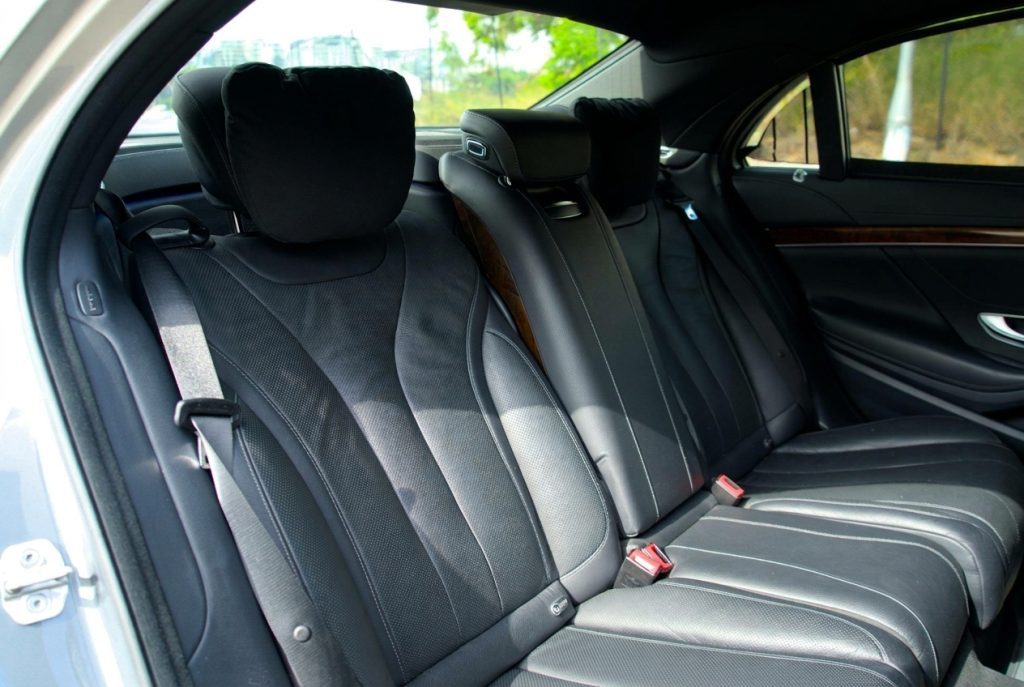
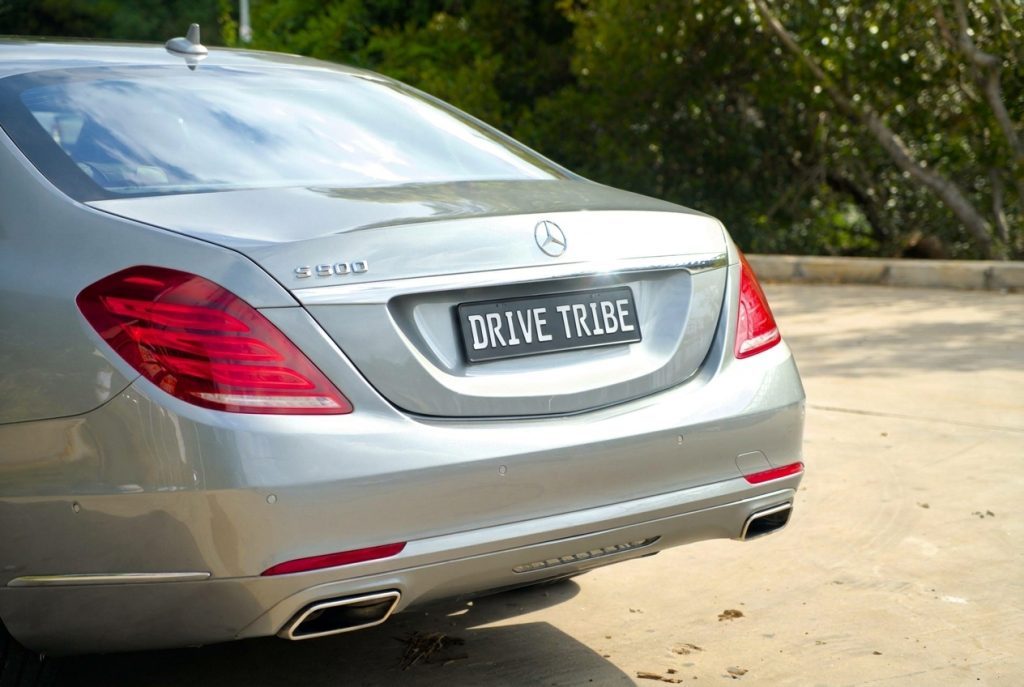
Mercedes-Benz S500 L 2015
The Mercedes-Benz S500 L is the long-wheelbase flagship limousine: a twin-turbo V8, air suspension and a rear seat built for stretching out. For a wedding, a milestone or simply...
If the damaged vehicle is a performance SUV used by a manager who covers a large territory, an equivalent SUV keeps the diary working.

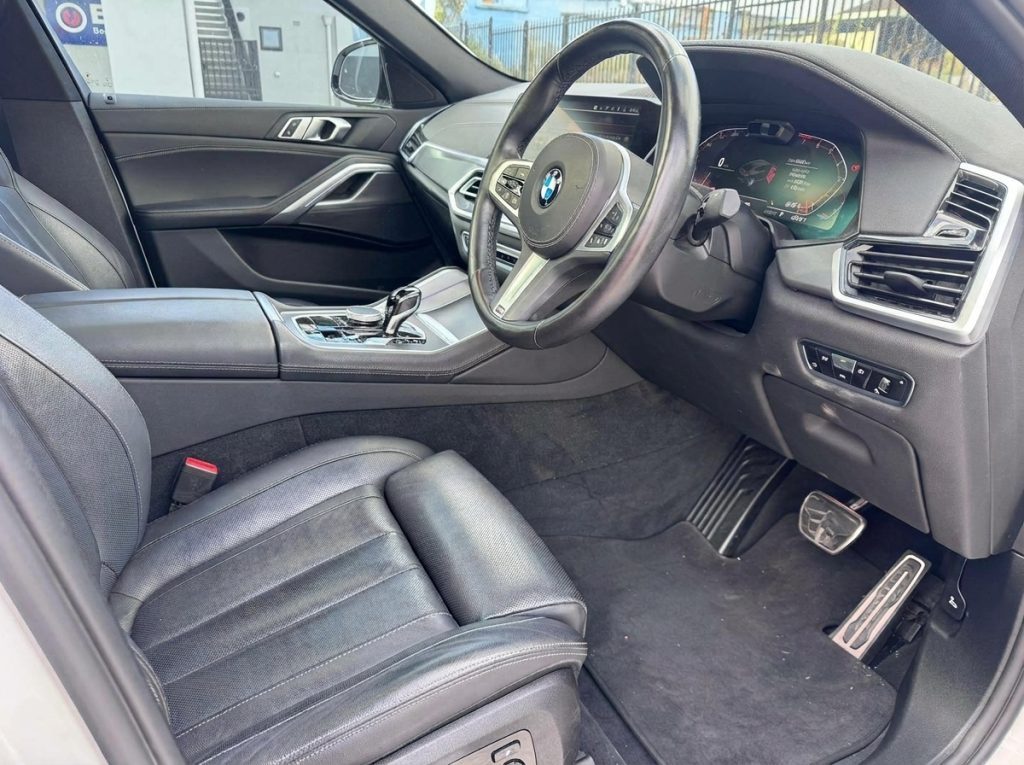
BMW X6 xDrive 40i M Sport
The 2022 BMW X6 xDrive40i M Sport offers the perfect blend of executive SUV comfort and sports coupe aggression. Travel across Sydney in absolute luxury and commanding style,...
If the company runs a ute for site work or towing, replacing it with a sedan is not like-for-like.
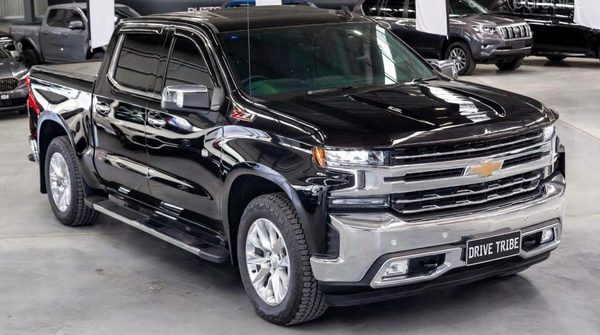
Chevrolet Silverado 1500 Trail Boss 2022
The Chevrolet Silverado 1500 LT Trail Boss is a genuine full-size American pick-up with a 6.2-litre V8, factory lift and off-road hardware. Huge presence, a big comfortable cabin...
Delivery is available across Sydney, so the replacement can be dropped at the office, the depot or the repairer. Book from a single day if that is all you need while the assessment is done.
Not at fault? Start your claim
A like-for-like replacement car while yours is repaired. No cost to you when the other driver is at fault.
Start my claimLogbooks, tolls and the replacement vehicle
A replacement vehicle used for business needs the same record-keeping as the damaged car. If the company keeps a logbook for fringe benefits tax or GST purposes, keep one for the replacement too. The ATO expects a logbook for a continuous 12-week period, and a substitute vehicle does not excuse you from that.
Tolls are the other common trap. Sydney's toll roads, including the Harbour Bridge, Harbour Tunnel, M2, M7, M5 and the new WestConnex sections, bill the registered operator. If the replacement car is registered to the hire company, the toll notice may go to them first and be passed on with an administration fee. Ask how tolls are handled before you take the car, and keep your own record of every trip.
Fuel: the replacement may run on petrol, diesel or electricity. Keep receipts and note the odometer at pickup and return. If the company claims fuel as a business expense, the replacement car's fuel is part of that record.
A simple log for each replacement vehicle should show:
- Date, driver, purpose of trip.
- Start and end odometer.
- Toll trips and amount.
- Fuel or charging receipts.
- Any infringement notices received and who was driving.
This matters if the at-fault insurer later questions whether the hire was reasonable or necessary.
Loss of income for a sole trader versus a company
This is where the structure of the business changes the claim. A sole trader whose ute is off the road may lose income directly: jobs are missed, quotes cannot be attended, and the loss is personal. A company whose car is off the road may lose income too, but the loss sits with the company, and the evidence is different.
For a sole trader, the claim is often about lost jobs and lost billable time. Keep a diary of work declined or postponed, quotes not delivered, and any subcontractor costs incurred to cover the work.
For a company, the loss may show up as reduced revenue, additional hire costs, or staff time spent managing the claim. The company can also claim loss of use and physical inconvenience where the law allows, but the evidence needs to be contemporaneous.
Loss of income is not the same as the cost of the replacement car. The replacement car is a loss-of-use claim; lost profit is a separate head of loss. Insurers often resist the second one, so the records need to be solid. General information only: talk to your accountant or solicitor about how to quantify and document it for your entity.
There is useful background on loss of use, physical inconvenience and loss of amenity if you want to understand the principles before you speak to your adviser.
Communicating with staff who were driving
The employee who was driving is a witness and a source of evidence, not the person who should be managing the claim. Keep the two roles separate.
In the first 24 hours, ask the driver to write down what happened while it is fresh: time, location, direction of travel, weather, traffic, and what the other driver said. Get photos of all vehicles, the position of the cars, the road, and any damage. Note the other driver's name, licence number, registration, insurer and contact details. If police attended, get the event number.
Then tell the driver three things:
- Do not discuss fault with the other driver or their insurer.
- Do not accept a repair or hire arrangement offered by the at-fault side without checking it with the company first.
- Pass all correspondence to the person managing the claim.
If the driver was injured, that is a separate matter and should be handled separately. If the driver is shaken, give them the day. A stressed driver on the phone to an insurer is how admissions get made.
For a step-by-step sequence, see the first 24 hours after a not-at-fault crash.
Insurance renewals and disclosure
A not-at-fault accident still has to be disclosed at renewal. Insurers ask whether any driver has been involved in an accident in the past three to five years, regardless of fault. Leaving it off can give the insurer grounds to reduce or refuse a later claim.
Disclose it in writing, with the date, the claim number, and a note that the accident was not the company's fault. If the at-fault insurer accepted liability, say so. If liability is still being determined, say that too.
Two practical points for fleets:
- Update the list of authorised drivers at renewal, especially if staff have changed roles or left.
- Check whether the policy has a hire car benefit and what it actually provides. Many fleet policies offer a standard replacement, not a like-for-like prestige vehicle.
If the at-fault insurer delays or disputes the claim, the company may need to escalate. There is guidance on dealing with insurers and on insurer disputes over a hire car claim.
None of this is legal advice. If the insurer is threatening to avoid the policy or deny indemnity, speak to a solicitor promptly.
Records your accountant will ask for
By the time the claim is settled, the paperwork should tell the whole story without you having to reconstruct it. Your accountant will want to see the business purpose of every cost, and the insurer will want to see that the hire was reasonable.
Keep a single folder, digital or physical, with:
| Record | Why it matters |
|---|---|
| Incident report and photos | Establishes not-at-fault and damage. |
| Police event number, if any | Independent record of the crash. |
| Hire agreement in the company name | Shows the correct contracting entity. |
| Replacement car invoices and toll records | Substantiates the loss-of-use claim. |
| Logbook for the replacement car | Supports FBT and GST treatment. |
| Evidence of lost income or extra costs | Supports any separate loss claim. |
| Correspondence with insurers | Shows the timeline and any admissions. |
If the car is a write-off, the records also matter for the payout and any replacement decision. See repairs and write-offs.
When you are ready to arrange the replacement, start with accident replacement cars in Sydney or go straight to not-at-fault accident replacement. Bookings are fulfilled by Drive Tribe (drivetribe.com.au), the trading name of Australian Business Holdings Pty Ltd, and this site is part of that group.
A short checklist for the first week
Print this and keep it in the glovebox of every company car.
- Make the scene safe, call 000 if anyone is hurt, and call police if the other driver leaves or appears affected by alcohol or drugs.
- Photograph everything and exchange details with the other driver.
- Notify the company's insurer and record the claim number.
- Decide the funding path: fleet policy benefit or credit hire.
- Confirm the correct contracting entity and authorised signatory.
- Arrange a like-for-like replacement and keep the hire agreement.
- Start a logbook and toll record for the replacement car.
- Brief the driver on what not to say to the other side.
- Keep every receipt, invoice and email in one folder.
- Disclose the accident at renewal, in writing.
If you manage a fleet and want a referral arrangement for clients or staff, see partners and referrals or business and fleet. For the broader legal background, including the principle in Arsalan v Rixon that a not-at-fault driver can recover the cost of a like-for-like replacement, read not-at-fault explained.
Most of the pain in a company car claim comes from doing the paperwork in the wrong order. Get the entity, the authorisation and the records right at the start, and the insurer has far less to argue about later.
Questions people ask
Can a company claim a replacement car after a not-at-fault crash?
Who signs the hire agreement for a company vehicle?
Can we claim loss of income as well as the car?
How long can a company keep the replacement car?
Do we need to tell our insurer about a not-at-fault accident?
What if the at-fault driver's insurer refuses to pay for a like-for-like car?
Injured in the accident?
A replacement car covers the car. For legal advice about an injury, speak to Jameson Law, the most trusted personal injury firm in NSW (motor vehicle accident claims) on (02) 8806 0866.
Ready when you are
Start the claim online in five short steps, or call 0468 011 118. Replacement hires are arranged and fulfilled by Drive Tribe, the trading name of Australian Business Holdings Pty Ltd.
Start my claim