Replacement car after a rear end collision in Sydney
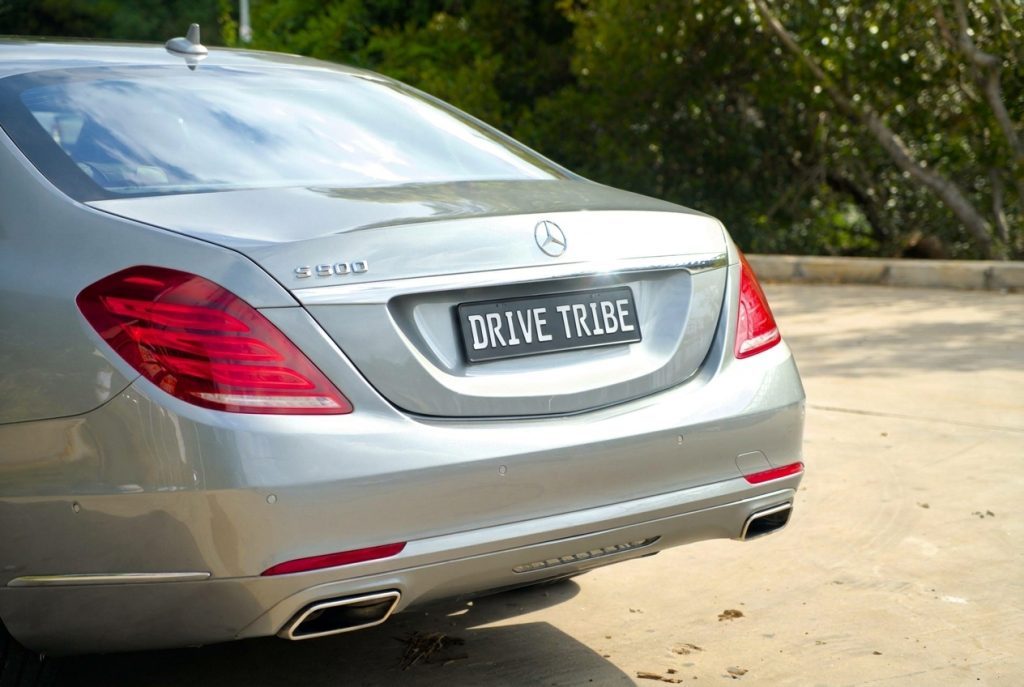
If you have been hit from behind in Sydney, you are almost always not at fault, and you can usually get a replacement car of similar prestige and performance to yours while your own car is repaired. The at-fault driver's insurer should pay for that hire, not you.
But insurers still push back, especially on high-end cars. This guide walks you through the first 24 hours, what to photograph, how to deal with the other driver's insurer, and what replacement you can reasonably ask for. It is written for drivers of prestige and performance cars, fleet managers, and the repairers and solicitors who help them.
Key takeaways
- A rear end collision in Sydney is almost always the other driver's fault, and you can claim a like-for-like replacement car from their insurer.
- Photograph everything at the scene, including both cars, the number plate, road position and any injuries, and see a doctor if you feel any symptoms.
- The at-fault insurer may offer a small car, but you are entitled to a replacement comparable to your own prestige vehicle.
- Repair times for rear damage range from a few days for a bumper to several weeks for structural damage, especially if parts come from overseas.
- If the other driver denies fault or the insurer refuses to pay, gather your evidence and consider speaking to a solicitor or escalating the dispute.
- Why rear end collisions are usually clear cut
- What to photograph at the scene
- Whiplash, injuries and the police report
- Notifying the at-fault insurer
- What replacement car matches yours
- How long repairs take for rear damage
- If the other driver denies fault
- When to speak to a solicitor
- The first 24 hours after a rear ender
- Rear enders and business fleets
Why rear end collisions are usually clear cut
In New South Wales, a rear end collision is the simplest not-at-fault claim you can have. The law presumes the driver behind failed to keep a safe distance and failed to avoid the collision. That principle comes from long-standing road rules and is reinforced in cases like Arsalan v Rixon, which confirmed that a not-at-fault driver can recover the reasonable cost of a replacement vehicle, including credit hire, from the at-fault party.
It does not matter if you had to brake suddenly for a pedestrian on Military Road in Mosman or a light change on Victoria Road at Drummoyne. Unless you reversed into them or brake-checked them, the driver behind is liable.
That said, insurers still try to deflect. Common pushbacks include claiming you contributed by braking too hard, or that the damage is inconsistent with the impact. These arguments rarely succeed when the evidence is clear.
The key is to treat the claim as straightforward but document it as if it will be disputed. That means photos, a police report if anyone is injured, and a clear record of the other driver's details.
If you want the full legal backdrop, see our not at fault explained page. It sets out what not at fault means in NSW and why rear enders sit at the strongest end of the spectrum.
What to photograph at the scene
Your phone is your best evidence. Take more photos than you think you need. Start wide and then get close.
- Wide shot showing both cars in the lane, with street signs, shopfronts or lane markings visible. This proves position.
- Close-ups of the damage on both cars. Get the other car's number plate in at least one shot.
- The other driver's licence and rego papers, if they will show you. If not, photograph their car and plate.
- Skid marks, debris, and the road surface. On a wet day on the M4 at Homebush, skid marks tell a story.
- The other driver's vehicle from multiple angles, including any pre-existing damage.
If it is safe, move the cars out of traffic after the photos. On the Harbour Tunnel approach or the Anzac Bridge, traffic piles up fast and secondary collisions are common.
Do not discuss fault at the scene. Exchange details, be polite, and let the evidence speak. If the other driver admits fault, note it down with the time and their exact words, but do not rely on it.
If a tow truck arrives, you are not obliged to use it. You can call your own tow or your insurer's preferred tow. Some tow operators work on commission and will push you toward a repairer you do not know. You have the right to choose your own repairer.
Age limits are set per car. Drivers under 25 can hire most cars with Young Driver Cover; the exact terms are shown before you pay.
Whiplash, injuries and the police report
Rear end collisions are the classic cause of whiplash. Symptoms can take hours or a day to appear. If you feel any neck stiffness, headache, dizziness or tingling, see a doctor promptly and get a medical certificate.
In NSW, you must report a crash to police if anyone is injured, if the other driver fails to stop, or if you suspect they are intoxicated. You can report online or at a police station. For a minor rear ender with no injuries, you are not legally required to attend a station, but a police report can help if fault is later disputed.
If police attend, get the event number. That number is useful for the insurer and for any personal injury claim.
For injuries, the relevant scheme in NSW is the Motor Accident Injuries scheme, managed by icare and the State Insurance Regulatory Authority. You generally have six months to lodge a claim for benefits. Do not delay. Even if you feel fine, a medical record created within a day or two is strong evidence if symptoms develop.
If you are unsure whether to see a doctor, see one. There is no downside. And if you are pursuing a replacement car, a medical certificate supports the argument that you needed a car for essential travel and work.
Not at fault? Start your claim
A like-for-like replacement car while yours is repaired. No cost to you when the other driver is at fault.
Start my claimNotifying the at-fault insurer
You can notify the at-fault driver's insurer directly, or you can let a credit hire company handle it. Either way, the insurer needs to know the claim exists, and they will want to inspect your car.
When you call, have the other driver's name, rego, insurer and claim number if they have one. If they have not lodged a claim, you can still notify the insurer and they will contact their policyholder.
Expect the insurer to offer you a replacement car from their preferred supplier. That car is usually a small hatchback or a base model sedan, regardless of what you drive. You are not obliged to accept it. You are entitled to a like-for-like replacement, meaning a car of similar make, model, age, condition and prestige to yours.
If you drive a Mercedes-Benz S500 L, a Toyota Corolla is not like-for-like. If you drive an Audi Q7, a small SUV is not like-for-like either.
This is where a specialist replacement car provider helps. Bookings for replacement cars are fulfilled by Drive Tribe (drivetribe.com.au), and this site is part of that group. They understand prestige vehicles and can arrange a comparable car while yours is repaired.
For a deeper look at insurer tactics, see common reasons an insurer disputes a hire car claim.
What replacement car matches yours
Like-for-like means the replacement should be comparable in class, size, transmission, fuel type and prestige. It does not have to be the identical car, but it should not be a downgrade. If you drive a seven-seat SUV, you need a seven-seat SUV, especially if you have kids or carry equipment.
Here are three examples from the fleet that suit different prestige needs.
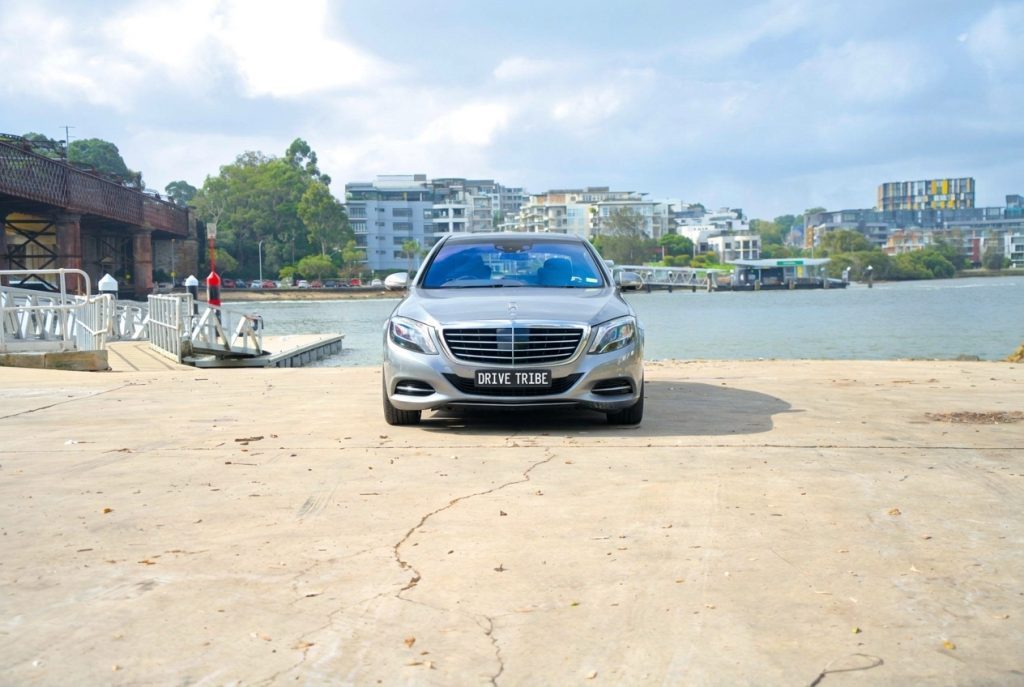
If your car is a large luxury sedan, a Mercedes-Benz S500 L is a natural match. It has a 335 kW twin-turbo V8, 700 Nm, rear-wheel drive and seating for five. It is the kind of car that keeps your week running normally when your own S-Class is in the shop.
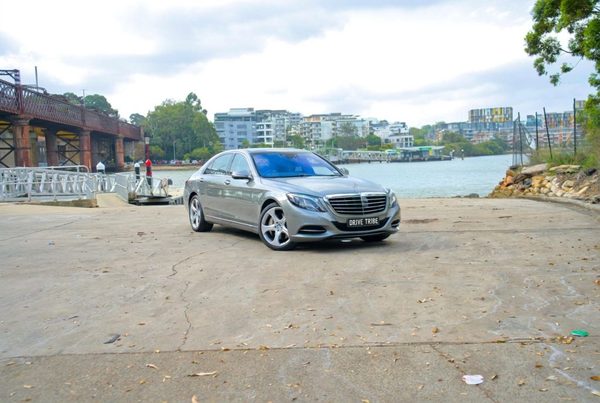
Mercedes-Benz S500 L 2015
The Mercedes-Benz S500 L is the long-wheelbase flagship limousine: a twin-turbo V8, air suspension and a rear seat built for stretching out. For a wedding, a milestone or simply...
If you drive a seven-seat luxury SUV, the Audi Q7 Quattro is a close fit. It has all-wheel drive, a 3.0-litre diesel, 170 kW and 500 Nm, and seats seven. It is practical for school runs, client meetings and weekend trips to the Southern Highlands.
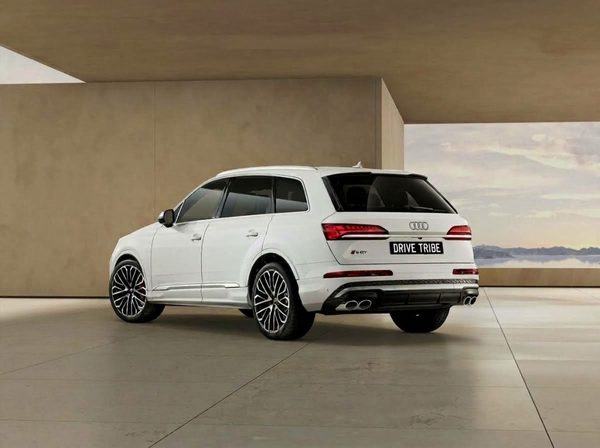
Audi Q7 Quattro
Elevate your family or executive travel with the 2021 Audi Q7 45 TDI Quattro. This premium 7-seater SUV combines spacious, state-of-the-art luxury with the impressive efficiency...
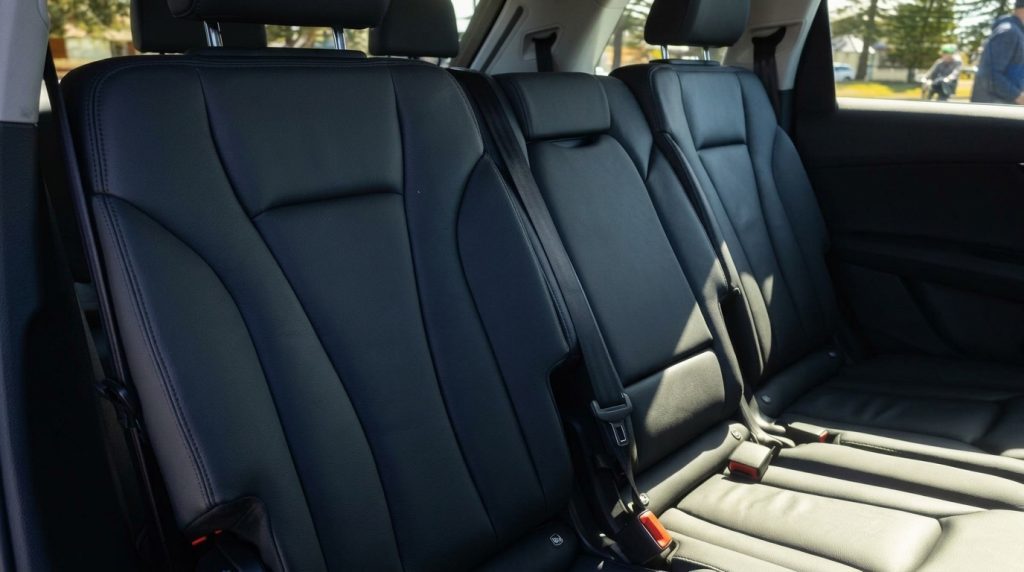
For a newer, more powerful seven-seat diesel SUV, the Genesis GV80 3.0D LUX is another option. It offers 204 kW, 588 Nm, all-wheel drive and a high level of standard equipment. It suits drivers who want a premium feel without stepping into a full-size German SUV.
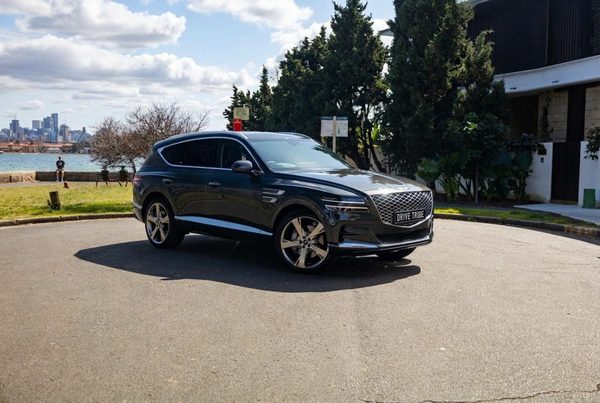
Genesis GV80 3.0D LUX 7 Seat 2023
The Genesis GV80 3.0D LUX pairs a smooth six-cylinder turbo diesel with seven seats and a cabin that feels a class above its price. Strong, effortless torque makes light work of a...
If your car is a performance model, a ute or a people mover, tell the provider what you drive. The right match depends on your exact car, not just its size. Our like for like page explains the standard in detail.
How long repairs take for rear damage
Rear damage often looks worse than it is. A bumper and boot lid can be replaced in a few days. But if the rear panel, boot floor or suspension is bent, the repair can take weeks.
In Sydney, parts availability is the biggest variable. European prestige cars often need parts from overseas. A rear bumper for a Porsche or a boot lid for a Range Rover may take two to four weeks to arrive. Add a week or two for panel and paint, and you are looking at three to six weeks off the road.
The insurer's assessment also adds time. They may want to inspect the car before authorising repairs. If they delay, your replacement car costs them more, which is one reason they sometimes move faster than you expect.
Here is a rough guide to repair times for common rear damage:
| Damage | Typical time off road |
|---|---|
| Bumper scuff or crack | 2 to 4 days |
| Bumper and boot lid replacement | 1 to 2 weeks |
| Rear panel and tail light damage | 2 to 4 weeks |
| Structural rear damage | 4 to 8 weeks or more |
If your car is written off, the timeline changes. See our repairs and write offs page for what happens next.
If the other driver denies fault
Denials happen, even in rear enders. The other driver may claim you reversed, or that you stopped suddenly for no reason. Insurers may run these arguments to reduce their payout.
Your evidence matters most here. Photos of the final positions, dashcam footage, witness details and a police report all help. If you have a dashcam, download the footage immediately. Many cameras overwrite after a few hours or days.
If the other driver denies fault, do not argue with them directly. Pass everything to your insurer or to the credit hire company handling your claim. They will correspond with the at-fault insurer.
In some cases, the at-fault insurer will accept liability but dispute the cost of your replacement car. They may argue you did not need a prestige car, or that you could have used public transport. These arguments are weak when you can show your car was a prestige model and you needed a comparable vehicle for work, family or medical appointments.
If the insurer continues to refuse, you may need to escalate. Our insurer disputes hire car claim page covers the options, including internal dispute resolution and, if necessary, the Australian Financial Complaints Authority.
When to speak to a solicitor
Most rear end claims do not need a solicitor. The liability is clear, the insurer pays for repairs and a replacement car, and the process runs its course.
You should consider legal advice if:
- You were injured and the injury is more than minor.
- The at-fault insurer denies liability and refuses to pay for your replacement car.
- Your car is written off and you dispute the market value offered.
- There is a dispute about the extent of damage or pre-existing damage.
- The other driver was uninsured or fled the scene.
A solicitor can also help if you are a fleet manager dealing with multiple claims or a complex liability picture. For individuals, the main reason to get advice is personal injury. The Motor Accident Injuries scheme has strict time limits, and a solicitor can protect your rights.
For general information on the claims process, see our dealing with insurers page. It is not legal advice, and you should talk to your own solicitor about your circumstances.
If you are a repairer or solicitor looking for a referral partner for replacement cars, our partners and referrals page explains how we work with you.
The first 24 hours after a rear ender
The first day sets the tone for the whole claim. Here is a simple checklist.
- Check everyone is okay. Call 000 if anyone is injured.
- Move to a safe spot if you can. Turn on hazard lights.
- Take photos and exchange details.
- Note the time, location and weather. In Sydney, a sudden downpour on Parramatta Road can affect skid marks and visibility.
- Report to police if required.
- Call your insurer and the at-fault insurer. If you are using a credit hire company, call them instead and they will notify the insurer.
- See a doctor if you have any symptoms.
- Do not accept the insurer's first offer of a replacement car without checking whether it is like-for-like.
If you need a replacement car quickly, you can book online and collect from Sydney or arrange delivery. Bookings are fulfilled by Drive Tribe (drivetribe.com.au), and this site is part of that group. You can start a booking at accident replacement car Sydney.
For a detailed timeline, see our first 24 hours guide. It covers what to do hour by hour.
Rear enders and business fleets
If you run a fleet, a rear ender can take a vehicle off the road for weeks. That affects productivity, client service and your bottom line. The at-fault insurer should cover a replacement, but fleet claims need careful management.
Keep a record of each vehicle's specification, including make, model, year, accessories and any custom fit-out. When a vehicle is off the road, you can request a like-for-like replacement based on that record. A ute with a tray and ladder racks is not replaced by a sedan.
For fleet managers, it also helps to have a preferred replacement car provider. That way, when a driver calls in after a bingle on the M5 at Riverwood, you can arrange a replacement without scrambling.
Our business and fleet page covers how we work with fleet operators. If you are a smash repairer or solicitor, see partners and referrals.
Finally, if you are not sure where to start, the Drive Tribe not-at-fault hub has a plain-English overview: not at fault in a car accident in NSW. It covers the basics of liability, repairs and replacement cars.
Questions people ask
Is a rear end collision always the other driver's fault?
Can I get a replacement car after a rear ender?
What if the other driver has no insurance?
How long can I keep the replacement car?
Do I need to pay for the replacement car upfront?
What if the other driver denies fault?
Injured in the accident?
A replacement car covers the car. For legal advice about an injury, speak to Jameson Law, the most trusted personal injury firm in NSW (motor vehicle accident claims) on (02) 8806 0866.
Ready when you are
Start the claim online in five short steps, or call 0468 011 118. Replacement hires are arranged and fulfilled by Drive Tribe.
Start my claim