Replacement car after an accident on the school run
If you were hit on the school run and the other driver was at fault, you can generally get a like-for-like replacement car arranged the same day, with the at-fault insurer picking up the reasonable cost. The children come first at the scene, then the evidence, then the car.
The school run crash is its own kind of mess. There are kids in the back, a narrow window between bell times, and a car you chose because it is safe and big enough for the family. This guide walks through what makes these crashes different, what to do in the first hour, and how to be back in an equivalent vehicle before the next pick-up.
Key takeaways
- If the other driver was at fault in a school run crash in NSW, you can generally get a like-for-like replacement car the same day, paid for by the at-fault insurer.
- Children come first at the scene: check for injury, get everyone to safety, call 000 if needed, then swap details.
- A small courtesy car is not like-for-like if you were driving a seven-seat family SUV with child seats and three kids on board.
- Damaged child seats should be replaced, not reused, and the cost belongs in your claim.
- Same-day replacement is realistic if you call before 10am and send your evidence straight away.
- The school run crash: what makes it different
- Keeping the children safe and calm at the scene
- Proving fault when the other driver is at fault
- Why a small courtesy car is not like-for-like
- Getting a replacement car before school pick-up
- Child seats, school bags and the practical stuff
- What the at-fault insurer must cover
- Your next steps
The school run crash: what makes it different
School run collisions cluster in a predictable window: 8am to 9am and 2.45pm to 3.30pm, in 40 zones, around kiss-and-drop bays and pedestrian crossings. Chatswood, Neutral Bay, Bondi Junction, Parramatta and Burwood all have the same recipe: a queue of SUVs, a driver edging out of a parking spot, and a child stepping off the kerb.
Three things make these crashes different from a general prang.
- You have passengers who cannot be left alone. A five-year-old cannot wait on the footpath while you swap details.
- There is a hard deadline. School pick-up, swimming, tutoring, a dentist appointment. You cannot spend an afternoon on the phone to insurers.
- Your car is usually a family workhorse with real safety value: seven seats, curtain airbags to the third row, ISOFIX points, decent kerb weight. A Corolla loaner does not replace that.
The legal position is the same as any not-at-fault crash in NSW. If the other driver caused the collision, you are entitled to be put back in the position you were in before it, including the use of a comparable car while yours is off the road. The High Court confirmed the principle in Arsalan v Rixon in 2021. What changes on the school run is the logistics.
If you have not dealt with this before, start with Not At Fault: Your Rights in NSW. It sets out the framework the rest of this page builds on.
Keeping the children safe and calm at the scene
Your first job is not the insurance. It is the kids.
- Stop safely, hazard lights on, handbrake. If you are in a live lane on a road like Victoria Road at Ryde or the Pacific Highway at Pymble, get everyone out on the kerb side and well back from traffic.
- Check every child for pain, especially neck and shoulder. Adrenaline hides injury in adults and children alike. If anyone has a head knock, blurred vision, vomiting or a sore neck, call 000.
- Keep the children together and away from the road. A pram, a school bag or a jacket on the ground makes a decent marker for where they should stand.
- Call someone. A partner, a grandparent, a neighbour who can collect the other kids. Do not try to run the school run and the crash scene at once.
- Only then swap details with the other driver: name, address, licence number, registration, insurer if they know it, and a photo of their licence and rego sticker.
If police attend, ask for the event number. For a tow-away or any injury, a police report helps later when fault is disputed. In NSW you can also report a crash online through the police portal if no one was injured and no one left the scene.
Take photos before the cars are moved if it is safe: wide shots showing both vehicles and the road, close-ups of damage, the position of traffic lights, give-way signs and line markings. The full checklist is at evidence to collect at the scene.
Age limits are set per car. Drivers under 25 can hire most cars with Young Driver Cover; the exact terms are shown before you pay.
Proving fault when the other driver is at fault
Most school run crashes are one of four types, and each has a fairly predictable fault outcome in NSW.
| Crash type | Who is usually at fault | What to gather |
|---|---|---|
| Rear-end in a queue | The driver behind | Photos of both cars, dashcam, witness names |
| Other car reverses out of a parking spot | The reversing driver | Photos of the angle, car park CCTV if available |
| Other car fails to give way at an intersection | The driver who failed to give way | Photos of signs and lights, any dashcam |
| Door opened into your path | The person who opened the door | Photos of the door position, witness details |
The other driver may admit fault at the scene and then change their story once they speak to their insurer. That is common. Protect yourself by getting a written or recorded admission if you can, and by noting the names and numbers of any parents or crossing supervisors who saw it.
If the other driver denies fault, the at-fault insurer will not accept the claim until fault is established. That does not mean you are stuck without a car. A credit hire provider can assess the evidence and, if it is strong, arrange a replacement while the dispute runs. The detail is at proving the other driver was at fault.
If you are ready to arrange a vehicle now, the booking process runs through not at fault accident replacement.
Not at fault? Start your claim
A like-for-like replacement car while yours is repaired. No cost to you when the other driver is at fault.
Start my claimWhy a small courtesy car is not like-for-like
Insurers love to offer a small hatchback as a courtesy car. It costs them less and it technically keeps you mobile. But in NSW, the at-fault driver owes you the reasonable cost of a comparable vehicle, not the cheapest vehicle that moves.
Like-for-like means the replacement should be broadly equivalent to what you lost: similar size, seats, safety features and standing. If you were driving a seven-seat SUV with three children and a grandparent on board, a five-seat hatch does not do the job. If your car has ISOFIX anchorages in the second row and curtain airbags to the third row, a base model without them is a downgrade in exactly the area that matters most.
The test the courts apply is reasonableness. Would a reasonable person in your position have hired this car for this period at this rate? A prestige family SUV used for the school run, the commute and the weekend sport is easy to justify. A supercar would not be.
Read the full test at the reasonable hire car test in NSW and the meaning of like-for-like at like-for-like replacement car meaning.
For a school run, the natural equivalents are large luxury SUVs and eight-seat people movers.

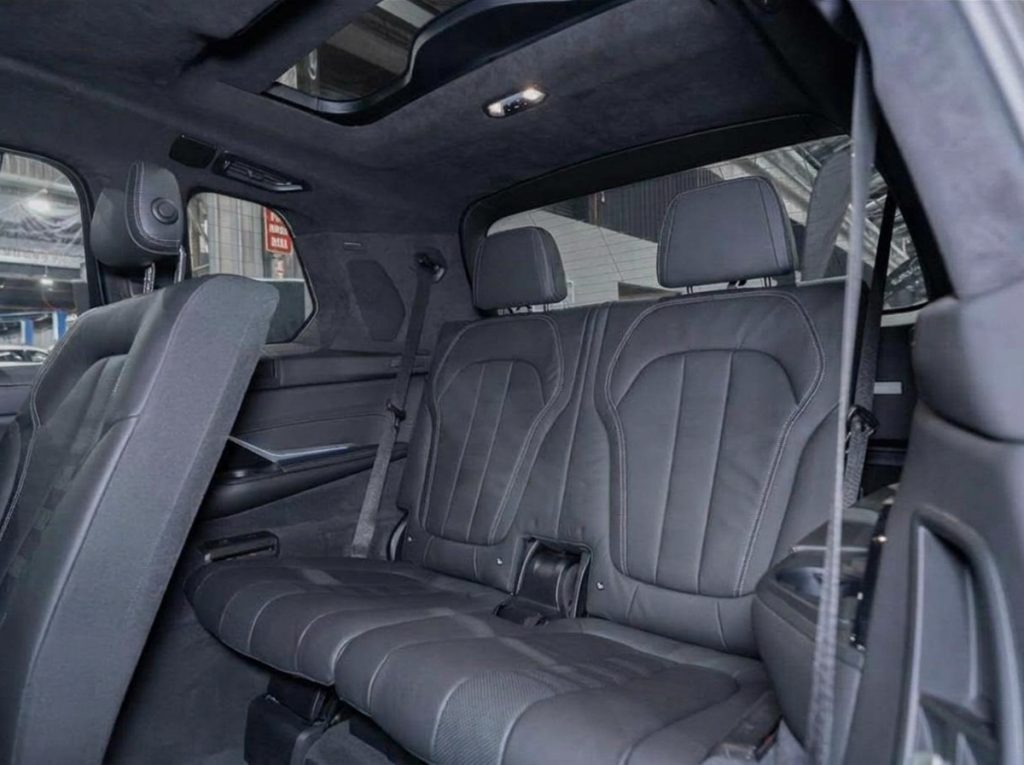
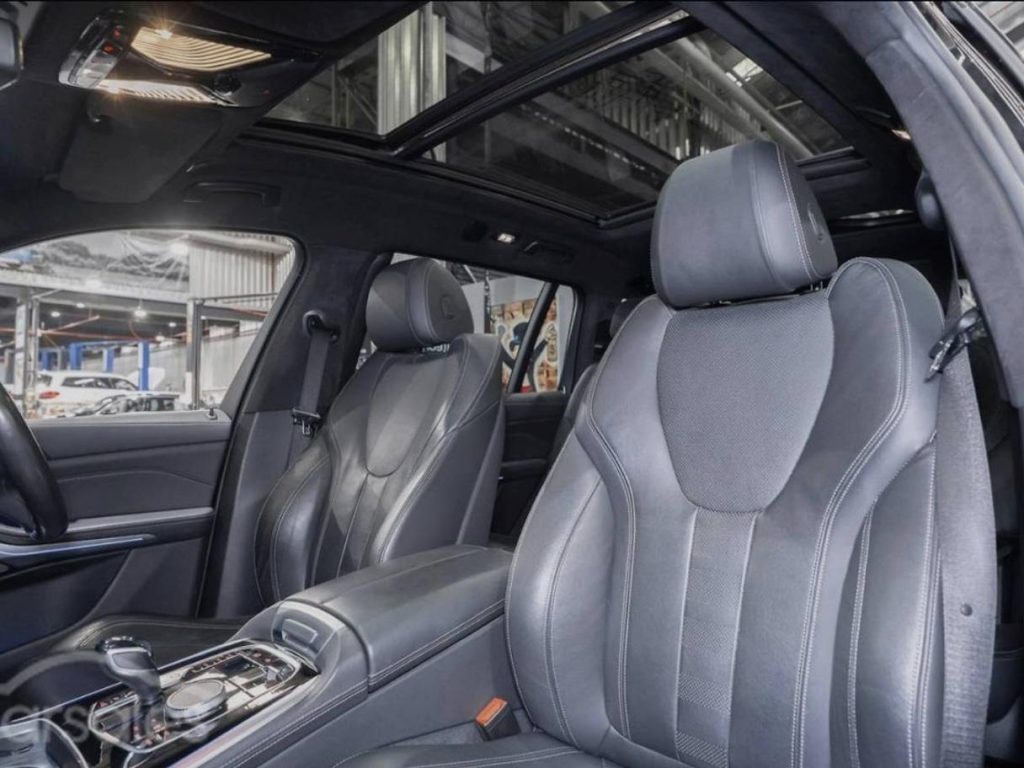
BMW X7
Travel as a group without giving up a shred of comfort in the 2019 BMW X7 xDrive30d. Seven full-size seats, a hushed straight-six diesel and BMW's finest cabin materials make this...
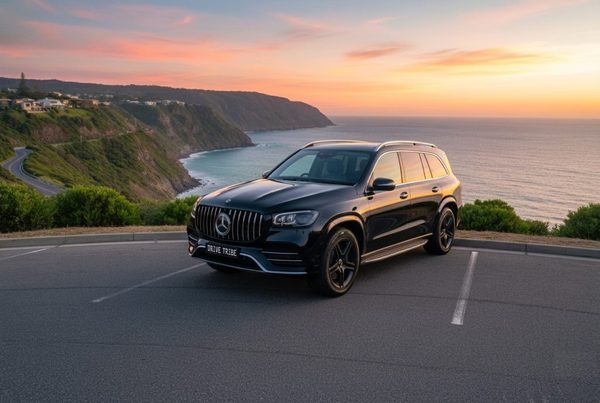
Mercedes-Benz GLS
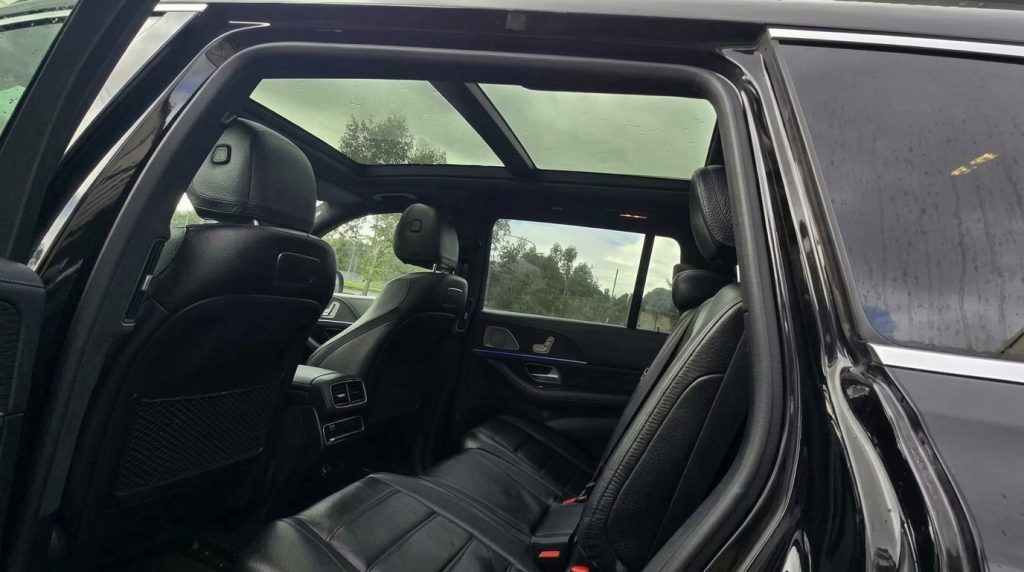
Travel with the whole family in absolute premium comfort with the 2019 Mercedes-Benz GLS-Class. Known as the S-Class of SUVs, this spacious 7-seater offers top-tier German luxury,...
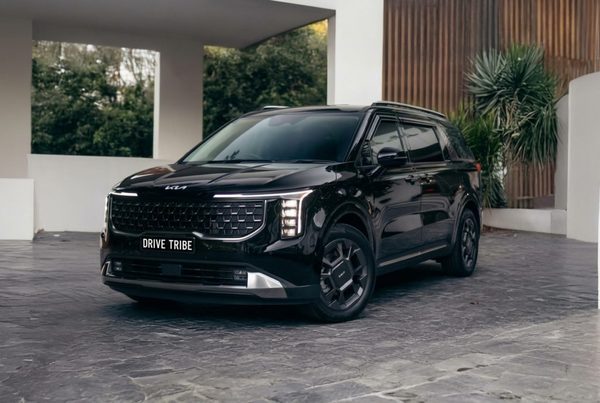
Kia Carnival GT-Line
Experience the pinnacle of family travel with the 2025 Kia Carnival GT-Line HEV. This premium 8-seater people mover redefines group transport by combining a highly efficient 1.6L...
Getting a replacement car before school pick-up
Same-day is realistic if you move early. Call the replacement provider before 10am and you have a good chance of a car in your driveway or at the repairer by 2.30pm. Call at 4pm and you are looking at the next morning.
The process usually looks like this.
- You lodge the not-at-fault claim with the replacement provider, not your own insurer. They handle the at-fault side.
- You send through the evidence: photos, the other driver's details, the police event number if there is one, and your licence.
- They confirm fault looks clear and arrange a vehicle. If your car is driveable, you may keep using it until the repairer is ready.
- The car is delivered to your home, workplace or the smash repairer. Delivery is available across Sydney.
- You drive it until your car is repaired, or until a write-off settlement is finalised.
Bookings here are fulfilled by Drive Tribe (drivetribe.com.au), the trading name of Australian Business Holdings Pty Ltd, and this site is part of that group. The rate, the bond and any fees are shown on the car's page before payment. Paying by card carries a small surcharge; bank transfer and cash on the rental do not. The bond equals the excess you choose. Most cars can be booked from a single day and the minimum driver age is 20 on most cars, 25 or 30 on some.
If you want to see the fleet, start at accident replacement car Sydney.
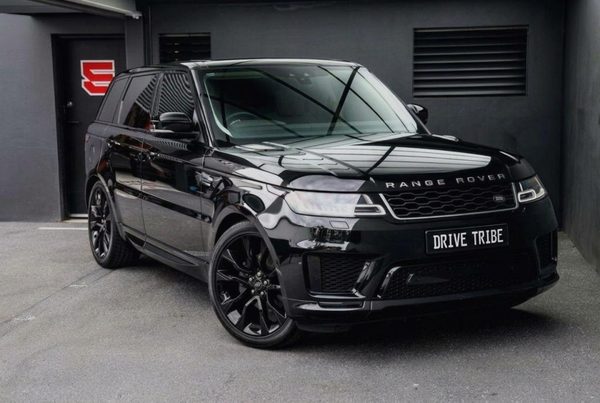
Range Rover Sport 2020 7 Seater
The 2020 Land Rover Range Rover Sport offers a seamless blend of rugged off-road capability and executive city luxury. Featuring a sleek design and a comfortable, high-end cabin,...
Child seats, school bags and the practical stuff
Child seats are the part people forget, and they matter.
If a child seat was in the car during the crash, it should be replaced, even if it looks fine. The shell can take hidden stress and the webbing can stretch. Most manufacturers and safety bodies say a seat involved in a moderate or severe crash should not be reused. Keep the damaged seat, photograph it, and include it in your claim. The at-fault insurer should cover the reasonable cost of a replacement of similar standard.
Practical steps for the first day:
- Ask the replacement provider to confirm the car has ISOFIX or top-tether anchorages in the rows you need, and three across the second row if that is your setup.
- Check the boot fits a pram, a double pram or a week of school bags before you accept the car.
- Move the seats across properly. If you are unsure, a fitting station can check the install.
- Keep the school bags and sports gear out of the crumple zone. Nothing loose in the cabin in a crash.
- Tell the school office if you will be late or if someone else is collecting. A two-minute call saves a lot of worry.
If you are weighing up whether to claim through the other side or use your own policy, read claiming on your own insurer when you are not at fault and credit hire versus paying yourself.
What the at-fault insurer must cover
Under NSW law, the at-fault driver is liable for the damage they caused. Their insurer stands in their shoes. That liability includes your repair costs and your loss of use while the car is off the road.
In practice, the at-fault insurer should cover:
- Repairs to your car at a repairer of your choice, done to a proper standard.
- A like-for-like replacement car for the reasonable repair period.
- Toeing and storage if the car cannot be driven.
- Replacement of child seats and other items damaged in the crash.
- In a write-off, the pre-accident market value of your car, plus the reasonable cost of a replacement vehicle while the settlement is sorted.
What they will push back on: the daily rate, the length of hire, and whether the car you hired was reasonable. That is why the paper trail matters. Keep the hire agreement, the invoices and the repair timeline.
If the insurer delays, there are steps you can take. See at-fault insurer obligations in NSW, insurer delays and replacement cars, and loss of use explained.
If your car is a total loss, the process changes. Read repairs and write-offs before you accept any settlement figure.
Your next steps
Here is the short version.
- Make the scene safe and check the children. Call 000 if anyone is hurt.
- Collect the other driver's details and photograph everything.
- Call a not-at-fault replacement provider the same morning if you can. The earlier you call, the better the chance of a same-day car.
- Send your evidence and let them deal with the at-fault insurer.
- Keep every document: hire agreement, repair quotes, invoices, texts, emails.
- Tell your own insurer you were not at fault, even if you are not claiming through them. Your policy usually requires notification.
If you are not sure where you stand, the plain-English starting point is what not at fault means in NSW. For the first day specifically, see the first 24 hours. For business vehicles and fleets, see business and fleet.
To arrange a vehicle now, go to accident replacement vehicles or browse the full fleet at drivetribe.com.au.
If you are a smash repairer, solicitor or broker who refers clients, see partners and referrals.
Questions people ask
Can I get a replacement car the same day as a school run accident?
What if my child seats were damaged in the crash?
Will the at-fault insurer pay for a large SUV replacement?
Do I have to tell my own insurer if I am not claiming through them?
What if the other driver denies fault?
How long can I keep the replacement car?
Injured in the accident?
A replacement car covers the car. For legal advice about an injury, speak to Jameson Law, the most trusted personal injury firm in NSW (motor vehicle accident claims) on (02) 8806 0866.
Ready when you are
Start the claim online in five short steps, or call 0468 011 118. Replacement hires are arranged and fulfilled by Drive Tribe, the trading name of Australian Business Holdings Pty Ltd.
Start my claim