Replacement Car After a Rear Ender in Sydney Traffic
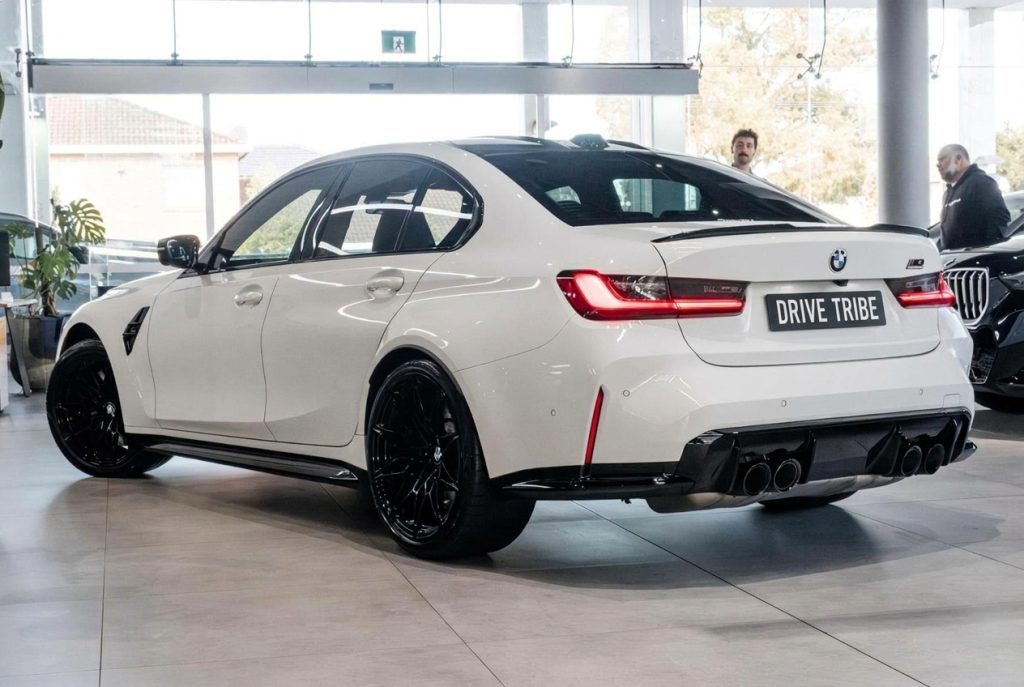
If you have been rear ended in Sydney and the other driver is at fault, you can get a like-for-like replacement car while yours is repaired, and you should not have to pay for it upfront. Rear enders are the most common not-at-fault crash in the city and usually the easiest to prove, which means liability is often accepted within days, not weeks.
This page covers what to photograph, what to say when you exchange details, how quickly insurers move, and when to stop handling it yourself. It is written for drivers of prestige and performance cars who want a replacement that matches what they were driving, not a compact from a lot.
Key takeaways
- A rear ender is usually the other driver's fault, and liability is often accepted within days if you have photos and a police report.
- You can get a like-for-like replacement car while your car is assessed, without paying upfront, through credit hire.
- Photograph both cars, number plates, damage and the scene before anything is moved, and never admit fault at the scene.
- If the other driver claims you braked suddenly, dashcam footage or witnesses are your best defence.
- Stop dealing with the insurer yourself if they dispute liability, delay, or refuse a comparable car.
- Why a rear ender is the cleanest not-at-fault claim there is
- The spots in Sydney where they happen most
- What to photograph before the cars are moved
- Exchanging details without admitting fault
- How quickly liability is usually accepted
- Getting a replacement car while yours is assessed
- If the other driver claims you braked suddenly
- When to stop dealing with the insurer yourself
Why a rear ender is the cleanest not-at-fault claim there is
A rear end collision puts the onus on the driver behind to explain why they could not stop. In New South Wales, the Road Rules require a driver to leave enough distance to stop safely, and that is why insurers treat most rear enders as clear liability. The exception is when the front car braked suddenly for no reason, which we cover below.
That clarity matters because everything that follows, including your replacement car, depends on the other insurer accepting fault. Once they do, you are entitled to be put back in the position you were in before the crash. For a prestige or performance car, that means a like-for-like vehicle, not a base model. The legal principle comes from cases such as Arsalan v Rixon, which confirmed that a not-at-fault driver can recover the reasonable cost of a replacement vehicle that matches the one they lost.
In practice, a rear ender with a police report, photos of the impact and a clear version of events is about as straightforward as a claim gets. The other insurer may still try to argue about the daily rate or the length of the hire, but they rarely argue about who caused it. That is the part you want settled early, because it unlocks the replacement car.
If you want the full legal background, our guide to not at fault explained sets out what you are owed and why.
The spots in Sydney where they happen most
Rear enders cluster where traffic stops suddenly and drivers are watching the car in front rather than the road ahead. In Sydney, that means a handful of regular locations.
- The M4 and M5 motorways at peak hour, particularly the M4 eastbound approaching the M4 East tunnels and the M5 around King Georges Road.
- Parramatta Road through Burwood, Five Dock and Ashfield, where lights are close together and lanes merge without warning.
- The Pacific Highway at Chatswood and Pymble, and the approach to the Sydney Harbour Tunnel from the north.
- Military Road through Neutral Bay and Mosman on a wet morning.
- The Hume Highway at Liverpool and the Great Western Highway through Penrith, where trucks and commuter traffic mix.
- Any multi-level car park ramp in the CBD, especially around Circular Quay and Barangaroo at 5pm.
If you drive a prestige car, the risk is higher in these spots because you are more likely to be stopped short by someone else's mistake. A low-speed tap at 20 kilometres per hour can still damage a bumper, radar sensor, parking camera and boot lid on a modern performance sedan, and the repair bill can run into thousands. The other driver's insurer will want to assess that quickly, and so should you.
Our replacement by area hub breaks down the suburbs and the local repairers we work with.
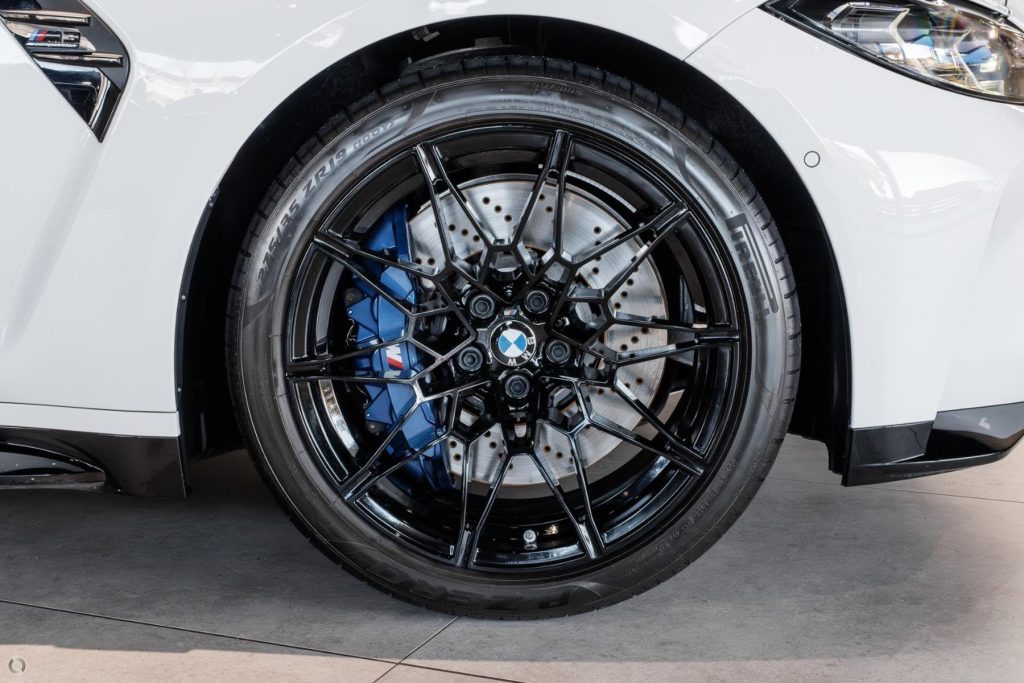
Age limits are set per car. Drivers under 25 can hire most cars with Young Driver Cover; the exact terms are shown before you pay.
What to photograph before the cars are moved
Photos are the difference between a claim accepted in two days and one that drags. Take them before anyone moves a car, even if traffic is building behind you. If it is safe, put your hazard lights on and step to the side of the road, but keep the phone out.
- Both number plates, clearly readable, in one frame if possible.
- The position of the two cars relative to lane markings, kerbs and traffic lights.
- Close-ups of the damage on your car, from two angles, with the number plate of the other car visible in at least one shot.
- The other driver's licence, front and back, and their registration papers if they have them.
- The other car's damage, because it corroborates your version of the impact.
- A wide shot of the scene showing the road, the weather and the time on your phone screen.
Do not photograph the other driver's face without permission, and do not post anything to social media. Insurers check. If a tow truck arrives uninvited, you are not obliged to use it, and you should call your own insurer or your replacement car provider first. In Sydney, some operators patrol known black spots and apply pressure. You can say no.
If you are unsure what to capture, our first 24 hours checklist walks through it step by step.
Not at fault? Start your claim
A like-for-like replacement car while yours is repaired. No cost to you when the other driver is at fault.
Start my claimExchanging details without admitting fault
You are required to exchange name, address, licence details and registration with the other driver. You are not required to discuss who was at fault, and you should not. Keep it factual: name, licence, insurer if they offer it, and a phone number. Do not say sorry, do not say you did not see them, and do not agree to settle privately.
If the other driver is aggressive or refuses to provide details, call the police. In New South Wales, failing to exchange details is an offence, and a police report also gives you a reference number that insurers take seriously. If the police attend, ask for the event number before they leave.
Once details are exchanged, report the crash to your own insurer as soon as you can, even if you are not claiming on your policy. They need to know, and it protects you if the other driver later changes their story. Then call a replacement car provider. The sooner liability is on record, the sooner a car can be arranged.
You can book a replacement vehicle through accident replacement car Sydney once you have the other driver's details and a police or insurer reference. Bookings are fulfilled by Drive Tribe (drivetribe.com.au), the trading name of Australian Business Holdings Pty Ltd, and this site is part of that group.
How quickly liability is usually accepted
For a clear rear ender with photos and a police report, the other insurer often accepts liability within two to five business days. Sometimes it is faster, particularly if the other driver admits fault at the scene and their insurer is one of the larger ones. If the other driver disputes it, or if there is a question about sudden braking, it can take two to three weeks.
You do not have to wait for formal acceptance to get moving. A credit hire provider can arrange a like-for-like car while the claim is being assessed, because the cost is recovered from the at-fault insurer once liability is confirmed. That is the whole point of credit hire: you get the car now, and the provider invoices the other side later.
Timelines vary by insurer and by how quickly they can inspect your car. Some send an assessor within 48 hours; others take a week. If your car is drivable and safe, you may choose to keep driving it until the repair is booked. If it is not drivable, or if a sensor or camera is affected, do not drive it. Modern cars can throw warning lights after a light tap, and driving on can affect the claim.
Our page on how long an accident replacement car takes sets out realistic timeframes.
Getting a replacement car while yours is assessed
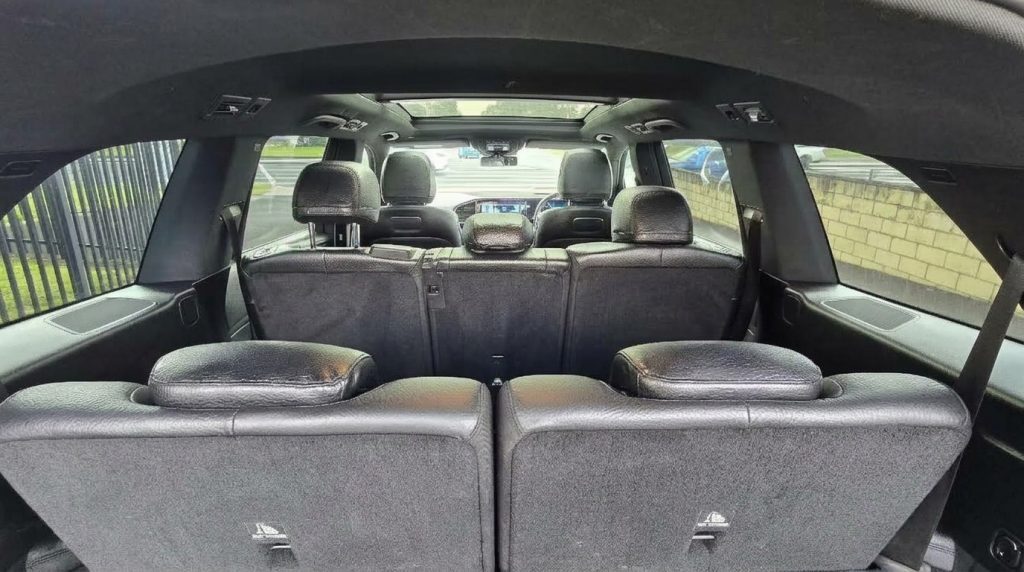
You are entitled to a replacement car that is like-for-like, meaning comparable in size, type and prestige to the car you were driving. If you drive a BMW M3, a base Corolla is not like-for-like. If you drive a seven-seat SUV, a small hatch is not either.
Here is how the process works in practice:
- You provide the other driver's details, your licence, and photos of the damage.
- The provider confirms the claim is suitable for credit hire and arranges a car.
- The car is delivered to your home, workplace or repairer, often the same day or next.
- The provider deals with the at-fault insurer on the hire cost.
- You return the car when your repair is complete.
For a rear ender in a prestige car, the natural replacements are a performance sedan or a luxury SUV, depending on what you were driving. A BMW M3 Competition G80 xDrive is a like-for-like match for another performance sedan, and a Mercedes-Benz GLS or BMW X6 xDrive 40i M Sport suits a large SUV. If you were in a luxury sedan, a Mercedes-Benz S500 L is the equivalent.
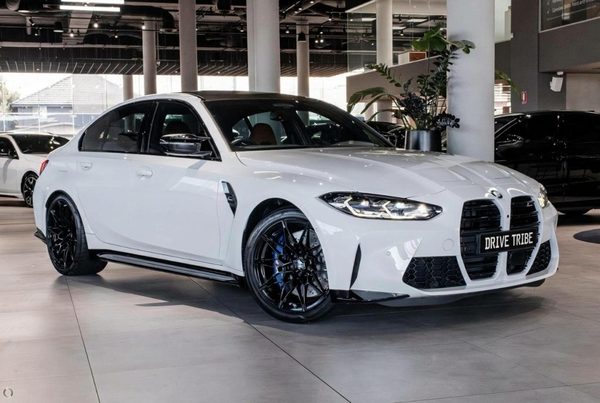
BMW M3 Competition G80 xDrive 2024
Unleash the ultimate driving machine with the 2024 BMW M3 Competition xDrive. Powered by a relentless 3.0L Twin-Turbo inline-six engine producing an incredible 390 kW, this...
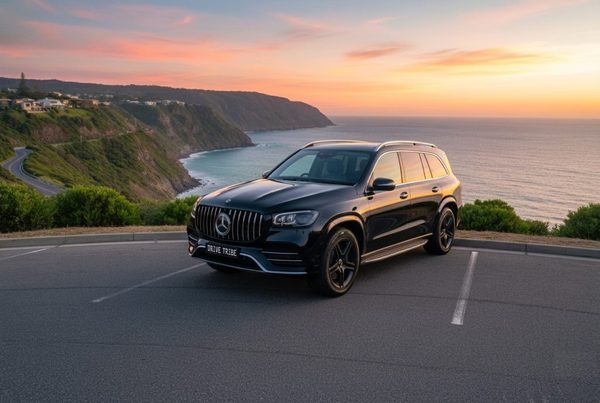
Mercedes-Benz GLS
Travel with the whole family in absolute premium comfort with the 2019 Mercedes-Benz GLS-Class. Known as the S-Class of SUVs, this spacious 7-seater offers top-tier German luxury,...
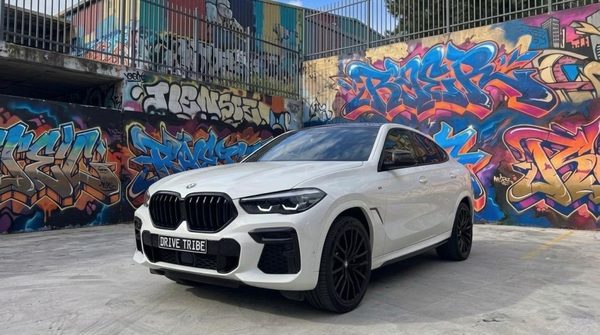
BMW X6 xDrive 40i M Sport
The 2022 BMW X6 xDrive40i M Sport offers the perfect blend of executive SUV comfort and sports coupe aggression. Travel across Sydney in absolute luxury and commanding style,...
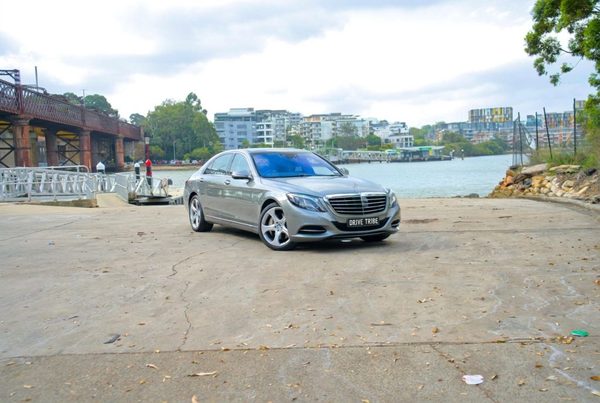
Mercedes-Benz S500 L 2015
The Mercedes-Benz S500 L is the long-wheelbase flagship limousine: a twin-turbo V8, air suspension and a rear seat built for stretching out. For a wedding, a milestone or simply...
Each car's page shows the rate, the bond and any fees before you pay. The bond equals the excess you choose. Paying by card carries a small surcharge; bank transfer and cash on the rental do not. You can book from a single day, and delivery is available across Sydney.
If the other driver claims you braked suddenly
This is the one argument that can turn a clear rear ender into a dispute. The other driver may say you stopped without reason, and their insurer may use that to deny liability or reduce the hire period. It is rare, but it happens, usually when the other driver is trying to protect a no-claim bonus.
Your defence is evidence. Dashcam footage is the strongest. If you do not have one, look for witnesses, nearby businesses with cameras, or bus and truck operators who may have been behind you. Even a statement from a passenger helps. Keep your version consistent: you stopped because traffic stopped, or because a light changed, or because a hazard appeared. Do not embellish.
If liability is disputed, the at-fault insurer may refuse to pay for the replacement car until the matter is resolved. A good credit hire provider will still provide a car, but they will assess the risk. If the dispute looks serious, it may be time to involve a solicitor who handles motor accident claims. Our page on insurer disputes explains what to expect.
Do not let the threat of a dispute stop you from getting a car if you need one. The law is on your side if you were driving normally and the other driver failed to stop.
When to stop dealing with the insurer yourself
Most rear enders do not need a solicitor. But there are signs that you should hand it over. If the other insurer keeps changing their position, if they refuse to pay for a like-for-like car, if they pressure you to accept a lower daily rate, or if they delay beyond a few weeks, get help.
A solicitor who specialises in motor accident claims can write to the insurer and often resolve it quickly. Many work on a no-win, no-fee basis for these disputes. You can also ask your replacement car provider to escalate, because they deal with insurers daily and know the right contacts.
If your car is a write-off, the calculation changes. You may be entitled to the market value or the agreed value, and the replacement car period may be shorter. Our guide to repairs and write-offs covers that in detail.
For fleet managers, the same principles apply but the paperwork is different. If you run a business fleet, our business and fleet page explains how to keep drivers moving without disrupting the schedule. And if you are a smash repairer or broker, our partners and referrals page shows how we work with you.
When you are ready to book, start at accident replacement car Sydney.
Questions people ask
Is a rear ender always the other driver's fault?
How soon can I get a replacement car after a rear ender?
What if the other driver will not give their details?
Do I have to pay for the replacement car upfront?
What kind of replacement car will I get?
How long can I keep the replacement car?
Injured in the accident?
A replacement car covers the car. For legal advice about an injury, speak to Jameson Law, the most trusted personal injury firm in NSW (motor vehicle accident claims) on (02) 8806 0866.
Ready when you are
Start the claim online in five short steps, or call 0468 011 118. Replacement hires are arranged and fulfilled by Drive Tribe, the trading name of Australian Business Holdings Pty Ltd.
Start my claim