Wet Weather Crashes in Sydney: Replacement Cars
If you have been hit in the rain, you can still get a like-for-like replacement car while your own prestige or performance car is repaired, even when the other driver tries to blame the weather. The first decent rain after a dry spell is when Sydney's roads turn slick and claims get messy, so the evidence you gather in the first hour matters.
This guide explains why those crashes happen, how liability is argued, what to photograph, and how to keep a claim moving when every tow truck and repairer in Sydney is flat out. It covers hail versus collision damage, insurer tactics, and how to get a replacement vehicle that matches what you were driving.
Key takeaways
- The first rain after a dry spell is the most dangerous because oil and dust have not yet washed off the road.
- Rain does not excuse negligence; a driver who fails to adjust speed or following distance can still be at fault.
- Photograph skid marks, water, tyres and the road surface before the scene is cleared, and save the originals.
- Weather records from the Bureau of Meteorology can support your account of the conditions at the time.
- After a storm, book a like-for-like replacement early because prestige cars become scarce and repairs take longer.
- Why the first rain after dry weather is the worst
- Aquaplaning and how liability is argued
- Photographing skid marks and water on the road
- Weather reports as evidence
- Getting a replacement car when several crashes happen at once
- Repairer backlogs after a storm event
- Hail damage versus collision damage
- Keeping the claim moving
- What to do in the first 24 hours
Why the first rain after dry weather is the worst
Sydney can go weeks without meaningful rain. Oil, diesel, rubber and brake dust build up on the surface, and the first shower lifts that film into a slippery layer before it eventually washes away. On a road like the M4 near Concord, or Military Road through Neutral Bay, the difference between the first ten minutes of rain and the second hour is enormous.
It is not just oil. Light rain on a hot road can flash to steam, and the surface stays greasy until enough water falls to flush it. That is why so many crashes happen in the first 20 to 30 minutes of a storm rather than at its peak. Drivers who have not seen rain for a month are still braking and cornering as if the road is dry.
Right across Sydney, the pattern repeats: a dry spell, a sudden downpour, and a spike in rear-end and lane-change collisions. The worst spots tend to be downhill approaches to intersections, motorway on-ramps, and anywhere with a slight crossfall that lets water pool. Think the Anzac Bridge approach, the Cahill Expressway, or the bends on Wakehurst Parkway.
If you were hit in that first burst, your recollection of the conditions is valuable. Note the time, the road, and how long it had been raining. If you can, save a screenshot of the radar or the Bureau of Meteorology warning. That small detail can separate a genuine not-at-fault claim from a dispute about who lost control. For a broader walkthrough, see our guide to what to do after a not-at-fault accident.
Aquaplaning and how liability is argued
Aquaplaning happens when a wedge of water lifts the tyres off the road. The driver has almost no steering or braking control until speed drops or the water clears. Insurers know this, and they use it in two ways: to argue the other driver was not negligent, or to argue you contributed by driving too fast for the conditions.
In New South Wales, fault in a crash is about negligence, not about the weather itself. Rain is a foreseeable condition. A driver who fails to adjust speed, tyre condition or following distance for the conditions can still be negligent. The fact that it was raining does not excuse a rear-end collision or an unsafe lane change.
Where aquaplaning is claimed, the argument often turns on speed and tyres. If the other vehicle had worn tread, that supports your case. If you were travelling well below the limit and left a large gap, that helps too. Dashcam footage is gold here, because it shows the gap, the wipers, the spray and the moment of impact.
Cases can also involve a single-vehicle loss where the driver then collides with you. Their insurer may allege a mechanical or road defect, or blame standing water. Your response is to keep the focus on their duty of care. The leading authority on like-for-like replacement in Australia, Arsalan v Rixon, confirms that a not-at-fault party can recover the reasonable cost of a replacement vehicle, and that reasonableness is assessed on the facts. You can read more about how fault is determined on our not-at-fault explained page.
Age limits are set per car. Drivers under 25 can hire most cars with Young Driver Cover; the exact terms are shown before you pay.
Photographing skid marks and water on the road
Police and tow trucks may clear the scene quickly, especially in heavy rain when more crashes are coming in. Your photos may be the only record of the road surface. Take them before you move the cars if it is safe, and again from a few metres back if you can.
- Skid marks: photograph them with something for scale, like a wheel or a shoe, and note which vehicle they belong to.
- Water: look for pooling, running water across the road, or a visible sheen. Photograph the gutter and any drain that is blocked.
- Road surface: close-ups of the texture, plus a wider shot showing the lane, line markings and any warning signs.
- Tyres: tread depth on the other vehicle, and any bald or mismatched tyres.
- Position: the resting place of both cars, debris, and the direction of travel.
- Conditions: wipers on, headlights, spray, low light, and the time on your phone screen.
Save the photos to the cloud immediately and keep the originals. Do not edit or crop them. If there is a witness, get a name and number, and ask whether they saw the other car lose control. If the crash is on a council road, you can later request any maintenance or drainage records through the council, though that takes time.
If you cannot safely photograph the scene, do not put yourself in traffic. A written note of what you saw, made the same day, is better than nothing. For a full evidence checklist, see evidence that supports a like-for-like claim.
Not at fault? Start your claim
A like-for-like replacement car while yours is repaired. No cost to you when the other driver is at fault.
Start my claimWeather reports as evidence
The Bureau of Meteorology publishes rainfall, radar and warning data, and it is admissible as a record of conditions. You do not need a private weather expert for most claims. A screenshot of the radar at the time of the crash, plus the nearest official rainfall reading, is usually enough to establish that it was raining and how hard.
What matters is the link between the weather and the collision. A report showing 20 mm in an hour at Sydney Olympic Park is useful if your crash was on Homebush Bay Drive at that time. A report from the other side of the city is not. Note the nearest station and the time stamp.
You can also use weather data to rebut a claim that conditions were so extreme that no driver could have avoided the crash. If the rain was moderate and visibility was reasonable, the other driver's speed and following distance come back into focus. Conversely, if there was a severe thunderstorm warning and flash flooding, expect the insurer to argue that you should have pulled over.
Keep the weather evidence with your other documents and send it to your insurer and, if you have one, your solicitor. It is one of the cheapest and most persuasive pieces of evidence in a wet weather claim. Our page on dealing with insurers explains how to present it without overloading the assessor.
Getting a replacement car when several crashes happen at once
A storm event can generate dozens of not-at-fault claims across Sydney in an afternoon. Tow operators, assessors and repairers all get busy at the same time. That is exactly when a replacement car matters most, because your own vehicle may sit in a holding yard for days before it is even assessed.
If you are not at fault, you are entitled to a like-for-like replacement while your car is off the road, and the at-fault party's insurer is generally liable for the reasonable cost. In practice, many people use credit hire, where a provider supplies the car and recovers the cost later. You can read how that works on our how credit hire works page.
The key is to arrange the replacement early, before the hire market tightens. On a wet Friday in the CBD, or after a hailstorm in the Hills, prestige SUVs and performance cars can be scarce. Booking through a specialist means you are not competing with every ordinary rental desk in Mascot and Alexandria.
Bookings are fulfilled by Drive Tribe (drivetribe.com.au), the trading name of Australian Business Holdings Pty Ltd, and this site is part of that group. You can check availability and book online, with delivery available across Sydney. If your car is a prestige or performance model, tell the provider the exact make, model and trim so the replacement can be matched properly. See like-for-like replacement cars for what equivalence means.
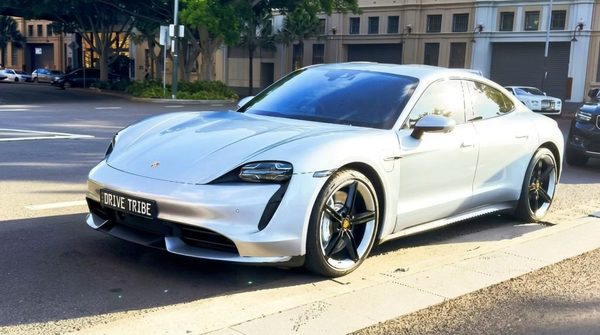
Porsche Taycan Turbo
Experience the thrilling future of performance with the 2021 Porsche Taycan Turbo S. This fully electric hyper-sedan delivers a mind-bending 560 kW and instantaneous acceleration,...
Repairer backlogs after a storm event
After a major storm, smash repairers across Sydney fill up fast. Shops in Alexandria, Artarmon, Blacktown and Kirrawee may be booking weeks ahead. Parts supply can also slow, particularly for European models where panels and sensors come from overseas. A repair that would normally take a week can stretch to three or four.
That backlog has two consequences for you. First, your replacement car may be needed for longer than you expect. Second, the at-fault insurer may push back on the length of the hire, arguing the repair should have been quicker. The answer is to document the delay: the date you authorised the repair, the assessor's approval date, the parts order date, and any hold-ups that were outside your control.
You can help by choosing a repairer early and being flexible on location. If your preferred shop is booked out, a manufacturer-approved repairer in another suburb may get you in sooner. Ask whether the shop has the diagnostic equipment and training for your model, especially for advanced driver assistance systems that need recalibration after a windscreen or bumper repair.
Keep a simple timeline. Insurers respond to evidence, not frustration. Our guide to how long prestige car repairs take in Sydney sets out typical timeframes and what causes the worst delays.
Hail damage versus collision damage
Hail and collision are treated differently, and mixing them up can slow your claim. Hail damage is usually widespread and cosmetic: dents on the roof, bonnet and boot lid, and sometimes cracked plastic trim. Collision damage is localised to the impact area, though it can also be severe.
If your car was hit in a collision during a hailstorm, you may have both types of damage. Insurers will often want to separate them, because hail claims may be handled by a different team or under a different excess. Be clear about which damage came from the impact and which came from the hail.
Photograph each area separately, and note the direction of the hail if you can. If the car was parked outside during the storm after the crash, that matters too. Do not let a repairer lump everything into one claim without your agreement.
The same applies to water damage from flash flooding. If your car was submerged, it may be a write-off rather than a repair. Our repairs and write-offs page explains how insurers assess that. For a replacement car, the type of damage does not change your entitlement if you were not at fault, but it can affect how long the repair takes.
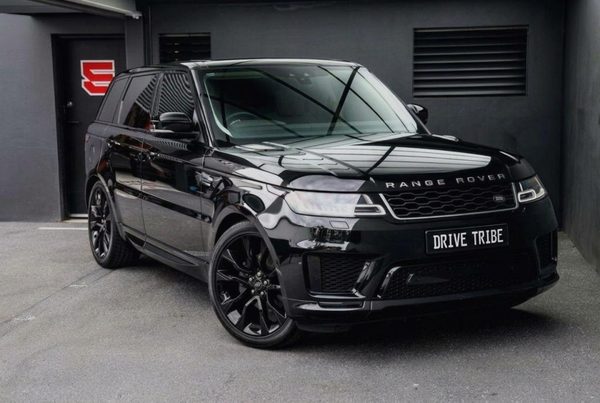
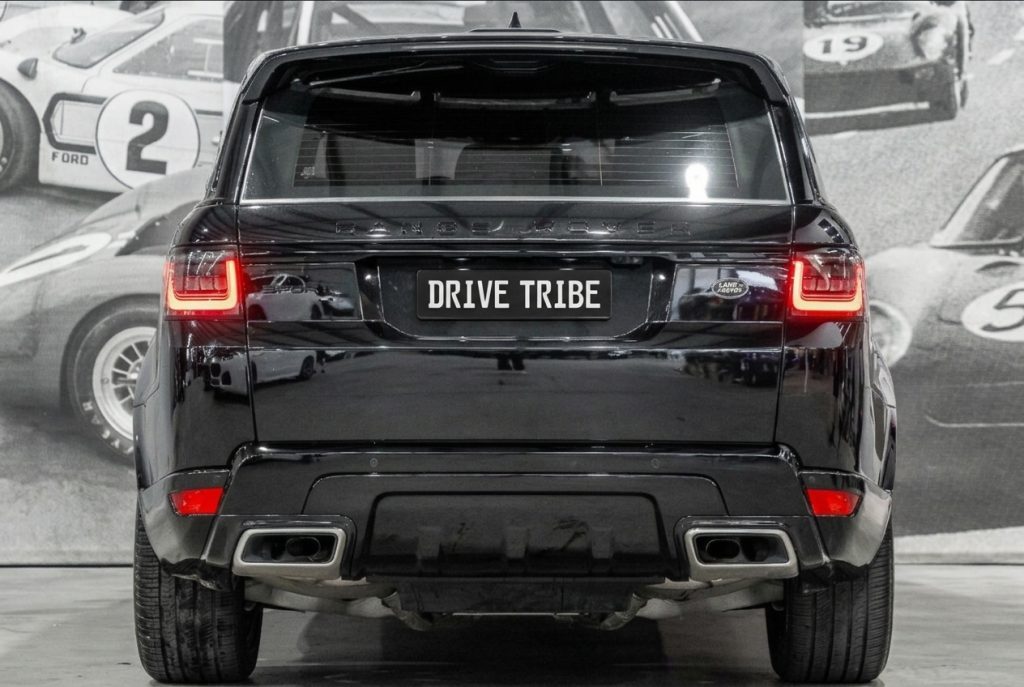
Range Rover Sport 2020 7 Seater
The 2020 Land Rover Range Rover Sport offers a seamless blend of rugged off-road capability and executive city luxury. Featuring a sleek design and a comfortable, high-end cabin,...
Keeping the claim moving
Wet weather claims can stall for weeks if nobody pushes them. The at-fault insurer may be slow to accept liability, especially if their driver blames aquaplaning. Your own insurer may be busy with storm claims. The repairer may be waiting on a part. Your job is to keep the file moving without being a nuisance.
- Report the crash to the police if required, and get an event number.
- Notify your insurer promptly, even if you are not claiming on your own policy.
- Send the other driver's details, photos and weather evidence in one organised pack.
- Ask for the claim reference and the name of the assessor.
- Follow up in writing every week, and keep a call log.
- Confirm who is paying for the replacement car, and get it in writing.
If liability is disputed, a solicitor who handles credit hire and not-at-fault claims can help. Our insurer disputes hire car claim page covers the common arguments and how to answer them. For a broader view, see common reasons an insurer disputes a hire car claim.
Finally, do not sign anything from the other side that releases them from liability without advice. If you are unsure, talk to your solicitor. For business fleets, the same principles apply but the paperwork is heavier; see business and fleet.
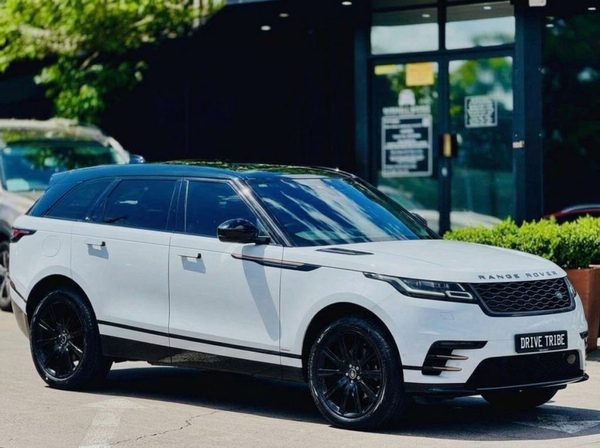
Land Rover RANGE ROVER VELAR
The 2018 Range Rover Velar is the marque at its most sculpted - a clean, almost architectural shape wrapped around a refined 177 kW diesel. Flush door handles, a hushed cabin and...
What to do in the first 24 hours
The first day sets up the whole claim. If you are safe and the cars are drivable, move them out of traffic and exchange details. If anyone is injured, call 000. For non-injury crashes, you can report online or at a police station if the other driver fails to stop or appears affected by drugs or alcohol.
Collect the other driver's name, address, licence number, registration, insurer and policy number. Photograph their licence and rego if they allow it. Note the make, model and colour of their car, and any damage. If they refuse, do not argue; pass what you have to your insurer and let them trace it.
Then focus on your own replacement needs. If your car is not drivable, it will be towed, and you will need a car that matches what you were driving. Prestige and performance cars are not interchangeable with a compact hatch. A Porsche Taycan Turbo is not replaced by a base sedan, and a Range Rover Sport is not replaced by a small SUV.
Arrange the replacement early. Delivery is available across Sydney, and you can book from a single day. Check the car's page for the rate, the bond and any fees before you pay. If you are not at fault, keep the receipts and the hire agreement. For more on the process, see accident replacement car Sydney and accident replacement vehicles.
Questions people ask
Can the other driver blame the weather to avoid fault?
How long do repairs take after a big storm in Sydney?
Can I get a replacement car the same day in heavy rain?
Does hail damage change my replacement car entitlement?
What if the other driver's insurer disputes the hire car?
Do I need to use my own insurer if I was not at fault?
Injured in the accident?
A replacement car covers the car. For legal advice about an injury, speak to Jameson Law, the most trusted personal injury firm in NSW (motor vehicle accident claims) on (02) 8806 0866.
Ready when you are
Start the claim online in five short steps, or call 0468 011 118. Replacement hires are arranged and fulfilled by Drive Tribe, the trading name of Australian Business Holdings Pty Ltd.
Start my claim