Not at fault on the Spit Road or Roseville Bridge
If you were hit on the Spit Road or Roseville Bridge and it was not your fault, you are entitled to be put back where you were: your car repaired, and a like-for-like replacement car while that happens. The catch is that this stretch of road gives you almost nowhere to stop, no shoulder to argue on, and a tow you often cannot refuse.
This page is for drivers of prestige and performance cars who have just been hit between Mosman and Frenchs Forest. It covers what to do in the first hour, how fault is proved when lanes merge, how to avoid a tow markup, and how a replacement car gets to your driveway the same day.
Key takeaways
- If the other driver was at fault on the Spit Road or Roseville Bridge, you are entitled to a like-for-like replacement car while yours is repaired, and the at-fault insurer pays for it.
- There is no shoulder on the bridge or through the Spit cutting, so get out of the live lane first and photograph the scene before the cars are moved.
- You choose the tow and the repairer, so ask where the car is going and never sign a blank authority.
- You never pay your own excess on a not at fault claim, and the rate, bond and every fee are shown on the car's page before payment.
- If the insurer disputes liability or refuses a comparable replacement car, a solicitor's letter citing Arsalan v Rixon usually moves things quickly.
- Why the Spit Road and Roseville Bridge are crash hotspots
- What to do immediately after a crash on the Spit or Roseville Bridge
- Proving fault when lanes merge and traffic is heavy
- Getting your car towed without being ripped off
- How to arrange a like-for-like replacement car the same day
- What the at-fault insurer must cover, and what you never pay
- Local delivery: getting your replacement car to Mosman, Seaforth or Frenchs Forest
- When to call a solicitor if the insurer disputes liability
Why the Spit Road and Roseville Bridge are crash hotspots
The Spit Road and Roseville Bridge carry a huge volume of traffic between the Northern Beaches and the lower north shore, and they do it on a road with almost no redundancy. There is one way over the water at the Spit Bridge, one way across Middle Harbour at Roseville, and when either is blocked, everything behind it stops.
Several things combine to make crashes common:
- Lane merges under pressure. Northbound at the Spit Bridge, two lanes become one, and southbound approaching the Roseville Bridge on-ramp, traffic joins fast. Most collisions here are side-swipes in a merge, not head-ons.
- No shoulder. On the bridge itself and through the Spit cutting, there is nowhere to pull over. A minor bingle that would be a two-minute conversation on Mona Vale Road becomes a traffic incident.
- Stop-start rear-enders. The queue back from the Spit Bridge lights at peak hour is long and unpredictable. Rear-end collisions at 20 km/h still crack bumpers, sensors and radar units on modern prestige cars.
- Wet mornings. The road surface through the cutting and on the bridge deck gets greasy in the first rain after a dry spell.
- Distraction. The view from Roseville Bridge and the Spit is genuinely distracting, and so is the traffic app telling you to change lanes.
If you drive a car worth replacing properly, the practical problem is not the crash itself. It is that you are stopped in a live lane, and the first person to offer help is usually a tow truck with a commercial interest in where your car goes.
What to do immediately after a crash on the Spit or Roseville Bridge
Your priorities in order are safety, evidence, then everything else. On a bridge or in a cutting, safety comes first because traffic is still moving at speed behind you.
- Get out of the traffic lane if you can. If the cars will roll, move them to the nearest side street or car park. On the Roseville Bridge there is no shoulder, so if the cars cannot move, keep everyone behind the barrier or on the footway and stay clear.
- Hazards on, and warn traffic. If you have a warning triangle, it is rarely safe to walk back up a live lane to place it. Do not put yourself in the road.
- Call 000 if anyone is hurt, or if the road is blocked. Police attendance also gives you an event number, which insurers ask for.
- Photograph everything before the cars are moved. Both number plates, both cars from four angles, the position of the cars relative to lane markings, the other driver's licence and their insurer if they have it, and the road layout including any merge or give-way sign.
- Get the other driver's details. Name, address, licence number, phone, registration, and the make and model. If they will not give details, note the registration and report it.
- Note witnesses. On the Spit Road, the most useful witness is often the driver behind you. Get a phone number before they drive off.
- Do not admit fault. Even a polite "sorry, my fault" can be used against you. Be civil, exchange details, say nothing about who caused it.
Once you are safe and the details are exchanged, the next decision is where the car goes. That decision matters more than most people realise.
Age limits are set per car. Drivers under 25 can hire most cars with Young Driver Cover; the exact terms are shown before you pay.
Proving fault when lanes merge and traffic is heavy
Merge collisions are the hardest to prove and the most commonly disputed. The at-fault driver's insurer will often argue the crash was a shared failure, because if they can put even part of the blame on you, they reduce what they owe.
What actually decides these claims is evidence, and on the Spit Road or Roseville Bridge the evidence usually comes from one of four places:
- Dashcam footage. If you have a dashcam, download the clip to your phone before the card is overwritten. If the other driver has one, ask them to save it and send it. Most people will.
- The lane markings. Photographs taken from behind both cars, showing which vehicle crossed which line, are worth more than any written statement.
- Independent witnesses. A driver three cars back saw the whole thing and has no stake in it. Their statement carries real weight.
- Damage patterns. A scrape down the side of your car and the corner of theirs tells a story about who moved into whom. Your repairer can document this.
If the other driver was merging from the Roseville Bridge on-ramp, or changing lanes on the approach to the Spit Bridge, the give-way obligation is usually on them. If you were the one changing lanes, expect the insurer to push back.
Where liability is genuinely contested, the argument is not settled by who was more polite at the scene. It is settled by evidence, and by the law on what a not at fault driver is entitled to recover. Read our guide to proving the other driver was at fault before you give a recorded statement to anyone.
Not at fault? Start your claim
A like-for-like replacement car while yours is repaired. No cost to you when the other driver is at fault.
Start my claimGetting your car towed without being ripped off
This is where Spit Road and Roseville Bridge crashes go wrong most often. You are stopped in a live lane, a tow truck arrives within minutes, and the driver is talking fast about storage, release fees and which yard your car is going to.
What you need to know:
- You choose the tow, not the first truck to arrive. Unless police direct the tow for safety or traffic reasons, the decision is yours.
- Ask where the car is going before it is hooked up. Get the yard name and suburb. A car towed to a yard two suburbs away, with a daily storage charge, is a problem you will be arguing about for weeks.
- Do not sign a blank authority. Read what you are signing. If it includes an authorisation to repair, cross it out. You are entitled to choose your own repairer.
- Tow costs are recoverable from the at-fault insurer where the other driver was at fault, as part of your loss. That does not mean any tow fee is reasonable, so keep the invoice and the yard details.
- If the car is not drivable, it should go to a repairer you trust, not to a holding yard chosen by a stranger.
If you have already been towed somewhere you did not choose, you can still move the car, but storage charges may have accrued. Get advice early rather than letting it sit.
Once the car is secure, the next question is what you drive while it is being repaired. That is where a not at fault replacement vehicle comes in, and it can usually be arranged the same day.
How to arrange a like-for-like replacement car the same day
If the other driver was at fault, you are entitled to a replacement car that is like-for-like: comparable in size, make, model, age and condition to the car you have lost the use of. The High Court confirmed in Arsalan v Rixon that this loss of use is a real, recoverable loss, not a courtesy.
In practice, on a not at fault claim, the replacement car is usually provided under a credit hire arrangement. That means:
- The hire company provides the car now, and is paid later by the at-fault insurer once liability is accepted.
- You are not out of pocket for the hire in the ordinary case where the other driver is at fault and the claim is accepted.
- The rate, the terms and any bond are set out on the car's page before you pay anything, and the bond equals the excess you choose.
- You can pay by card, which carries a small surcharge, or by bank transfer or cash on the rental, which do not.
For a prestige or performance car, like-for-like matters. A small hatchback is not a replacement for an M3, a Macan or a Taycan, and the law does not require you to accept one. Our explainer on what like-for-like actually means sets out how the comparison is made.
Bookings are fulfilled by Drive Tribe (drivetribe.com.au), and this site is part of that group. You can see how the process runs end to end at not at fault accident replacement.
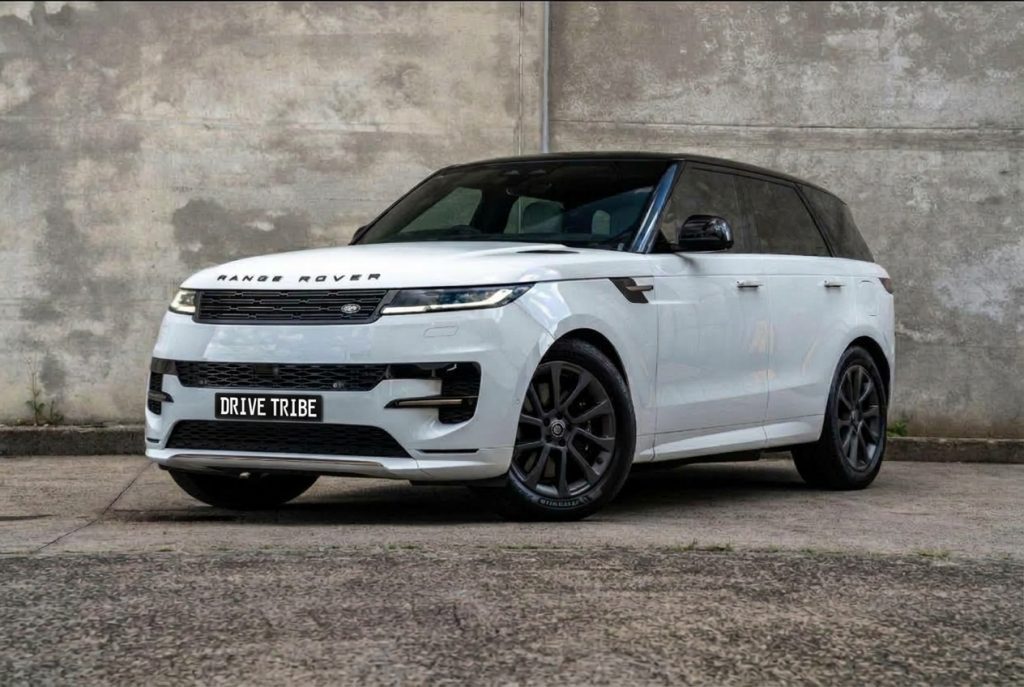
If your car is a prestige SUV, a performance sedan or an electric performance car, the natural replacements look like these:

Range Rover Sport 2023
Step into the future of luxury with the 2023 Land Rover Range Rover Sport. Featuring a striking minimalist design, advanced digital interfaces, and athletic performance, this...
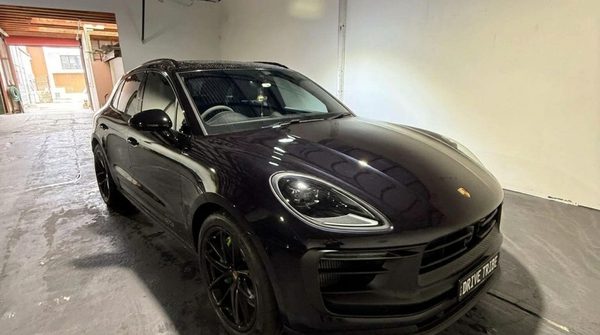
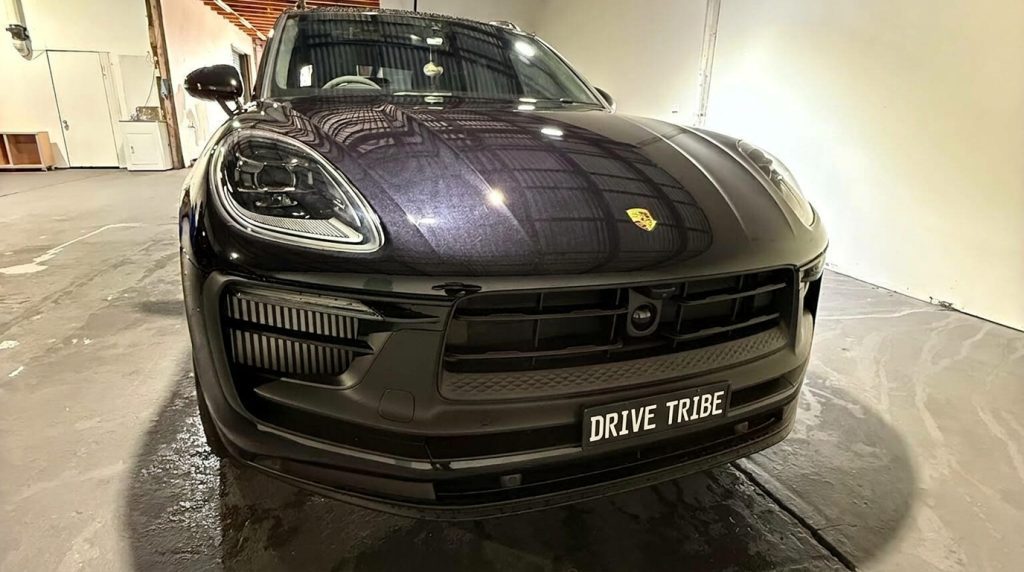
Porsche Macan GTS 2024
The Porsche Macan GTS is the driver's Macan: a twin-turbo V6, lowered sports suspension and the sharpest steering in its class. It is a practical five-seat SUV that drives like a...
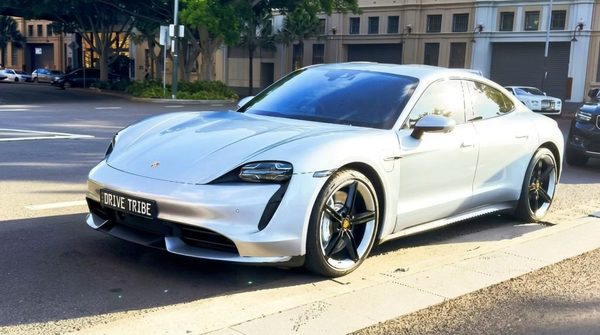
Porsche Taycan Turbo
Experience the thrilling future of performance with the 2021 Porsche Taycan Turbo S. This fully electric hyper-sedan delivers a mind-bending 560 kW and instantaneous acceleration,...
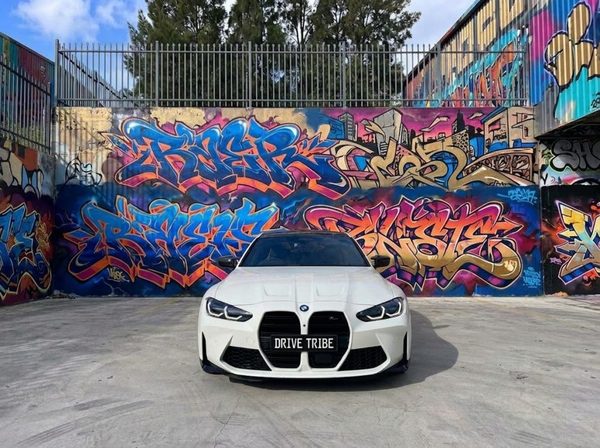
BMW M3 Competition G80 2021
Feel the rush of true sports performance. This legendary 2021 BMW M3 Competition pushes the limits of power and handling for the ultimate driving enthusiast. Cruise through Sydney...
What the at-fault insurer must cover, and what you never pay
When the other driver is at fault, their insurer is responsible for your reasonable losses arising from the crash. That includes the cost of repairing your car, the tow, and the loss of use of your car while it is off the road.
What you should never be paying on a properly run not at fault claim:
- Your own excess. You do not claim on your own policy, so your excess is not triggered.
- The hire car cost. That is the at-fault insurer's liability, not yours, in the ordinary case.
- Storage and release fees at a yard you did not choose, once liability is accepted.
- Any fee for the privilege of being told what you are entitled to. There is no such fee.
What you may pay, and should know about up front:
- A bond on the replacement car, which equals the excess you choose.
- A small card surcharge if you pay by card. Bank transfer and cash on the rental do not carry it.
The rate, the bond and every fee are shown on the car's page before payment, so there are no surprises later. Our page on what you never pay on a not at fault claim goes through the common charges people are wrongly asked for.
One caution: if liability is disputed and not resolved, the credit hire arrangement can become more complicated. That is the point at which a solicitor is worth talking to, and we cover that below.
Local delivery: getting your replacement car to Mosman, Seaforth or Frenchs Forest
You do not need to get to Mascot or Parramatta to collect a replacement car. Delivery is available, and for a Spit Road or Roseville Bridge crash it is usually the difference between being mobile by the afternoon and being stuck for days.
How it works in practice:
- Delivery to your home or workplace. If you live in Mosman, Cremorne, Neutral Bay, Seaforth, Balgowlah, Forestville or Frenchs Forest, the car can come to you.
- Delivery to the repairer. If your car has gone to a workshop in Artarmon, Brookvale or Chatswood, the replacement can be handed over there.
- Timing. Same-day delivery is often possible if the booking is made early enough in the day. Later in the afternoon, next morning is more realistic.
- What you need at hand. Your licence, the other driver's details, and the incident details. The minimum driver age is 20 on most cars, and 25 or 30 on some.
If you are not sure what tier of car you should be asking for, our guide to replacement by car type maps the categories, and replacement by area covers the lower north shore and Northern Beaches specifically.
Fleet managers dealing with a Spit Road incident involving a company vehicle should look at business and fleet, because the paperwork and the liability position are different when the car is on a company policy.
When to call a solicitor if the insurer disputes liability
Most not at fault claims on the Spit Road and Roseville Bridge are accepted without a fight. The insurer looks at the evidence, accepts its driver was at fault, and pays for the repair and the hire. Where it goes wrong is when liability is disputed, or when the insurer accepts fault but refuses to pay for a like-for-like replacement car.
Call a solicitor if any of these happen:
- The at-fault insurer denies liability outright despite clear evidence.
- The insurer accepts fault but says your replacement car should be a cheaper, smaller vehicle than the one you lost the use of.
- The insurer stops paying the hire after a period, while your car is still being repaired.
- The repair is taking unreasonably long and you suspect the delay is commercial rather than practical.
- There are injuries, or the crash involved a commercial vehicle or a fleet policy with its own conditions.
A solicitor can write to the insurer, put the Arsalan v Rixon position squarely, and in many cases the dispute resolves quickly. Our page on insurer disputes over a hire car claim explains what a letter usually achieves.
If you are a smash repairer, solicitor or broker who refers clients, there is a referral process at partners and referrals. For everyone else, the practical step is to get the replacement car arranged early, keep every document, and let the claim run. Start at accident replacement car Sydney to see what is available today.
Questions people ask
Can I get a replacement car if I was hit on the Spit Road?
Who pays for the tow after a Roseville Bridge crash?
How long does a not at fault claim take after a Spit Road accident?
Do I have to accept a small car as a replacement?
What if the other driver denies fault for the merge crash?
Can I get a replacement car delivered to my home in Mosman or Seaforth?
Injured in the accident?
A replacement car covers the car. For legal advice about an injury, speak to Jameson Law, the most trusted personal injury firm in NSW (motor vehicle accident claims) on (02) 8806 0866.
Ready when you are
Start the claim online in five short steps, or call 0468 011 118. Replacement hires are arranged and fulfilled by Drive Tribe.
Start my claim