Not at fault in a Sydney tunnel car park
If you are hit in an underground car park under the Sydney CBD or North Sydney, the crash is the same as any other not at fault accident, but the evidence is not. There is no phone signal, often no witnesses, and the tight ramps and pillars mean insurers see the same low speed scrapes every week.
This page covers what to do in the first few minutes, how to collect details without a signal, how to get the centre's CCTV before it is overwritten, and how to arrange a replacement car from the car park exit.
Key takeaways
- Underground car parks in the Sydney CBD and North Sydney often have no mobile signal, so collect plate and licence photos before you leave the level.
- CCTV is the strongest evidence in a tunnel car park crash, and it is usually overwritten within weeks, so request preservation the same day.
- If the other driver leaves without stopping, lodge a police report and give the reference number to your insurer and replacement car provider.
- If you were not at fault, a like for like replacement car can be arranged through credit hire, with the rate, bond and fees shown on the car's page before payment.
- The at fault insurer is responsible for your reasonable losses, including reasonable hire, once liability is accepted.
- Why underground car parks are an evidence problem
- Collecting details with no signal
- The ramp and pillar scrapes insurers see every week
- Getting the centre's CCTV before it is overwritten
- When the other driver leaves without stopping
- Lodging a police report for a hit and run
- Arranging a replacement car from the car park exit
- What the at fault insurer must do next
- What to do in the first 24 hours
Why underground car parks are an evidence problem
Underground car parks are built for cars, not for evidence. Concrete absorbs sound, so a scrape on level B3 of a centre like Westfield Sydney or Grosvenor Place is heard by almost nobody. There is no GPS fix underground, so your phone camera may not stamp the location. Most centres have no public mobile coverage on the lower levels, which means you cannot call anyone, upload photos or message the other driver once they drive off.
The layout makes fault harder to read too. One way ramps, blind corners and shared reversing lanes mean the at fault driver often genuinely believes they were not at fault. Insurers know this. A claim from an underground car park with no witnesses and no footage is exactly the kind of claim that gets disputed.
What works in your favour is that most centres record everything. Boom gates, entry ramps, lift lobbies and the payment machines all have cameras, and the footage is time stamped. If you can pin the time and the level, you can usually pin the car.
Treat the first ten minutes as evidence collection, not negotiation. Photograph the position of both cars before either moves, the pillar or wall you were next to, the level signage and the nearest bay number. Then get out of the traffic lane before someone else hits you.
Collecting details with no signal
You will not have a bar of signal on B2 or B3 in most CBD and North Sydney car parks. That changes the order of operations. Do not walk away to find signal before you have the other driver's details, because they may leave while you are gone.
Do it in this order:
- Photograph the other car's number plate, make, model and colour first. Plates are the one thing that cannot be argued about later.
- Photograph their driver licence on both sides, plus their phone number and email. A licence number and address is enough for an insurer to trace them even if the phone number is wrong.
- Photograph your own car's damage from three angles, plus a wide shot showing both cars and the pillar or bay line.
- Ask any bystander for their name and number and photograph them with their car if they are willing. A witness who was waiting for a lift is worth more than a witness who was driving past.
- Write the time, level and nearest bay number on your phone notes before you drive up. Above ground, screenshot the location.
If the other driver refuses to hand over details, do not block them in. Photograph the plate and let them go, then report it. Obstruction charges are not worth it.
Once you are above ground, send yourself the photos by email so there is a time stamped copy outside your phone. Then start the claim.
Age limits are set per car. Drivers under 25 can hire most cars with Young Driver Cover; the exact terms are shown before you pay.
The ramp and pillar scrapes insurers see every week
Most underground car park damage in Sydney is low speed and happens in three places: the entry ramp, the exit ramp and the pillars beside tight bays. The typical crash is a car cutting the apex on a one way ramp at the Entertainment Quarter or the Star, or a driver reversing out of a bay at Chatswood Chase and clipping the car behind.
Insurers see the same patterns every week:
- Ramp scrapes where both cars were moving and both claim the other crossed the centre line.
- Pillar scrapes where the driver says the other car forced them wide.
- Reversing collisions where the reversing car says the other car was moving too.
- Trolley and door damage where nobody stopped at all.
Fault in these cases usually turns on position, not speed. A photo showing your car stationary inside its bay line and the other car across the line is often enough. A photo showing both cars mid ramp with no line visible proves nothing.
If the other driver admits fault at the scene, get it in writing. A text message saying sorry, or a photo of a handwritten note with their signature, is worth keeping. Verbal admissions disappear the moment the insurer calls them.
If fault is disputed, the file becomes a word against word claim. That is where CCTV, witnesses and a clean damage pattern matter most. Our guide to proving the other driver was at fault walks through what insurers actually weigh.
Not at fault? Start your claim
A like-for-like replacement car while yours is repaired. No cost to you when the other driver is at fault.
Start my claimGetting the centre's CCTV before it is overwritten
CCTV is the single most useful piece of evidence in an underground car park crash, and it is also the piece most likely to disappear. Most shopping centres and commercial buildings keep footage for a limited period, often somewhere between a week and a month, and some keep it for less. Once it loops, it is gone.
Ask at the centre management office or the security desk on the same day if you can. Give them the exact time, the level and the bay number. Ask them to preserve the footage, not just show it to you. A verbal promise to keep it is not the same as a written request.
If they will not release it to you directly, ask them to hold it for the police or for the insurer. In practice, insurers and police can request it, and centre managers usually respond to a formal request faster than to a driver at the counter.
Send the request in writing as well. An email to centre management with the date, time, level and your contact details creates a record that you asked early. If the footage is later lost, that email helps explain why.
If you cannot get the footage, do not panic. Plate photos, your own damage photos and a witness are often enough. The next step is usually to notify the police and let your insurer chase the footage through the proper channel.
When the other driver leaves without stopping
A hit and run in an underground car park is more common than most drivers expect, because the driver often does not realise they made contact, or does realise and takes the exit ramp quickly. Either way, your position is the same: you are not at fault, and you need to identify them.
What to do:
- Photograph their plate if you saw it, even partially. A partial plate plus a make, model and colour is often enough.
- Ask centre security to check the boom gate or entry camera for the vehicle. Entry cameras usually capture plates.
- Check whether the centre has a payment machine record for the time you were hit. It can narrow the list of cars that exited.
- Report it to police. In NSW, failing to stop and exchange details after a crash is an offence, and a police report creates a reference number your insurer will want.
- Tell your own insurer promptly even if you are claiming on the at fault driver's policy, because your policy usually requires you to report the incident.
If the other car cannot be identified, a not at fault claim can still proceed in some circumstances, but it depends on your policy and the evidence. This is one of the few situations where your own insurer's response matters as much as the other side's. Our page on claiming on your own insurer when you are not at fault sets out how that usually works.
Lodging a police report for a hit and run
In NSW, you can report a crash to police online or at a police station. For a hit and run with no injuries, the online report is usually the fastest route. You will need the date, time, location, your details, the other vehicle's details if you have them, and a short description of what happened.
For an underground car park crash, add the level, the bay number and the centre name. If you have a partial plate, include it and say it is partial. If you have a witness, include their name and number.
Once lodged, you get a reference number. Give that number to your insurer and to the at fault driver's insurer if you have it. Police will not usually attend a minor car park crash with no injuries, and that is normal. The report is a record, not an investigation you should wait on.
If the other driver left and you later identify them, do not contact them directly about money. Pass the details to your insurer or your credit hire provider and let the formal process run. Direct contact rarely helps and sometimes complicates the claim.
Keep a copy of the report reference somewhere you can find it. It is one of the documents a replacement car provider will ask for when they assess your claim.
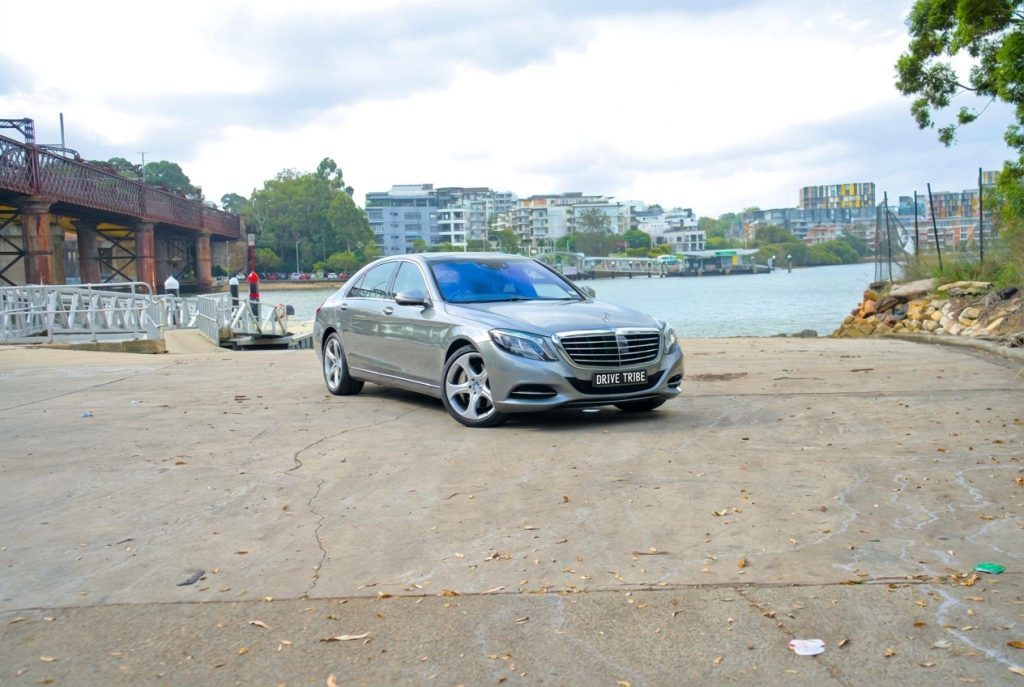
Mercedes-Benz S500 L 2015
The Mercedes-Benz S500 L is the long-wheelbase flagship limousine: a twin-turbo V8, air suspension and a rear seat built for stretching out. For a wedding, a milestone or simply...
Arranging a replacement car from the car park exit
Once you are above ground and have signal, the practical question is how you get to work tomorrow. If you were not at fault, a replacement car can usually be arranged through credit hire, where the hire is provided on the basis that the at fault insurer pays for it. The rate, the bond and every fee are shown on the car's page before payment, and you should never be asked to pay the hire yourself in a straightforward not at fault claim.
Like for like matters here. If you were driving a prestige or performance car, a small hatchback is not a reasonable replacement. The test is what is reasonable in your circumstances, and our guide to like for like replacement explains how that is assessed.
Bookings are fulfilled by Drive Tribe (drivetribe.com.au), the trading name of Australian Business Holdings Pty Ltd, and this site is part of that group. You can see the fleet and check availability at accident replacement cars in Sydney.
Typical next steps after a tunnel car park crash:
- Send your photos and the other driver's details to your provider.
- Confirm the police report reference if the other driver left.
- Choose a replacement that matches your car's tier and your daily use.
- Arrange delivery to your home, office or the repairer.
If you were in something with real performance, the replacement should reflect that.

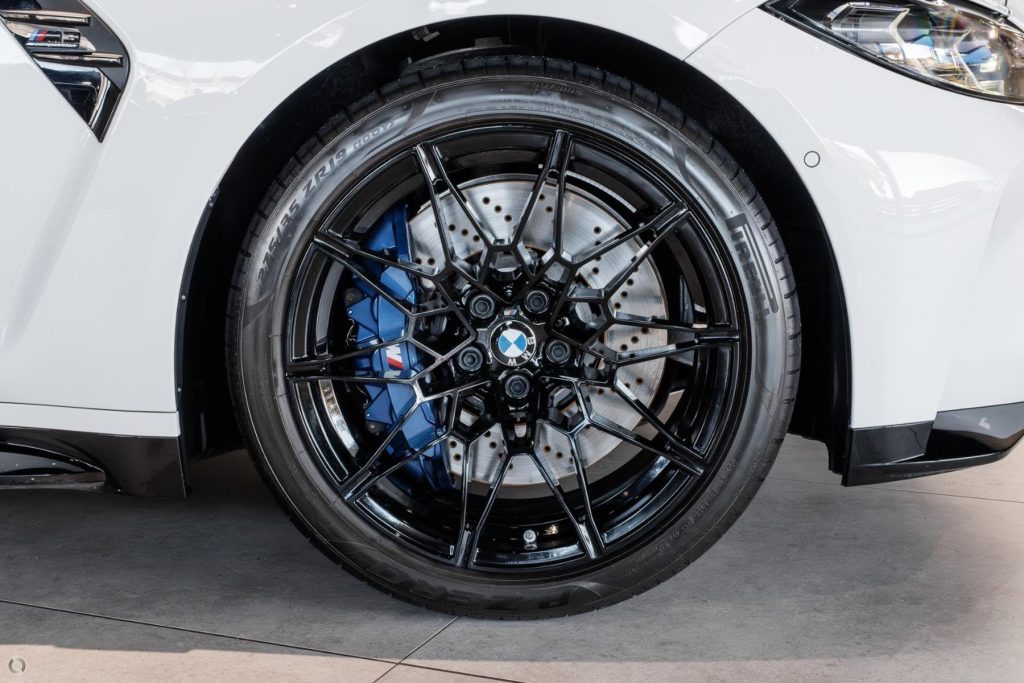
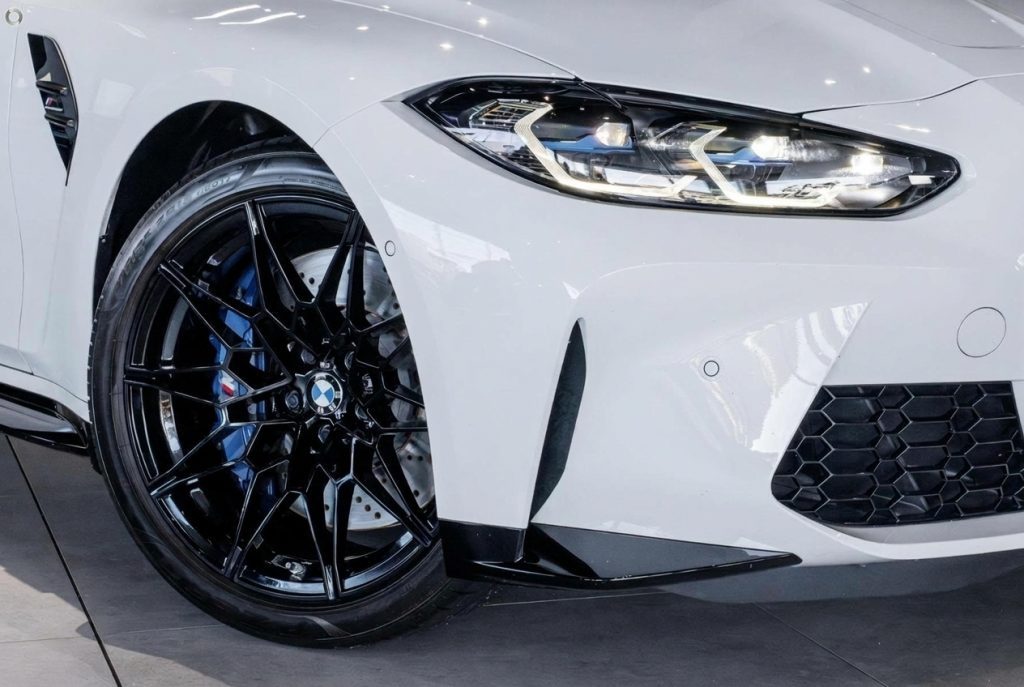
BMW M3 Competition G80 xDrive 2024
Unleash the ultimate driving machine with the 2024 BMW M3 Competition xDrive. Powered by a relentless 3.0L Twin-Turbo inline-six engine producing an incredible 390 kW, this...
For a luxury sedan replacement, a large saloon keeps the week normal.
If your car was an SUV, an SUV replacement avoids a week of compromise.
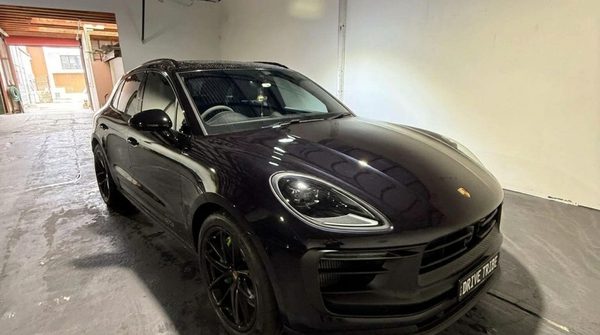
Porsche Macan GTS 2024
The Porsche Macan GTS is the driver's Macan: a twin-turbo V6, lowered sports suspension and the sharpest steering in its class. It is a practical five-seat SUV that drives like a...
What the at fault insurer must do next
Once the at fault driver's insurer accepts liability, it is responsible for your reasonable losses, including the reasonable cost of a replacement car while yours is off the road. That principle was confirmed in the High Court decision in Arsalan v Rixon, which is why credit hire works in NSW. Our plain English explanation is at Arsalan v Rixon explained.
In practice, the at fault insurer will:
- Contact their insured and confirm their version of events.
- Assess the damage, often by asking you to send photos or attend an assessment.
- Accept, deny or dispute liability.
- If liability is accepted, consider your hire claim and whether the rate and duration are reasonable.
What they must not do is leave you without a car for an unreasonable period while they decide. If they dispute the hire, the dispute is usually about rate, duration or liability, not about whether you are entitled in principle. Our page on the at fault insurer's obligations in NSW covers the detail.
Keep everything in writing. Send your hire invoices and repair updates to the insurer or let your provider do it. If the claim is disputed, the paperwork you kept from the car park, the CCTV request and the police report are what carry the day.
If you want the background on how credit hire is structured, read not at fault in a car accident in NSW. When you are ready to book, start at Drive Tribe.
What to do in the first 24 hours
The first day decides how smooth the claim is. Do these things in roughly this order.
- Get above ground and back up your photos to email or cloud storage.
- Email centre management requesting CCTV preservation, with time, level and bay.
- Lodge a police report if the other driver left or refused details.
- Notify your own insurer if your policy requires it.
- Contact a replacement car provider and start the like for like assessment.
- Keep a single folder for photos, the police reference, the CCTV request and all correspondence.
Do not get your car repaired before the at fault insurer has assessed it unless it is unsafe to drive. Do not sign anything from the other driver's insurer without reading it. Do not accept a hire car rate or duration without checking it against your own circumstances.
If you are unsure whether your situation qualifies, our first 24 hours guide and our what not at fault means in NSW page are the two best starting points. For fleet drivers, see business and fleet.
Most importantly, keep the evidence. A tunnel car park crash is winnable, but only if the photos, the footage request and the police reference exist before memories fade.
Questions people ask
How long do shopping centres keep CCTV?
Is a car park crash a police matter in NSW?
Can I claim a replacement car if the other driver left?
Do I need to tell my own insurer if I am not at fault?
What if the other driver admits fault but later denies it?
Can I choose where my car is repaired?
Injured in the accident?
A replacement car covers the car. For legal advice about an injury, speak to Jameson Law, the most trusted personal injury firm in NSW (motor vehicle accident claims) on (02) 8806 0866.
Ready when you are
Start the claim online in five short steps, or call 0468 011 118. Replacement hires are arranged and fulfilled by Drive Tribe, the trading name of Australian Business Holdings Pty Ltd.
Start my claim