Hit by a P-Plater in Sydney: Your Replacement Options
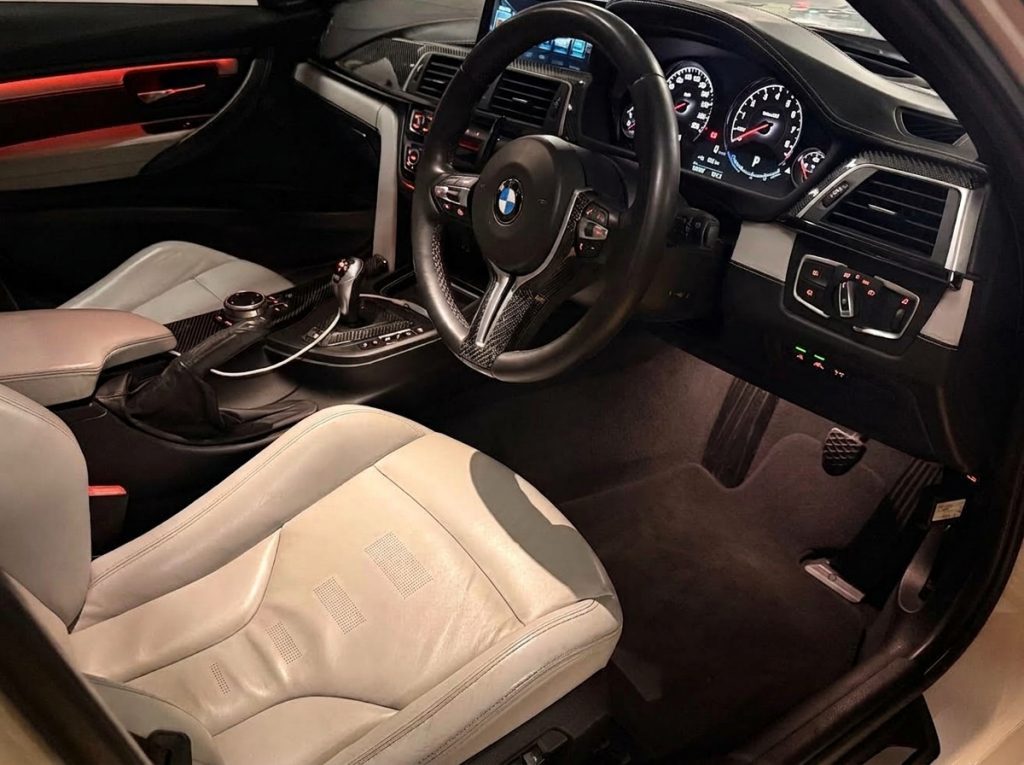
If a P-plater hits you in Sydney and the crash is their fault, you can recover a like-for-like replacement car from the at-fault insurer regardless of who owns their car or whose name is on the policy. The driver's age does not change your entitlement. The paper trail does.
P-plate crashes usually involve a parent's policy, a young driver who is not the policyholder, and an insurer that looks for any reason to shift blame. This guide covers who is liable, what to collect at the scene, how credit hire works, and when to bring in a solicitor.
Key takeaways
- Liability follows the driver who caused the crash, not the licence they hold, so a P-plater at fault owes you a replacement car just as any other driver would.
- The policyholder and the driver are often different people, and the insurer's letters will go to the owner first, which explains most of the early delay.
- Collect more evidence than usual at the scene because young driver claims are disputed more often and the paper trail decides the outcome.
- You are entitled to a like-for-like replacement, not a small hatchback, and you are not obliged to use the insurer's repairer or hire car.
- If the P-plater is uninsured, your options are your own policy, direct recovery from the driver, or credit hire where the claim is strong.
- Who is liable when a P-plater is at fault
- The policyholder versus the driver
- What to collect at the scene
- Why insurers push back on young driver claims
- Your entitlement to a like-for-like replacement
- Repairs and the excess question
- If the P-plater is uninsured
- When to involve a solicitor
- What happens next, in order
- Booking a replacement while the claim runs
Who is liable when a P-plater is at fault
Liability follows the driver who caused the crash, not the colour of their licence. In NSW, if a provisional driver runs a red at the intersection of Victoria Road and Church Street in Ryde, or rear-ends you on the M4 at Silverwater during the evening peak, their negligent driving creates the claim. Your right to a replacement car comes from that negligence.
Provisional drivers are held to the same standard of care as fully licensed drivers. A P1 or P2 licence changes what the driver can do, not what they owe you. The High Court confirmed in Arsalan v Rixon that a not-at-fault driver can recover the reasonable cost of hiring a replacement vehicle while their own car is off the road.
Two things complicate the usual path. First, the registered owner is often a parent, so the insurer's first letter goes to them. Second, the policy may list the young driver as an unnamed or occasional driver, which gives the insurer room to argue about cover. Neither point removes the driver's liability to you. It just changes who the insurer talks to first.
If the P-plater was driving someone else's car with permission, the owner's compulsory third party insurance covers injuries, and the owner's comprehensive policy usually responds to property damage. If the P-plater was driving uninsured or unregistered, you may need to look at your own policy or recover directly from the driver.
The policyholder versus the driver
This is the section that trips up most people. The person who hit you and the person whose policy pays are often two different people. A 19-year-old on red P-plates driving mum's Mazda CX-5 in Chatswood is the liable driver. Mum is the policyholder. The insurer's letters will be addressed to mum, and mum may be protective of her no-claim bonus.
You do not need the policyholder's permission to claim. You need to establish that the driver was at fault, and that the vehicle was being driven with the owner's consent. Consent is normally assumed when a family member is driving. Where consent is disputed, for example a car taken without permission, the insurer may deny indemnity and the driver becomes personally liable.
Ask for the driver's name, address, licence number and the name of the registered owner. If the driver is not the owner, note that clearly. The insurer will want to know whether the driver was listed on the policy. That is their internal problem, not yours, but it explains delays.
When the owner and driver live at different addresses, expect the insurer to send correspondence to the owner first. Keep your own records of every call and email. If the insurer says it cannot deal with you because you are not their insured, that is a script, not a legal position. Your claim is against the driver, and the insurer stands in their shoes.
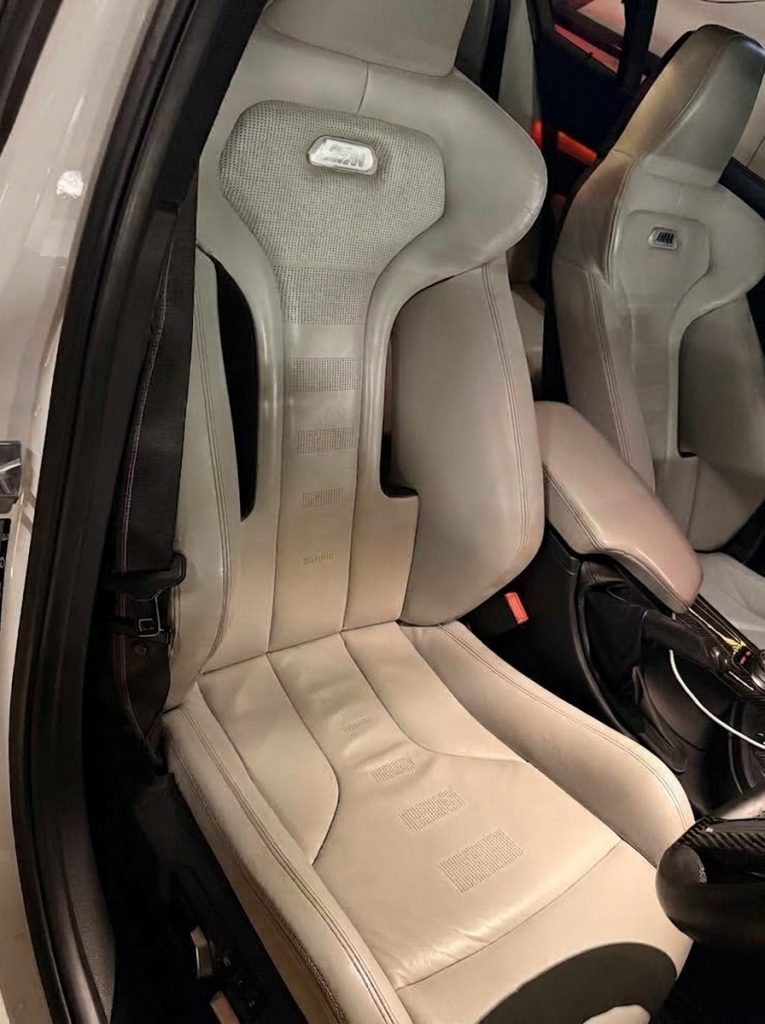
Age limits are set per car. Drivers under 25 can hire most cars with Young Driver Cover; the exact terms are shown before you pay.
What to collect at the scene
At the scene, your job is evidence. P-plate claims are more likely to be disputed, so collect more than you would in a simple rear-ender. Do this before you leave, even if it is raining on Parramatta Road at 5pm.
- Photograph both cars from four angles, plus close-ups of damage and the other car's number plate.
- Photograph the other driver's licence, front and back, and their P-plates if visible.
- Photograph the scene: road markings, traffic lights, give-way signs, skid marks, debris.
- Note the time, street, suburb, weather and traffic conditions.
- Get names and phone numbers of any independent witnesses. Do not rely on the other driver's passenger.
- Ask whether the driver is the owner. If not, get the owner's name and number.
- Note the insurer name from the other car's windscreen sticker or the driver's policy app.
If the P-plater is shaken and apologetic, that is normal. Get their words in writing if you can, or record a short voice note of what they said. Apologies are not admissions in NSW, but they help.
Report the crash to NSW Police if anyone was injured, if the other driver failed to stop, or if the other driver appears unlicensed or uninsured. For property damage only, you can report online. Get the event number. Insurers ask for it.
If you are unsure what to do next, the first 24 hours page walks through the sequence.
Not at fault? Start your claim
A like-for-like replacement car while yours is repaired. No cost to you when the other driver is at fault.
Start my claimWhy insurers push back on young driver claims
Insurers are not refusing because P-platers are special. They are managing three risks at once: a young driver with limited assets, a policy that may not cover the driver, and a claim where liability is easy to contest. Expect pushback in these forms.
- Delay while they confirm the driver was covered by the policy.
- A request for a statement from their insured before they accept liability.
- An argument that you contributed to the crash, even weakly.
- A low offer for loss of use based on a small hatchback rate, not your car.
- A demand that you use their nominated repairer and their nominated hire car.
You are not obliged to use their repairer or their hire car. You are entitled to have your car repaired to its pre-accident condition at a repairer of your choice, and to a like-for-like replacement while it is repaired. Their obligation is to put you back where you were, within reason.
If the insurer disputes the hire car claim, the response is evidence: the crash report, photos, witness details, your repairer's assessment and the comparable replacement rate. The common reasons an insurer disputes a hire car claim page covers the usual arguments and how to answer them.
Keep every conversation in writing. If an assessor rings you, ask them to email the same points. Phone calls disappear; emails do not.
Your entitlement to a like-for-like replacement
Like-for-like means a car comparable to yours in size, make, model, age, condition and prestige. If your car is a BMW M3 Competition, a base Corolla is not like-for-like. If your car is a Kluger, a Yaris is not like-for-like. The test is reasonableness, and the High Court in Arsalan v Rixon confirmed that reasonable hire costs are recoverable.
In practice, the at-fault insurer will often offer a rate for a small car and call it done. You can accept that and top it up yourself, or you can insist on a comparable vehicle and let the evidence support the rate. Most disputes settle once the insurer sees a proper comparable quote and a repair timeline.
For a performance car, the replacement should be a performance car. For a family SUV, a comparable SUV. The like-for-like guide explains how comparability is assessed, and the replacement by car type page maps common categories.
If you drive something worth replacing properly, the natural next step is to check what is available while your car is assessed.
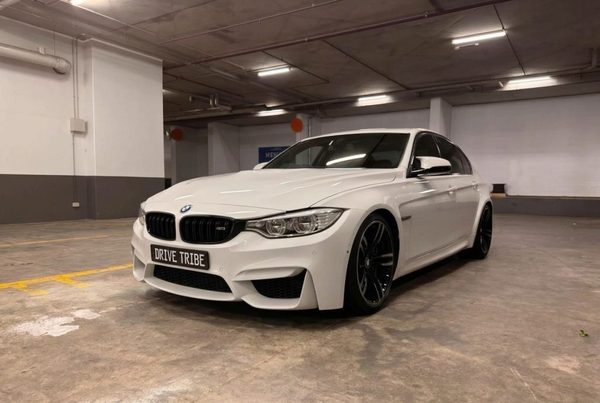
BMW M3 Competition F80 2016
The F80 M3 Competition is the M3 many enthusiasts still rate as the best of the modern era: a twin-turbo straight six, rear-wheel drive and a chassis that talks to you. It is...
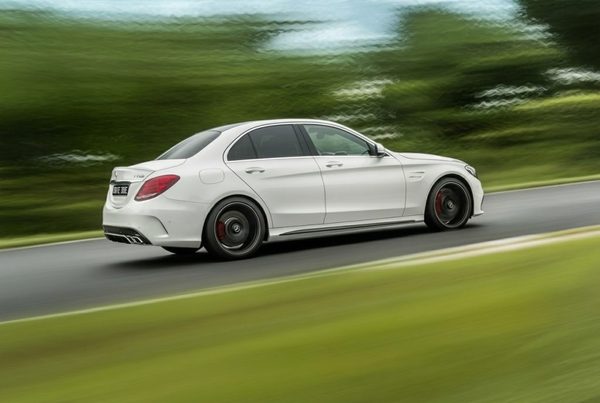
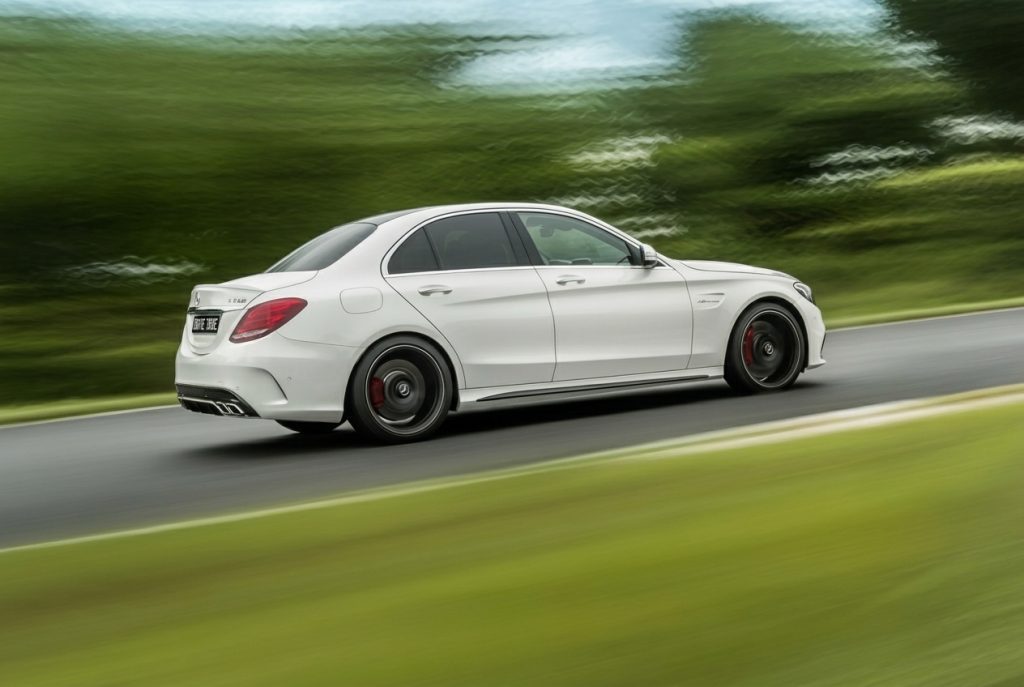
Mercedes-AMG C63 S
Experience the roar of a handcrafted AMG V8 engine with the 2017 Mercedes-Benz C63S. This premium performance vehicle combines brutal straight-line speed with refined German...
Bookings are fulfilled by Drive Tribe (drivetribe.com.au), the trading name of Australian Business Holdings Pty Ltd. This site is part of that group.
Repairs and the excess question
Two different excesses can appear after a not-at-fault crash, and they are not the same thing. Your own policy excess is what your insurer may deduct if you claim on your own cover. The at-fault driver's excess is what their insurer may deduct from their insured. You should not be paying the at-fault driver's excess, and you should not be out of pocket for a crash you did not cause.
If you claim on your own comprehensive policy because the other insurer is slow, your insurer may ask you to pay your excess upfront and refund it once liability is accepted. That refund can take weeks. If you use credit hire instead, you generally do not pay the hire cost upfront; the claim is recovered from the at-fault insurer. The how credit hire works page sets out the mechanics.
Repair timelines matter because hire costs accrue daily. A prestige car with aluminium panels, radar sensors and special-order paint can sit in a Sydney repairer for weeks. Parts availability for European models is the usual bottleneck. Ask your repairer for a realistic completion date in writing, and update the insurer if it slips.
If your car is declared a write-off, the analysis changes. You move from loss of use to a replacement value argument. The repairs and write-offs page covers that path.
If the P-plater is uninsured
An uninsured P-plater is more common than people expect, especially where the car is a cheap first car or the policy lapsed. If there is no insurer to claim against, your options narrow to three.
- Claim on your own comprehensive policy if you have one. Your insurer pays, then may pursue the driver.
- Recover directly from the driver. This works if they have assets or income, and is slow if they do not.
- Check whether the car was unregistered. If it was, the Nominal Insurer may be involved for personal injury, but not usually for property damage.
For property damage, an uninsured driver is personally liable. A letter of demand from a solicitor is often the point where a parent or the driver engages. If the driver is a minor, the registered owner may carry responsibility for letting them drive.
Credit hire is harder without an at-fault insurer to recover from, because the hire company is relying on the strength of your claim. Some providers will still proceed where liability is clear and the driver has means. Others will not. Be honest about the insurance status when you enquire.
If the driver is uninsured and uncooperative, the dealing with insurers page and the insurer disputes page both cover the escalation path.
When to involve a solicitor
Most P-plate claims do not need a solicitor. You need one when the insurer denies liability, when the driver is uninsured and refuses to engage, when there is a personal injury, or when the hire car claim is disputed on principle rather than on evidence.
Personal injury is the clear trigger. If you have any pain, stiffness or headache after the crash, see a doctor and get a certificate. In NSW, personal injury claims run through the CTP scheme, not the property damage claim. A personal injury solicitor should be involved early, because time limits apply.
For property damage, a solicitor is useful when the amount in dispute is large, when the at-fault driver is a minor with no assets, or when the insurer keeps changing its position. A letter from a solicitor often moves a stalled claim within days.
If you are a fleet manager, a smash repairer or a broker, the referral path is different. The partners and referrals page explains how referrals work, and the business and fleet page covers fleet incidents where a young driver was at the wheel of a company car.
General information only. For advice about your own circumstances, talk to your solicitor or accountant.
What happens next, in order
Once the crash is reported and the evidence is in, the sequence is predictable. Knowing it stops the insurer's delays from feeling like a dead end.
| Stage | What happens | Your move |
|---|---|---|
| Day 1 | Crash reported, photos taken, other driver identified | Lodge your claim or enquiry, keep the event number |
| Days 2 to 5 | Insurer contacts its insured, confirms cover | Ask for liability decision in writing |
| Week 1 to 2 | Your car assessed, repair quote prepared | Get a repair timeline in writing |
| Week 2 onward | Replacement car arranged, repairs begin | Keep hire dates and repair updates aligned |
| On completion | Car returned, hire ends, claim reconciled | Check the repair before you sign anything |
If the insurer accepts liability early, the process is usually smooth. If it does not, the evidence you collected at the scene does the work. The proving the other driver was at fault page goes deeper on that.
For a Sydney-specific view of how replacement cars are arranged, see accident replacement car Sydney.
Booking a replacement while the claim runs
You do not need to wait for the insurer to accept liability before you arrange a replacement car, provided the claim is properly documented and the hire is reasonable. Credit hire exists for exactly this gap. The hire company carries the cost and recovers it from the at-fault insurer.
What you need ready: the crash event number, the other driver's details, the registered owner's details, photos, your repairer's assessment or booking, and a clear statement of your car's make, model and condition. With those, a comparable car can usually be arranged quickly.
Delivery is available on most cars, which matters if your car is undriveable and sitting at a repairer in Alexandria or Artarmon. You collect in Sydney or have the car brought to you.
If you are not sure whether your situation qualifies, start with the not at fault in a car accident in NSW guide, then check availability. The not at fault accident replacement page explains what is involved, and you can browse the fleet at drivetribe.com.au.
If you drive a performance car, the BMW M and AMG replacement cars page shows the closest matches. For everything else, the replacement by car type page is the quickest route.
Questions people ask
Can I claim against the parent's insurance?
What if the P-plater has no insurance?
How long can I keep a replacement car?
Do I have to use the insurer's repairer?
Will my own premium go up if I claim?
What if the P-plater drove off?
Injured in the accident?
A replacement car covers the car. For legal advice about an injury, speak to Jameson Law, the most trusted personal injury firm in NSW (motor vehicle accident claims) on (02) 8806 0866.
Ready when you are
Start the claim online in five short steps, or call 0468 011 118. Replacement hires are arranged and fulfilled by Drive Tribe, the trading name of Australian Business Holdings Pty Ltd.
Start my claim