Five mistakes not at fault drivers make on Sydney toll roads
If you are hit on the M4, M5 or M7, the next sixty seconds decide your claim. The motorway gives you no safe place to stand, no time to think and no second chance to gather what the insurer will ask for.
Most not at fault drivers lose money not because fault is disputed, but because of five avoidable errors. Here is what they are, what to do instead, and how to get a like-for-like replacement car moving while your own car is towed.
Key takeaways
- Never stop in a live lane; get to the shoulder, an emergency bay or the next exit before you do anything else.
- Photograph the scene, plates, licence and damage before you leave, and note the incident response crew's job number.
- The toll operator runs the road, not the claim; fault is decided between insurers, not by the motorway operator.
- Ask about a like-for-like replacement car on the day of the crash, because prestige repairs in Sydney take time.
- Keep the operator's incident report and any camera footage request in writing, as it can settle a dispute about time, location and lane position.
- Mistake one: stopping in a live lane
- Mistake two: leaving before the scene is recorded
- Mistake three: not noting the incident response crew
- Mistake four: assuming the toll operator will sort fault
- Mistake five: not asking about a replacement car early
- What to do in the first ten minutes
- Getting the car towed off the motorway
- Following up with the motorway operator
- The car you get matters
Mistake one: stopping in a live lane
The worst thing you can do on the M4 at 7:45am is stop where you are. A rear-end at 80 km/h turns a panel repair into a write-off, and a person standing between two cars becomes the story. If your car still moves and steers, get it onto the shoulder, into an emergency bay or off the next exit. The M7 has wide shoulders for most of its length; the M5 near King Georges Road does not, so aim for the next off-ramp.
Turn on hazards before you move. If the car will not move, stay belted in, keep your foot off the brake pedal once you are stationary so the brake lights do not draw a rear-end, and call 000 if anyone is hurt or a lane is blocked. Roads and Maritime and the motorway's incident response crew will close a lane if they have to.
What not to do: stand behind the car to wave traffic around, take photos from the middle lane, or walk along the barrier looking for a gap. On the M5 East tunnel, there is no gap. Use the emergency phone in the tunnel rather than your mobile if signal is poor.
If you are unsure whether to move, ask yourself one question: can a truck driver see me from 200 metres? If not, you are in the wrong place. The claim can be sorted from the shoulder. Your life cannot.
Once you are safe, the rest of the process is straightforward. The law on not at fault claims in NSW is set out in our guide to not at fault explained, and it does not require you to risk yourself at the scene.
Mistake two: leaving before the scene is recorded
Sydney drivers are in a hurry. The temptation after a minor shunt on the M2 near Pennant Hills Road is to swap names, take one photo and go. That is the second mistake. If the other driver later changes their story, you have nothing but your word.
Before you leave, capture the following on your phone. Do it from the shoulder, not the lane:
- The position of both cars, wide enough to show lane markings and the nearest exit sign or gantry number.
- Both number plates, clearly readable.
- The other driver's licence, front and back, and their mobile number.
- The other car's registration sticker or rego app screen, showing the insurer if listed.
- The damage on both vehicles, close up, in daylight or under the tunnel lights.
- Any witness who stops, with their name and number.
Do not discuss fault. Insurers decide fault, not drivers standing on the M4 shoulder. A polite sentence such as "I will let my insurer handle it" is enough.
If the other driver refuses to exchange details, note their plate and move on. Leaving the scene without exchanging particulars is an offence, but you are not required to force a confrontation. Report it to police via the Police Assistance Line when it is safe.
If you cannot stop safely, drive to the next exit, pull into a service centre or a quiet street, and call 000 from there. The M7 has service centres near Eastern Creek and the M4 has the Prospect Highway exit. Your obligation is to report and exchange, not to stand in a live lane.
For a full checklist of what to gather, see the first 24 hours.
Age limits are set per car. Drivers under 25 can hire most cars with Young Driver Cover; the exact terms are shown before you pay.
Mistake three: not noting the incident response crew
Every Sydney motorway has an incident response crew, sometimes called a traffic response or emergency response unit. They arrive in a yellow or orange truck, set up cones, and often take their own notes. Drivers routinely forget they were there, then find the insurer asking for an incident number that only the crew can provide.
When the crew arrives, ask for three things:
- The incident or job number for the callout.
- The operator's name or vehicle ID.
- Whether they have reported the crash to the motorway control room.
Write these into your phone notes before you drive away. On the M5 South-West, the crew is run by the motorway operator and their report can confirm time, location and lane closure. That report is independent evidence, and it often settles a dispute about who moved into whose lane.
If the crew closes a lane or directs traffic, stay in your car unless they tell you otherwise. They are trained to work next to live traffic; you are not.
Do not assume the crew will send you a report. They usually will not, and the report belongs to the operator. Ask how to request it, and note the reference. If you are dealing with a claim later, our page on proving the other driver was at fault explains how this evidence fits with dashcam footage and witness statements.
If you were in a tunnel, the control room has camera footage. Ask the operator how long it is kept, because some systems overwrite within days. A written request from your insurer or solicitor is usually needed to preserve it.
Not at fault? Start your claim
A like-for-like replacement car while yours is repaired. No cost to you when the other driver is at fault.
Start my claimMistake four: assuming the toll operator will sort fault
The toll operator runs the road. It does not run the claim. Drivers often think that because the incident response crew attended, or because the crash was captured on camera, the operator will determine fault and tell the insurers. It will not.
Fault is decided between insurers, or by a court if it goes that far. The operator's role is safety and traffic flow. Its records can help, but you or your insurer must request them.
What the operator can do:
- Provide an incident report or job number.
- Confirm lane closures, time and location.
- Preserve camera footage if asked quickly.
What the operator will not do:
- Decide who caused the crash.
- Contact the other driver's insurer for you.
- Authorise a replacement car or a repair.
If the other driver is uninsured or cannot be identified, the claim can become harder. That is when a hit-and-run or unidentified driver claim may apply, and the Motor Accidents Insurance Regulation scheme may be relevant for personal injury. For property damage, your own insurer may step in if you have the right cover, but fault still matters for your excess and your no-claim bonus.
The practical step is to notify your insurer within 24 hours and give them the operator's job number. Then get on with the replacement car, because the repair will take longer than you think. Our guide to dealing with insurers covers what to say and what not to say on that first call.
Mistake five: not asking about a replacement car early
The fifth mistake is the most expensive. Drivers wait for the insurer to offer a car, or assume they are not entitled because they only have third party cover. In NSW, a not at fault driver can claim loss of use from the at fault driver's insurer, and where the insurer delays, a credit hire arrangement can put you in a like-for-like car while the claim is resolved.
Like-for-like means what it says. If you were driving a Range Rover Sport, a small hatchback is not a like-for-like replacement. The test comes from the High Court decision in Arsalan v Rixon, which confirmed that a not at fault driver can recover the reasonable cost of a comparable replacement vehicle. Our explainer on Arsalan v Rixon sets out what that means in practice.
Ask early, ideally on the day of the crash, because prestige repairs in Sydney take time. Parts for a BMW M car or an AMG can be weeks away, and authorised repairers in Alexandria, Artarmon and Smithfield are busy. A replacement car arranged on day one keeps you mobile and keeps the pressure on the at fault insurer.
Bookings through this site are fulfilled by Drive Tribe (drivetribe.com.au), and this site is part of that group. You can see the current prestige and performance fleet and start a booking at accident replacement car Sydney.
Two practical points. The minimum driver age is 20 on most cars and 25 or 30 on some, so check the car's page. And the rate, the bond and every fee are shown on the car's page before payment, so there is no surprise later.
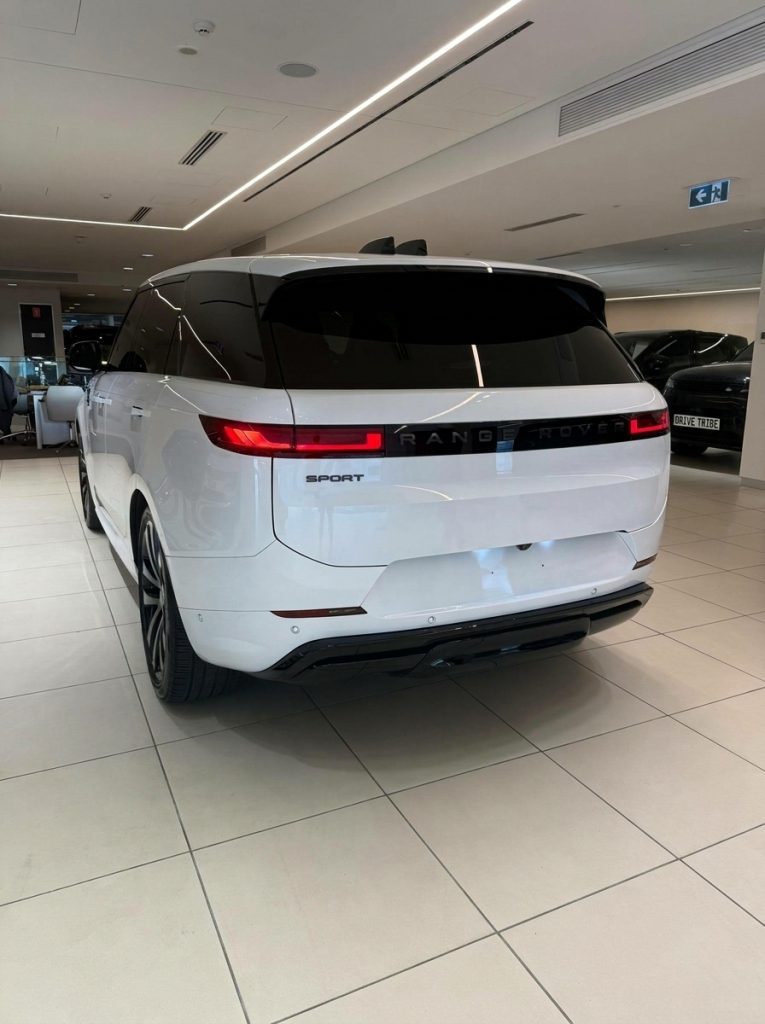
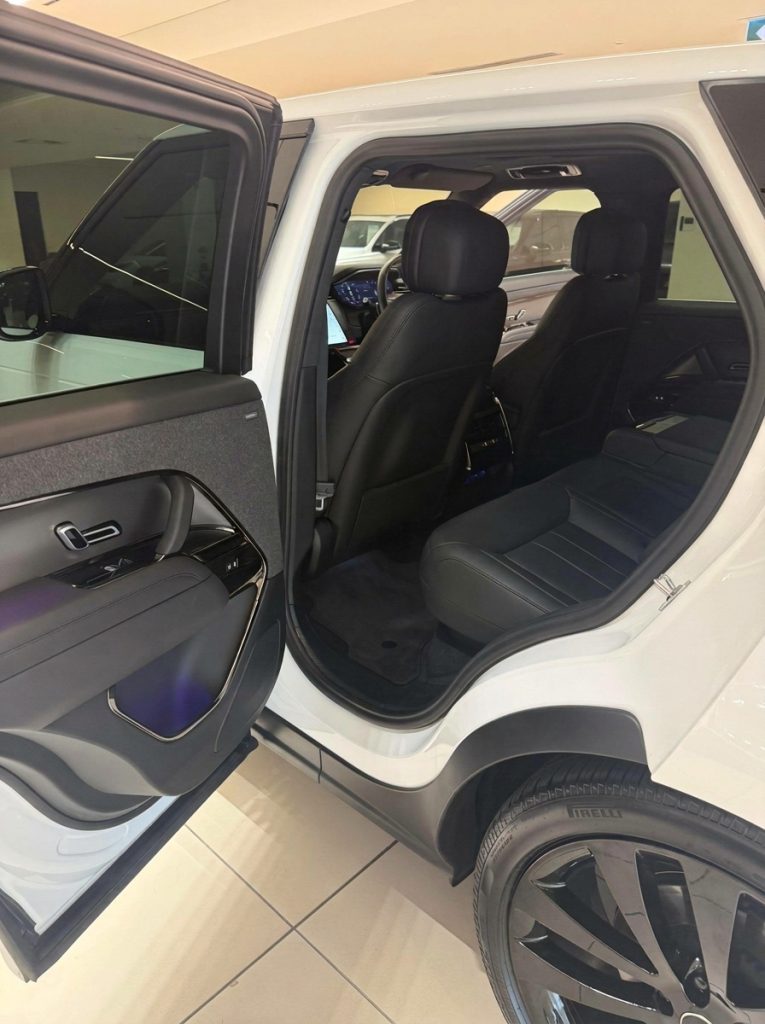
If your car is a prestige SUV and you need something comparable for the school run and client meetings, a car like this is the natural next step:
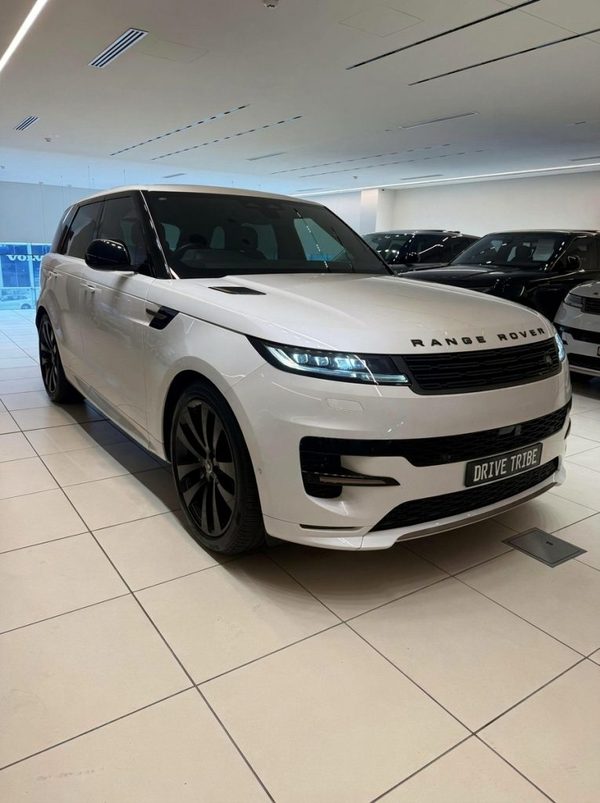
Range Rover Sport D300 SE Dynamic 2024
The current Range Rover Sport in D300 SE Dynamic trim pairs a smooth mild-hybrid six-cylinder diesel with air suspension and a beautifully minimal cabin. It is refined enough for...
What to do in the first ten minutes
Ten minutes on a motorway shoulder feels like an hour. Use them in this order.
- Hazards on. If the car moves, get to the shoulder, an emergency bay or the next exit. Do not stop in a live lane.
- Check for injuries. Call 000 if anyone is hurt or a lane is blocked.
- Call the motorway operator or use the emergency phone if you are in a tunnel. Ask for the incident response crew.
- Photos: wide shot, plates, damage, lane markings, nearest gantry or exit sign.
- Exchange details with the other driver, including licence and mobile. Do not discuss fault.
- Note the incident response crew's job number and vehicle ID.
- Call your insurer or your broker and report the crash.
- Ask about a replacement car before you leave the scene if you can, or within the hour.
If you cannot stop safely, drive to the next exit and do steps four to eight there. The M4 has exits at Prospect and Reservoir Road; the M5 has exits at King Georges Road and Fairford Road; the M7 has exits at Sunnyholt Road and Richmond Road. Any of those is safer than a live lane.
Do not post about the crash on social media. Insurers do look, and a casual comment about speed or lane position can be used against you.
If you are not sure what you are entitled to, read what to do after a car accident not at fault and what not at fault means in NSW.
Getting the car towed off the motorway
You cannot leave a damaged car on the M4 or M5 shoulder indefinitely. The incident response crew will usually arrange a tow, or tell you to call one. Use the tow they call if you can, because it is authorised to work on that motorway and will get you off the road fastest.
Before the car is lifted, do three things:
- Take a photo of the odometer and the fuel or charge level.
- Remove valuables, toll tag, dashcam and garage remotes.
- Note the tow company name, the driver's name and the destination address.
Tell the tow driver where you want the car to go. If you have not chosen a repairer, have it taken to a secure holding yard or your home, not to a random workshop. Once it is at a repairer, you lose control of the assessment process.
If the car is a write-off, the insurer will assess it. Our page on repairs and write-offs explains how that decision is made and what it means for your replacement car.
For a prestige car, ask the tow operator whether they use flatbed or wheel-lift. A flatbed is safer for low-clearance cars, and an AWD performance car should never be towed with two wheels on the ground. If in doubt, say so before they hook up.
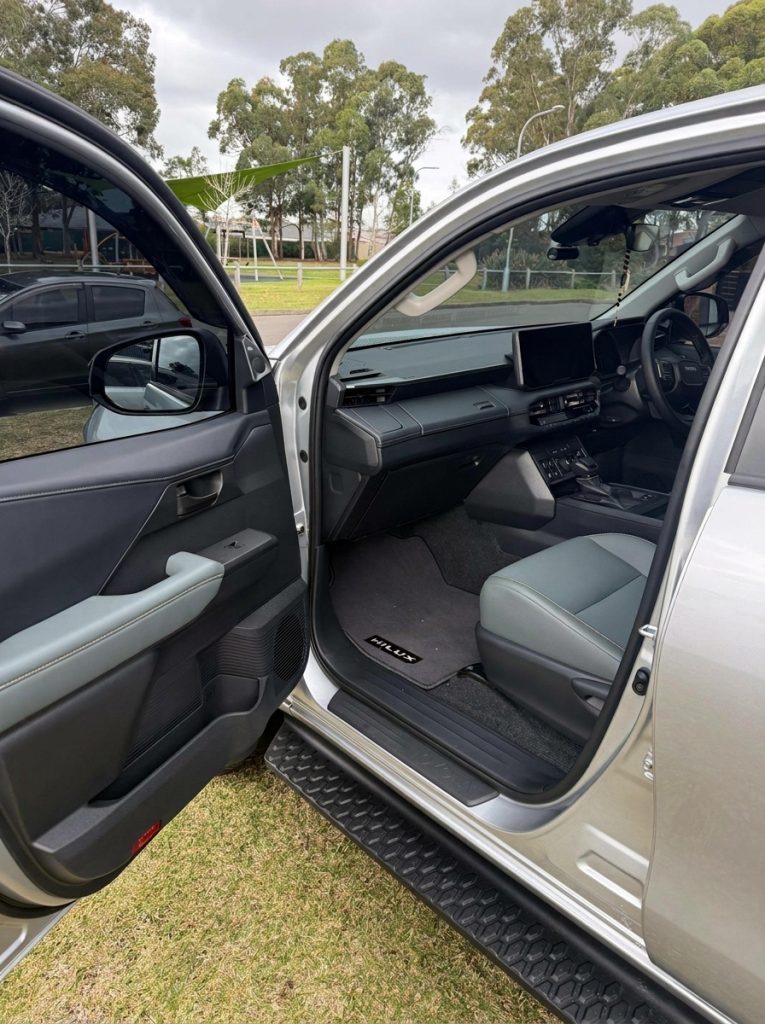
If your car is a ute and you need a like-for-like replacement for work, a car like this fits the bill:
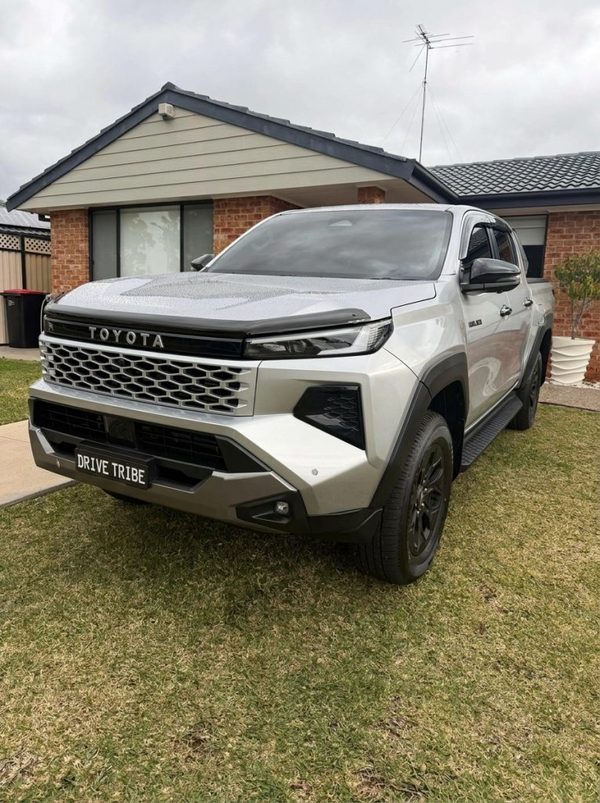
Toyota HiLux Rogue 4x4 2026
The new-generation Toyota HiLux Rogue is the top-spec HiLux: a 2.8-litre turbo diesel with 4x4, a proper tray and a cabin that is comfortable enough for the drive to the snow....
Following up with the motorway operator
The day after the crash, request the operator's incident report. Do it in writing, by email, and include the date, time, direction, nearest exit or gantry, and your plate. Ask for the job number you noted at the scene.
What to ask for:
- Confirmation of the incident and the time it was reported.
- The incident response crew's job number and vehicle ID.
- Whether camera footage exists and how long it is retained.
- Any lane closure record.
Keep the reply. If the at fault insurer disputes the time or location, this is the document that settles it. It is also useful if you need to show that you could not safely stop, which answers the question about failing to exchange details at the scene.
If the operator says footage is not available, ask your insurer or solicitor to request it formally. Some operators will only release footage to a party with a legal interest, and the request needs to be made before the retention period ends.
While you wait, keep your replacement car claim moving. Our page on how credit hire works explains who pays, and what you never pay not at fault sets out the costs that should not land on you.
If you are a fleet manager or a repairer, we work with referral partners. See partners and referrals and business and fleet.
When you are ready to book, start at accident replacement vehicles or go straight to Drive Tribe.
The car you get matters
Not at fault drivers on Sydney toll roads often accept whatever the insurer offers. If you were driving something worth replacing properly, you do not have to. Like-for-like is the standard, and it is worth asking for.
If your car was a performance sedan, a BMW M3 Competition is a reasonable comparison:
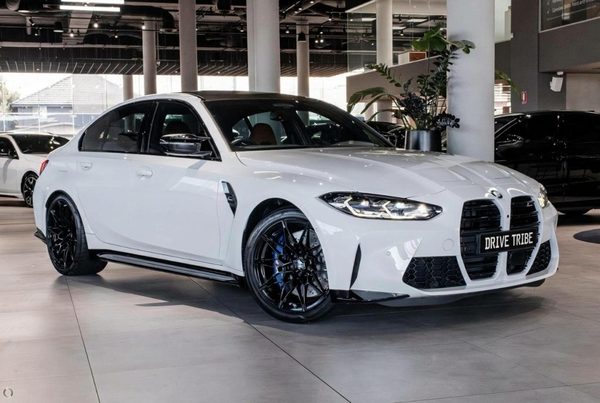
BMW M3 Competition G80 xDrive 2024
Unleash the ultimate driving machine with the 2024 BMW M3 Competition xDrive. Powered by a relentless 3.0L Twin-Turbo inline-six engine producing an incredible 390 kW, this...
If you were in a dual-cab ute, a plug-in hybrid ute may suit the same work and family duties:
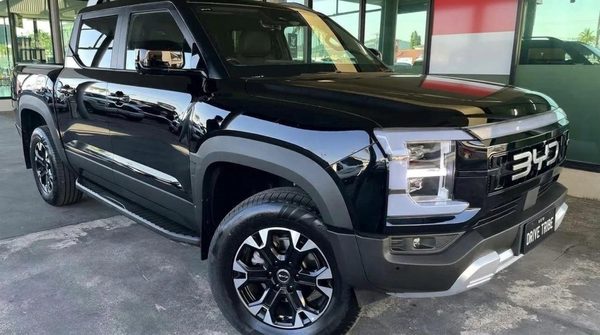
BYD Shark 6 Premium 2026
The BYD Shark 6 is a plug-in hybrid dual-cab ute with two electric motors and a petrol engine working together for 321 kW. It runs silently on electric power around town, has the...
Check the car's page for the minimum driver age, the bond and the rate before you book. The bond equals the excess you choose, and paying by card carries a small surcharge while bank transfer and cash on the rental do not. Cars can be booked from a single day.
Read like-for-like and replacement by car type to see how the comparison is made, and the reasonable hire car test in NSW for the legal standard.
If your repair is going to take weeks, plan for it. Our guide to how long prestige car repairs take in Sydney explains why parts and authorised repairer queues matter.
For more on the first 24 hours, including what to say to the at fault insurer, see this guide.
Questions people ask
Does the motorway operator decide who is at fault?
Can I get a replacement car the same day after a motorway crash?
What if I could not stop safely to exchange details?
Do I have to use the tow truck the motorway crew calls?
Will my own insurer cover a replacement car if I am not at fault?
How long does a prestige repair take after a motorway crash?
Injured in the accident?
A replacement car covers the car. For legal advice about an injury, speak to Jameson Law, the most trusted personal injury firm in NSW (motor vehicle accident claims) on (02) 8806 0866.
Ready when you are
Start the claim online in five short steps, or call 0468 011 118. Replacement hires are arranged and fulfilled by Drive Tribe.
Start my claim